Mori Atlas logo
National parkRosario and San Bernardo Corals National Natural Park

Discover the mapped geography and protected natural heritage of this vital Colombian national park.

Rosario and San Bernardo Corals National Natural Park: Colombia's Protected Coral Landscape Atlas

(Parque Nacional Natural Corales del Rosario y San Bernardo)

Rosario and San Bernardo Corals National Natural Park represents a significant protected area contributing to the rich natural atlas of Colombia. This page offers an in-depth look at the park's geographic scope, focusing on its mapped boundaries and its role as a national natural park. Understand its unique place within Colombia's diverse geography and its importance as a conservation landscape for exploring protected natural terrains.

Marine protected areaCoral reefsCaribbean coastColombiaUnderwater parkIsland archipelago

Rosario and San Bernardo Corals National Natural Park

National park

Park overview

Structured park overview, official facts, and landscape profile for Rosario and San Bernardo Corals National Natural Park

Rosario and San Bernardo Corals National Natural Park park facts, protected area profile, and essential visitor context
Review the core facts for Rosario and San Bernardo Corals National Natural Park, including designation, size, terrain, visitor scale, habitats, and operating context in one park-focused overview.

About Rosario and San Bernardo Corals National Natural Park

Rosario and San Bernardo Corals National Natural Park represents a distinctive approach to national park protection in Colombia, focusing almost entirely on underwater marine ecosystems rather than terrestrial landscapes. The park's establishment in 1977 marked a pioneering effort to conserve Caribbean coral reef environments, which had faced increasing pressure from coastal development and maritime activities along the Colombian coast. The park's territory encompasses two geographically separate archipelago systems: the Rosario Islands located at approximately 10°10′N latitude and the San Bernardo Islands further south around 9°45′N. Both archipelagos feature shallow seabeds where coral formations thrive, surrounded by deeper Caribbean waters. The park's management falls under Colombia's National System of Protected Areas, which oversees the balance between conservation objectives and sustainable visitation. The park's marine character means that traditional national park activities like hiking and wildlife viewing are replaced by snorkeling, scuba diving, and boat-based exploration, creating a distinctly different visitor experience from Colombia's more famous mountain and rainforest parks.

Quick facts and research context for Rosario and San Bernardo Corals National Natural Park

The park was established in May 1977 as a coral reef protection zone and has undergone two significant expansions, first in 1988 and again in 1996, growing from an original 178 square kilometers to its current 1,200 square kilometer extent. It is one of only three national parks in the Colombian Caribbean that contain coral reef ecosystems, alongside Tayrona and Old Providence McBean Lagoon. The park's marine environment is shaped by the Caribbean and Panama ocean currents, while freshwater input from the Canal del Dique brings sediments from the Magdalena River that have become a conservation concern. Average annual water temperatures range between 27 and 30 degrees Celsius, supporting year-round coral growth. The park contains no freshwater bodies, though brackish water lagoons exist on several islands.

Park context

Deeper park guide and search-rich context for Rosario and San Bernardo Corals National Natural Park

Rosario and San Bernardo Corals National Natural Park history, landscape, wildlife, and travel context
Explore Rosario and San Bernardo Corals National Natural Park through its history, landscape character, ecosystems, wildlife, conservation priorities, cultural context, and seasonal travel timing in a structured park guide built for atlas discovery and search intent.

Why Rosario and San Bernardo Corals National Natural Park stands out

Rosario and San Bernardo Corals National Natural Park is best known as Colombia's only underwater national park and one of the Caribbean region's most important coral reef protection areas. The park protects 52 coral species and 170 fish species within its boundaries, making it a biodiversity hotspot for marine life. Its coral reefs develop across a depth range from one to 30 meters, creating diverse underwater landscapes that support sponges, mollusks, and crustaceans. The park's dual archipelago setting, combining the Rosario Islands and San Bernardo Islands, provides visitors with a unique marine exploration experience that differs substantially from the mainland national parks typical in Colombia's protected area system.

Rosario and San Bernardo Corals National Natural Park history and protected-area timeline

The park was established in May 1977 with an initial protected area of 178 square kilometers centered on the coral reefs surrounding the Rosario Islands archipelago. This initial designation reflected growing awareness in Colombia of the ecological importance and fragility of Caribbean coral reef systems, which had been experiencing degradation from multiple pressures including coastal development, tourism expansion, and marine pollution. The first expansion occurred in 1988, adding 195 square kilometers to the protected zone and incorporating additional reef areas. The most significant expansion came in 1996 when the San Bernardo Islands archipelago was incorporated into the park, bringing the total protected area to its current 1,200 square kilometers and formally creating the unified Rosario and San Bernardo Corals National Natural Park. This expansion reflected both the ecological connectivity between the two archipelago systems and a recognition that effective coral reef protection required comprehensive coverage of reef habitats across the broader geographic area. The park's history also includes increasing visitation pressure, leading to its status as Colombia's most visited national park in 2009, which has necessitated ongoing management attention to balance conservation with tourism development.

Rosario and San Bernardo Corals National Natural Park landscape and geographic character

The park's landscape is fundamentally defined by its marine environment, with the vast majority of the protected area lying beneath the Caribbean Sea. The underwater terrain features coral reef formations that create complex three-dimensional structures supporting diverse marine communities. The reef systems extend from shallow waters near the islands down to approximately 30 meters depth, where light availability still supports coral growth. Above water, the park includes numerous small islands and cays belonging to the Rosario and San Bernardo archipelagos. These islands are typically low-lying with minimal terrestrial elevation, featuring sandy beaches and coastal vegetation dominated by mangroves. The islands support brackish water lagoons in their interiors, where freshwater mixing from rainfall and tidal influences creates unique habitat conditions. The surrounding Caribbean waters are influenced by the Caribbean Current flowing from east to west and the Panama Current, both contributing to the nutrient dynamics and temperature regimes that sustain the reef ecosystems.

Rosario and San Bernardo Corals National Natural Park ecosystems, habitats, and plant life

The marine ecosystems within Rosario and San Bernardo Corals National Natural Park represent some of the most biodiverse marine environments in Colombian territorial waters. The park protects extensive coral reef communities comprising 52 identified coral species, which form the structural foundation for the entire marine ecosystem. Seagrass beds cover substantial areas of the shallow seafloor, particularly in lagoon environments and between reef formations, providing critical habitat for marine invertebrates and serving as nursery areas for many fish species. Mangrove forests fringe the islands, creating a transition between terrestrial and marine environments and providing sheltered areas for juvenile marine organisms. The combination of coral reefs, seagrass beds, and mangroves creates a interconnected marine landscape where each habitat type supports the others, forming a functional ecosystem unit. The park's position in the Caribbean also places it within a major oceanic current system that brings planktonic organisms and influences the connectivity of reef populations across the wider Caribbean region.

Rosario and San Bernardo Corals National Natural Park wildlife and species highlights

The marine wildlife of Rosario and San Bernardo Corals National Natural Park is remarkably diverse, with the park recording 170 fish species, 52 coral species, and 25 sponge species, alongside hundreds of mollusk and crustacean species. The coral reef structures serve as the primary habitat for most of this biodiversity, with fish populations ranging from small reef-dwelling species to larger predators. The fish community includes numerous species typical of Caribbean reef ecosystems, utilizing the reef for feeding, spawning, and shelter. Invertebrate populations are similarly diverse, with various coral species forming the reef structure itself while numerous mollusk and crustacean species inhabit the reef surface and surrounding sediments. The seagrass beds and mangrove environments support additional wildlife assemblages that differ from those found on the coral reefs, creating habitat heterogeneity across the park. The park's marine wildlife also includes species that move through the area as part of broader Caribbean migration patterns, connected to populations throughout the wider Caribbean marine province.

Rosario and San Bernardo Corals National Natural Park conservation status and protection priorities

Rosario and San Bernardo Corals National Natural Park holds significant conservation importance as Colombia's primary marine protected area dedicated to coral reef preservation. The park protects reef ecosystems that face multiple threats, including sediment input from the Magdalena River via the Canal del Dique, which brings increased turbidity and nutrient loads that can stress coral health and promote algal competition. Climate change poses additional challenges through ocean warming and increasing acidity, which affect coral growth and resilience. The park's designation as an IUCN Category II protected area reflects its function as a national park with conservation as a primary objective, while also allowing for sustainable visitation that can support local economies. The presence of the park has helped establish a conservation framework for Colombian Caribbean marine environments and provides reference ecosystems for understanding reef health and dynamics in the region. Effective conservation requires ongoing management attention to visitor impacts, water quality threats, and broader environmental changes affecting Caribbean marine systems.

Rosario and San Bernardo Corals National Natural Park cultural meaning and human context

The islands within Rosario and San Bernardo Corals National Natural Park have been part of the cultural landscape of the Colombian Caribbean coast, though the primary cultural context for the park relates to maritime traditions of coastal communities in the Sucre and Bolívar regions. The town of Tolú serves as a gateway community for park visitors, representing the human settlement pattern along this stretch of coastline. The marine environments have supported traditional fishing activities historically, though the establishment of the park has created regulated zones that affect fishing access. The islands themselves have limited permanent terrestrial habitation, with most human activity focused on tourism and conservation management. The park's proximity to Cartagena, one of Colombia's major tourist destinations, influences visitation patterns and creates economic connections between the historic walled city and the marine natural environment.

Top sights and standout views in Rosario and San Bernardo Corals National Natural Park

The park's standout feature is its status as Colombia's only underwater national park, offering visitors direct access to living coral reef ecosystems that are otherwise rare in Colombian marine environments. The dual-archipelago configuration provides geographic variety, with the Rosario Islands offering the original and historically central zone while the San Bernardo Islands to the south extend the protected area and add ecological breadth. The 170 fish species and 52 coral species create exceptional underwater biodiversity that supports snorkeling and diving activities. The combination of coral reefs, seagrass beds, and mangrove forests within a single protected area demonstrates the interconnected nature of marine ecosystems. The park's position in the Caribbean current system connects it to broader regional marine ecosystems, making it relevant for understanding Caribbean-wide reef ecology and conservation.

Best time to visit Rosario and San Bernardo Corals National Natural Park

The park can be visited year-round given its marine environment, with water temperatures consistently warm between 27 and 30 degrees Celsius. The Caribbean climate produces a wet season typically from May to November and a drier period from December through April, though rainfall patterns can vary. The wet season may bring increased sediment runoff from the mainland that can affect water clarity around the reefs, while the dry season typically offers better underwater visibility. Many visitors prefer the December to April period for optimal diving and snorkeling conditions, though this also corresponds to higher visitation levels. The park's popularity means that advance planning is advisable, particularly for accommodation on the islands or organized diving excursions. Year-round warm water temperatures mean that any season offers the opportunity for underwater exploration, though conditions may vary in terms of visibility and marine life activity.

Park location guide

Geography guide, regional context, and park location map for Rosario and San Bernardo Corals National Natural Park

Rosario and San Bernardo Corals National Natural Park park geography, regions, and map view in Colombia
Understand where Rosario and San Bernardo Corals National Natural Park sits in Colombia through a broader geographic reading of the surrounding landscape, nearby location context, and its mapped position within the national park landscape.

How Rosario and San Bernardo Corals National Natural Park fits into Colombia

Colombia is a presidential republic located in the northern part of South America. It spans approximately 1.14 million km² and has a population of around 52 million. The country features the Andes mountain range, extensive Amazon rainforest, and coastal regions on both the Caribbean and Pacific. Spanish is the official language, and Bogotá serves as the capital and largest city.

Wider geography shaping Rosario and San Bernardo Corals National Natural Park in Colombia

Colombia is located in the northwestern part of South America, bordering the Caribbean Sea to the north and the Pacific Ocean to the west. Its mainland neighbors are Venezuela to the east, Brazil to the southeast, Peru and Ecuador to the south and southwest, and Panama to the northwest. The terrain is diverse, featuring the Andes mountain range in the west, Amazon rainforest in the south and east, and coastal plains along both oceans.

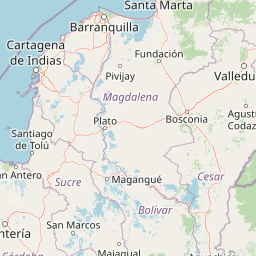
Map view of Rosario and San Bernardo Corals National Natural Park

Use this park location map to pinpoint Rosario and San Bernardo Corals National Natural Park in Colombia, understand its exact geographic position, and read its mapped placement within the surrounding landscape more clearly.

Pigeon | © OpenStreetMap contributors

Location context for Rosario and San Bernardo Corals National Natural Park

Bolívar DepartmentSucre Department
Park atlas

Map marine ecosystems and coastal conservation landscapes across Colombia's Caribbean region.

Discover Parks and Protected Areas Near Rosario and San Bernardo Corals National Natural Park
Browse national parks and protected areas near Rosario and San Bernardo Corals National Natural Park, including related marine ecosystems, island archipelagos, and coastal landscapes in Colombia's Caribbean region. Comparing these protected areas provides essential regional context, revealing the geographic spread of vital natural habitats and broader conservation efforts.
National parkMagdalena Department

Salamanca Island Road Park National Park: A UNESCO Biosphere Reserve of Coastal Wetlands and Mangroves

Explore its unique estuarine environment and abundant bird populations.

Salamanca Island Road Park, designated a National Park and UNESCO Biosphere Reserve, protects a crucial coastal wetland ecosystem in Colombia's Magdalena Department. Its landscape is defined by vast mangrove forests, tidal flats, and the unique meeting of the Magdalena River's fresh water with the Caribbean Sea's salinity. This park is a significant area for birdwatching, with hundreds of species inhabiting its estuarine environment, offering a key point of reference for understanding protected landscapes on the Caribbean coast.

Area
562 km²
Established
1964
IUCN
III
Relief
Lowland
National park

Tayrona National Natural Park: Protected Landscape and Biodiversity Atlas

Explore its unique geography, mapped terrain, and vital ecosystems.

Tayrona National Natural Park serves as a prime example of a protected natural landscape at the confluence of major geographic features. Situated in Colombia's Caribbean coast, it is defined by the foothills of the Sierra Nevada de Santa Marta rising towards the sea, creating a distinct regional geography. Users can explore its mapped boundaries, understand its ecological gradient from coastal zones to montane forests, and appreciate its significance as a vital conservation area with rich biodiversity.

Area
180 km²
Established
1964
IUCN
II
Visitors
545.8K annual
National parkVenezuela

Sierra de Perijá National Park: Protected Area in Venezuela's Geographic Atlas

Explore its national park boundaries and regional landscape context.

Sierra de Perijá National Park is a designated national park in Venezuela, representing a significant protected landscape within the country. This entry facilitates detailed atlas exploration, allowing users to understand the park's precise geographic scope, its mapped boundaries, and its connection to the surrounding regional geography. Discover the core identity of this protected area and its value for geographic study and mapped landscape analysis.

Area
2,952.88 km²
Established
1978
IUCN
II
Relief
Mountain
Wildlife reserveColombia

Los Flamencos Sanctuary Wildlife Reserve: Geographic Context and Protected Landscape

Mapped boundaries within Colombia's natural geography.

Los Flamencos Sanctuary is a designated wildlife reserve contributing to the protected landscapes of Colombia. This entry provides a detailed look at its geographic setting and mapped features, crucial for understanding its ecological significance and atlas placement. Explore the protected area's context within the diverse geography of South America, offering a structured perspective for landscape discovery.

Area
0.077 km²
Established
1977
Relief
Lowland
Climate
Tropical
National parkDarién Province

Darién National Park: Darién Province National Park Geographic and Map Exploration

Discover its protected landscape and regional geographic context.

Darién National Park serves as a key protected area within Darién Province, offering an essential focus for geographic and atlas-based discovery. This dedicated park detail page provides insights into its mapped boundaries and its significance as a national park. Users can explore the park's specific geographic footprint and its place within the regional landscape, facilitating a structured understanding of protected natural areas. Dive into the mapped terrain and conservation landscape context that defines Darién National Park for comprehensive atlas exploration.

Area
5,790 km²
Established
1980
IUCN
II
Relief
Mountain
Natural monumentColombia

Los Estoraques Unique Natural Area: Colombian Natural Monument of Eroded Pillars

Geographic Context and Landscape Atlas

Los Estoraques Unique Natural Area stands as a distinctive protected landscape within Colombia's Norte de Santander Department. This natural monument is renowned for its striking geological formations of eroded brownstone columns and pedestals, a unique erosional terrain set within the Andean foothills. The area's mapped boundaries encompass a complex ecosystem, bridging dry forest and cloud forest zones, offering significant value for understanding regional geography and the distribution of protected lands in South America.

Area
562 km²
Established
1988
IUCN
III
Relief
Mountain
National parkColombia

Las Orquídeas National Natural Park: Colombia's Biodiversity Hotspot and Andean Ecosystem Atlas

Explore its unique elevational gradient and protected terrain.

Las Orquídeas National Natural Park in Colombia is renowned for its dramatic elevational range, compressing multiple distinct ecosystems into a single protected area. This national park offers an exceptional view of Andean geography and Chocó biogeographic region biodiversity, transitioning from tropical rainforest to high-altitude páramo. Investigate the mapped landscape and the conservation significance of this unique natural treasure.

Area
287.53 km²
Established
1974
IUCN
II
Relief
Mountain
National parkPanamá Province

Chagres National Park: National Park Protected Landscape Atlas

Discover geographic boundaries and natural terrain context.

Chagres National Park is a crucial protected area situated in Panamá Province, Panama. This page serves as an atlas-style gateway to understanding its specific geographic identity, mapped boundaries, and the surrounding natural terrain. It is designed for users seeking detailed insights into the park's protected landscape and its contribution to regional geography and conservation mapping efforts.

Area
1,290 km²
Established
1985
IUCN
II
Relief
Upland

Common questions about visiting, size, designation, and location context for Rosario and San Bernardo Corals National Natural Park

Rosario and San Bernardo Corals National Natural Park FAQs for park facts, access, geography, and protected area context
Find quick answers about Rosario and San Bernardo Corals National Natural Park, including protected-area facts, park geography, trail and visitor context, and how the park fits into its surrounding country and regional landscape.
MoriAtlas Explorer

Continue Your Protected Areas Search Across the Global Atlas

Deepen your exploration by continuing the structured search for national parks and protected areas worldwide. Utilize the comprehensive filtering capabilities to compare different conservation landscapes and refine your understanding of global park geography. Discover more about the distribution and characteristics of protected natural areas.

Global natural geography