Why Danube Delta stands out
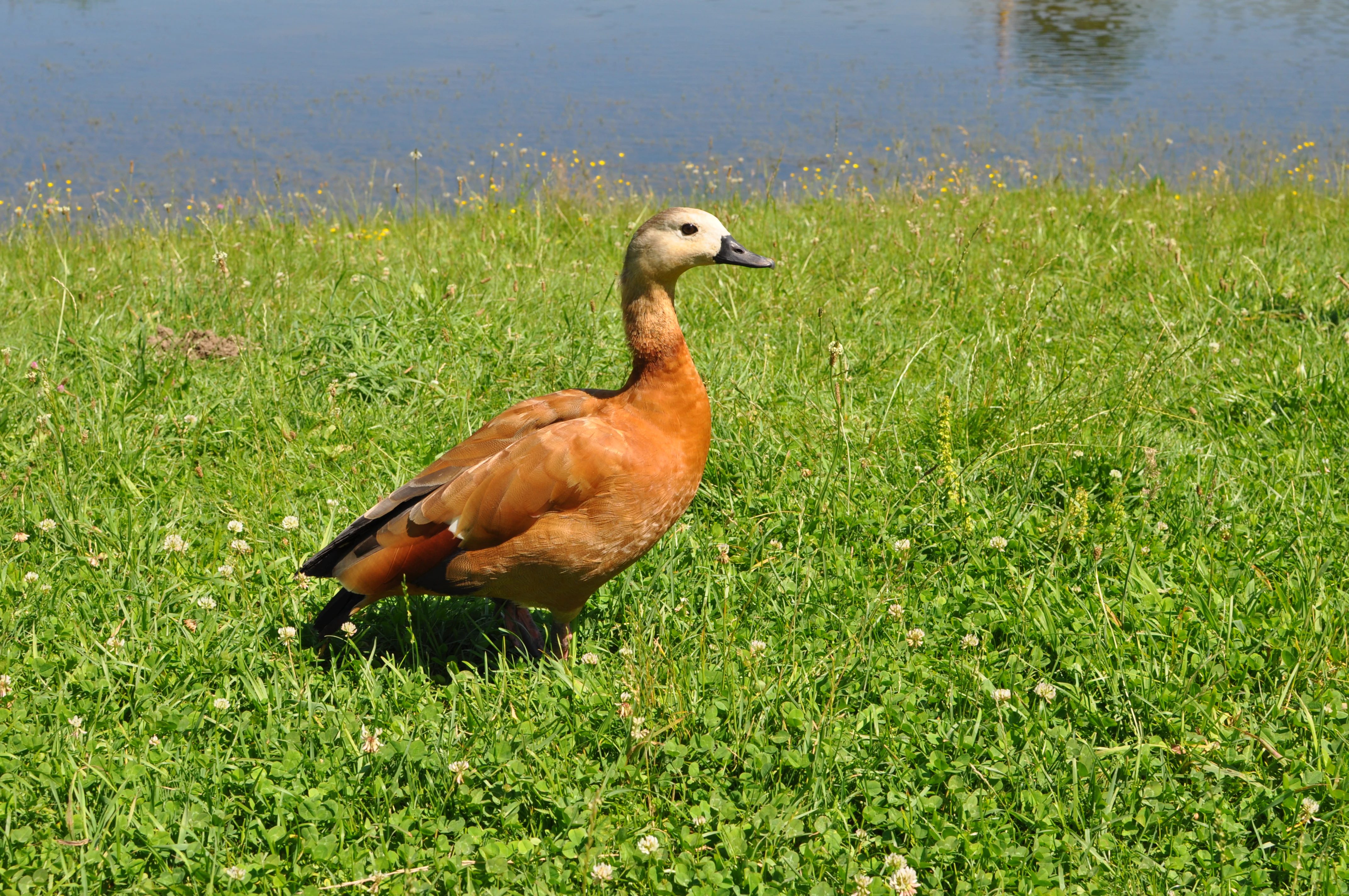
The Danube Delta is especially renowned for its extraordinary birdlife and status as Europe's premier bird migration corridor. The delta serves as a critical nesting, breeding, and wintering habitat for hundreds of bird species, including globally significant populations of Dalmatian pelican and great white pelican, the delta hosts the largest breeding colonies of these spectacular waterbirds in Europe. The wetlands support the largest colony of pygmy cormorants on the continent, along with dense populations of herons, egrets, spoonbills, and ibises. The mixing zone where fresh Danube waters meet the salty Black Sea creates unique 'beforedelta' ecosystems found only here, supporting fish species and marine life that thrive in these transitional conditions. The delta is also notable for its floating reed islands called 'plaur,' a distinctive landscape feature that provides crucial habitat for nesting waterbirds and fish.
Danube Delta history and protected-area timeline
The Danube Delta's recorded history stretches back to antiquity, when Dacian tribes inhabited the marshy terrain before Roman conquest. Following the Gothic invasions, the region experienced numerous political transitions over the centuries. The delta became part of the Ottoman Empire during the 15th century and remained under Ottoman control until the early 19th century.
The modern geopolitical boundaries took shape following a series of conflicts between the Russian and Ottoman Empires. After the Russo-Turkish War of 1806-1812, the Kilia and Old Stambul Channels of the Danube established the border between the two empires. The Treaty of Paris in 1856, which ended the Crimean War, assigned the Danube Delta to the Ottoman Empire while establishing an international commission to oversee navigation improvements. Following the Russo-Turkish War of 1877-1878, the border between Russia (and later Romania) and the Ottoman Empire was finalized along the Kilia and St. George Channels.
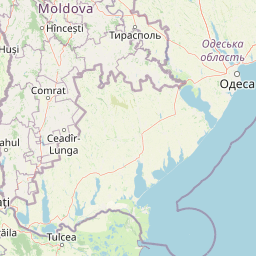
Conservation awareness developed gradually in the 20th century. The Romanian portion of the delta received protected status in 1938, while in Ukraine, the Danube branch of the Black Sea State Reserve was established in 1973, later reorganized as the Natural Reserve 'Danube Fluxes' in 1981. The delta achieved international recognition in 1991 when the Romanian portion was inscribed on the UNESCO World Heritage List. In 1998, under UNESCO's Programme on Man and the Biosphere, the 6,264 square kilometer Danube Delta was established as a transboundary biosphere reserve shared by Romania and Ukraine. Approximately 2,733 square kilometers of the delta are designated as strictly protected areas.
Danube Delta landscape and geographic character
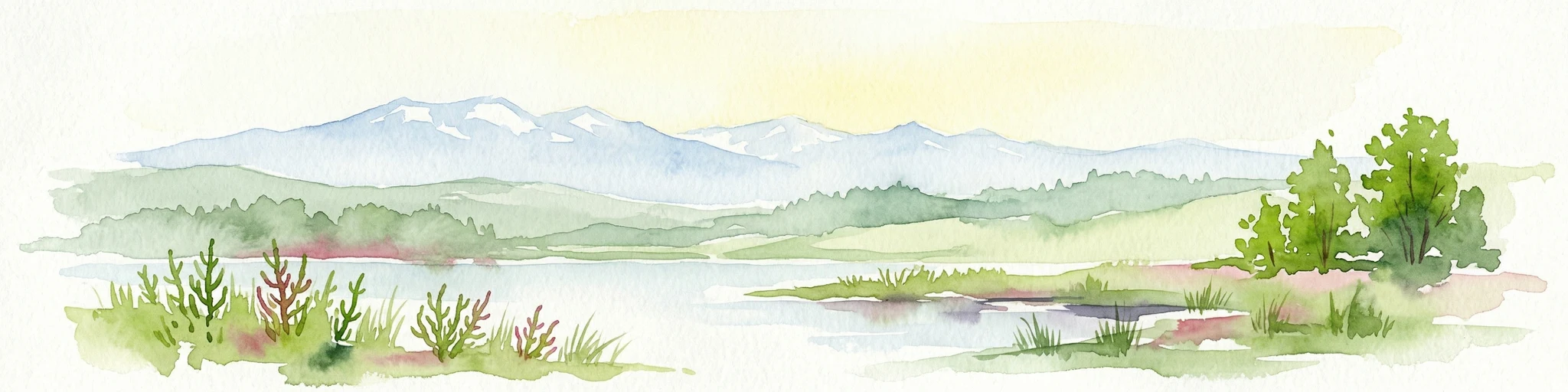
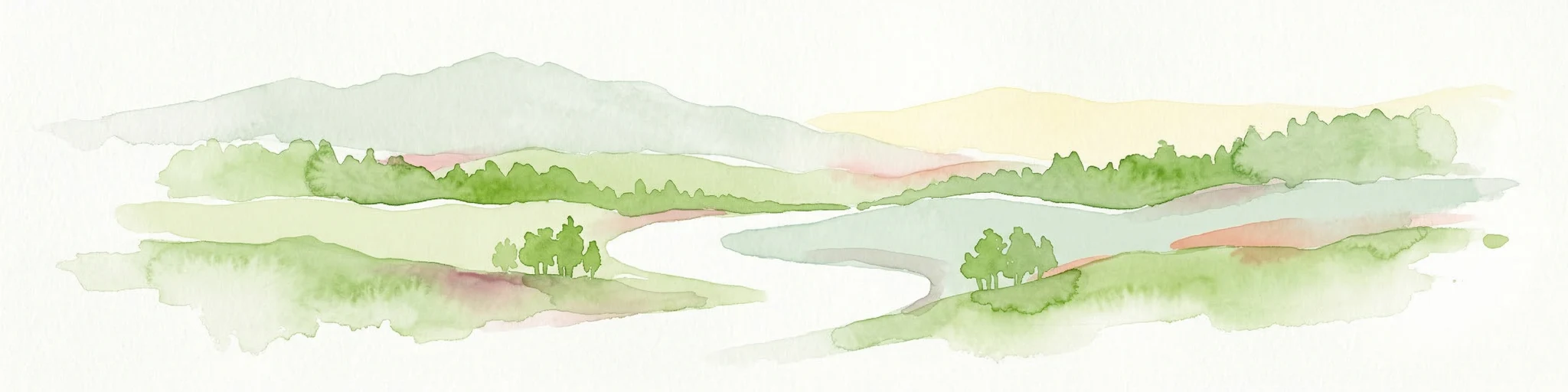
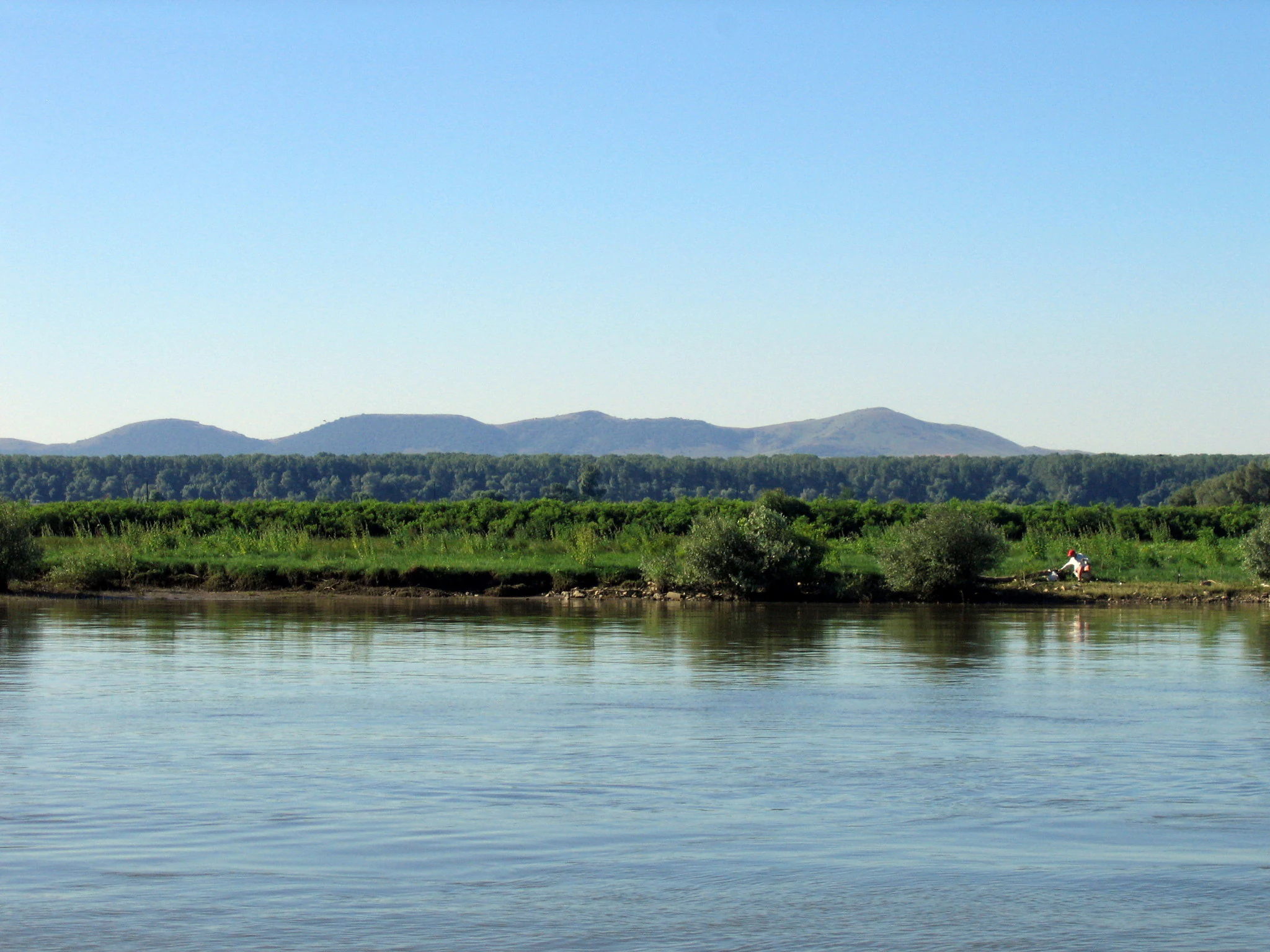
The Danube Delta presents a distinctive low-lying landscape of exceptional flatness and horizontal expanse. The terrain is essentially a flat alluvial plain, averaging just 0.52 meters above sea level, with roughly one-fifth of the territory actually below sea level in the lake and marsh depressions. This subtle topography is interrupted only by the higher ground of the natural levees that follow the major distributary channels and by isolated sand dune formations on the Letea and Caraorman strand plains, which rise to maximum heights of 12.4 meters and 7 meters respectively.
The landscape is defined by water in all its forms—innumerable channels, streamlets, lakes, ponds, and marshes create an intricate maze that shifts subtly with the seasons. Three main distributary arms divide the river's flow: the Chilia branch in the north, carrying approximately 60% of the water and sediment and still the most unspoiled of the three; the Sulina branch in the center, the shortest and most heavily modified for navigation; and the Sfântu Gheorghe in the south, the oldest and most sparsely populated. Between these major channels, a dense network of secondary waterways connects countless lakes and wetlands. The southern portion of the delta includes the extensive Razim-Sinoe lagoon complex, geologically and ecologically connected to the main delta body.
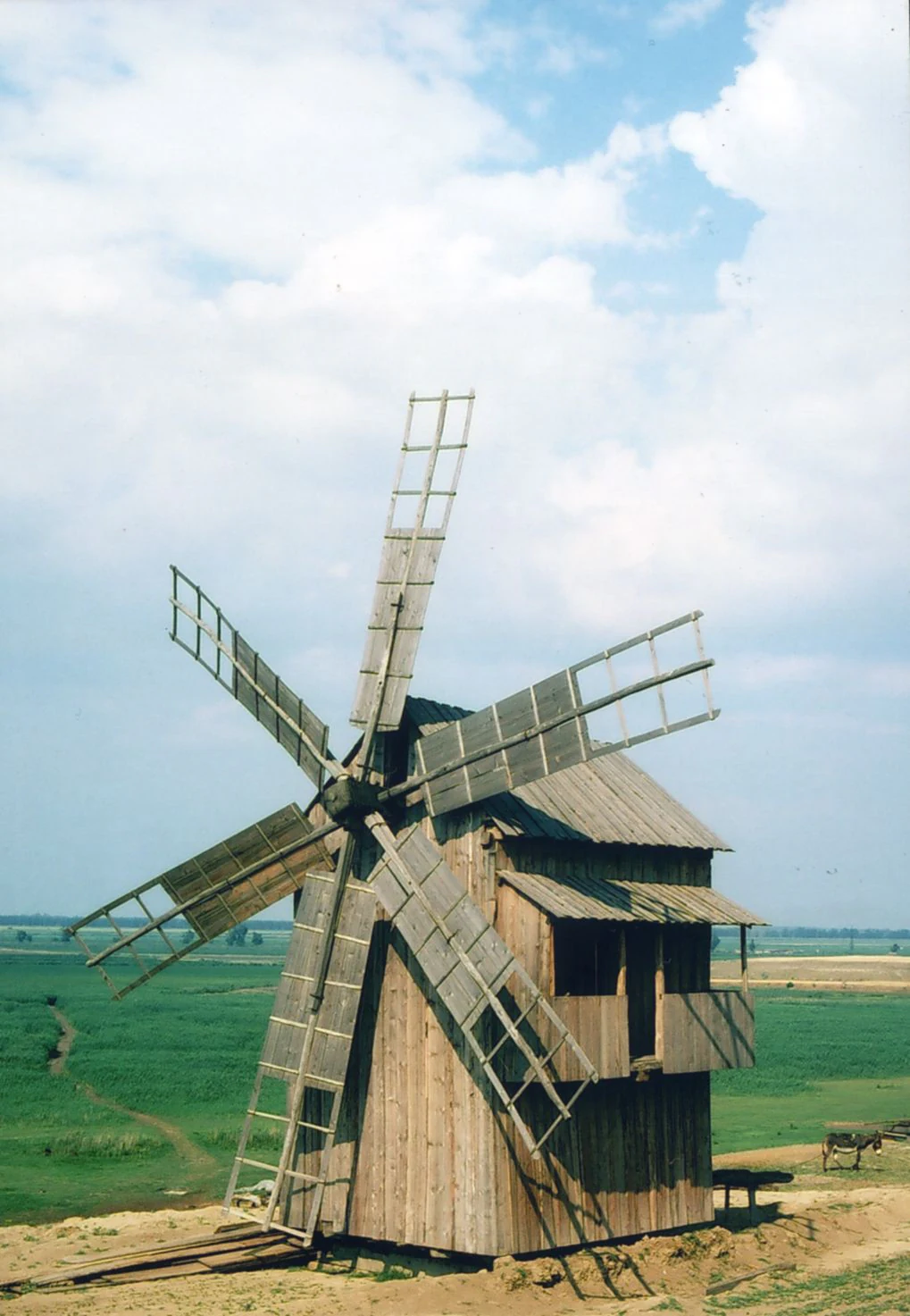
The vegetation pattern reinforces the horizontal character—vast reed beds dominate the wetland surfaces, interrupted by the darker green of willow and poplar galleries along water channels and the distinct forest patches of Letea and Caraorman, where mixed oak woodlands grow on the sand dune formations. The horizontal perspective extends to the horizon across open water bodies and reed beds, broken only by distant treelines or the occasional traditional windmill that remains an emblematic element of the delta landscape.
Danube Delta ecosystems, habitats, and plant life
The Danube Delta supports an extraordinary diversity of ecosystems and habitats within its relatively compact area. The delta falls within the Pannonian steppe ecosystem of eastern Europe but exhibits strong Mediterranean influences due to its position at the crossroads of continental and maritime climate zones. This unique environmental setting has produced 23 distinct natural ecosystems, ranging from deep freshwater lakes to brackish coastal waters, from dense reed marshes to dry sand dune woodlands.
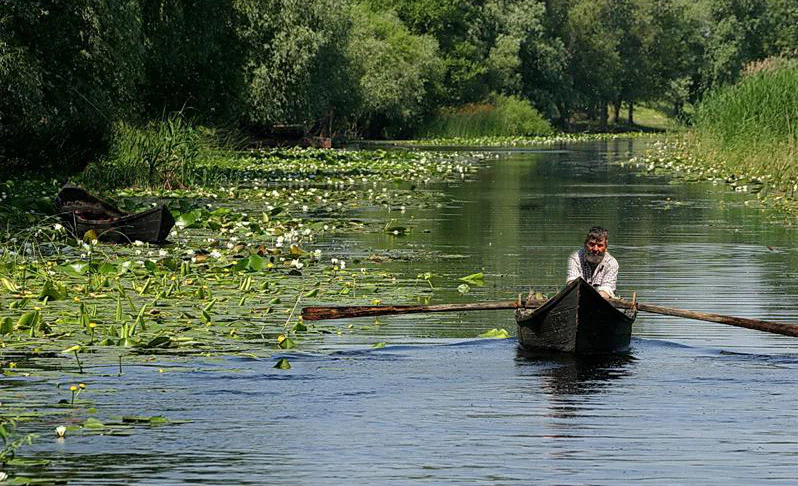
The aquatic environment dominates the delta, encompassing both flowing water systems—the main distributaries and their tributaries—and stagnant water bodies of various sizes. The running water ecosystem hosts rich communities of plankton, worms, mollusks, and fish including carp, pike, pike perch, and critically important populations of Danube sturgeons. The stagnant water environment supports extensive submerged and floating vegetation—the white water lily, yellow water lily, water chestnut, and numerous other aquatic plants—while providing crucial spawning and nursery habitat for fish populations.
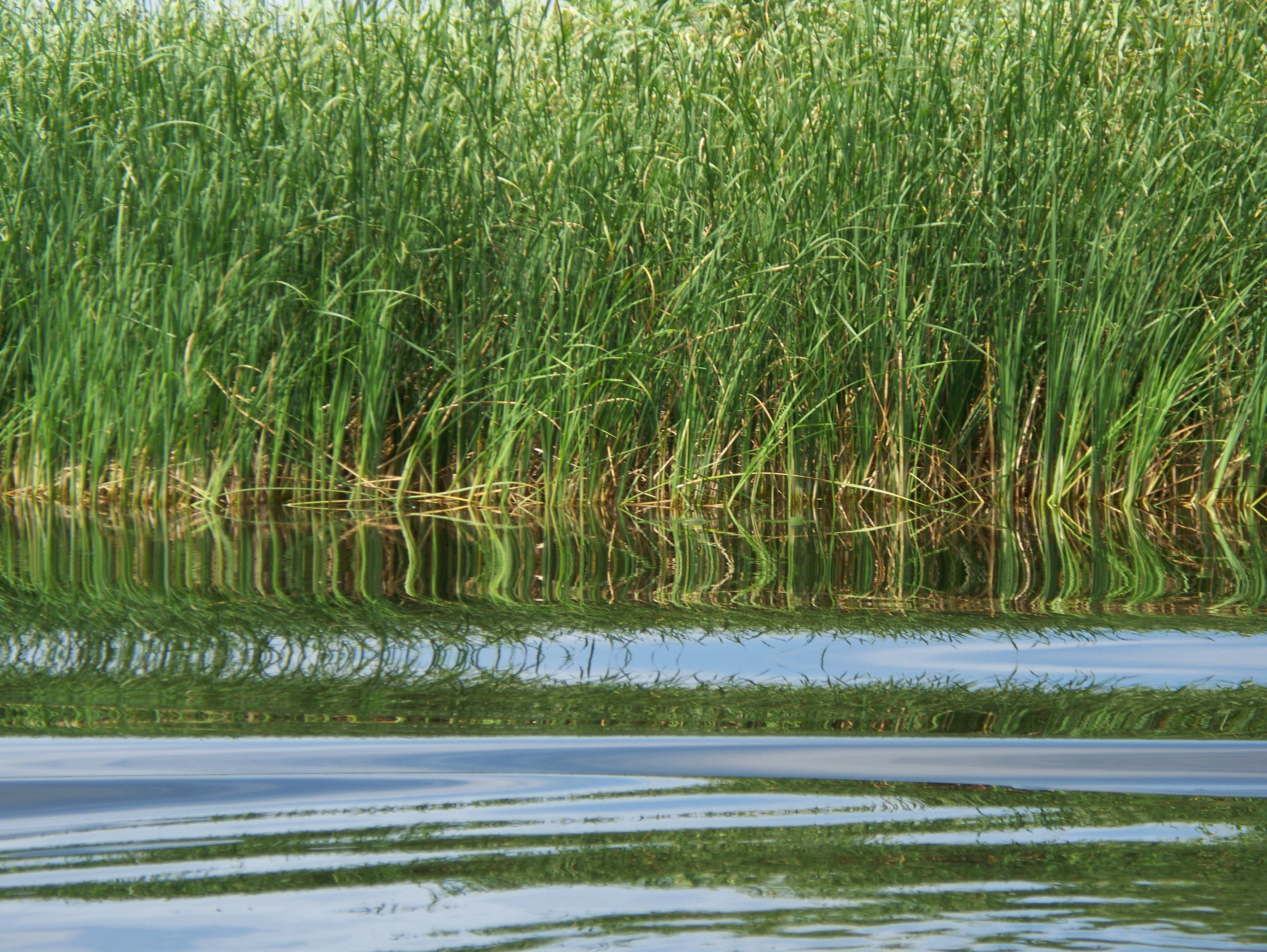
The marshy and flooding areas constitute perhaps the delta's most characteristic landscape, where common reed forms vast stands that fringe water bodies and gradually invade open water surfaces. These reed beds are interspersed with floating reed islands known locally as 'plaur,' composite structures of living root material, soil, and vegetation that drift with water level changes. The interface between aquatic and terrestrial environments produces seasonally variable conditions to which many species have evolved specialized adaptations. On the higher ground of the levees, where soil is drier and sandier, xerophile plant communities thrive alongside mixed oak forests in the protected depressions between dunes.
Danube Delta wildlife and species highlights
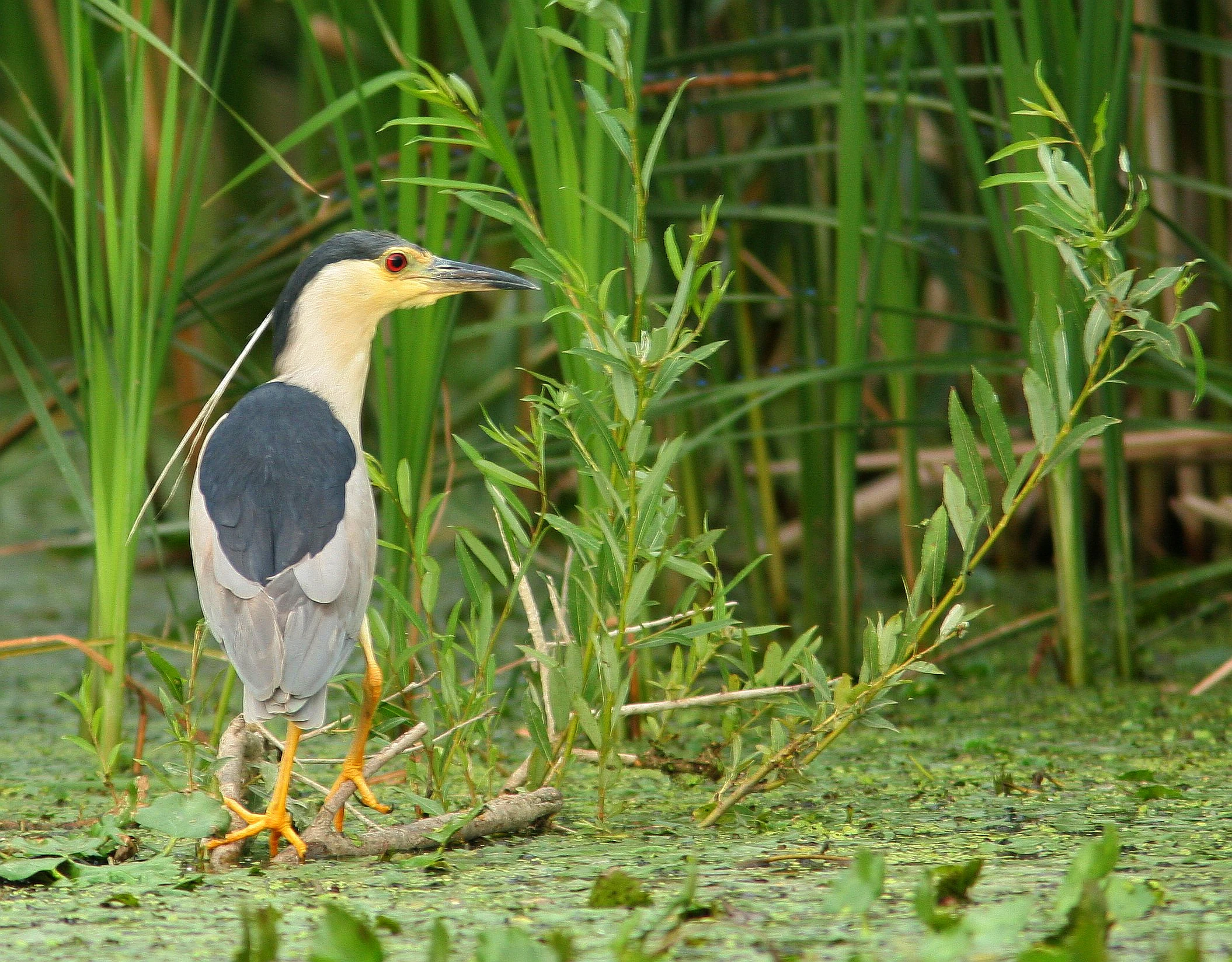
The Danube Delta's wildlife is distinguished above all by its extraordinary bird populations, making it one of Europe's most important bird habitats and a critical node on the East Atlantic Flyway migratory route. More than 320 bird species are recorded in the delta during summer, including 166 species that nest here. The delta's significance for waterbirds is global in scope—over one million individual birds winter in the delta, drawn from breeding populations spanning from the Arctic to Mediterranean regions and from Western Europe to Central Asia.
The delta hosts the largest breeding colonies of Dalmatian pelican and great white pelican in Europe, with colonies of several thousand pairs gathering at traditional nesting sites. The pygmy cormorant breeds here in numbers representing the species' most important European population. The wetlands support diverse heron and egret populations—grey heron, purple heron, great white egret, little egret—along with the globally significant Eurasian spoonbill and glossy ibis. During migration, the delta hosts impressive concentrations of ducks, swans, and coots, with species including the red-crested pochard, tufted duck, and mute swan present in significant numbers.
The delta's fish fauna includes approximately 45 freshwater species, with the most economically important being pike, carp, perch, and the various sturgeon species that once supported significant commercial fisheries. The mammalian fauna, though less conspicuous, includes species adapted to wetland environments—Eurasian otter, European mink, and wild boar are regularly encountered, while the delta's grasslands support populations of the steppe-dwelling European hare and, increasingly rarely, wolf and fox. The reptile and amphibian communities include the European pond turtle and the Danube subspecies of the great crested newt, both of conservation concern.
Danube Delta conservation status and protection priorities
The Danube Delta holds exceptional conservation significance at both European and global levels, recognized through multiple layers of international protection. Its UNESCO World Heritage inscription in 1991 acknowledged the delta as a natural site of outstanding universal value, while the 1998 designation as a transboundary biosphere reserve under UNESCO's Man and the Biosphere Programme established a framework for integrated conservation and sustainable development across the Romanian-Ukrainian boundary. The delta is also designated as a Ramsar Wetland of International Importance, with the Romanian portion receiving this recognition in 1991.
The conservation value stems from the delta's combination of biodiversity richness, ecological integrity, and representativeness. As Europe's largest and best-preserved delta system, it provides habitat for numerous species of European conservation concern, including globally significant breeding populations of pelicans, cormorants, and herons. The delta's 23 natural ecosystems represent a comprehensive cross-section of wetland and associated terrestrial habitats. Approximately 2,733 square kilometers are designated as strictly protected areas within the Romanian portion alone, while the broader biosphere reserve encompasses 6,264 square kilometers.
Despite these protections, the delta faces significant conservation challenges. Hydrological modifications through dam construction on the Danube and its tributaries have reduced sediment delivery, creating a sediment deficit that threatens the delta's long-term stability and natural growth. Channel corrections and dredging for navigation have altered flow patterns and affected fish migration and breeding. Historical agricultural conversion and ongoing pollution from upstream sources continue to impact ecosystem health. Conservation efforts now focus on restoring natural hydrological processes where possible, managing sustainable fisheries, and balancing tourism development with habitat protection.
Danube Delta cultural meaning and human context
The Danube Delta has been inhabited for millennia, though its harsh conditions and relative isolation have always made it a region of low population density. Today, approximately 20,000 people live on the Romanian side of the delta, distributed across scattered villages with an average density of just two persons per square kilometer. The largest settlement is the port town of Sulina, with around 4,600 residents, while the gateway city of Tulcea, at the delta's western edge, serves as the regional administrative center.
The delta's population reflects centuries of migration and cultural exchange. Romanians comprise approximately 80% of the population, while Ukrainians represent about 10%. A distinctive community is the Lipovans, descendants of Orthodox Old Rite followers who fled religious persecution in Russia during the 18th century and maintained their traditional lifestyle and religious practices. Greek, Turkish, and Bulgarian minorities also have historical roots in the region. The multi-ethnic character is reflected in the linguistic landscape, with fishing terminology particularly showing this cultural blending.
Traditional livelihoods centered on fishing, reed harvesting, and increasingly on wildlife-based tourism. The floating reed islands and extensive reed beds have historically supported commercial reed harvesting, while the delta's fish populations sustained fishing communities. Subsistence agriculture exists on the higher ground of the levees. The delta's isolation has paradoxically helped preserve traditional cultural practices and a distinctive semi-nomadic lifestyle based on seasonal movement across the wetland landscape, though modernization and infrastructure development are increasingly affecting these traditional patterns.
Top sights and standout views in Danube Delta
The Danube Delta stands as Europe's premier wetland wilderness, a place where the familiar geography of a major European river gives way to a labyrinthine world of marshes, channels, and open water that supports one of the continent's richest concentrations of wildlife. The delta's significance is magnified by its position at the crossroads of major bird migration routes, hosting over one million wintering waterbirds and supporting the largest breeding colonies of Dalmatian and great white pelicans in Europe. The landscape's flat horizontality, broken only by distant treelines and the iconic silhouettes of traditional windmills, creates a unique visual character unlike any other European landscape.
The delta's UNESCO World Heritage status and its dual designation as a Ramsar site and biosphere reserve reflect its outstanding universal value as both a natural treasure and a living landscape where conservation and traditional human use coexist. The mixing of fresh and saltwater at the delta's edge produces unique ecological conditions—the 'beforedelta' ecosystem—that exist nowhere else, supporting species assemblages adapted to these transitional waters. Perhaps most remarkably, the delta remains a dynamic, evolving landscape, one of the few deltas in the world still actively growing through ongoing sediment deposition.
Best time to visit Danube Delta
The Danube Delta can be visited year-round, though each season offers a distinctly different experience. Spring and early summer—from May through June—represent the most vibrant period for wildlife observation, as nesting birds occupy colonies across the delta and the landscape is flushed with fresh green growth. Water levels are typically higher in spring, allowing easier access to deeper channels and lake areas by boat. This is also when pelican colonies are most active, with adults tending newly hatched chicks at traditional nesting sites.
Autumn migration, particularly September and October, brings spectacular bird concentrations as hundreds of thousands of waterfowl stage in the delta before continuing south. The autumn landscape takes on golden and amber tones as the reeds begin to yellow, creating particularly beautiful light conditions for photography. Winter, while cold and quiet, offers a stark and different perspective—the frozen wetlands and snow-dusted reed beds provide a dramatic counterpoint to the summer abundance, though boat access is limited and many services are reduced.
Summer months (July and August) bring the warmest conditions and the highest visitor numbers, particularly from Romanian tourists. The warm weather makes swimming possible in some lake areas, and the long days allow extensive exploration. However, this is also when mosquitoes are most prevalent, and some wetland areas become more difficult to access as water levels decline. The shoulder seasons of May-June and September-October generally offer the best balance of wildlife viewing conditions, comfortable weather, and fewer visitors.