Why Forollhogna National Park stands out
Forollhogna National Park is best known for two interrelated features: its distinctive landscape of gently rolling alpine mountains and its significant population of wild reindeer. The gentle, accessible terrain distinguishes this park from many other Norwegian mountain areas, making it ecologically unique. The reindeer herds that roam the park represent an important remnant of Scandinavia's wild reindeer populations, which have declined significantly in recent decades. This combination of gentle topography, ecological importance, and ongoing agricultural traditions creates a landscape of significant cultural and natural value.
Forollhogna National Park history and protected-area timeline
Forollhogna National Park was formally established on 21 December 2001, becoming Norway's nineteenth national park. The designation came as recognition of the area's combination of ecological significance, distinctive landscape character, and ongoing cultural traditions. The park was created through the Norwegian parliament's approval process, under the governance of what is now the Norwegian Directorate for Nature Management. The establishment followed growing recognition that the gentle mountain landscape and its associated ecosystems needed formal protection, while also acknowledging that the region's farming traditions had shaped an important cultural landscape worthy of preservation. The park's creation represented a balance between ecological conservation and recognition of the centuries-old relationship between local communities and the mountain environment.
Forollhogna National Park landscape and geographic character
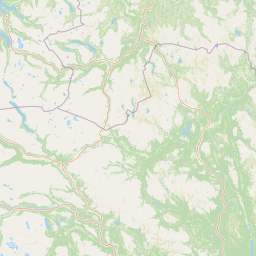
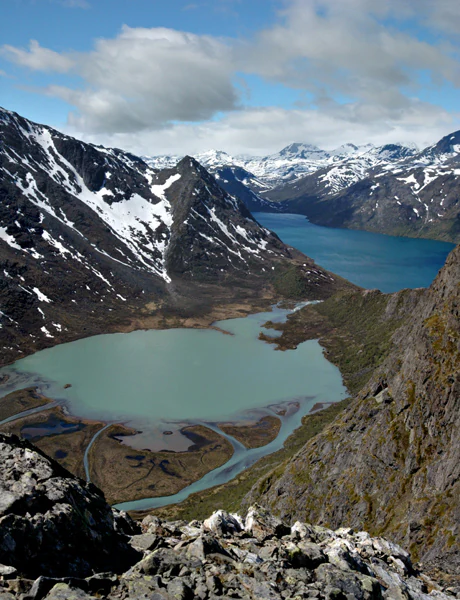
The landscape of Forollhogna National Park is defined by its gently rolling alpine terrain, a characteristic that gives the area its local nickname of 'the gentle mountains.' Unlike the sharp peaks and dramatic ridges found in many Norwegian mountain regions, the terrain here consists of smooth, flowing slopes that rise gradually from the valley floors. This gentle topography creates an environment where the transition from fertile valley farmland to alpine terrain feels natural and gradual rather than abrupt. The surrounding valleys contain thriving agricultural communities whose farming traditions have shaped the cultural landscape over centuries. Summer mountain farms, some still actively used today, dot the landscape and represent a transhumance tradition that has been practiced in this region for generations.
Forollhogna National Park ecosystems, habitats, and plant life
The park encompasses extensive plant communities adapted to the alpine environment, reflecting the diversity of Norway's mountain ecosystems. The vegetation varies with elevation, from valley grasslands through shrub zones to alpine heaths and moss-lichen communities at higher elevations. The gentle terrain and relatively accessible landscape have allowed plant communities to thrive in ways that might be disrupted in more extreme mountain environments. The ecological character of the park supports a functioning alpine ecosystem that includes not only the visible plant life but also the underlying soil systems, water catchments, and microhabitats that together maintain the area's ecological integrity.
Forollhogna National Park wildlife and species highlights
Wild reindeer represent the most significant wildlife species in Forollhogna National Park, with the park serving as an important range for these iconic animals. The reindeer populations in this area are part of the broader Scandinavian wild reindeer population, which has faced significant pressures from habitat fragmentation and human activity in recent decades. The park provides crucial habitat that allows these herds to maintain their traditional migration patterns and seasonal movements. Beyond reindeer, the alpine environment supports a range of bird species adapted to open mountain terrain, as well as smaller mammals that occupy the various habitat zones within the park.
Forollhogna National Park conservation status and protection priorities
Forollhogna National Park was established specifically to protect the area's ecological values, with wild reindeer conservation being a primary motivation. The park forms part of Norway's network of protected areas that aim to preserve representative examples of the country's natural landscapes and ecosystems. The protection status helps ensure that the reindeer herds can continue their traditional patterns of movement and use across the landscape without the pressures that have reduced wild reindeer populations elsewhere in Scandinavia. Beyond the reindeer-focused conservation goals, the park also protects the broader alpine ecosystem, including plant communities and the cultural landscape that has developed through centuries of traditional farming use.
Forollhogna National Park cultural meaning and human context
The Forollhogna region has been inhabited and used by human communities for centuries, with the landscape reflecting this long relationship between people and place. The practice of transhumance—seasonal movement of livestock to mountain pastures during summer months—remains active in many of the villages surrounding the park. These summer mountain farms, some still operational today, represent a traditional land-use pattern that has shaped both the cultural landscape and the ecological character of the area. The villages within and adjacent to the park maintain connections to the land that extend back generations, creating a cultural context in which natural and cultural values are intertwined.
Top sights and standout views in Forollhogna National Park
Forollhogna National Park offers a distinctive Norwegian mountain experience characterized by accessible alpine terrain, significant wildlife viewing opportunities focused on wild reindeer, and an living cultural landscape where traditional farming practices continue. The gentle mountains provide an unusual contrast to Norway's more dramatic high peaks, creating an environment suitable for visitors seeking to experience Scandinavian alpine nature in a more welcoming setting. The combination of ecological protection, cultural preservation, and landscape character makes this park representative of Norway's approach to balancing conservation with sustainable use of mountain environments.
Best time to visit Forollhogna National Park
The summer months represent the most favorable time to experience Forollhogna National Park, when the alpine terrain is accessible and the traditional mountain farms are active. During this season, visitors can observe the ongoing agricultural traditions that shape the cultural landscape while exploring the park's trails and viewpoints. The warmer months also bring the full expression of the park's plant communities and make wildlife observation more accessible. Winter visits offer a different perspective on the landscape, though conditions are more challenging and access is more limited.