
Why Karkonosze National Park stands out
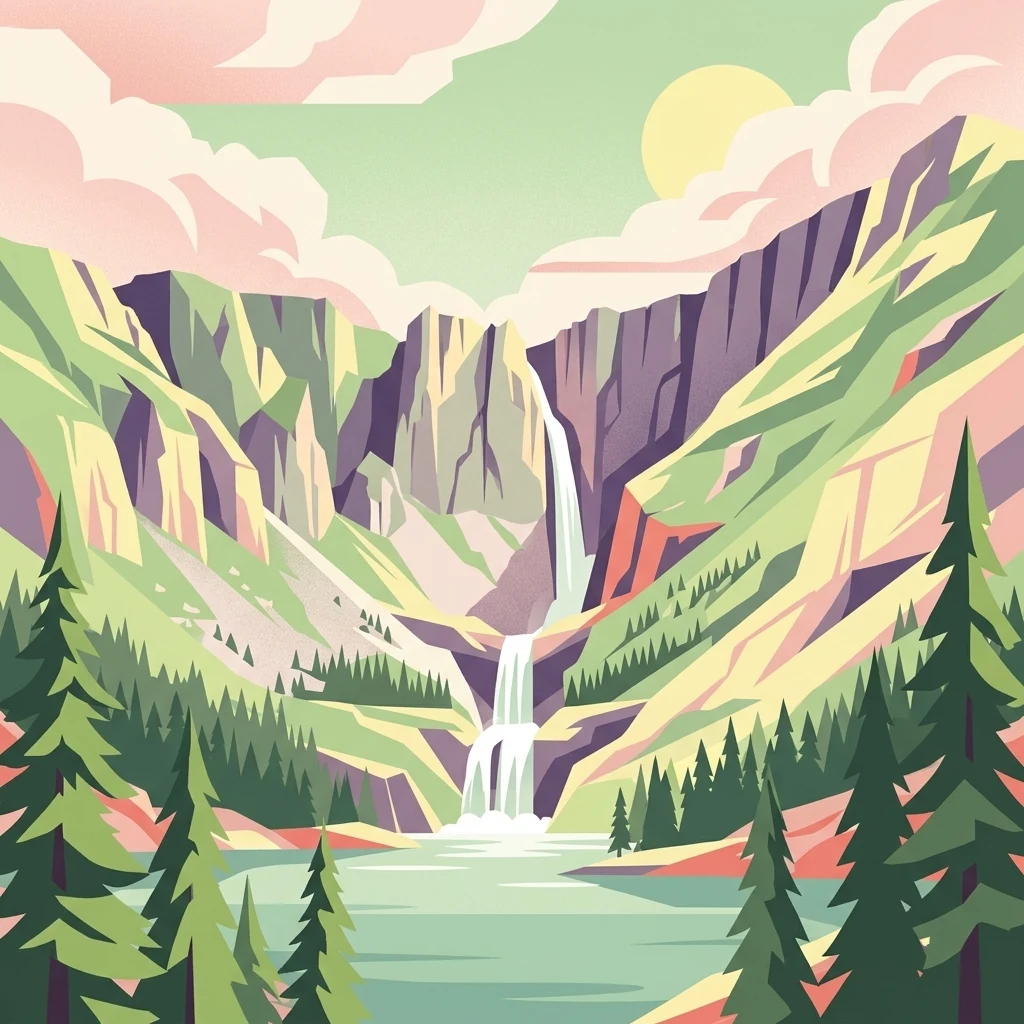
Karkonosze National Park is best known for its dramatic alpine terrain and the distinctive glacial landscape of the Giant Mountains. The park features the highest peaks in the Polish Sudetes, including Śnieżka, which stands as the tallest mountain in the entire Czech-Polish border region. The park's famous glacial cirques, particularly those on the northern slopes, represent some of the finest examples of Pleistocene glaciation in Central Europe. The unique subalpine and alpine ecosystems, including the rare Krkonoše alpine meadows and the distinctive mountain pine communities, distinguish this park from other protected areas in the region. Winter sports infrastructure around Karpacz has also made the park area a well-known destination for skiing and mountaineering.
Karkonosze National Park history and protected-area timeline
The history of formal protection in the Karkonosze mountains began in the early twentieth century, when growing concern about deforestation and resource exploitation led to initial conservation efforts. The park was formally established in 1979, consolidating earlier protected designations that had sought to preserve the most ecologically significant portions of the mountain range. The establishment came during a period of increased environmental awareness in Poland and reflected recognition that the unique alpine ecosystems of the Sudetes required dedicated protection. Since its creation, the park has faced challenges related to air pollution, particularly from industrial sources in the neighboring Czech Republic and Germany, which affected the health of the mountain forests during the late twentieth century. Ongoing management efforts have focused on restoring damaged ecosystems and mitigating the impacts of recreational use. The park also maintains the cultural heritage of the region, preserving evidence of historical mining operations, traditional settlement patterns, and the mountain farming practices that have shaped the landscape over generations.
Karkonosze National Park landscape and geographic character
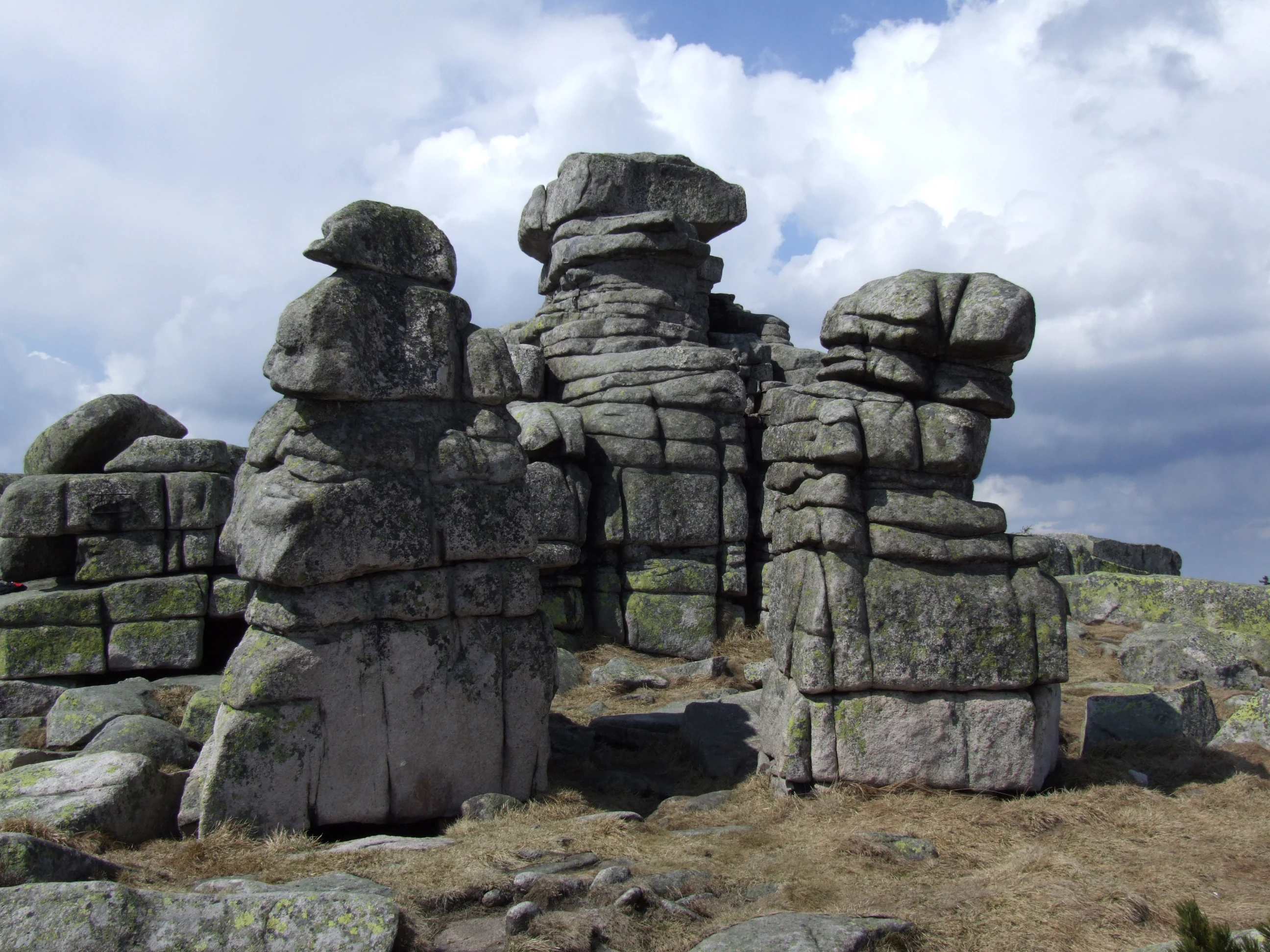
The landscape of Karkonosze National Park is defined by its alpine character and the legacy of glacial processes that shaped the Giant Mountains during the Pleistocene epoch. The terrain features classic U-shaped valleys, terminal and lateral moraines, and dramatic glacial cirques that create a landscape of exceptional scenic value. The granite bedrock, exposed in numerous tors and rock formations, gives the mountains their distinctive appearance and provides important habitat for specialized rock-dwelling species. The park's highest terrain follows the main ridge, which forms the watershed between the Elbe and Oder river basins. Elevations range from approximately 400 meters in the lower valleys to over 1,600 meters at Śnieżka, creating a substantial vertical relief that contributes to the park's ecological diversity. The northern slopes tend to be steeper and more rugged, while the southern approaches feature more gentle gradients. Characteristic features include the string of glacial lakes known as the Karkonosze Lakes, the peat bogs that occupy depressions in the high terrain, and the distinctive snow beds that persist well into the summer in sheltered locations.
Karkonosze National Park ecosystems, habitats, and plant life
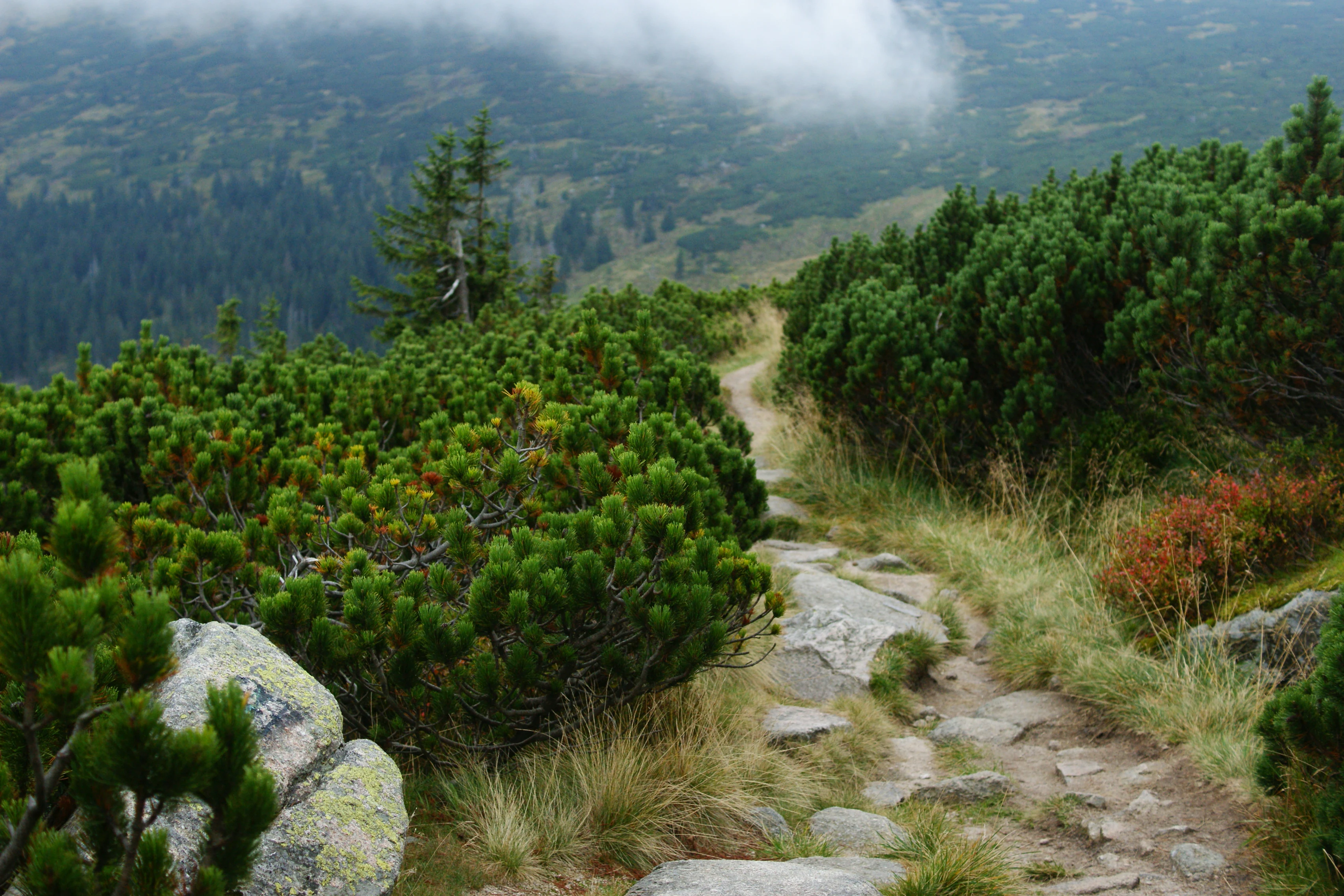
The nature of Karkonosze National Park is distinguished by its vertical zonation of habitats, which creates a remarkable diversity of ecological communities within a relatively limited area. The forest zone, which occupies the lower and middle elevations, consists primarily of mixed deciduous and coniferous forests with species such as Norway spruce, European beech, and silver fir. As elevation increases, the forests give way to subalpine communities dominated by mountain pine and Norway spruce, which often assume stunted forms due to exposure to harsh weather conditions. The alpine zone, found only at the highest elevations, features characteristic open communities of low-growing plants adapted to extreme conditions, including various dwarf shrubs, herbaceous plants, and specialized grasses. The park's position at the meeting point of different climatic influences contributes to its botanical diversity, with species arriving from both the Alps and the Carpathians. Peat bogs and mountain streams add further ecological complexity, supporting specialized aquatic and wetland communities.
Karkonosze National Park wildlife and species highlights
The wildlife of Karkonosze National Park reflects the park's position at the crossroads of different biogeographical regions and its diverse habitat structure. The forests support populations of roe deer and red deer, though larger mammals such as lynx and wolves are present in lower densities and tend to inhabit the more remote areas. The park is notable for its bird fauna, with species such as the golden eagle and peregrine falcon nesting in the rocky terrain, while forest-dwelling species including various tit species, woodpeckers, and thrushes occupy the woodland zones. The high-altitude meadows provide breeding habitat for several species of Alpine accentor and the Krkonoše subspecies of the dotterel. The park's streams and lakes support populations of brown trout and other cold-water fish, while the invertebrate fauna includes several species of butterflies and other insects that are characteristic of mountain habitats. The relatively harsh climate and short growing season limit the overall diversity of wildlife compared to lower-elevation areas, but the species that occur here are often highly specialized and of conservation significance.
Karkonosze National Park conservation status and protection priorities
Karkonosze National Park represents one of the most important conservation areas in the Polish Sudetes, protecting a mountain landscape that has been significantly modified by human activity in surrounding areas. The park's conservation significance derives from its role as a refuge for alpine species that have been displaced from lower elevations and its function as a corridor for species migration along the mountain chain. The protected area forms part of a transboundary conservation network that includes Krkonoše National Park on the Czech side, enabling coordination in managing shared ecosystems and populations. Conservation challenges include managing the impacts of tourism and recreation, particularly in the popular Karpacz area, addressing the legacy of historical pollution that damaged forest health, and monitoring the effects of climate change on alpine ecosystems. The park's management also addresses the maintenance of traditional pastoral practices that help preserve the open character of the alpine meadows, which would otherwise succeed to forest without active management.
Karkonosze National Park cultural meaning and human context
The cultural context of Karkonosze National Park reflects centuries of human presence in the Giant Mountains, where communities developed distinctive traditions adapted to the challenging mountain environment. The area has a history of mining, particularly for iron ore and precious metals, with abandoned mine workings still visible in some locations. Traditional mountain farming practices, including seasonal grazing of sheep and cattle in the high meadows, have shaped the landscape over generations and continue to influence park management. The villages surrounding the park, including Karpacz and Szklarska Poręba, have developed as tourist destinations since the late nineteenth century, establishing a tradition of mountain recreation that remains important to the regional economy. The mountain communities have also preserved folk traditions, including distinctive architectural styles and cultural practices that distinguish the region from the surrounding lowlands. The park contains several heritage sites that document this human history, though the primary focus of conservation remains on the natural values of the mountain landscape.
Top sights and standout views in Karkonosze National Park
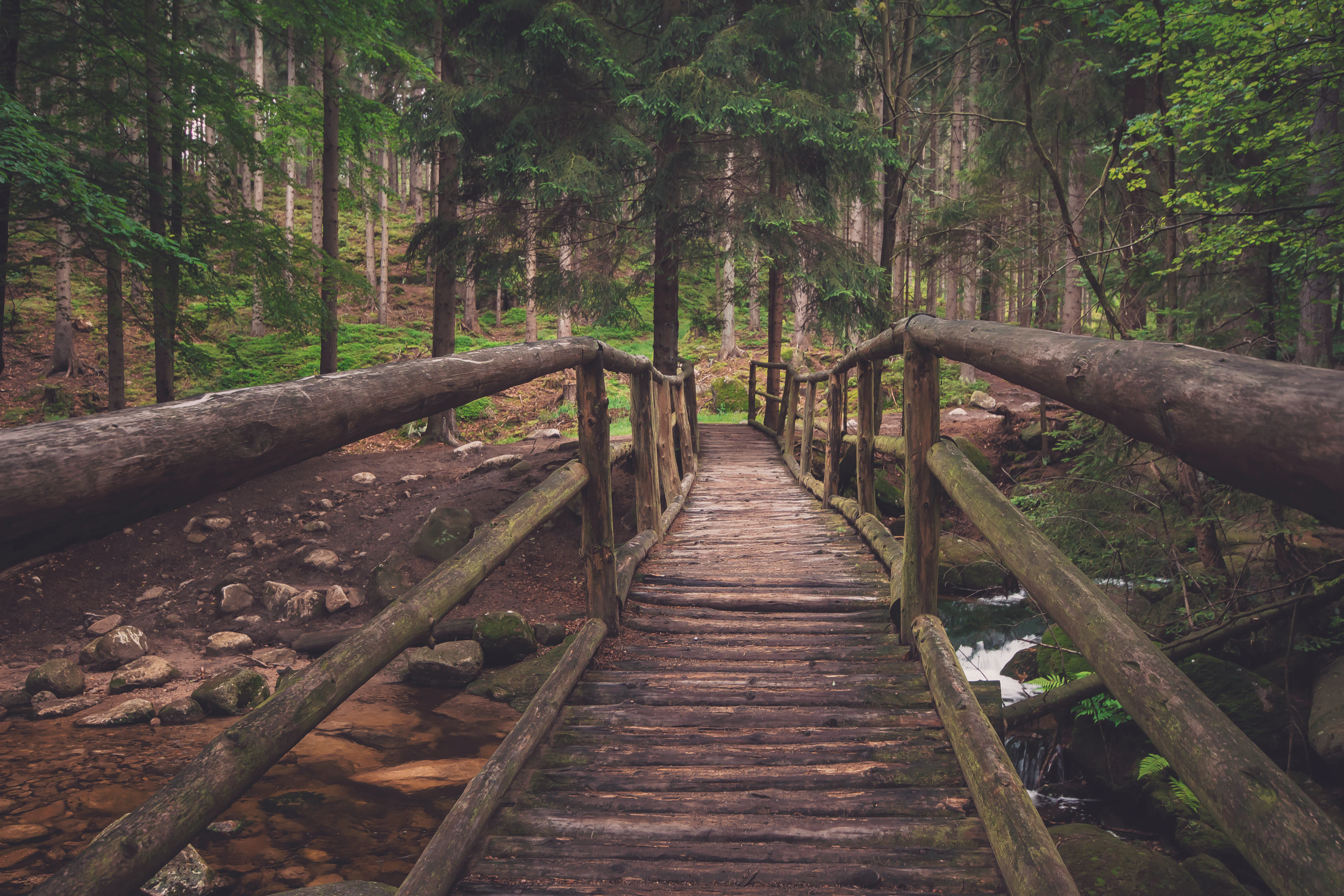
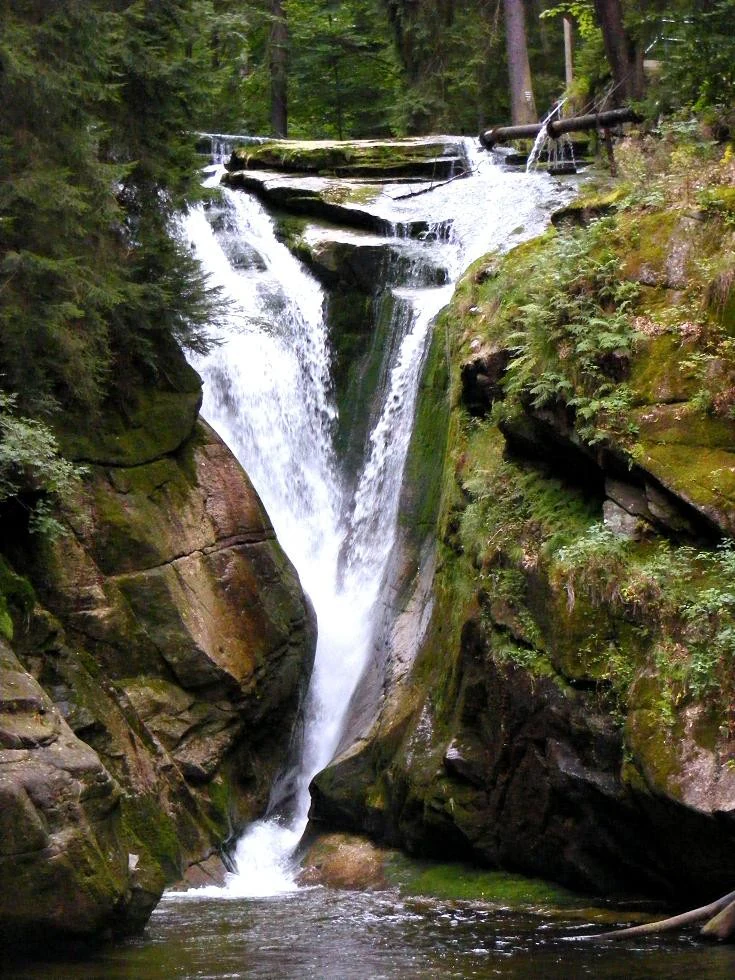
The highlights of Karkonosze National Park include the dramatic summit of Śnieżka, which offers panoramic views across the entire Giant Mountains range and into the surrounding Czech and Polish landscapes. The glacial cirques on the northern slopes, particularly those visible from the main ridge trail, represent some of the most spectacular glacial terrain in Central Europe. The mountain lakes and peat bogs of the high terrain provide distinctive wetland scenery and support unique ecological communities. The distinctive Krkonoše alpine meadows, with their characteristic flora and the traditional pastoral practices that maintain them, represent a cultural landscape of high conservation value. Visitors can explore the network of marked trails that traverse the park, including routes through the dramatic Kocioł Łomniczki valley and along the main ridge connecting the Polish and Czech sections of the range. The winter landscape, with its deep snow cover and excellent skiing conditions, offers another dimension of the park's appeal.
Best time to visit Karkonosze National Park
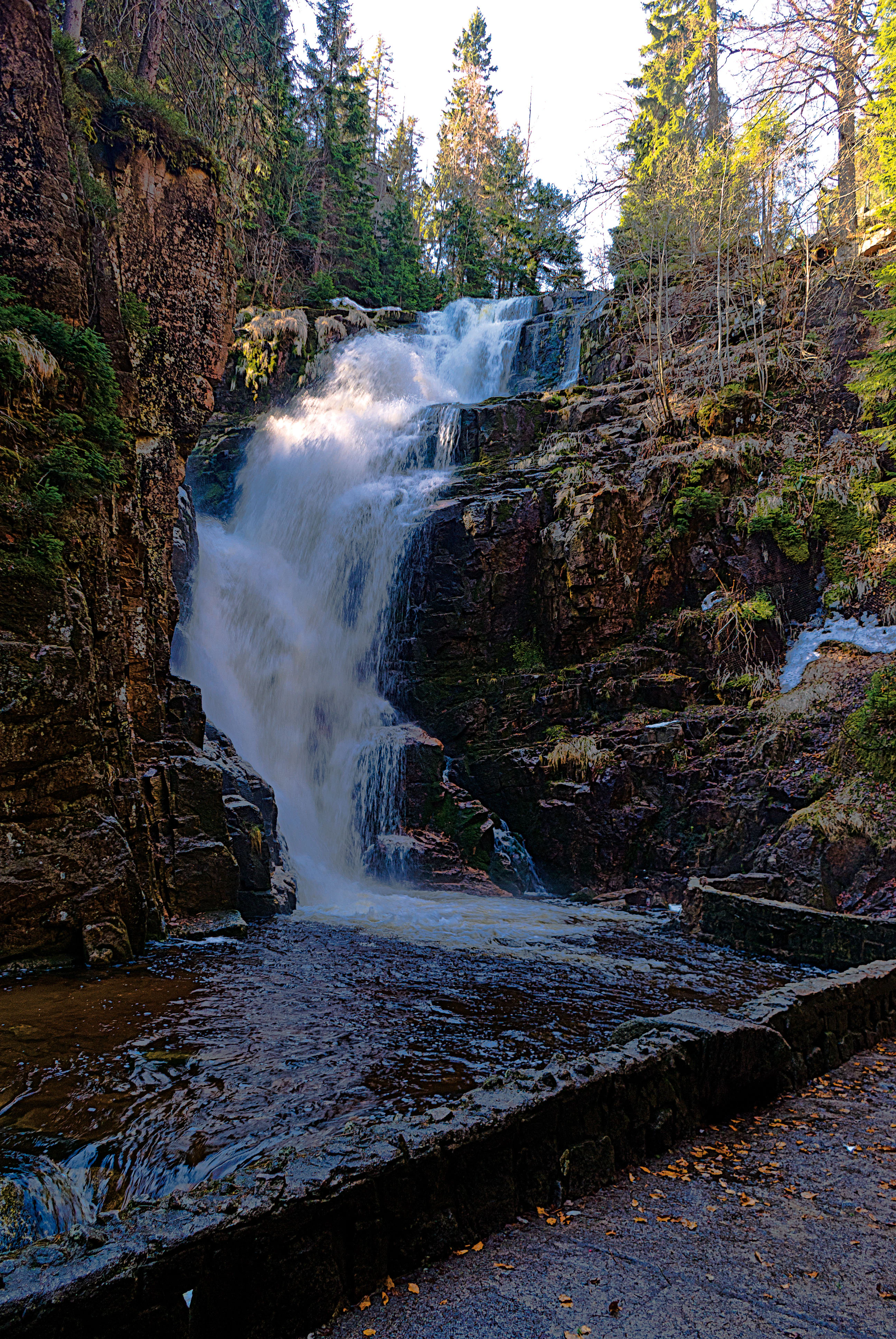
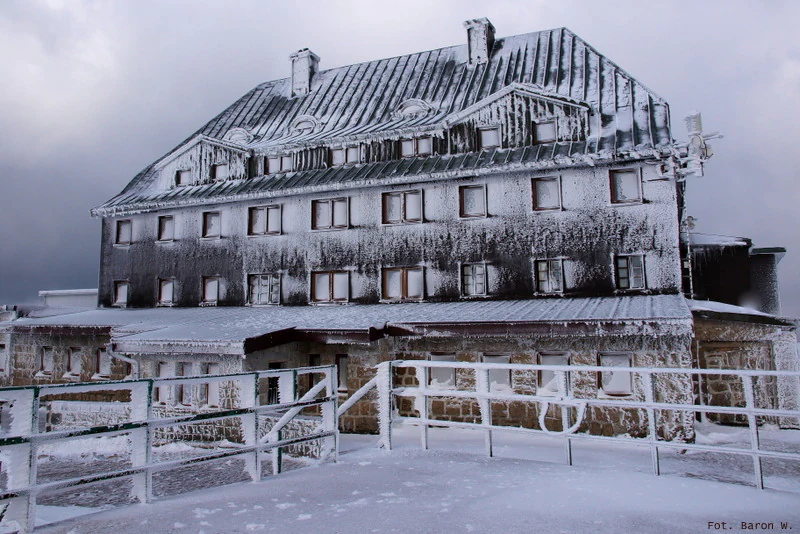
The best time to visit Karkonosze National Park depends on the type of experience visitors seek. Summer months, from June through September, offer the most accessible conditions for hiking and feature the characteristic alpine meadows in full flower, with rich displays of mountain flora at higher elevations. The main tourist season coincides with this period, particularly in August when school holidays attract large numbers of visitors. Autumn, particularly September and early October, brings fewer crowds and offers the opportunity to experience the mountain forests as they display their autumn colors, though weather conditions become more variable. Winter transforms the park into a popular skiing destination, with conditions suitable for winter sports from December through March, though the high elevations can experience severe winter conditions that require appropriate equipment. Spring tends to be a quieter period, though snow linger on the higher trails well into May, and the melting snow feeds the streams and waterfalls that are particularly impressive in late spring. Shoulder seasons offer the advantage of fewer visitors but require preparation for changeable mountain weather.