
Why Kızıldağ National Park stands out
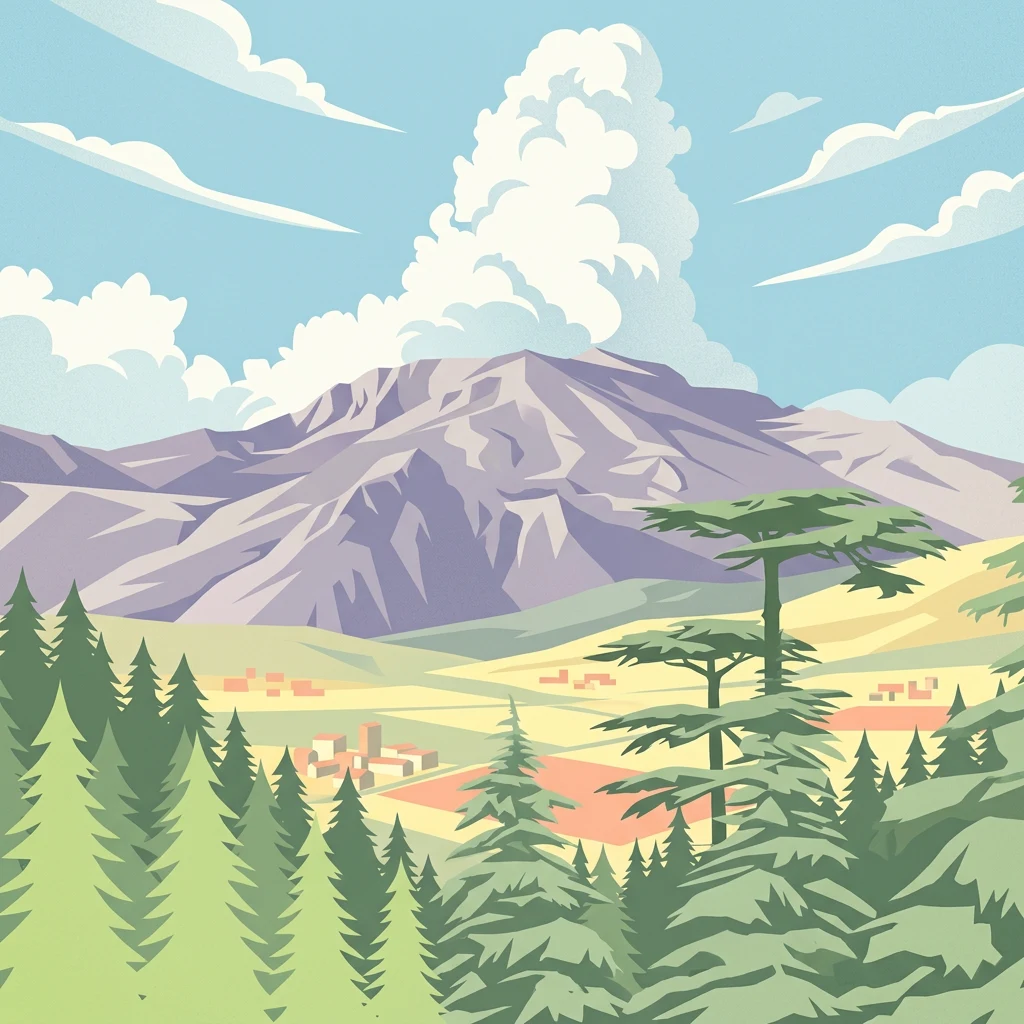
Kızıldağ National Park is distinguished by its blue-leaf cedar forests, which represent one of the few locations in Turkey where this distinctive cedar variety grows. The park protects significant tracts of Taurus Mountain wilderness, with Dedegöl Mountain serving as a prominent geological landmark. The combination of high-elevation alpine terrain, extensive forested slopes, and the presence of species such as wolves, jackals, and various birds of prey gives the park a notable ecological character within the Mediterranean region.
Kızıldağ National Park history and protected-area timeline
Kızıldağ National Park was formally established on May 19, 1969, making it one of Turkey's earliest national park designations. The protected area was created to preserve the significant mountain forests and alpine landscapes of the Taurus Ranges within Isparta Province. Over time, the park's boundaries have been refined to reflect evolving conservation priorities and management needs. In 1993, the Turkish Council of Ministers issued a formal decision confirming the park's national park status. More recently, boundary adjustments in November 2018 excluded the Mada Island area (specifically the Kumluca neighborhood) from the protected area while incorporating Dedegöl Mountain more fully within the park boundaries. These adjustments reflect ongoing management attention to ensuring the park's ecological integrity and boundary alignment with significant landscape features.
Kızıldağ National Park landscape and geographic character
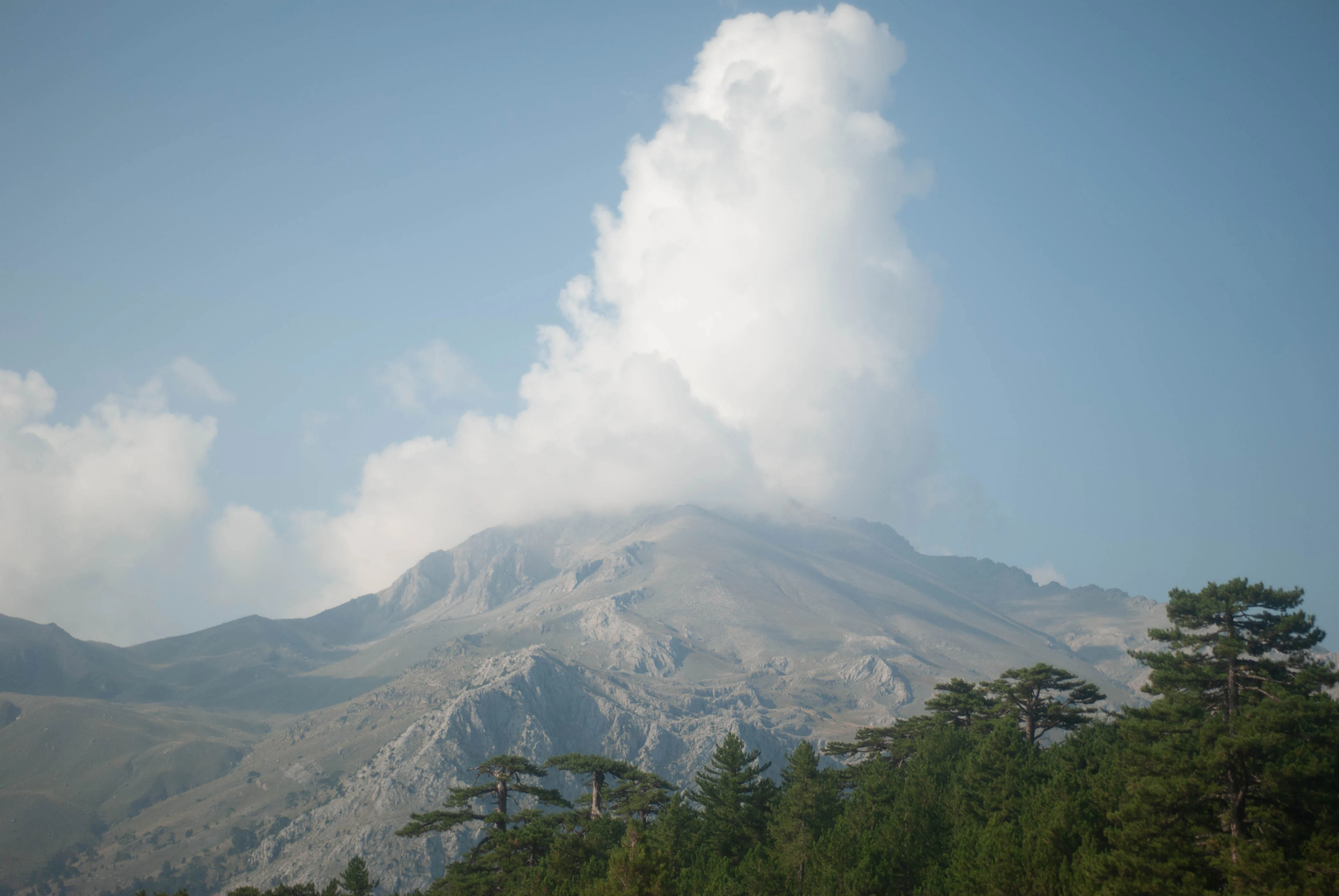
The landscape of Kızıldağ National Park is characterized by dramatic mountainous terrain of the Taurus Ranges in southern Turkey. The park encompasses steep slopes, deep valleys, and high-elevation ridgelines that create a visually striking alpine environment. The dominant topographic feature is Dedegöl Mountain, also known as Dipoyraz, which rises to approximately 2,980 meters within the park boundaries. This significant peak serves as a major landmark visible from surrounding areas and represents the highest elevations within the protected area. The terrain supports forest cover that transitions from denser woodlands at mid-elevations to more sparse alpine vegetation near the summits. The combination of rugged peaks, forested slopes, and the overall wilderness character distinguishes Kızıldağ as a representative example of Taurus Mountain landscape protection in Turkey.
Kızıldağ National Park ecosystems, habitats, and plant life
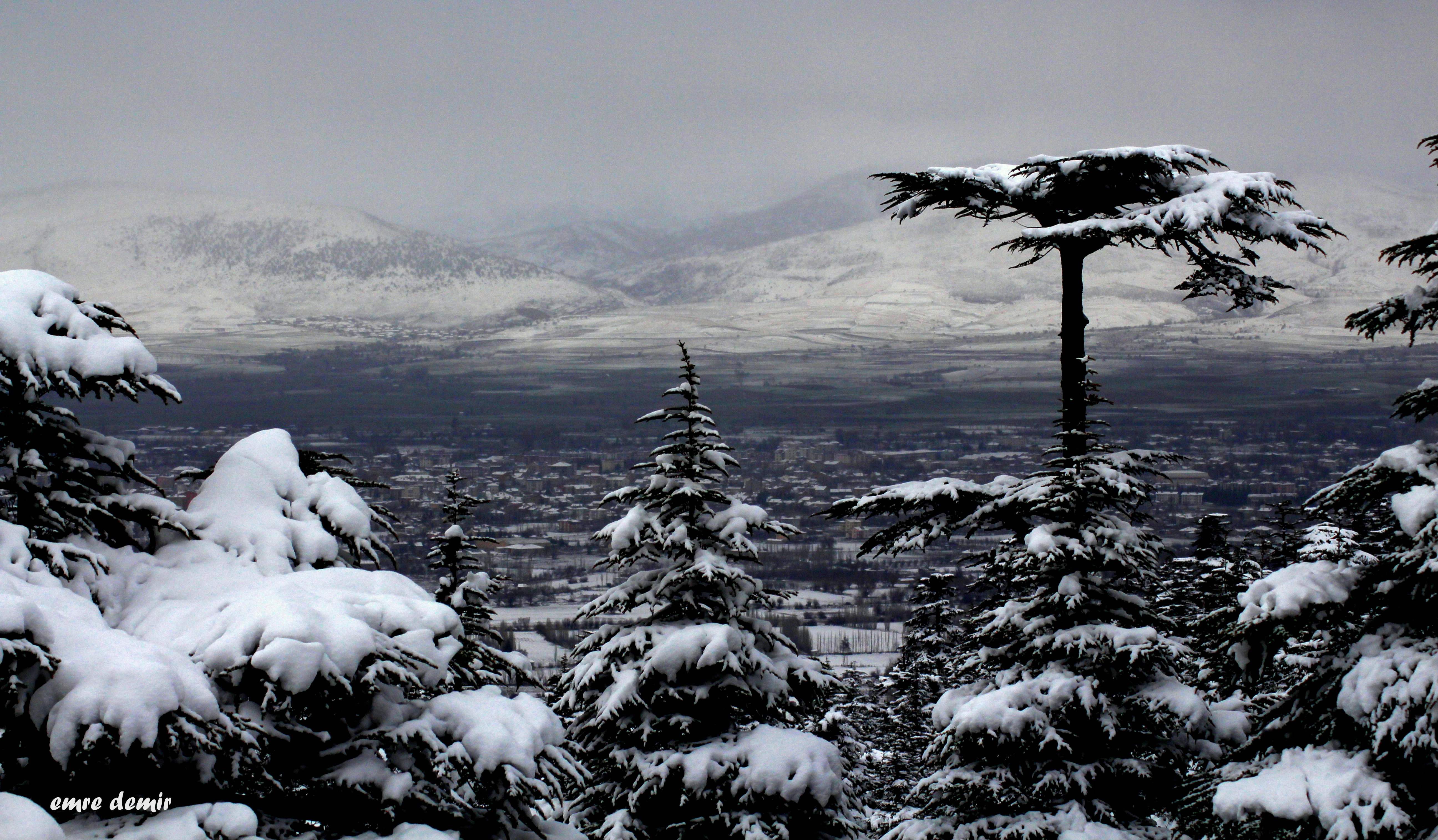
Kızıldağ National Park supports diverse forest ecosystems that reflect the transitional nature of its location between Mediterranean and more continental climatic zones. The vegetation is characterized by black pine, several cedar species, oak, and juniper, creating a structurally and compositionally varied forest cover across the park's elevation gradient. The blue-leaf cedar forests within Kızıldağ hold particular significance, as this distinctive cedar type occurs in only a few locations throughout Turkey. These forests represent an important vegetation community that the park was specifically established to protect. The habitat diversity created by the mountain terrain, with its varying aspects, elevations, and microclimates, supports a range of ecological communities from montane forests through subalpine zones. This environmental heterogeneity contributes to the park's conservation value within the broader Mediterranean basin.
Kızıldağ National Park wildlife and species highlights
The wildlife community within Kızıldağ National Park reflects the diverse forest and mountain habitats of the Taurus region. Large mammals present in the park include wolves and jackals, representing significant predator populations within the protected area. Smaller mammals such as foxes and martens also occur throughout the park's forested terrain. The bird fauna includes several notable species of prey birds, with eagles, vultures, hawks, falcons, and owls all documented within the park boundaries. These raptorial species benefit from the diverse habitat structure and the availability of suitable nesting sites on the steep terrain. The combination of forested habitats for cover and open areas for hunting supports a functional ecosystem for both resident and migratory bird species.
Kızıldağ National Park conservation status and protection priorities
Kızıldağ National Park serves as an important protected area within Turkey's national park system, preserving representative examples of Taurus Mountain forest and alpine ecosystems. The protection of the blue-leaf cedar forests represents a specific conservation priority, as this vegetation type has limited distribution nationally. The park's designation in 1969 reflected early recognition of the need to preserve significant natural areas in Turkey, and its continued management under the Ministry of Forest and Water Management ensures ongoing protection for the area's ecological values. The presence of viable populations of wolves and other wildlife, along with the diverse forest communities, indicates that the protected area maintains ecological integrity. Boundary adjustments made in 2018 demonstrate active management attention to optimizing the park's configuration for conservation effectiveness.
Kızıldağ National Park cultural meaning and human context
Kızıldağ National Park is situated within a region of southwestern Turkey that maintains connections to traditional land use practices, though the park itself is designated for nature protection rather than cultural preservation. The park encompasses portions of the Taurus Mountains that have historically supported pastoral activities and resource use by local communities. The surrounding districts of Yenişarbademli, Şarkikaraağaç, and Aksu include communities whose economies have traditionally included agriculture and livestock management. The park's establishment formalized the protection of these mountain landscapes while the surrounding regions continue to maintain their cultural identity tied to the local terrain and natural resources.
Top sights and standout views in Kızıldağ National Park
Kızıldağ National Park preserves one of Turkey's significant mountain wilderness areas within the Taurus Ranges. The park features the prominent Dedegöl Mountain peak at nearly 3,000 meters, offering dramatic alpine scenery. The blue-leaf cedar forests represent a unique vegetation type found in few other locations in Turkey. The protected area supports wolf and jackal populations along with diverse birds of prey including eagles and vultures. As one of Turkey's oldest national parks established in 1969, Kızıldağ represents a pioneering effort in the country's modern conservation history. The park provides habitat protection for forest ecosystems transitioning from Mediterranean montane conditions to subalpine zones.
Best time to visit Kızıldağ National Park
Kızıldağ National Park can be visited throughout the year, with each season offering distinct experiences of the mountain landscape. The summer months typically provide the most accessible conditions for exploring the park's trails and higher elevations, with warmer temperatures and generally clear weather. Spring brings blooming vegetation and活跃的野生动物 activity as the park emerges from winter conditions. Autumn offers colorful forest scenery as the deciduous elements change, with comfortable temperatures for outdoor activities. Winter conditions in the higher elevations can be severe, with snow cover and cold temperatures limiting access to some areas but providing opportunities for those interested in winter mountain environments. The best overall conditions for general visitation typically occur from late spring through early autumn.