Why Lastovo Nature Park stands out
Lastovo is best known for its remarkable combination of preserved Venetian Renaissance architecture from the 15th and 16th centuries, an extraordinary density of religious structures with 46 churches on a single island, and the ancient Poklad carnival tradition celebrating a legendary victory over Catalan pirates. The island's isolation has preserved one of Croatia's most distinctive linguistic dialects, a unique Chakavian-Jekavian variant, and has maintained one of the Adriatic's most unspoiled natural environments, both above and below the water's surface.
Lastovo Nature Park history and protected-area timeline
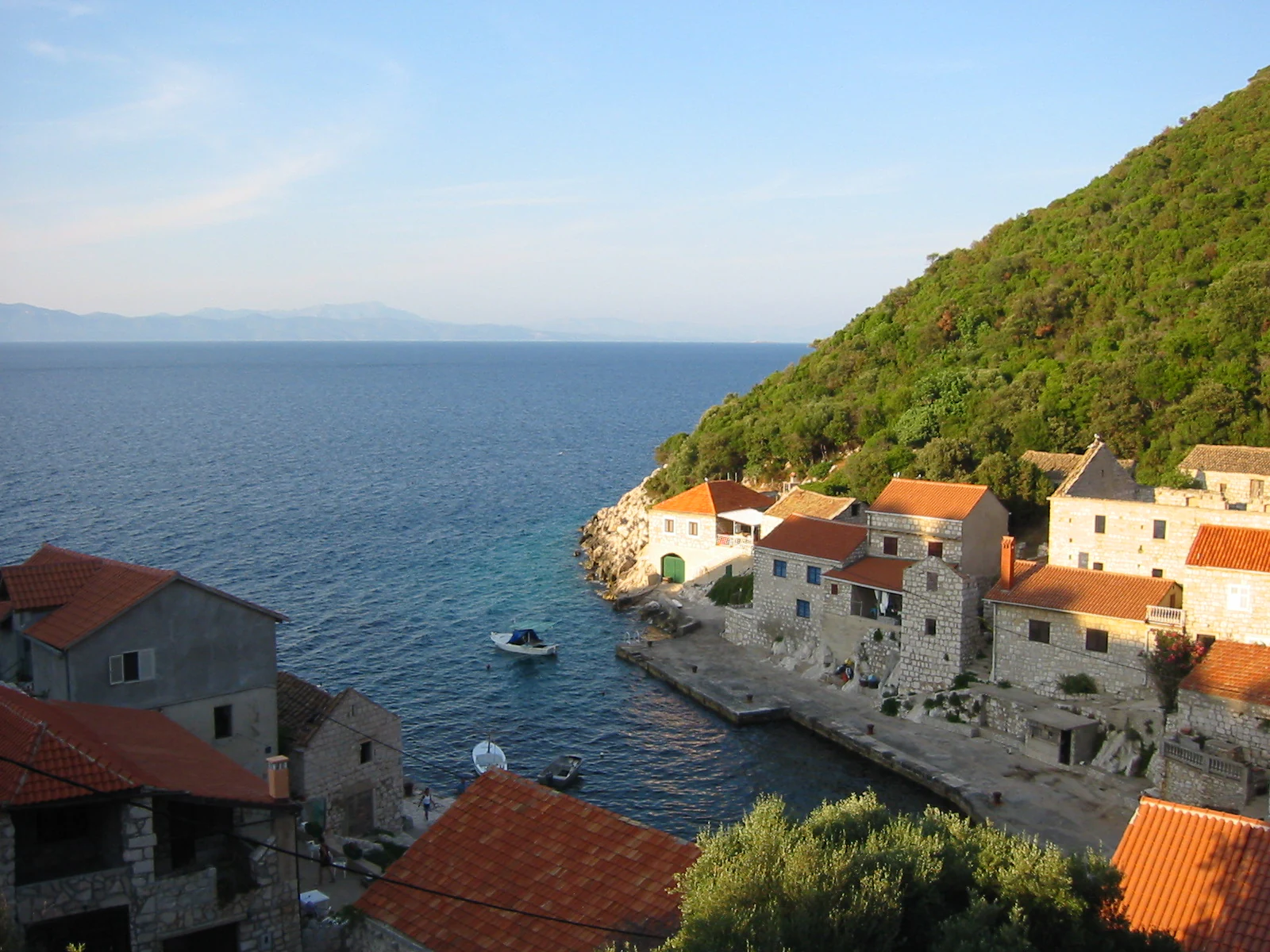
The history of Lastovo spans from prehistoric times through the present day, with the island bearing traces of Illyrian, Greek, Roman, Byzantine, Venetian, and modern Croatian settlements. First mentioned by the 6th-century lexicographer Stephanus of Byzantium as "Ladesta" and "Ladeston"—names derived from the Illyrian language—the island was known as "Augusta Insula" (Emperor's Island) during Roman rule. The Romans established agricultural estates and water catchment systems that remain visible in the landscape today, with a significant settlement at Ubli on the southwestern coast that flourished during the early centuries CE.
Following the Slavic migrations of the 7th century, the island came under Croatian influence and was referenced by Byzantine Emperor Constantine VII in his 10th-century work "De Administrando Imperio" by its Croatian name "Lastobon." In 1252, the island voluntarily joined the Republic of Ragusa, maintaining internal autonomy codified in the Statute of Lastovo of 1310, one of the earliest written legal documents for the island. The council of 20 members governed the island until 1486 when authority transferred to the Ragusan Parliament.
The 20th century brought dramatic changes: Italian administration between the World Wars, followed by Yugoslav military control that restricted foreign access from 1945 until 1988. The Yugoslav People's Army maintained bases on Lastovo until July 1992, finally withdrawing during Croatia's independence war. In 2006, the Croatian Parliament declared the island and its archipelago a nature park, establishing the current protected area status.
Lastovo Nature Park landscape and geographic character
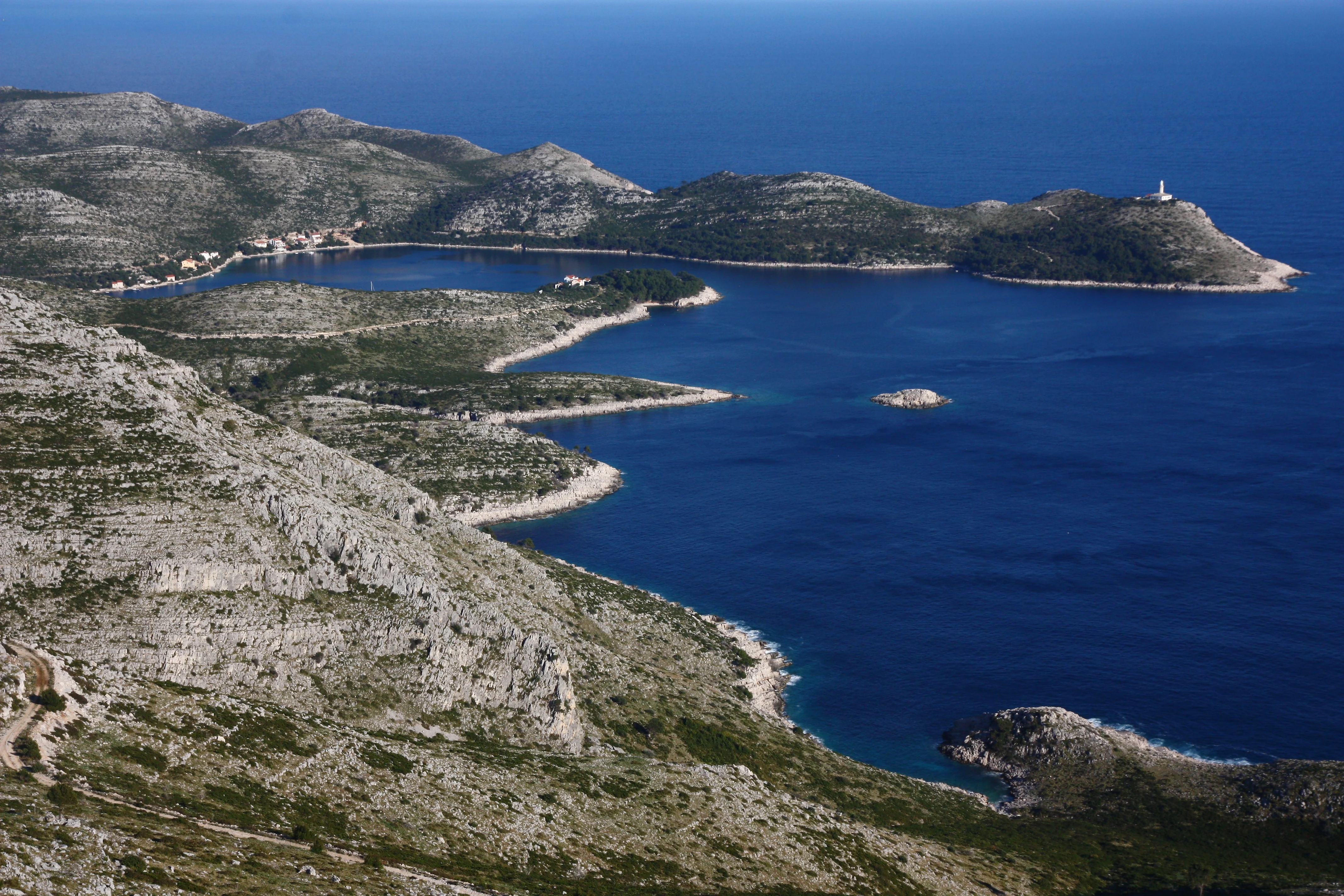
The landscape of Lastovo Nature Park is defined by its karstic terrain—a characteristic geological formation of the Dalmatian coast. The main island rises dramatically from the sea with a landscape of 46 limestone hills and 46 karstic fields, creating a visually distinctive terrain often described as the island's most recognizable topographic feature. The highest points, Mount Hum at 415 meters and adjacent peaks, provide panoramic views across the archipelago and toward the distant mainland.
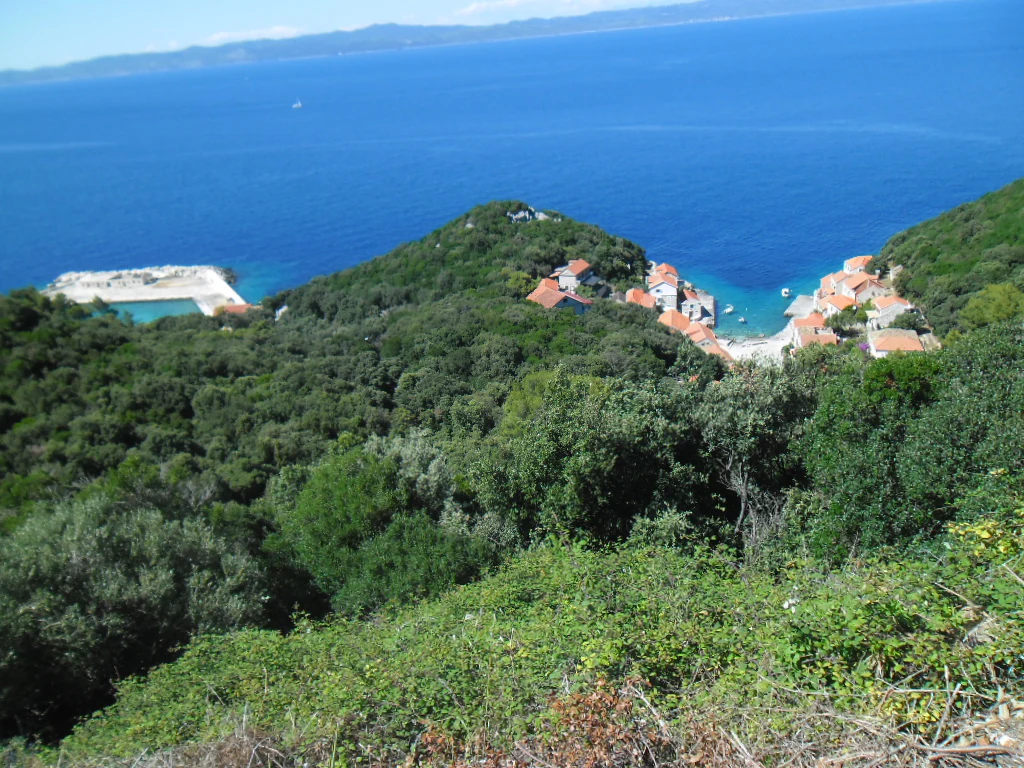
Between the limestone ridges lie dolomitic valleys and gentle calcareous slopes enriched with numerous caves, five of which have been documented—Rača being the largest and most significant archaeologically. The coastline is predominantly steep and rocky, with deep bays offering natural harbors. The southern coast features Skrivena Luka, a large protected bay that provides shelter from the harsh bora and westerly winds, while the western coast at Ubli hosts the island's main ferry terminal. The surrounding sea depths drop quickly offshore, contributing to the marine richness that distinguishes these waters from other parts of the Adriatic.
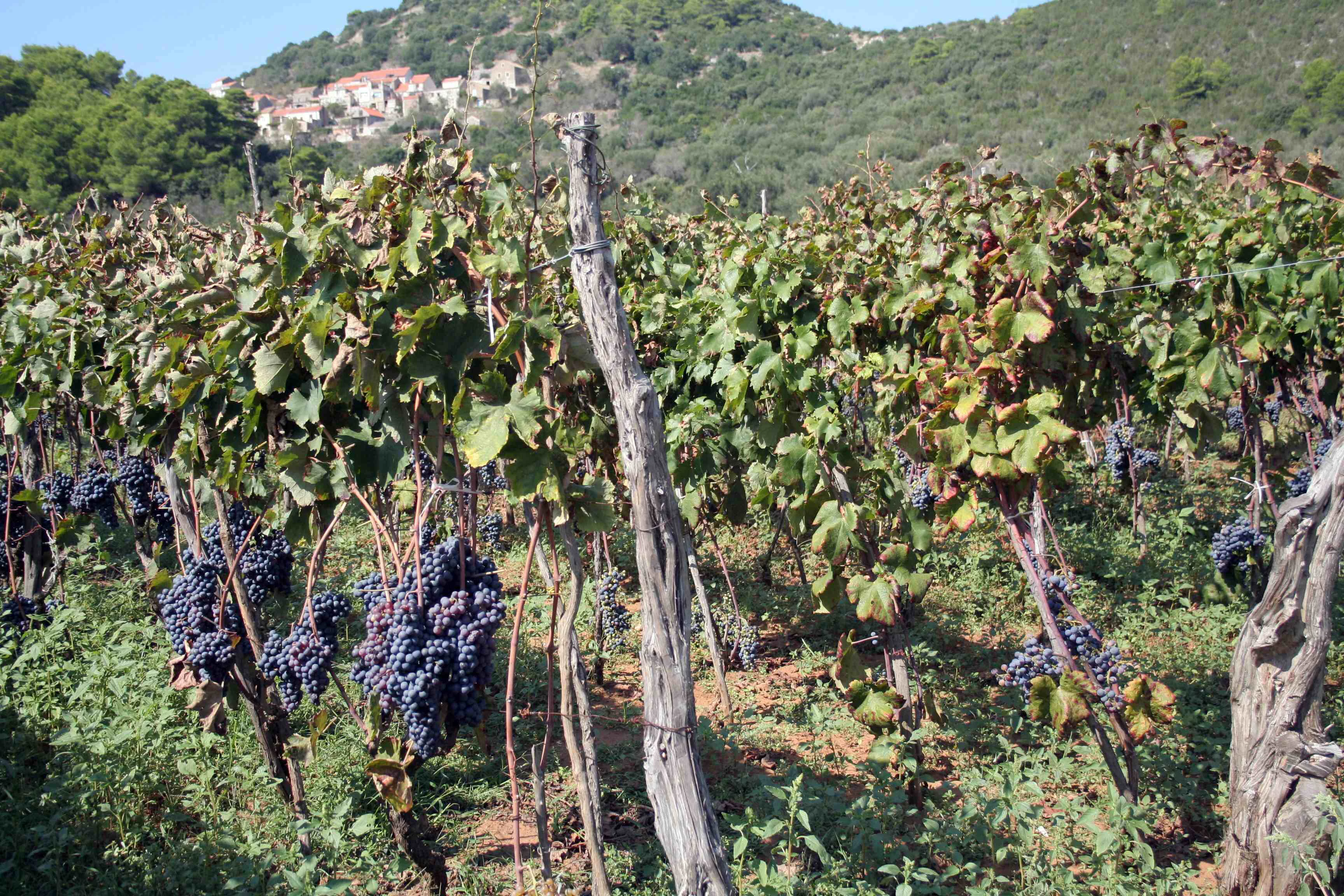
Despite damage from major wildfires in 1971, 1998, and 2003, the island maintains substantial forest coverage of approximately 60-70%, predominantly Holm Oaks and Aleppo Pines with Mediterranean underbrush. This forested landscape, combined with the island's relative isolation, has helped preserve a sense of natural wilderness that distinguishes Lastovo from more developed Dalmatian islands.
Lastovo Nature Park ecosystems, habitats, and plant life
The nature of Lastovo centers on a Mediterranean forest ecosystem adapted to the island's karstic substrate and semi-arid climate. The dominant vegetation consists of Holm Oak (Quercus ilex) woodland and Aleppo Pine (Pinus halepensis) forests, with a dense understory of Mediterranean shrubs including maquis elements. This forest coverage—exceptional among Dalmatian islands—creates important habitat for terrestrial species and contributes to the island's ecological significance.
The surrounding marine environment represents one of the Adriatic's most biodiverse coastal zones. The waters around the archipelago support rich communities of lobsters, crayfish, octopus, and numerous fish species including John Dory and various grouper species. The absence of venomous snakes on the island is a notable biological characteristic. Above the forest canopy, birds of prey including falcons and hawks nest in the rocky terrain, a tradition dating to the medieval period when the Republic of Ragusa maintained falconry operations and traded these birds to other kingdoms.
The karstic geology of the island creates unique hydrological conditions, with no permanent surface water streams. Residents historically relied on boreholes, dams, and wells to collect rainfall and groundwater, a pattern that reflects the broader Mediterranean challenge of water resource management.
Lastovo Nature Park wildlife and species highlights
The wildlife of Lastovo encompasses both terrestrial and marine species, with the surrounding marine environment being particularly significant. The Adriatic waters around the archipelago support exceptional biodiversity including lobsters, crayfish, octopus, and commercially important fish species such as John Dory and various grouper species. This marine richness was historically recognized as the most abundant in the entire Adriatic Sea.
Terrestrial wildlife centers on bird populations, particularly birds of prey. Falcons and hawks nest abundantly in the island's rocky terrain and cliff faces—a resource so valuable that the Republic of Ragusa established exclusive falconry rights and traded falcons to medieval kingdoms including the Kingdom of Naples. The Mediterranean forest provides habitat for various songbirds and other terrestrial species, while the absence of venomous snakes distinguishes Lastovo from many other Mediterranean islands. The karstic landscape with its numerous caves also provides roosting and shelter opportunities for bats and other cave-dwelling species.
Lastovo Nature Park conservation status and protection priorities
The establishment of Lastovo Nature Park in 2006 reflects the recognition of both the island's ecological significance and its cultural heritage values. The park designation encompasses not only the terrestrial environment but also the surrounding marine waters and seabed, acknowledging the interconnectedness of island and marine ecosystems. With over 60-70% forest coverage—making Lastovo one of the most forested Croatian islands alongside Mljet—the protected area preserves a Mediterranean woodland ecosystem that has become increasingly rare in the developed coastal regions.
The marine protected component safeguards what is considered the richest underwater environment in the Adriatic, supporting commercially important fisheries and maintaining biodiversity crucial to the broader marine ecosystem. The park also protects the cultural landscape, including the Venetian-era architecture, religious sites, and traditional land-use patterns that have shaped the island over centuries. Some conservation groups have advocated for UNESCO heritage status, recognizing the exceptional combination of natural and cultural values found within the archipelago.
Lastovo Nature Park cultural meaning and human context
The cultural identity of Lastovo reflects over two millennia of continuous human occupation by diverse civilizations. The island's population of approximately 792 people (2011 census) maintains a distinctive cultural character expressed through its unique Chakavian-Jekavian dialect, religious traditions, and communal customs. About 90% of residents are Roman Catholic, a faith tradition that has shaped the island's built environment with 46 churches—matching the island's symbolic number of 46 hills, 46 fields, and 46 islands in the archipelago.
The most significant cultural event is the Poklad carnival, an authentic tradition dating to a legendary medieval confrontation with Catalan pirates. According to tradition, the pirates threatened to attack after subjugating Korčula, but the women of Lastovo prayed to Saint George, whose intervention supposedly destroyed the pirate fleet with a storm. The carnival, held in mid-February, remains a central community event with residents wearing traditional folk costumes and carrying on rituals that mock the defeated messenger.
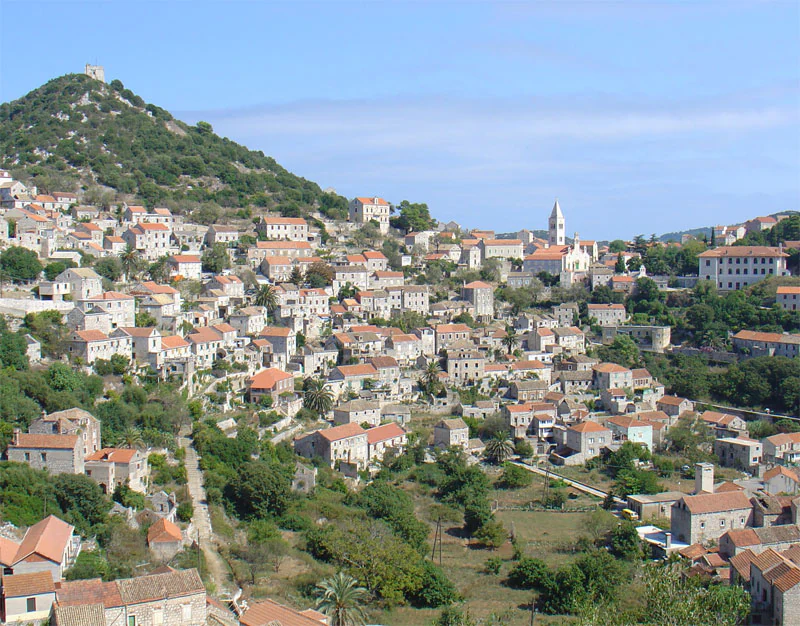
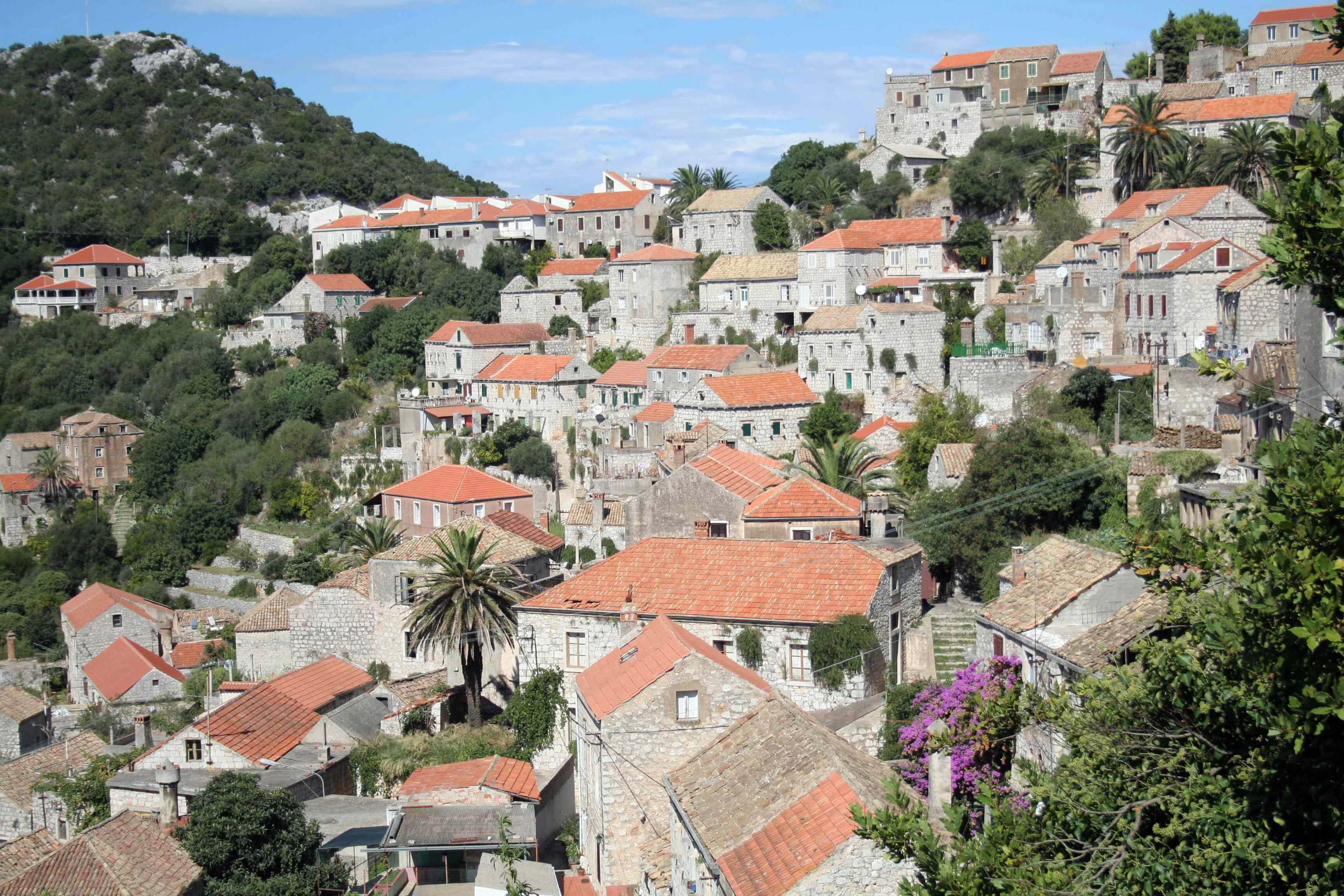
The settlement of Lastovo town is unusual among Dalmatian islands for its location on a hilltop overlooking fertile fields rather than directly on the harbor—a defensive adaptation from the early medieval period after the Venetian destruction of 1000. The architectural heritage includes 15th and 16th-century Venetian Renaissance houses with distinctive cylindrical chimneys called "fumari" and high broad terraces that have become visual markers of the island's identity.
Top sights and standout views in Lastovo Nature Park
The highlights of Lastovo Nature Park combine natural wilderness with exceptional cultural heritage in a package found nowhere else in the Adriatic. The island's relative isolation has preserved both terrestrial and marine environments in near-pristine condition, with forest coverage exceeding 60% and waters supporting the region's richest marine biodiversity. The karstic landscape of 46 hills and 46 fields creates a distinctive visual identity matched by the symbolic presence of 46 churches across the small island.
The Venetian Renaissance architectural ensemble, dating to the 15th and 16th centuries, represents a remarkably intact example of medieval Dalmatian settlement planning, while the Poklad carnival maintains one of the oldest continuous carnival traditions in the Mediterranean. The Lastovo dialect represents a unique linguistic preserve, maintaining a distinctive Jekavian variant of Chakavian Croatian influenced by centuries of association with the Republic of Ragusa. These combined values led to nature park status in 2006, recognizing both the ecological significance and cultural importance of this remote archipelago.
Best time to visit Lastovo Nature Park
The optimal time to experience Lastovo Nature Park aligns with the Mediterranean climate patterns that define the island. The summer months from May through September offer the warmest sea temperatures and longest daylight hours, with water reaching approximately 27°C in August—ideal for swimming and marine exploration. However, the island's 2,700 annual sunshine hours distributed across the year means even shoulder seasons provide substantial sunny weather.
The pre-summer period of late spring (May-June) offers comfortable temperatures, blooming Mediterranean vegetation, and fewer visitors than peak season. Similarly, September and early October provide pleasant conditions with the advantage of reduced tourist crowds. Winter visitation, while quiet, offers a genuinely local experience but with limited services and the possibility of disrupted ferry connections due to weather. The Poklad carnival in mid-February draws visitors seeking authentic cultural immersion, though winter conditions on the island are cooler and the landscape less vibrant than during the growing season.