Mori Atlas logo
National parkLower Saxon Wadden Sea National Park

Explore the unique intertidal ecosystem, mapped park boundaries, and regional geography.

Lower Saxon Wadden Sea National Park: A Mapped Protected Landscape in Lower Saxony

(Nationalpark Niedersächsisches Wattenmeer)

As Germany's largest national park, the Lower Saxon Wadden Sea National Park protects a dynamic coastal environment along the North Sea. This UNESCO World Heritage site in Lower Saxony features extensive mudflats, salt marshes, and a chain of barrier islands, creating a vital intertidal ecosystem. MoriAtlas provides detailed geographic context and map-based exploration tools to understand the park's expansive protected landscape and its ecological significance.

Coastal LandscapeMudflatsSalt MarshesMigratory BirdsUNESCO World Heritage SiteNorth Sea Islands

Lower Saxon Wadden Sea National Park

National park

Park overview

Structured park overview, official facts, and landscape profile for Lower Saxon Wadden Sea National Park

Lower Saxon Wadden Sea National Park park facts, protected area profile, and essential visitor context
Review the core facts for Lower Saxon Wadden Sea National Park, including designation, size, terrain, visitor scale, habitats, and operating context in one park-focused overview.

About Lower Saxon Wadden Sea National Park

Lower Saxon Wadden Sea National Park represents one of the most important coastal protected areas in Europe, encompassing a landscape of international ecological significance that has drawn recognition from UNESCO, the European Union, and international conservation bodies. The park stretches across a vast stretch of the German North Sea coast, incorporating the chain of East Frisian Islands that parallel the mainland, the seemingly endless mudflats that emerge at low tide, and the green salt marshes that fringe the islands and mainland coastline. This is a landscape shaped fundamentally by water—by the twice-daily tides that cover and uncover vast areas of seabed, by the longshore currents that reshape sandbanks, and by the fierce winds that build dunes along exposed shores. The ecological productivity of the Wadden Sea rivals that of tropical rainforests, a fact that underscores how this seemingly flat and featureless landscape actually teems with life. Diatoms, snails, worms, mussels, and shrimp form the base of a food web that supports enormous populations of migratory birds and marine mammals. The park is not merely a nature preserve but a living landscape where traditional human uses—fishing, seafaring, and island settlement—continue alongside conservation imperatives. The 2009 UNESCO World Heritage designation recognized that the Wadden Sea transcends national boundaries and represents a natural phenomenon of global significance.

Quick facts and research context for Lower Saxon Wadden Sea National Park

Located in Lower Saxony, Germany, the park protects a coastal strip of the North Sea characterized by extremely flat terrain where the seabed descends only centimeters per kilometer. Twice-daily tides deposit sand, clay, and silt across the mudflats, while wind-formed dunes anchor sections of the island coastline. The park is part of a transboundary World Heritage Site spanning Germany, the Netherlands, and Denmark. It was designated a Ramsar Wetland in 1976 and recognized as a UNESCO biosphere reserve in 1992. The national park headquarters are located in Wilhelmshaven.

Park context

Deeper park guide and search-rich context for Lower Saxon Wadden Sea National Park

Lower Saxon Wadden Sea National Park history, landscape, wildlife, and travel context
Explore Lower Saxon Wadden Sea National Park through its history, landscape character, ecosystems, wildlife, conservation priorities, cultural context, and seasonal travel timing in a structured park guide built for atlas discovery and search intent.

Why Lower Saxon Wadden Sea National Park stands out

The park is renowned for its extraordinary intertidal ecosystem, the Wadden Sea, which supports over 10,000 animal and plant species, with up to 4,000 species specifically adapted to this rich habitat. The mudflats are famous for the lugworm, a keystone species that creates the U-shaped burrows characteristic of sandy substrates. The islands serve as critical breeding and molting grounds for hundreds of thousands of birds, including the common shelduck and common eider. The salt marshes provide nesting habitat for the distinctive pied avocet and various tern species. Seals regularly haul out on sandbanks within the park, and the dunes are stabilized by European beachgrass, creating the iconic coastal vegetation pattern.
Lower Saxon Wadden Sea National Park history and protected-area timeline

The protection of the Lower Saxon Wadden Sea has roots in international wetland conservation efforts beginning with the Ramsar Convention of 1971, which designated the Dollart Bay and surrounding areas as wetlands of international importance. In 1979, conservationists Hans-Joachim Augst and Holger Wesemüller developed a zoning model based on the ecological importance of different Wadden Sea areas, providing a foundation for systematic protection. The 1982 Lower Saxon regional development programme established a state planning objective for a national park covering the East Frisian Islands and coast, and formal planning began in 1983. The cabinet approved the park in early 1984, and the national park regulation came into force on January 1, 1986. Under the UNESCO Man and the Biosphere programme, the entire park was recognized as a biosphere reserve in 1992. The legal framework evolved from a 1986 regulation to a 1999 state law, with significant amendments in 2001 that removed some areas for tourism while adding marine areas before the islands of Borkum and Baltrum. In 2010, the park was expanded by approximately 670 square kilometers, primarily in the Cuxhaven and Elbe-Weser mouth area, bringing the total area to nearly 350 square kilometers. The park achieved UNESCO World Heritage status in June 2009 as part of a transnational designation with the Dutch and Schleswig-Holstein Wadden Sea.

Lower Saxon Wadden Sea National Park landscape and geographic character

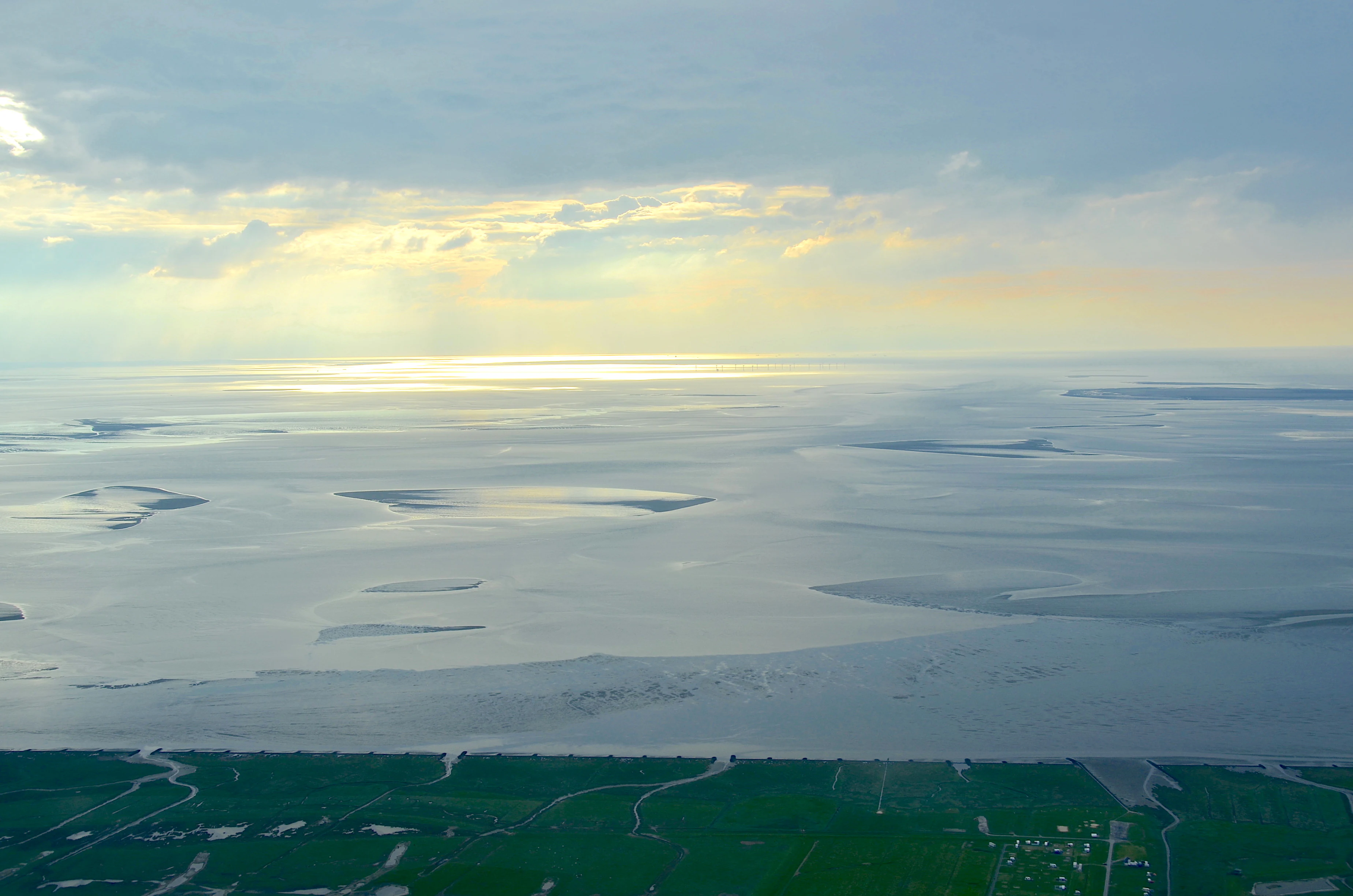
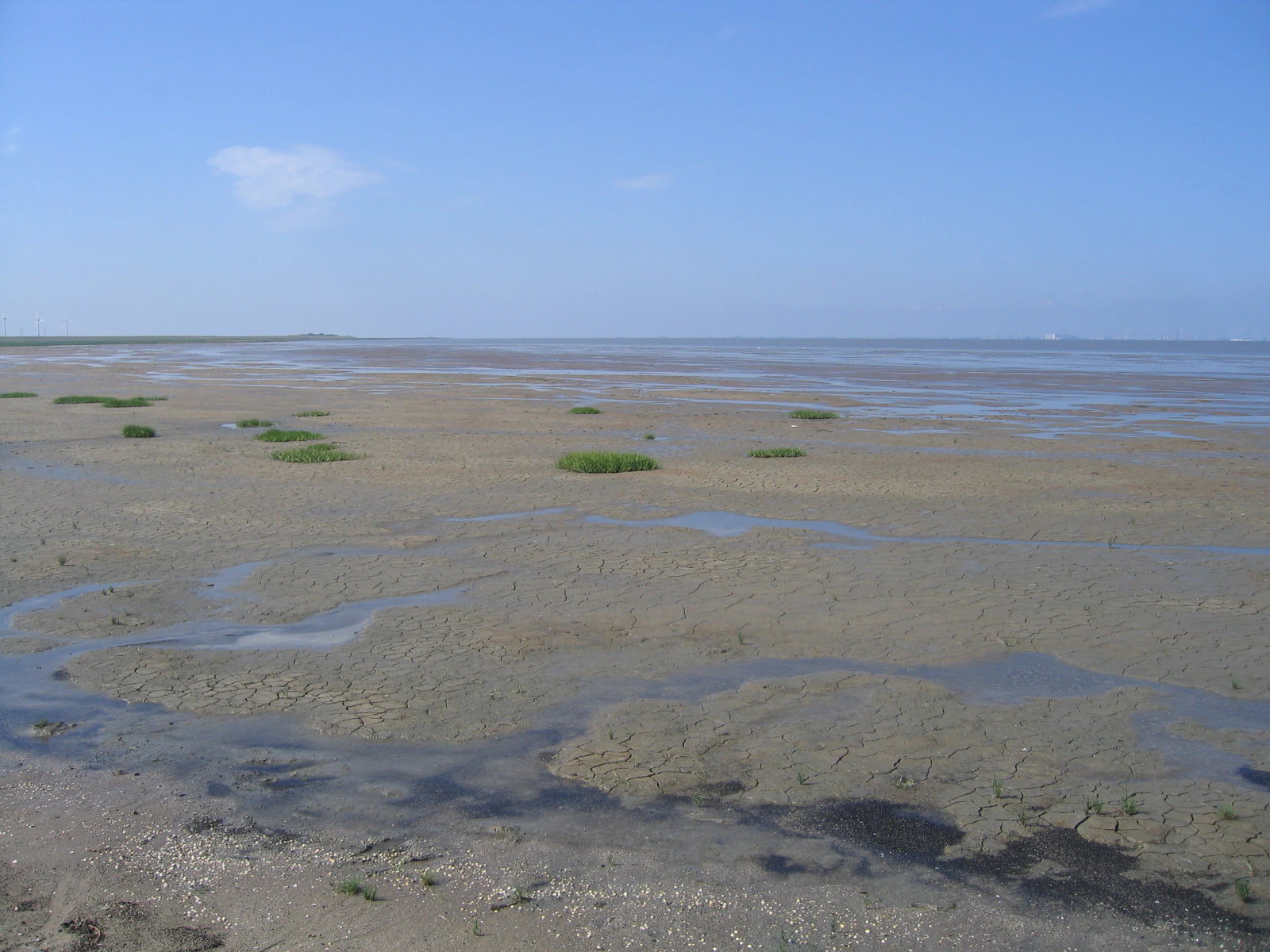
The landscape of Lower Saxon Wadden Sea National Park is defined by the dynamic interaction between the North Sea and the low-lying coastal land of Lower Saxony. The German North Sea coast is extraordinarily flat, with the seabed descending only a few centimeters per kilometer—a gradient so gentle that tidal movements expose vast areas of mudflat twice daily. These mudflats, or Watt, consist of sand, clay, and silt deposited by tidal currents, creating a textured terrain of remarkable ecological complexity. Along the coast, wind has sculpted dunes from fine sand grains exposed at low tide, and these dunes now stabilize sections of the island and mainland coastline. The East Frisian Islands—Borkum, Baltrum, Langeoog, Juist, Norderney, Spiekeroog, Wangerooge, and several smaller islets—form a chain that partially buffers the mainland from North Sea storms. Between the islands and the mainland lie expansive salt marshes, their characteristic green-gray vegetation tolerating the saline conditions created by occasional flooding. The park also encompasses estuarine environments where rivers like the Ems meet the North Sea, creating brackish water habitats of particular ecological importance.
Lower Saxon Wadden Sea National Park ecosystems, habitats, and plant life

The Wadden Sea represents an ecosystem of extraordinary biological productivity, often described as the second most productive ecosystem on Earth after tropical rainforests. This productivity stems from the constant flow of nutrients through the tidal system, where twice-daily flooding brings fresh supplies of organic material to the mudflats. The park protects a range of intertidal and coastal habitats including mudflats, salt marshes, beaches, dunes, and estuaries. The mudflat substrate supports a specialized community of organisms adapted to the constantly shifting conditions—diatoms that form the base of the food web, snails grazing on the surface, lugworms burrowing in U-shaped tubes, mussels forming beds in suitable substrates, and shrimp navigating the constantly changing water levels. The salt marshes bloom with sea holly and sea lavender in summer, while European beachgrass anchors the dunes with its extensive root system. Up to 4,000 species are specifically adapted to the Wadden Sea habitat, making this one of the most ecologically specialized regions in Europe.
Lower Saxon Wadden Sea National Park wildlife and species highlights

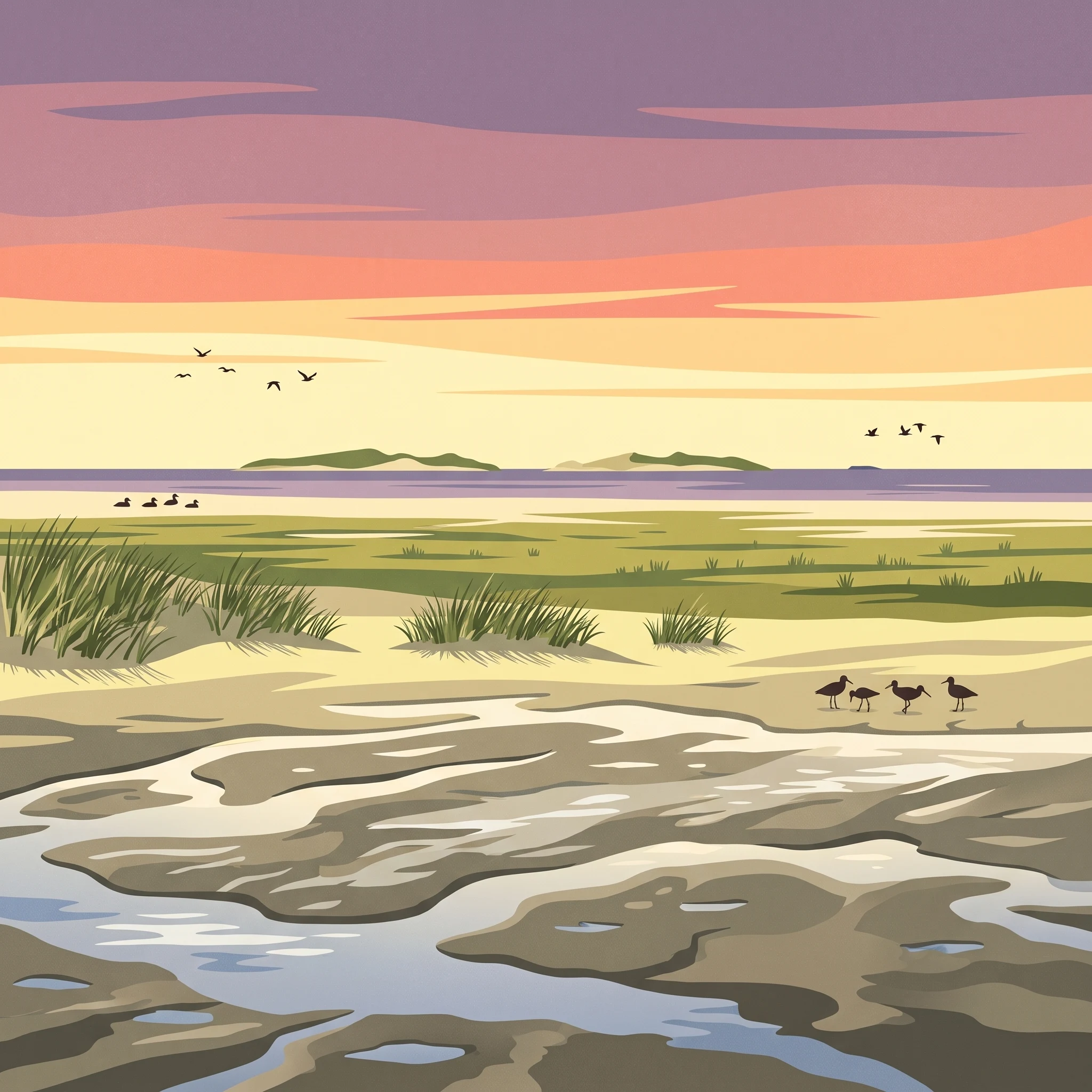
The wildlife of Lower Saxon Wadden Sea National Park is characterized by extraordinary bird populations that use the area as breeding grounds, molting areas, and critical migratory stopovers. The common shelduck is particularly associated with the Wadden Sea—hundreds of thousands of these distinctive ducks feed on the mudflats, and the northwestern European population of approximately 180,000 birds spends its molting season from July to September in the Wadden Sea. Similarly, about 200,000 common eider ducks use the area for molting, and roughly 1,000 pairs breed on the islands, particularly Amrum. The entire Wadden Sea system hosts 10 to 12 million waders, geese, ducks, and gulls during migration, making it one of the most important bird migration corridors in Europe. The salt marshes provide breeding habitat for the pied avocet and various tern species, while seals—the common seal specifically—may be observed hauled out on sandbanks. The marine environment supports numerous fish species including those listed for protection under the EU Habitats Directive.
Lower Saxon Wadden Sea National Park conservation status and protection priorities

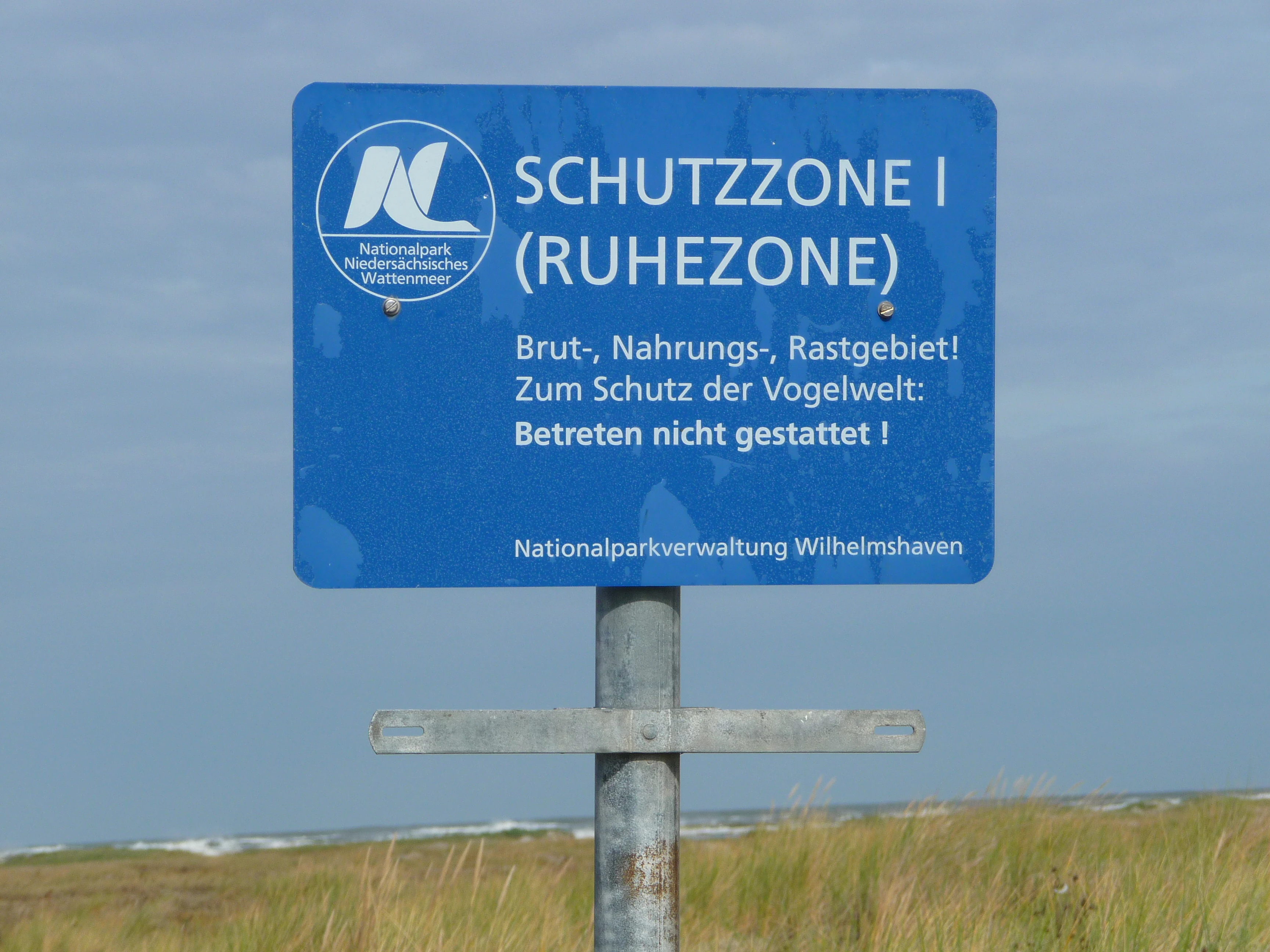
The park holds multiple layers of international protection reflecting its ecological significance. As a UNESCO World Heritage Site since 2009, it is recognized as having outstanding universal value requiring preservation for future generations. The Ramsar designation since 1976 acknowledges its importance as a wetland of international significance. As a European Union Natura 2000 site, the park is part of a network of protected areas designated under both the Birds Directive and the Habitats Directive—all zones are designated as bird reserves, while Zones I and II are Special Areas of Conservation. The park is managed as a biosphere reserve under UNESCO's Man and the Biosphere programme. However, conservation challenges persist, including commercial fishing within park boundaries, the spread of invasive Pacific oysters, significant bycatch in shrimp fisheries, marine litter, eutrophication from nutrient inputs, disturbance from kitesurfing in designated spots, and ongoing pressures from wind farm development near park boundaries.

Lower Saxon Wadden Sea National Park cultural meaning and human context

The East Frisian Islands within the park have a long human history of settlement and use. The inhabited islands—Borkum, Juist, Norderney, Baltrum, Langeoog, Spiekeroog, and Wangerooge—support communities whose identity is deeply intertwined with the sea and the shifting coastal landscape. Traditional activities like fishing and seafaring have shaped both the economy and the culture of these islands over centuries. The settlements and their associated infrastructure are excluded from national park protection, reflecting the reality that human habitation and nature conservation must coexist in this landscape. The relationship between island communities and the Wadden Sea is one of both dependence and respect—a recognition that the same forces that create the extraordinary ecology also shape the lives of those who call these islands home. The park also sits within a broader cultural region of Lower Saxony with strong connections to maritime history, trade, and the historical importance of ports like Wilhelmshaven.
Top sights and standout views in Lower Saxon Wadden Sea National Park

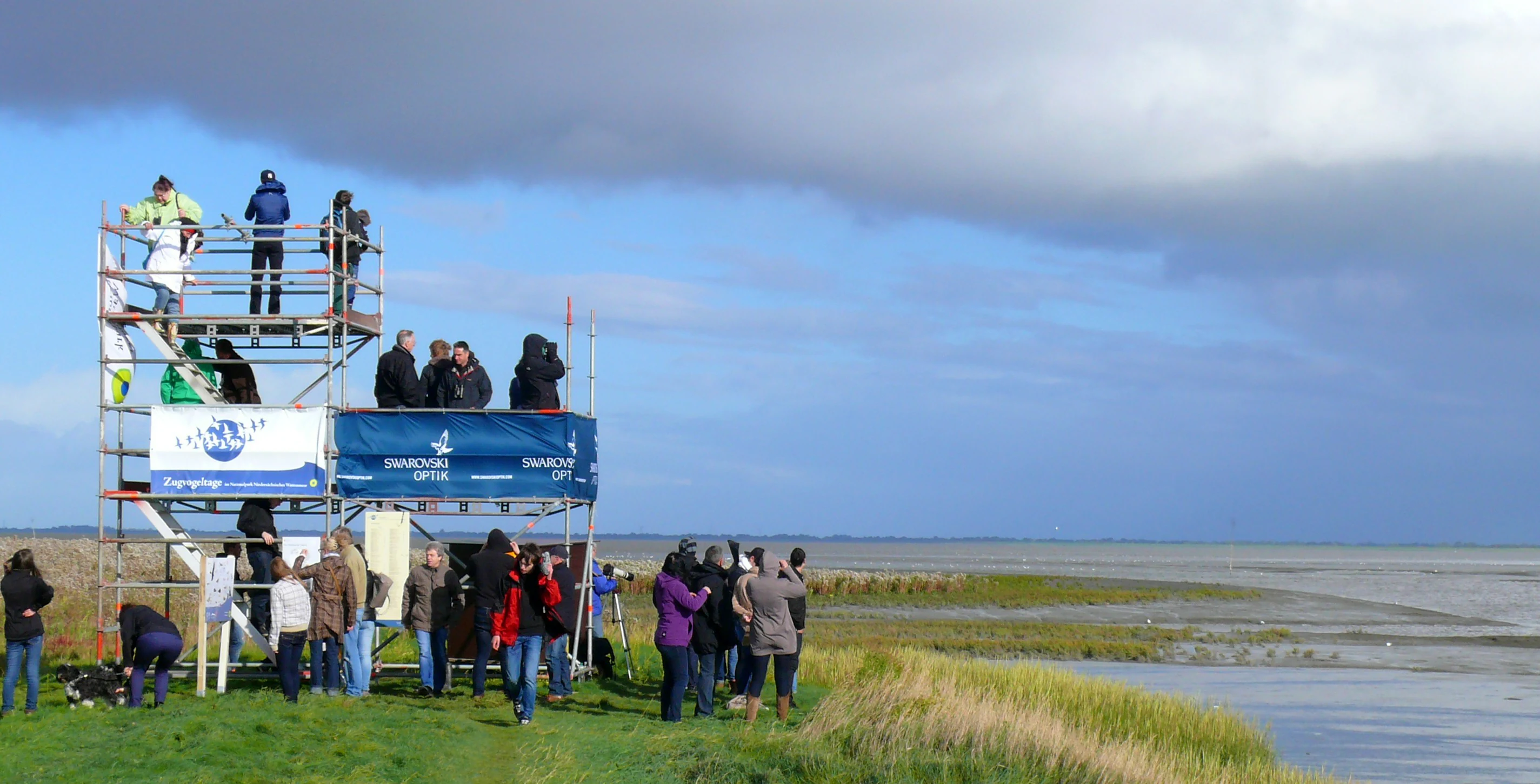
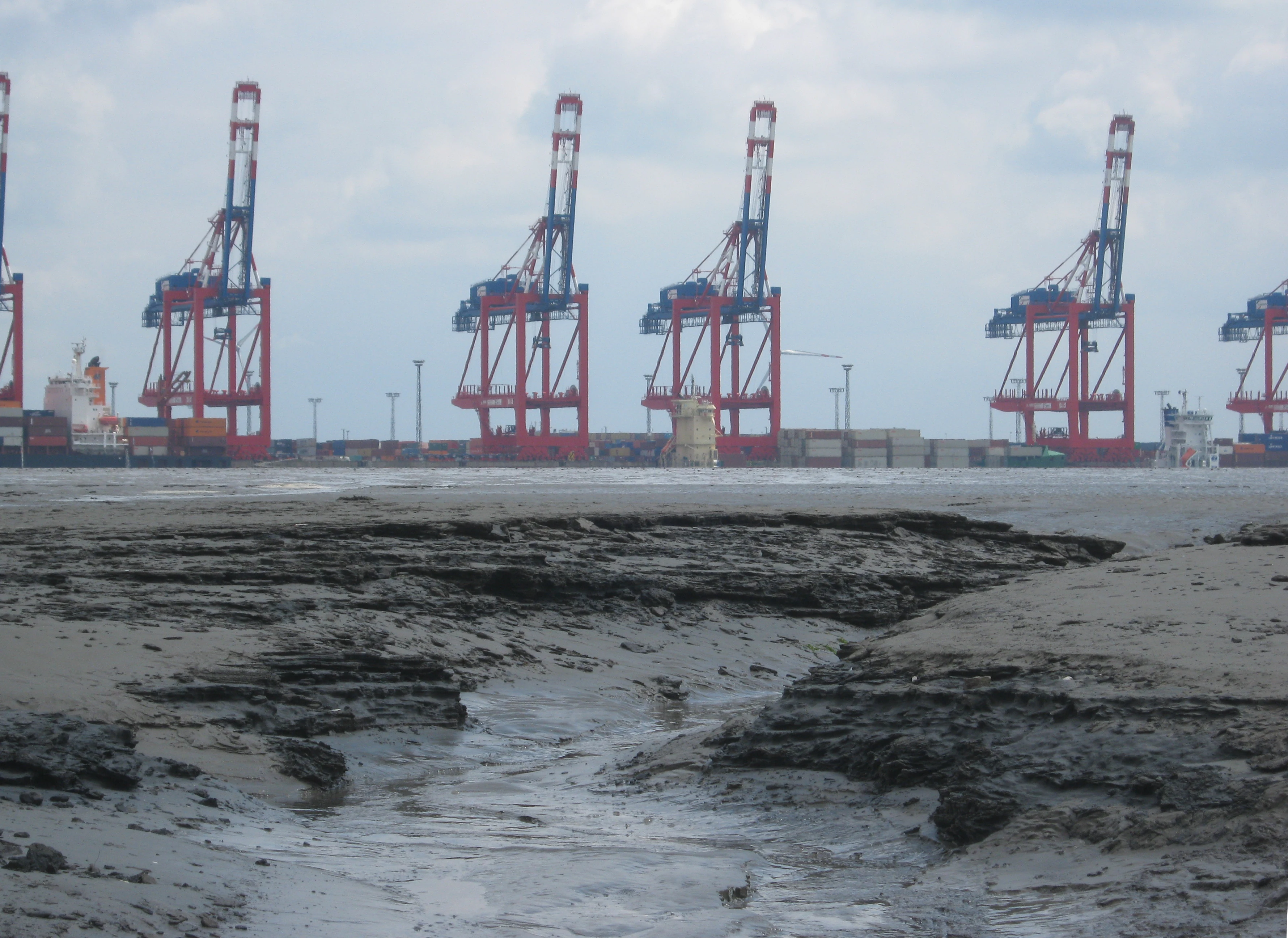
The Lower Saxon Wadden Sea offers visitors access to one of Europe's last great coastal wildernesses, where the drama of the tidal cycle reveals and conceals vast mudflats twice daily. Guided mudflat walks provide safe opportunities to explore this unique environment and observe the specialized creatures that inhabit the sediments. The East Frisian Islands themselves—some inhabited with traditional tourism infrastructure, others preserved as strict wilderness reserves—offer diverse experiences from developed beach holidays to intimate encounters with nature. The birdlife is exceptional, with spring and autumn migration bringing millions of waders, ducks, and geese to the area. The seal populations are accessible and visible, often hauling out on sandbanks visible from shore or during boat excursions. The 2009 World Heritage designation elevated international recognition of this landscape, while the long tradition of Ramsar protection underscores its significance as a wetland of global importance.

Best time to visit Lower Saxon Wadden Sea National Park

The Wadden Sea can be explored throughout the year, though each season offers distinct experiences tied to the rhythms of bird migration and tidal patterns. Spring brings massive waves of migrating waders and waterfowl heading to northern breeding grounds, with the salt marshes coming alive with breeding activity. Summer offers the warmest conditions for beach activities on the islands and the fullest flowering of salt marsh vegetation, though this is also the peak tourist season. Autumn migration sees enormous concentrations of birds building fat reserves before their southward journey, and the molting season brings large flocks of shelduck and eider. Winter, while less conventionally appealing for beach activities, offers a stark beauty and the opportunity to witness the landscape in its most austere mood, with fewer visitors and a different quality of light across the mudflats. Tidal timing matters regardless of season—visitors should plan activities around the low-tide windows when mudflat exploration is possible.
Park location guide

Geography guide, regional context, and park location map for Lower Saxon Wadden Sea National Park

Lower Saxon Wadden Sea National Park park geography, regions, and map view in Germany
Understand where Lower Saxon Wadden Sea National Park sits in Germany through a broader geographic reading of the surrounding landscape, nearby location context, and its mapped position within the national park landscape.

How Lower Saxon Wadden Sea National Park fits into Germany

Germany is a federal republic in Western and Central Europe with a population of over 83 million across sixteen constituent states. It is Europe's largest economy by nominal GDP and a major global exporter and importer. The capital is Berlin, and the country borders Denmark, Poland, Czech Republic, Austria, Switzerland, France, Luxembourg, Belgium, and the Netherlands.

Wider geography shaping Lower Saxon Wadden Sea National Park in Germany

Germany is located in Western and Central Europe, spanning 357,022 km². It borders Denmark to the north, Poland and the Czech Republic to the east, Austria and Switzerland to the south, and France, Luxembourg, Belgium, and the Netherlands to the west. The country has coastlines on the Baltic Sea and North Sea to the north, with the Alps located in the southern region.

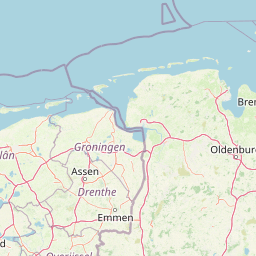
Map view of Lower Saxon Wadden Sea National Park

Use this park location map to pinpoint Lower Saxon Wadden Sea National Park in Germany, understand its exact geographic position, and read its mapped placement within the surrounding landscape more clearly.

Pigeon | © OpenStreetMap contributors

Location context for Lower Saxon Wadden Sea National Park

Lower Saxony
Park atlas

Discover adjacent protected areas, mapping regional park geography and coastal landscapes surrounding Lower Saxon Wadden Sea.

Explore Other National Parks and Protected Areas Near Lower Saxon Wadden Sea
Explore national parks and protected areas near Lower Saxon Wadden Sea National Park, discovering other significant coastal landscapes, wetlands, and island ecosystems across the region. Comparing these adjacent protected areas provides valuable insights into regional conservation efforts, diverse intertidal habitats, and the broader North Sea geography.
Watercolor illustration of rolling hills, a winding river, and distant mountains under a pale sky
National parkFriesland

Schiermonnikoog National Park: Protected Landscape and Geographic Atlas

Explore its unique dune systems, salt marshes, and Wadden Sea context.

Schiermonnikoog National Park in Friesland is a testament to actively evolving coastal geography, showcasing dynamic dune formations, extensive salt marshes, and diverse natural habitats. As a protected landscape within the UNESCO Wadden Sea, it offers a unique focus for understanding regional protected areas and the intricate interplay of wind, water, and sediment shaping the North Sea coastline. Discover the park's ecological significance and its mapped terrain through MoriAtlas's structured geographic exploration.

Area
54 km²
Established
1989
IUCN
II
Relief
Lowland
National parkHamburg

Hamburg Wadden Sea National Park: North Sea Tidal Landscape and Protected Area

Explore the mapped geography of this unique coastal national park.

Hamburg Wadden Sea National Park, a vital part of the UNESCO-listed Wadden Sea, showcases a unique dynamic landscape of intertidal mudflats, sandbars, and dune islands. This protected national park provides critical habitat for numerous bird species and marine mammals, offering an unparalleled opportunity to study tidal ecosystem dynamics and coastal geography through detailed mapping and atlas exploration.

Area
137.5 km²
Established
1990
IUCN
II
Watercolor painting of a lake surrounded by green fields and distant mountains.
National park

Lauwersmeer National Park: Mapped Wetland Landscape and Migratory Bird Atlas

Explore protected Dutch Wadden Sea geography and terrain.

Discover Lauwersmeer National Park, a protected wetland in the Netherlands shaped by its post-enclosure transformation. This national park offers a unique glimpse into evolving ecosystems, serving as a vital corridor for migratory birds and showcasing a distinctive flat, open landscape with extensive water and reed environments. Its position within the Wadden Sea UNESCO World Heritage Site highlights its broader ecological importance. Explore the mapped geography, land-use patterns, and characteristic terrain of this dynamic protected area, known for its natural darkness and diverse avian populations.

Area
60 km²
Established
2003
IUCN
II
Relief
Lowland
National parkDrenthe

Drentsche Aa National Park: Preserved Cultural Landscape & River Valley Geography

Explore Drenthe's unique protected lands and mapped terrain.

Drentsche Aa National Park stands as a testament to a landscape preserved from the mid-19th century, offering a rare glimpse into traditional Dutch rural life. Situated in the province of Drenthe, this protected area features one of the last relatively untouched river systems in the Netherlands, characterized by meandering brooks, ancient hedgerows, and distinctive esdorp villages. The park's geography is influenced by the Saalien ice age Hondsrug ridge, creating a unique terrain of heathlands, sand dunes, and rolling landscapes ideal for atlas-based discovery.

Area
100 km²
Established
2002
IUCN
II
Relief
Lowland
Watercolor illustration of a landscape with green fields, trees, a body of water, and distant hills under a light sky
National parkDrenthe

Drents-Friese Wold National Park: Protected Landscape and Geographic Exploration in Drenthe

Explore unique heathlands, drift-sands, and regional natural geography.

This entry details Drents-Friese Wold National Park, a crucial protected landscape in the Drenthe province. Understand its mapped boundaries, distinctive heath and drift-sand terrain, and its significance as a natural area. Discover the park's regional geographic setting and its role in the broader Dutch landscape atlas, providing context for its unique ecological and historical character.

Area
61 km²
Established
2000
IUCN
II
Relief
Lowland
National parkFriesland

De Alde Feanen National Park: Explore Friesland's Historic Peat Bog Landscape

Protected wetland terrain and abundant birdlife in the Netherlands.

Delve into the intricate mapped geography of De Alde Feanen National Park, a national park renowned for its exceptional lowland peat bog ecosystem. This protected area in Friesland showcases a unique terrain comprising shallow lakes, reed beds, and historic peat extraction pools, offering significant ecological and cultural value. The park's landscape provides vital habitats and serves as a testament to the region's long history of human engagement with wetland environments, making it a key destination for atlas-driven geographic discovery.

Area
25 km²
Established
2006
IUCN
II
Relief
Lowland
National parkDrenthe

Dwingelderveld National Park: Drenthe's Vast Wet Heathland and Unique Pingo Lakes

Explore a protected landscape of heath, bogs, and ancient geography.

Dwingelderveld National Park represents a significant protected landscape in the Drenthe region of the Netherlands, celebrated as the largest wet heathland in Western Europe. This 37-square-kilometer area provides exceptional opportunities for atlas exploration, revealing a terrain composed of sandy ridges interspersed with waterlogged depressions. The park's defining features include more than forty natural pools, known as vennen, many of which are geologically important pingo-ruins. Discover the rich archaeological heritage, including ancient Celtic fields and burial mounds, all situated within this unique natural setting. MoriAtlas offers a structured view of Dwingelderveld National Park's distinct geography and protected ecological value.

Area
37 km²
Established
1991
IUCN
II
Relief
Lowland
Watercolor illustration of a landscape with green hills, a body of water, and grassy foregrounds
National parkSchleswig-Holstein

Schleswig-Holstein Wadden Sea National Park: Germany's Largest Protected Tidal Landscape

Explore the mapped geography of this vital North Sea national park.

Schleswig-Holstein Wadden Sea National Park is a monumental protected area, recognized globally as a UNESCO World Heritage Site for its extraordinary tidal wetland ecosystem. This page offers detailed insights into its geographic scope, from the North Frisian Islands to the Elbe estuary, highlighting the dynamic interplay of mudflats, salt marshes, and coastal terrain. Discover the park's critical role as a migratory bird flyway and marine nursery, providing rich data for geographic and atlas exploration of this unique North Sea protected landscape.

Area
4,410 km²
Established
1985

Common questions about visiting, size, designation, and location context for Lower Saxon Wadden Sea National Park

Lower Saxon Wadden Sea National Park FAQs for park facts, access, geography, and protected area context
Find quick answers about Lower Saxon Wadden Sea National Park, including protected-area facts, park geography, trail and visitor context, and how the park fits into its surrounding country and regional landscape.
MoriAtlas Explorer

Continue Your Protected Areas Search Across the Global Atlas

Deepen your exploration by continuing the structured search for national parks and protected areas worldwide. Utilize the comprehensive filtering capabilities to compare different conservation landscapes and refine your understanding of global park geography. Discover more about the distribution and characteristics of protected natural areas.

Global natural geography