Mori Atlas logo
National parkPäijänne National Park

Discover a unique protected landscape shaped by glacial forces on Lake Päijänne.

Päijänne National Park: Finland's Southern Lake Archipelago National Park

(Päijänteen kansallispuisto)

Päijänne National Park offers an exceptional atlas exploration of Finland's island wilderness, situated across the vast expanse of Lake Päijänne within the Päijät-Häme region. This national park is characterized by approximately 50 undeveloped islands, showcasing ancient bedrock formations, glacial moraines, esker ridges, and kettle holes. Navigate this mapped archipelago to understand its unique boreal island ecosystems and the dramatic terrain forged by two-billion-year-old geology and recent ice ages.

National parkArchipelagoLake PäijänneIsland wildernessBoreal forestSouthern Finland

Päijänne National Park

National park

Park overview

Structured park overview, official facts, and landscape profile for Päijänne National Park

Päijänne National Park park facts, protected area profile, and essential visitor context
Review the core facts for Päijänne National Park, including designation, size, terrain, visitor scale, habitats, and operating context in one park-focused overview.

About Päijänne National Park

Päijänne National Park protects a remarkable archipelago ecosystem in the southern basin of Lake Päijänne, Finland's second-largest lake. The park spans approximately 50 islands ranging from tiny islets to substantial landmasses like Kelvenne, the largest island, which features extensive lagoon systems and is a favored destination for sailors and kayakers. The landscape is geologically diverse, combining ancient Precambrian bedrock islands that represent remnants of long-eroded mountain ranges with more recent glacial deposits that form distinctive esker ridges and kettle hole formations. Access to most of the park requires boat travel, as the islands are scattered across the lake's southern archipelago. This isolation has helped preserve the natural character of the unbuilt islands while allowing portions of the surrounding inhabited islands to maintain their cultural landscape. The park provides important habitat for boreal forest communities, bird populations, and aquatic ecosystems characteristic of large Finnish lakes.

Quick facts and research context for Päijänne National Park

Päijänne National Park is located in the Päijät-Häme region of southern Finland, occupying the southern archipelago of Lake Päijänne, the nation's second-largest lake. The park consists of about 50 undeveloped islands and sections of inhabited islands, with landscapes ranging from sandy beach ridges to rocky cliffs and moraine formations. The largest island, Kelvenne, features lagoon-like bays and is a particularly popular destination for boating enthusiasts. The park's geology is remarkably ancient, with bedrock and moraine islands dating back over two billion years, representing remnants of ancient mountain systems. Pulkkilanharju, a notable esker ridge, and the rock wall at Haukkasalo, reaching over 30 meters in height, represent the park's most distinctive geological features.

Park context

Deeper park guide and search-rich context for Päijänne National Park

Päijänne National Park history, landscape, wildlife, and travel context
Explore Päijänne National Park through its history, landscape character, ecosystems, wildlife, conservation priorities, cultural context, and seasonal travel timing in a structured park guide built for atlas discovery and search intent.

Why Päijänne National Park stands out

Päijänne National Park is best known for its island wilderness character and diverse archipelago landscapes on Finland's second-largest lake. The park's unspoiled islands, ranging from sandy beach ridges to rocky cliff faces, offer a distinctive boreal island exploration experience. The largest island, Kelvenne, with its network of sheltered lagoons, is particularly famous as a boating destination. The dramatic Haukkasalo cliff, rising over 30 meters, is the park's most imposing geological feature and home to a historic rock painting site. The ancient geological foundation, with rocks over two billion years old, gives the islands a unique character among Finnish protected areas.

Päijänne National Park history and protected-area timeline

Päijänne National Park was established in 1993 as part of Finland's expansion of its national park network during the early 1990s. The creation of the park reflected growing recognition of the ecological and scenic value of Lake Päijänne's southern archipelago, which had long served as a recreational area for residents of southern Finland. The protection designation aimed to preserve the natural islands while allowing continued traditional uses and access. Management of the park falls to Metsähallitus, the Finnish state-owned entity responsible for national parks and other protected areas. The park has developed infrastructure including trails and viewing platforms, such as the observation tower on Päijätsalo island, though some facilities like the tower required restoration work in recent years. The area has historical connections to traditional fishing communities, with Haapasaari hosting what is described as the last remaining fishing farm building in the southern Päijänne region.

Päijänne National Park landscape and geographic character

The landscape of Päijänne National Park is defined by its island setting within Lake Päijänne, Finland's second-largest lake with a total area of over 1,000 square kilometers. The park's islands display two distinct geological characters: the ancient rocky and moraine islands that form the core of the archipelago, and the more recent glacial deposit formations including esker ridges and beach areas. The ancient bedrock islands, particularly evident at Haukkasalo and Iso Lammassaari, represent some of the oldest rock formations in Finland, exceeding two billion years in age. The most dramatic relief is found at Haukkasalo, where a cliff wall rises over 30 meters above the lake, the tallest rock face in the park. Kelvenne, the largest island, features a distinctive landscape of beach ridges and sheltered lagoon bays formed from kettle holes that developed during the last Ice Age. Pulkkilanharju is a notable esker formation that runs through the archipelago, representing glacial meltwater deposits that created long ridgelike features across the landscape.

Päijänne National Park ecosystems, habitats, and plant life

Päijänne National Park protects boreal island ecosystems characteristic of southern Finland's lake environments. The islands support forest communities typical of the region, including coniferous forests with spruce and pine, along with mixed forest areas. The island habitats provide important nesting and breeding areas for waterfowl and bird species associated with lake environments. The diverse shoreline environments, from rocky shores to sandy beaches and lagoon systems, support varied plant communities adapted to island conditions. The aquatic environment of Lake Päijänne surrounding the islands contributes to the overall ecological character of the park, with the lake's extensive size creating conditions for specialized littoral and pelagic communities.

Päijänne National Park wildlife and species highlights

The wildlife of Päijänne National Park reflects the boreal lake island environment of southern Finland. The islands and surrounding waters provide habitat for various waterfowl species that nest on the lake's islands and sheltered bays. The diverse shoreline environments attract bird species associated with wetland and lake edge habitats. The forest-covered portions of larger islands support typical boreal forest fauna including various songbirds, squirrels, and small mammals. The lake waters contain fish populations that have traditionally supported fishing activities in the region, with the area's fishing heritage reflected in historical structures like the fishing farm at Haapasaari.

Päijänne National Park conservation status and protection priorities

Päijänne National Park serves as an important protected area for Finland's lake archipelago ecosystems. The park designation protects the unbuilt character of approximately 50 islands, preserving natural habitats that might otherwise face development pressure in the populated southern Finnish lake region. The protection of these islands helps maintain biodiversity values associated with lake island environments, including nesting habitat for colonial waterbirds and natural shoreline communities. The geological features, including the ancient bedrock formations and glacial deposit structures, represent scientific and educational values that the park designation helps preserve. The park also contributes to the broader conservation network in Päijät-Häme, connecting with other protected areas in the region.

Päijänne National Park cultural meaning and human context

The Päijänne archipelago has historically supported traditional fishing communities, with the lake serving as an important fishery for local populations. Haapasaari contains what is identified as the last remaining fishing farm building from the traditional fishing operations in southern Päijänne, representing the cultural connection between local communities and the lake environment. The park encompasses portions of islands that remain inhabited, maintaining the cultural landscape character of the broader archipelago while protecting the natural values of undeveloped islands. The observation tower on Päijätsalo reflects the tourism and recreational heritage of the area, though the structure recently required restoration work.

Top sights and standout views in Päijänne National Park

Päijänne National Park stands out as a distinctive island wilderness experience within southern Finland, offering visitors the opportunity to explore a lake archipelago with ancient geological foundations and diverse island landscapes. The largest island, Kelvenne, with its lagoon-studded coastline, represents a particular highlight for visitors with boats or kayaks, providing sheltered anchorages and beach access. The dramatic cliff at Haukkasalo, rising over 30 meters and featuring a prehistoric rock painting, offers both scenic and cultural interest. The park's geology, with rocks exceeding two billion years in age, provides a tangible connection to Finland's ancient geological history. The opportunity to island-hop through a chain of unspoiled islands, accessible only by boat, distinguishes this park from Finland's forest-dominated continental protected areas.

Best time to visit Päijänne National Park

The best time to visit Päijänne National Park aligns with Finland's brief but pleasant summer season, typically from June through August, when boat services to the islands operate regularly and outdoor recreation conditions are most favorable. The shoulder seasons of late spring and early autumn offer quieter conditions for visitors seeking more solitary exploration, though access services may be reduced and weather conditions more variable. Winter visiting is limited given the island setting and ice conditions on the lake, though the snow-covered archipelago has its own stark appeal for winter visitors with appropriate equipment and experience.
Park location guide

Geography guide, regional context, and park location map for Päijänne National Park

Päijänne National Park park geography, regions, and map view in Finland
Understand where Päijänne National Park sits in Finland through a broader geographic reading of the surrounding landscape, nearby location context, and its mapped position within the national park landscape.

How Päijänne National Park fits into Finland

Finland, officially the Republic of Finland, is a Nordic country in Northern Europe with a population of 5.6 million. It borders Sweden, Norway, and Russia, with the Gulf of Bothnia to the west and the Gulf of Finland to the south. The country gained independence from Russia in 1917 and is a unitary parliamentary republic. Its landscape is characterized by extensive boreal forests and over 180,000 lakes.

Wider geography shaping Päijänne National Park in Finland

Finland is located in Northern Europe, occupying a peninsula bordered by the Gulf of Bothnia to the west and the Gulf of Finland to the south. It shares land borders with Sweden to the northwest, Norway to the north, and Russia to the east. The terrain is predominantly flat with extensive forest coverage and numerous lakes.

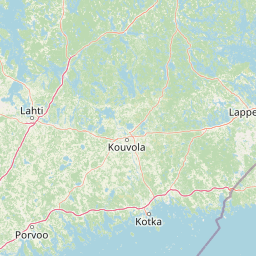
Map view of Päijänne National Park

Use this park location map to pinpoint Päijänne National Park in Finland, understand its exact geographic position, and read its mapped placement within the surrounding landscape more clearly.

Pigeon | © OpenStreetMap contributors

Location context for Päijänne National Park

Päijät-Häme
Park atlas

Trace broader protected landscapes and regional park geography, comparing beyond Päijänne National Park.

Explore Other National Parks and Protected Areas Around Päijänne National Park
Continue your exploration beyond Päijänne National Park by browsing other nearby protected areas, tracing their geographic spread and landscape characteristics across Finland. Compare different national park types, understand regional conservation efforts, and discover how these protected landscapes connect within the broader Finnish park atlas.
National park

Isojärvi National Park: Finland's Protected Landscape with Dynamic Beaver-Shaped Terrain

Central Finland's boreal forest, ravines, and lake district geography.

Isojärvi National Park offers a unique atlas perspective on Central Finland's protected natural landscapes. This national park is characterized by a dynamic boreal environment, featuring steep hills, deep ravines, and varied topography shaped by both ancient geological processes and contemporary beaver activity. Discover the mapped boundaries of this protected area, its central role in the Finnish lake district's geography, and the distinctive wetland habitats created by beavers that enhance its ecological diversity. It serves as a key point for understanding regional landscape context and protected land exploration.

Area
19 km²
Established
1982
IUCN
II
Visitors
24.4K annual
National parkCentral Finland

Leivonmäki National Park: Mapped Protected Landscape in Central Finland

Detailed geographic context for this Finnish national park.

Leivonmäki National Park offers a specific focus on a single protected landscape within the broader geography of Central Finland. This page provides users with detailed information centered on the park's mapped boundaries and its role as a national park. It is designed to be a foundational entry within the MoriAtlas discovery platform, helping users understand the park's geographic setting and its protected area status for informed exploration.

Area
29 km²
Established
2003
IUCN
II
Visitors
29.1K annual
Watercolor illustration showing a landscape with mountains, a winding river, and patches of green vegetation and trees
National parkFinland

Repovesi National Park: Finland's Boreal Wilderness and Protected Landscape

Explore mapped terrain and regional geography.

Repovesi National Park represents a significant protected natural area in southeastern Finland, showcasing a landscape characterized by dense boreal forests, rolling hills, and numerous lakes. As one of Finland's most visited national parks, it offers a compelling example of conserved wilderness and natural terrain. This page details the park's protected landscape identity, its geographic setting within Finland, and the atlas-driven insights available for exploring its mapped boundaries and natural features.

Area
15 km²
Established
2003
IUCN
II
Visitors
100.9K annual
Watercolor painting depicting a landscape with hills, forests, and a river using muted colors
National parkPirkanmaa

Helvetinjärvi National Park: Protected Landscape and Geographic Context in Pirkanmaa

Mapped national park boundaries and regional natural terrain.

Delve into the details of Helvetinjärvi National Park, a protected area within the Pirkanmaa region of Finland. This atlas entry highlights the park's mapped geographic features and its identity as a national park. Understand the protected landscape and its place in the broader Finnish geography, offering structured insights for map-based discovery.

Area
49.8 km²
Established
1982
IUCN
II
Visitors
44K annual
Watercolor painting showing a lake surrounded by vegetation with rolling hills in the background
National parkKanta-Häme

Liesjärvi National Park: Protected Landscape in Kanta-Häme's Finnish Lakeland

Explore its mapped geography and protected area context.

Liesjärvi National Park is a designated national park situated in the Kanta-Häme region, a landscape rich with the characteristic features of southern Finland's Finnish Lakeland. This page serves as a focused entry point for understanding the park's protected status, its unique geographic setting, and its contribution to the regional atlas of natural landscapes. By examining Liesjärvi National Park, users gain insight into the mapped terrain and conservation efforts that define this part of Finland, fostering a deeper appreciation for protected areas.

Area
22 km²
Established
1956
IUCN
II
Visitors
57.3K annual
National parkKymenlaakso

Valkmusa National Park: Protected Area Atlas & Kymenlaakso Geography

Mapped natural landscape context within southeastern Finland.

Valkmusa National Park offers a unique opportunity for structured exploration of Finland's protected areas. Within the Kymenlaakso region, this national park presents a specific geographic identity for map-based discovery. Understand its protected landscape, mapped terrain, and regional context to build a comprehensive picture of southeastern Finland's natural geography through MoriAtlas.

Area
17 km²
Established
1996
IUCN
II
Visitors
20.3K annual
Watercolor illustration showing green trees, a river, and rolling hills under a soft sky
National parkUusimaa

Sipoonkorpi National Park: Protected Landscape and Geography in Uusimaa

Explore Finland's key national park and its natural terrain.

Discover Sipoonkorpi National Park, a vital protected landscape in Finland's Uusimaa region. This page offers detailed insight into its mapped boundaries, diverse boreal forests, extensive swamp areas, and the unique terrain that defines this significant natural area. Understand its role as one of the last undeveloped green spaces near the Helsinki metropolitan area and explore its geographic context within southern Finland.

Area
18.57 km²
Established
2011
IUCN
II
Visitors
165.5K annual
Watercolor painting of a lake surrounded by trees with a colorful sky.
National parkFinland

Seitseminen National Park: Ancient Boreal Forests and Vast Mire Systems in Finland

Explore mapped terrain and protected wilderness landscapes.

Seitseminen National Park represents a significant protected area in western Finland, characterized by classic boreal forest ecosystems interspersed with extensive mire and bog landscapes. The park's geography includes the notable Seitsemisharju esker, contributing to its diverse terrain. As a sanctuary for ancient forests, including the historic Multiharju primeval forest, Seitseminen offers a unique focus for understanding Finnish protected wilderness and its mapped geographic features within the Nordic context.

Area
45.5 km²
Established
1982
IUCN
II
Visitors
42.3K annual

Common questions about visiting, size, designation, and location context for Päijänne National Park

Päijänne National Park FAQs for park facts, access, geography, and protected area context
Find quick answers about Päijänne National Park, including protected-area facts, park geography, trail and visitor context, and how the park fits into its surrounding country and regional landscape.
MoriAtlas Explorer

Continue Your Protected Areas Search Across the Global Atlas

Deepen your exploration by continuing the structured search for national parks and protected areas worldwide. Utilize the comprehensive filtering capabilities to compare different conservation landscapes and refine your understanding of global park geography. Discover more about the distribution and characteristics of protected natural areas.

Global natural geography