Mori Atlas logo
National parkSchiermonnikoog National Park

Discover the dynamic dune systems, salt marshes, and protected boundaries of this unique Wadden Sea island.

Schiermonnikoog National Park: Protected Landscape and Geographic Atlas in Friesland

(Nationaal Park Schiermonnikoog)

Schiermonnikoog National Park represents one of the most vital protected natural areas within the Netherlands, situated on the island of Schiermonnikoog in the province of Friesland. This park, established in 1989, showcases a rare example of a naturally evolving coastal landscape, characterized by extensive dune systems, vital salt marshes, and diverse habitats. Its position within the UNESCO-listed Wadden Sea highlights its significance as a key component of a globally important tidal ecosystem, offering unparalleled opportunities for geographic and protected-area discovery.

Wadden Sea islandsNational parksCoastal dunesSalt marshesBirdwatchingMigratory birds
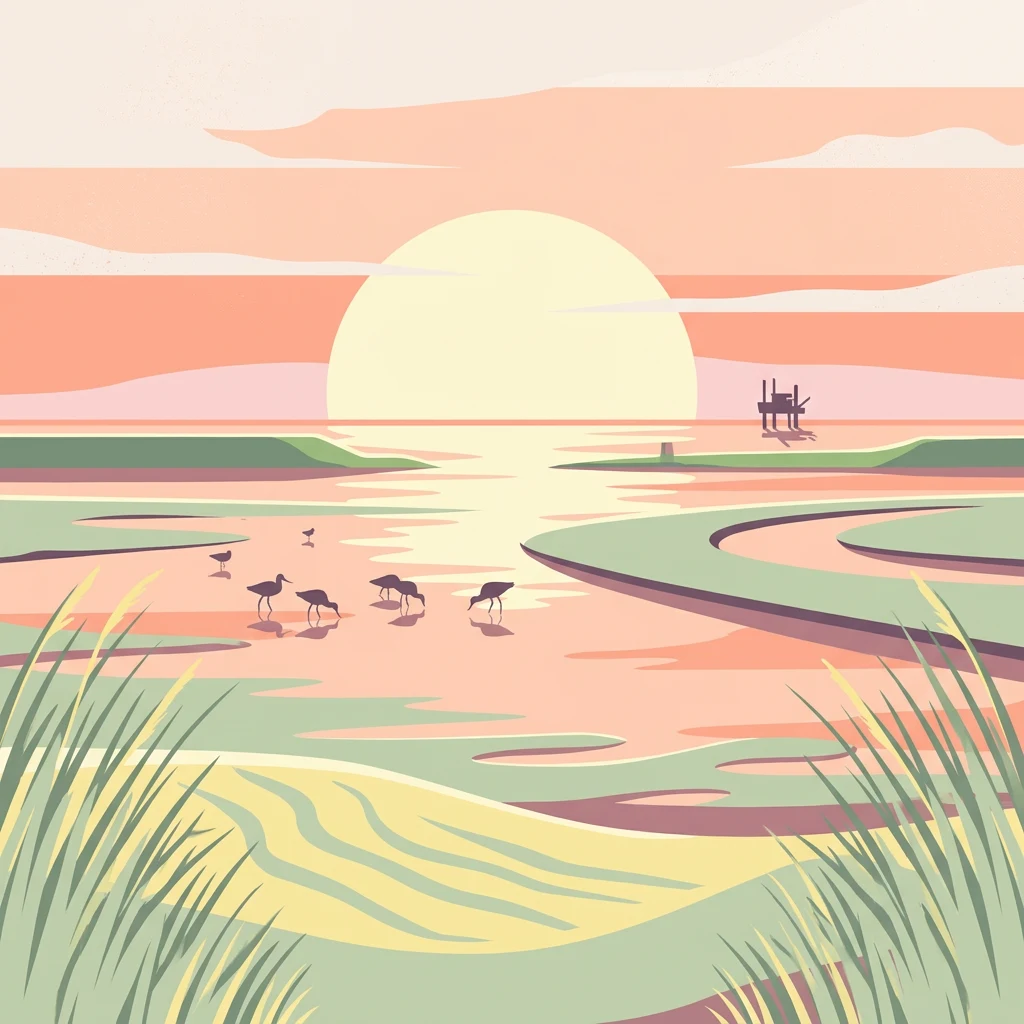
Illustration of coastal marshland with water channels, grasses, birds, and a sunset

Schiermonnikoog National Park

National park

Park overview

Structured park overview, official facts, and landscape profile for Schiermonnikoog National Park

Schiermonnikoog National Park park facts, protected area profile, and essential visitor context
Review the core facts for Schiermonnikoog National Park, including designation, size, terrain, visitor scale, habitats, and operating context in one park-focused overview.

About Schiermonnikoog National Park

Schiermonnikoog National Park protects the largest portion of the island that shares its name, situated in the Wadden Sea off the northern coast of the Netherlands. The island emerged during the last glacial period and has continually reshaped itself through natural processes of sand drifting, erosion, and tidal sedimentation, making it a textbook example of a dynamic tidal landscape. Human presence on the island has historically been minimal, with most early inhabitants engaged in fishing. Around 1900, the Dutch state initiated forestry programs to combat sand drift and stabilize the island, alongside construction of dikes to protect the population. Some marshes were embanked over time and converted to agricultural polders, though the core natural areas remained largely intact. Today the park presents a layered landscape of ancient parabolic dunes, young dune valleys, coastal salt marshes, coniferous and deciduous forests, freshwater bodies, and extensive tidal flats. The surrounding Waddenzee, added to the World Heritage List in 2009, forms an integral part of the park's ecological character. Visitor access is limited by the island's isolation and prohibition of cars, contributing to the park's reputation as one of the most effectively protected national parks in the Netherlands.

Quick facts and research context for Schiermonnikoog National Park

Schiermonnikoog is one of the most untouched islands in the Wadden Sea and ranks among the most natural areas in the Netherlands. The island's landscape has been shaped by continuous coastal processes of sand movement and tidal dynamics. The park contains the Ramsar-designated wetland "Duinen Schiermonnikoog" and falls within the Natura 2000 European conservation network. Management is handled by Natuurmonumenten in partnership with Rijkswaterstaat, with particular focus on making dune systems more dynamic and protecting breeding bird colonies. The island's isolation, combined with restrictions on visitor car access, has helped make this one of the best-protected Dutch national parks.

Park context

Deeper park guide and search-rich context for Schiermonnikoog National Park

Schiermonnikoog National Park history, landscape, wildlife, and travel context
Explore Schiermonnikoog National Park through its history, landscape character, ecosystems, wildlife, conservation priorities, cultural context, and seasonal travel timing in a structured park guide built for atlas discovery and search intent.

Why Schiermonnikoog National Park stands out

Schiermonnikoog is best known for its dynamic dune systems, which represent a rare example of naturally evolving coastal landscapes in the Netherlands. The island serves as a critical habitat for nesting seabirds, particularly the eider duck, which breeds here with approximately 2,000 pairs. The salt marshes, or kwelders, along the southern coast are vital for migratory birds travelling between Siberia and Greenland. The park's position within the Wadden Sea, a UNESCO World Heritage site, underscores its international importance as a coastal ecosystem supporting grey seals, common seals, and diverse marine life. The transformation of former pine plantations back to deciduous woodland represents an ongoing ecological restoration effort.
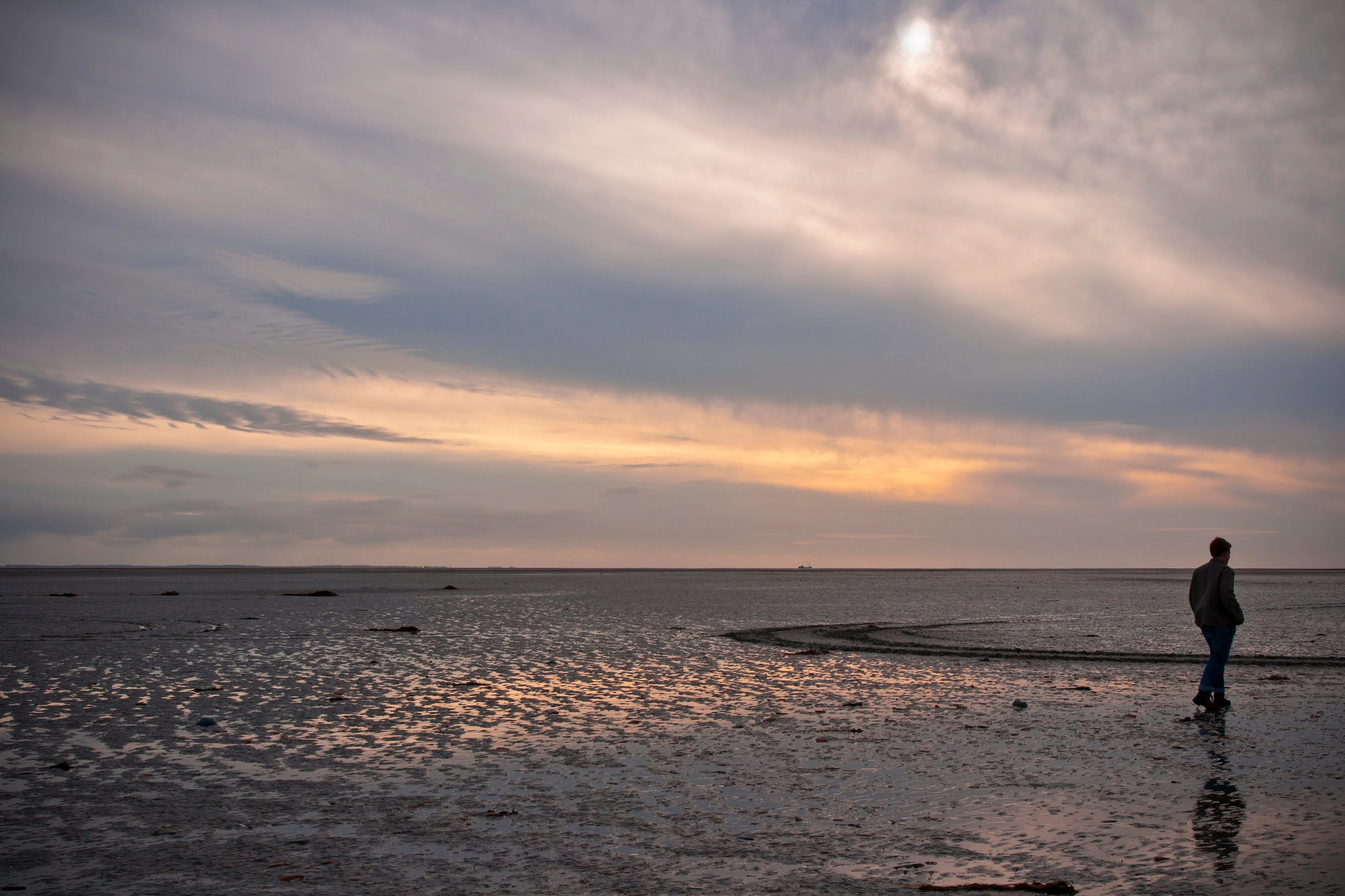
A person standing on wet sandy flats under a partly cloudy sky with sunset colors
Silhouette of a person standing on De Balg sandbank at sunset

Schiermonnikoog National Park history and protected-area timeline

Schiermonnikoog National Park was officially established on 19 July 1989 through a decision of the Minister of Agriculture and Fisheries, marking it as the first Dutch national park created according to modern conservation standards. Prior to protection, the island had long supported a small population of fishermen who lived with the challenging coastal conditions. The state began systematic forestry efforts around 1900 to stabilize shifting sands that threatened the island's habitability. Dikes were constructed to provide security against flooding, and selected marshes were converted to agricultural polders through embankment. Throughout the 20th century, tourism and recreation gradually increased in importance, leading to parts of the island being designated as nature reserves. The establishment of the national park institutionalized comprehensive protection, with management responsibilities delegated to Natuurmonumenten, the Dutch nature conservation organization, while Rijkswaterstaat maintains oversight of coastal protection. The Ramsar designation for the wetland "Duinen Schiermonnikoog" was formalised on 29 August 2000, recognizing its international importance as a coastal wetland ecosystem.

Schiermonnikoog National Park landscape and geographic character

The landscape of Schiermonnikoog reflects the ongoing interaction between wind, water, and sediment that defines the Wadden Sea region. The island's foundation dates to the last glacial period, and its shape has remained in flux ever since, with sand drifting, erosion, and sedimentation continuously reshaping the coastline. The park contains a full spectrum of dune types, from old parabolic dunes to recently formed young dune valleys, each supporting different stages of plant succession. The salt marshes, locally called kwelders, lie along the southern edge bordering the Waddenzee, where tidal flooding deposits sediment and builds the marsh elevation over time. Former embanked marshes have become agricultural polders, contrasting with the natural wetland areas. Freshwater lakes occur in depressions within the dune system, while the tidal flats and beaches extend the landscape into the sea. A small lake and the village of Schiermonnikoog represent the human presence within the otherwise natural landscape.
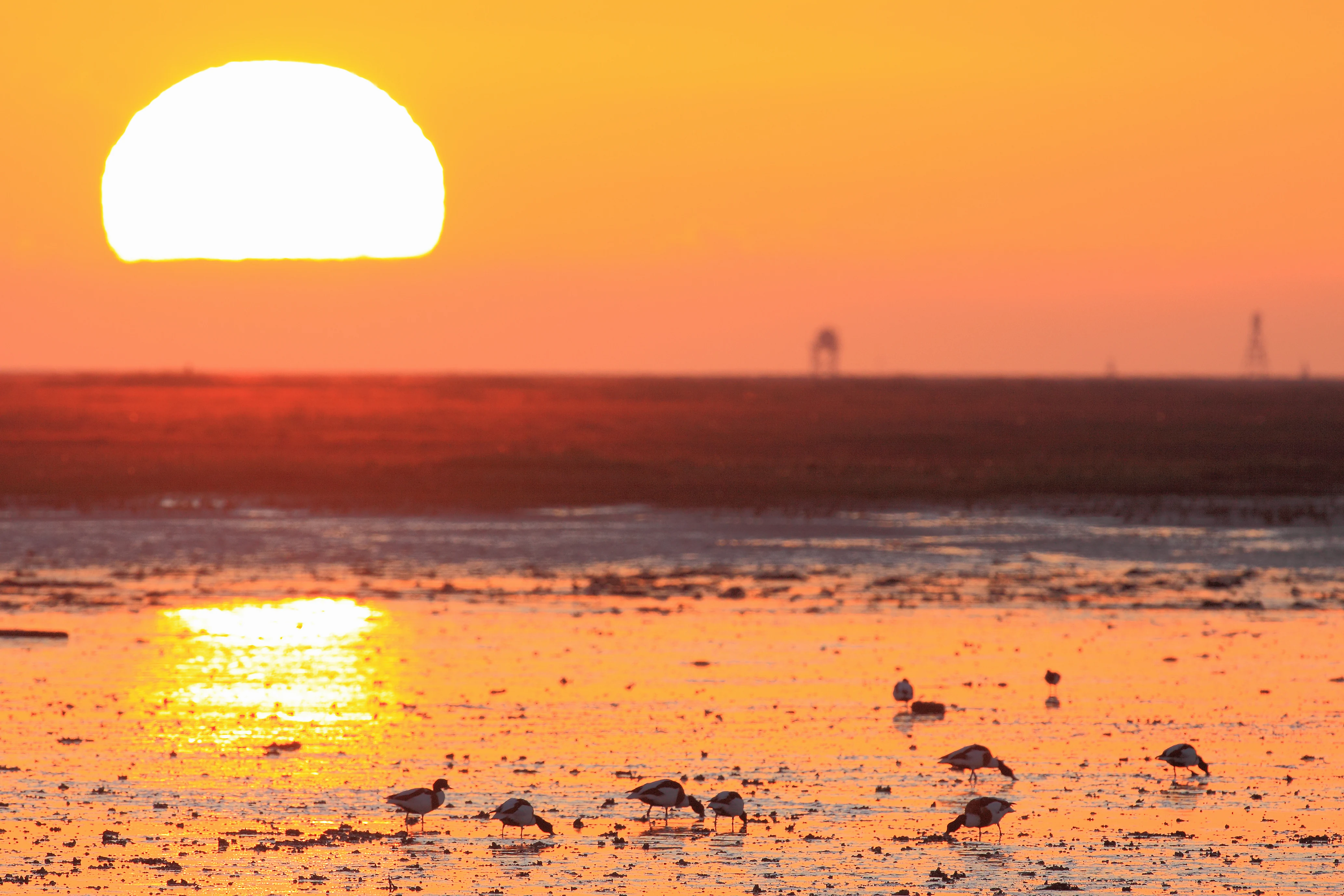
Sunset over a wetland area with several birds wading in shallow water and a reflection of the sun on the water's surface
Sunset over the tidal flats of Schiermonnikoog National Park with wading birds

Schiermonnikoog National Park ecosystems, habitats, and plant life

The ecological character of Schiermonnikoog derives from the interplay of terrestrial, freshwater, and marine habitats within a dynamic coastal setting. Dune vegetation progresses from bare sand through moss and lichen communities to specialized shrubs including sea-buckthorn, hawthorn, and honeysuckle as soil conditions stabilize. The salt marsh zones support specialized halophytic plants such as sea lavender, sea wormwood, sea aster, and glasswort, which tolerate regular tidal inundation. Former pine plantations established in the 20th century to combat sand drift are being progressively converted to deciduous woodland, allowing species like silver birch to replace conifers. The underwater environment supports eelgrass beds and diverse seaweed communities, while the tidal flats provide critical foraging grounds for seabirds. The surrounding Waddenzee functions as a nursery area for many fish species and serves as a vital passage for migratory birds traversing between Arctic breeding grounds and more southern wintering areas.
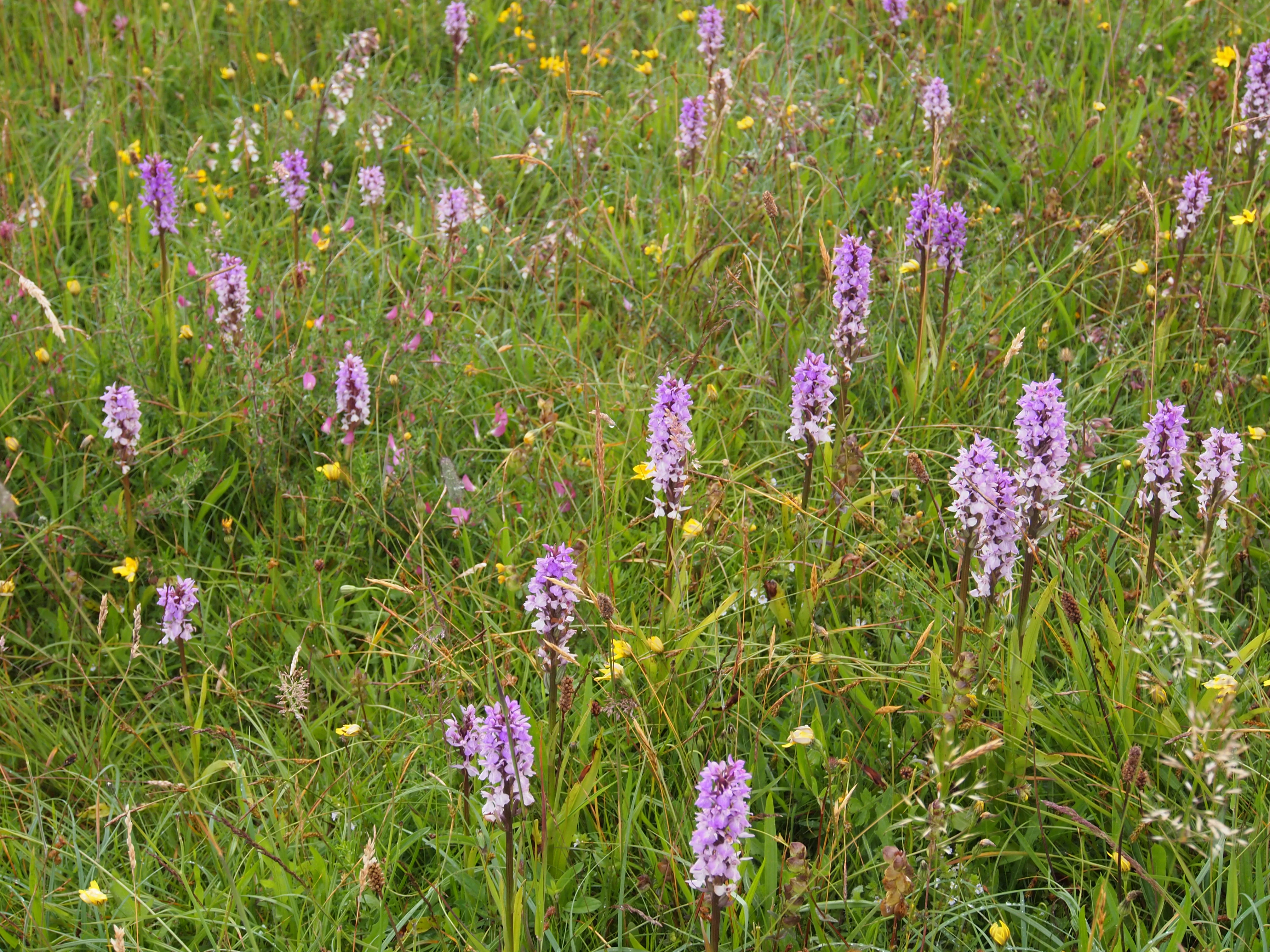
Grassy field with multiple purple orchids and scattered yellow wildflowers
Numerous purple orchids in a grassy field at Schiermonnikoog National Park

Schiermonnikoog National Park wildlife and species highlights

Schiermonnikoog supports an exceptionally rich bird population that changes markedly with the seasons. The island serves as an important breeding ground for seabirds including the eider, with approximately 2,000 nesting pairs, as well as common shelduck, hen harrier, and wheatear. The Oosterkwelder salt marsh hosts significant colonies of Eurasian spoonbill and little egret, while the woodlands provide habitat for species such as Eurasian woodcock and common redstart. During migration and winter, the island becomes a crucial staging area for waders originating from Siberian and Greenlandic breeding grounds, including sanderling, red knot, and black-tailed godwit. Mammal populations include grey seal and common seal in the surrounding waters, while rabbits, once abundant, have declined dramatically due to rabbit haemorrhagic disease. A roe deer was recorded on the island in 2009, representing the first sighting in fifteen years. The dune pearl-related butterflyArgynnis niobe represents a particularly notable insect species.
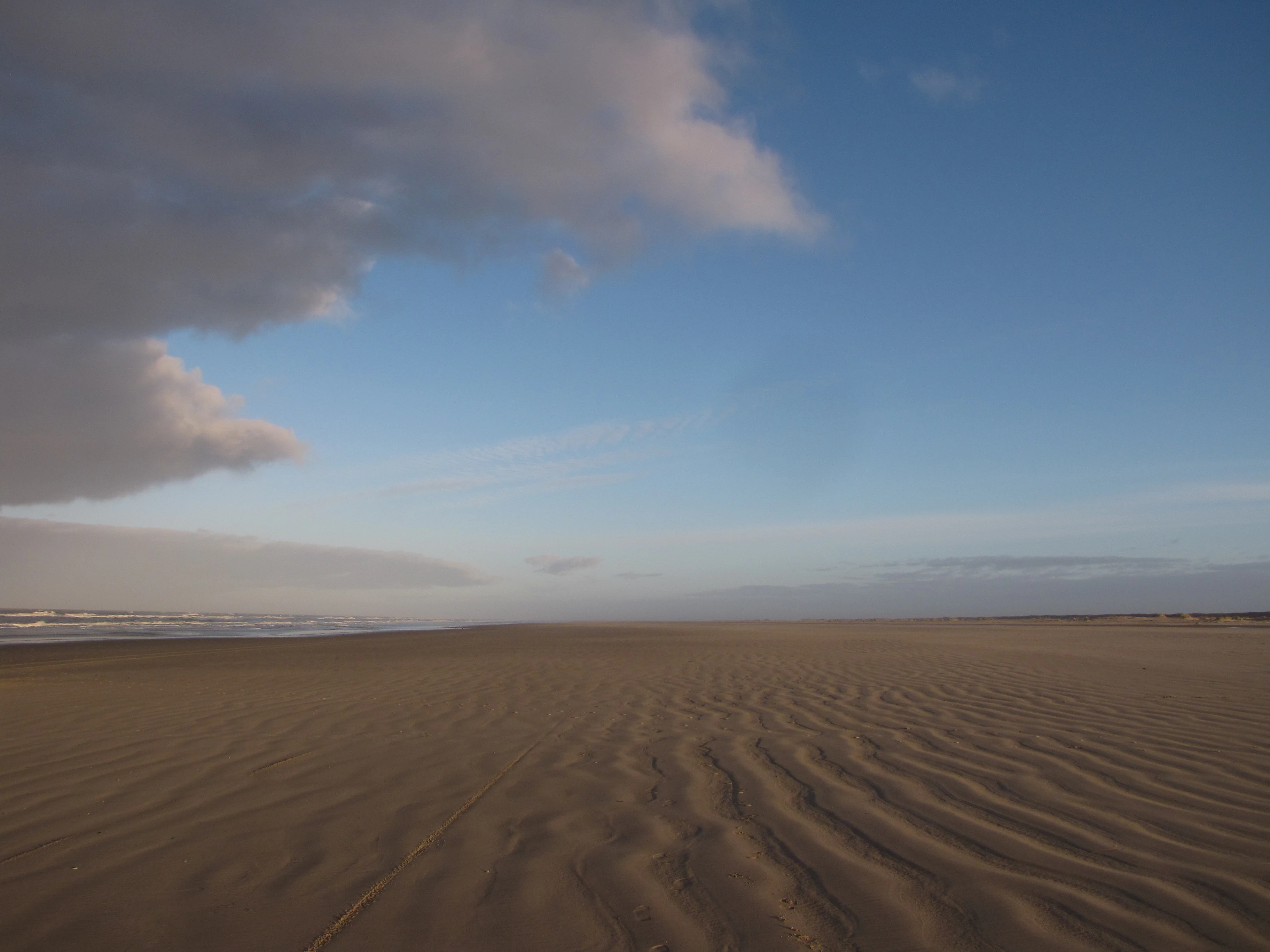
Sandy beach with rippled patterns extending toward the ocean under a partly cloudy sky
Vast sandy beach with rippled patterns extending to the horizon under a partly cloudy sky

Schiermonnikoog National Park conservation status and protection priorities

Schiermonnikoog holds multiple layers of international protection reflecting its ecological significance. The Ramsar Convention designated the wetland "Duinen Schiermonnikoog" in 2000, recognizing its value as a coastal wetland habitat. The entire area falls within the Natura 2000 European Union nature protection network, specifically the "Duinen Schiermonnikoog" site covering 10.24 square kilometres. The adjacent Waddenzee was inscribed on the UNESCO World Heritage List in 2009, establishing the international significance of the broader tidal ecosystem. Management objectives focus on increasing the dynamism of dune processes, allowing natural coastal evolution rather than artificial stabilization. Visitor access is regulated during spring and summer to protect breeding bird colonies, with the island's car-free status for visitors contributing to the robust protection of wildlife. Natuurmonumenten holds the park in long-term lease from the Dutch state and coordinates management with governmental bodies and local stakeholders.

Schiermonnikoog National Park cultural meaning and human context

Schiermonnikoog has maintained a delicate balance between human settlement and natural preservation throughout its history. The island's small population historically consisted primarily of fishermen who lived in close association with the sea and coastal environment. The village of Schiermonnikoog remains the only settlement within the park boundaries, while the Banckspolder agricultural area lies outside the protected zone. The Dutch name "Nationaal Park Schiermonnikoog" reflects the island's identity within the Frisian province of Friesland. The landscape bears traces of historical human intervention, from the early 20th-century forestry programs to the creation of polders, yet these modifications remain relatively modest compared to many other European coastal areas. The park's cultural context is essentially one of minimal habitation within a predominantly natural landscape, a pattern that has been preserved through the protection framework established in 1989.
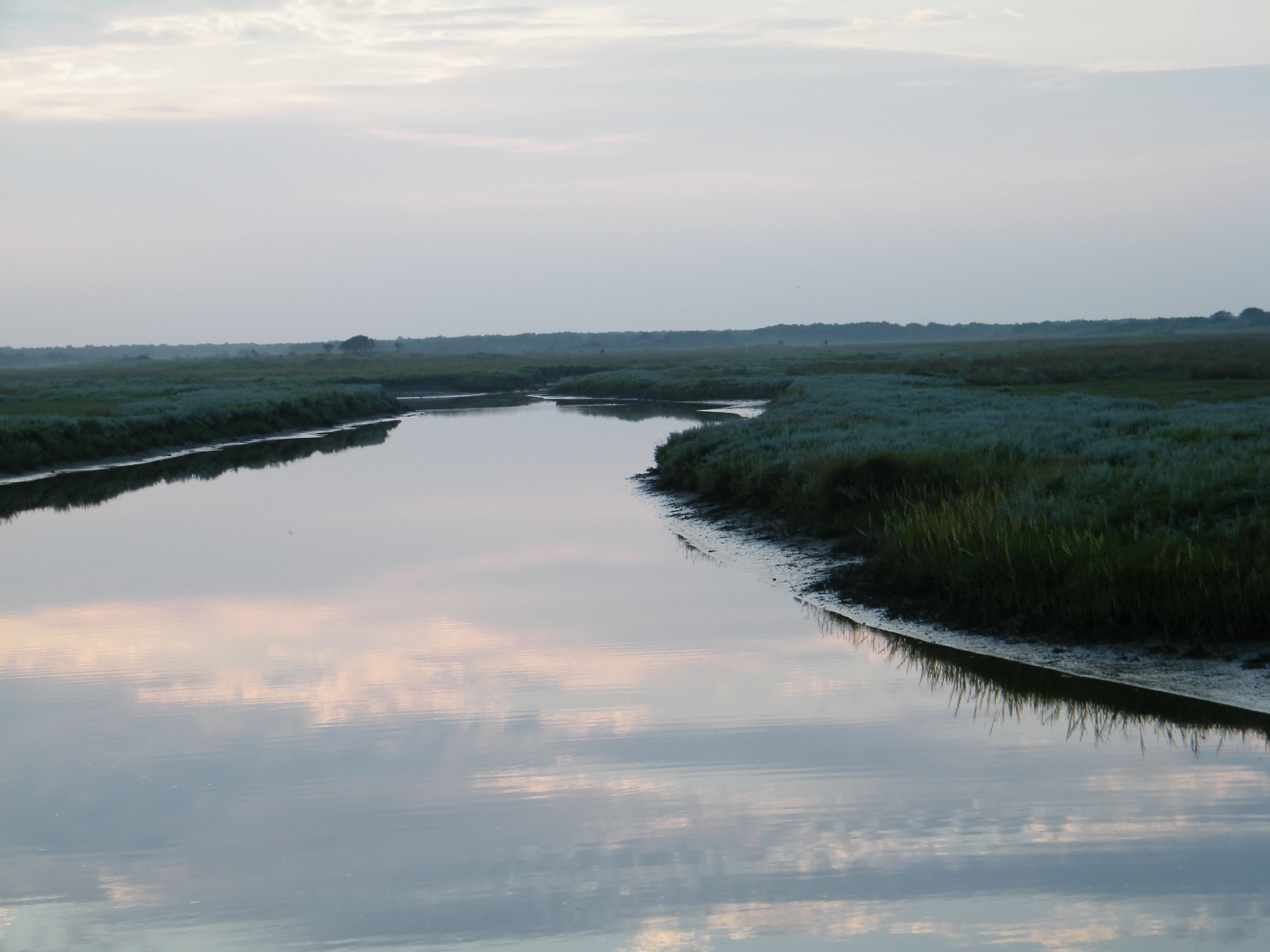
A calm waterway with reflections of the sky, bordered by grassy wetlands
A serene inlet reflecting the sky in Schiermonnikoog National Park with marshy vegetation along the banks

Top sights and standout views in Schiermonnikoog National Park

Schiermonnikoog stands out as the most untouched island in the Dutch Wadden Sea, offering a rare combination of dynamic natural processes and robust ecological protection. The park's dune systems demonstrate active coastal evolution, with new dunes forming while older ones stabilize and transform through plant colonization. The eider duck colony of approximately 2,000 breeding pairs represents one of the most significant nesting populations in the Netherlands. The salt marsh habitats support internationally important populations of waders during migration, with species travelling from Siberian and Greenlandic breeding grounds. The UNESCO World Heritage designation of the adjacent Waddenzee in 2009 underscores the park's role within a globally significant coastal ecosystem. The island's car-free status for visitors creates exceptional conditions for wildlife, making this one of the most effectively protected national parks in the Netherlands.
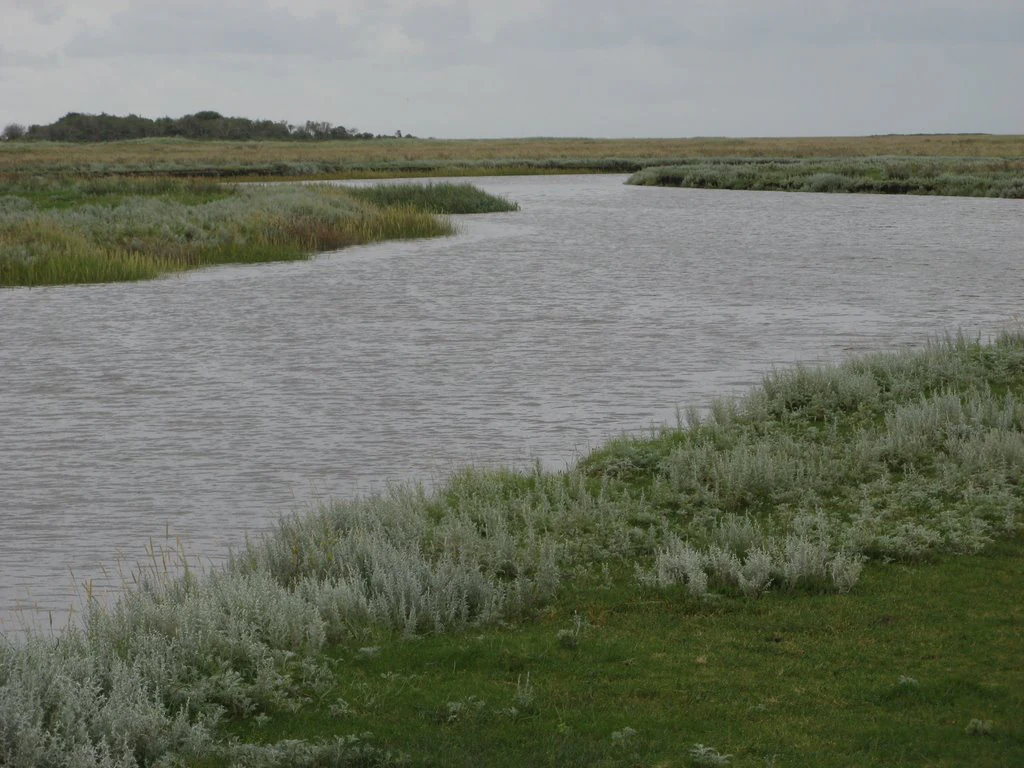
A salt marsh with calm water bordered by grassy vegetation under an overcast sky
Salt marsh landscape on Schiermonnikoog National Park

Best time to visit Schiermonnikoog National Park

The character of Schiermonnikoog changes substantially with the seasons, offering different experiences throughout the year. Spring and early summer bring the breeding bird season, when eiders, spoonbills, and other seabirds nest on the island, though visitor access is regulated to minimize disturbance to sensitive colonies. The dunes bloom with sea-buckthorn flowers and the heath vegetation comes alive with colour. Summer offers the warmest weather and easiest access to the beaches, though this is also the period of maximum visitor activity. Autumn sees the departure of breeding birds and the arrival of migratory waders staging between their northern breeding grounds and southern wintering areas. The salt marshes and tidal flats become alive with foraging flocks. Winter transforms the island into a quieter landscape, with fewer visitors and the opportunity to observe seals more easily on the tidal flats. The best time ultimately depends on whether visitors prioritis breeding bird observation, beach recreation, or the spectacle of migratory bird concentrations.
Park location guide

Geography guide, regional context, and park location map for Schiermonnikoog National Park

Schiermonnikoog National Park park geography, regions, and map view in Netherlands
Understand where Schiermonnikoog National Park sits in Netherlands through a broader geographic reading of the surrounding landscape, nearby location context, and its mapped position within the national park landscape.

How Schiermonnikoog National Park fits into Netherlands

The Netherlands is a low-lying coastal country in Northwestern Europe, famous for its extensive dike and canal systems that reclaim land from the sea. It consists of twelve provinces and is known for tulips, windmills, and cycling culture. The country is a founding member of the European Union with Amsterdam as its capital and The Hague as the seat of government.

Wider geography shaping Schiermonnikoog National Park in Netherlands

The Netherlands is located in Northwestern Europe along the North Sea coastline to the north and west. It borders Germany to the east and Belgium to the south. The country is notably flat, with a significant portion of its territory lying below sea level, protected by dikes and dune systems. It consists of twelve provinces and also includes overseas municipalities in the Caribbean.

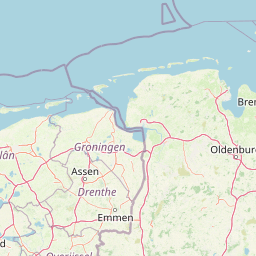
Map view of Schiermonnikoog National Park

Use this park location map to pinpoint Schiermonnikoog National Park in Netherlands, understand its exact geographic position, and read its mapped placement within the surrounding landscape more clearly.

Pigeon | © OpenStreetMap contributors

Location context for Schiermonnikoog National Park

Friesland

Explore the island's distinctive scenery, dynamic dune systems, and crucial Wadden Sea habitats through compelling imagery.

Schiermonnikoog National Park Photos: Visualizing Dutch Coastal Landscapes and Protected Ecosystems
Explore the protected landscapes of Schiermonnikoog National Park through an image gallery showcasing its unique coastal dunes, extensive salt marshes, and diverse wetland habitats. Comprehend the island's ecological character, from dynamic Wadden Sea tidal flats to serene freshwater lakes, for a deeper understanding of this pristine Dutch natural area.

A person standing on wet sandy flats under a partly cloudy sky with sunset colors

Tall wooden lattice observation tower on a concrete base, surrounded by trees and vegetation under a clear blue sky

Sunset over a wetland area with several birds wading in shallow water and a reflection of the sun on the water's surface

Grassy field with multiple purple orchids and scattered yellow wildflowers

Sandy beach with rippled patterns extending toward the ocean under a partly cloudy sky

Close-up of pink and white orchids among tall green grass

A calm waterway with reflections of the sky, bordered by grassy wetlands

A salt marsh with calm water bordered by grassy vegetation under an overcast sky

Triangulation beacon structure on sandy dune with coastal background

Park atlas

Compare coastal dune landscapes, salt marshes, and tidal ecosystems across the Wadden Sea region.

Explore Other National Parks and Protected Areas Near Schiermonnikoog National Park
Explore national parks and protected areas across the Netherlands, highlighting dynamic coastal dune systems, tidal flats, and critical salt marsh habitats within the Wadden Sea region. Compare geographic features and conservation strategies across these protected landscapes, tracing how ecological connectivity defines the region's diverse natural environments.
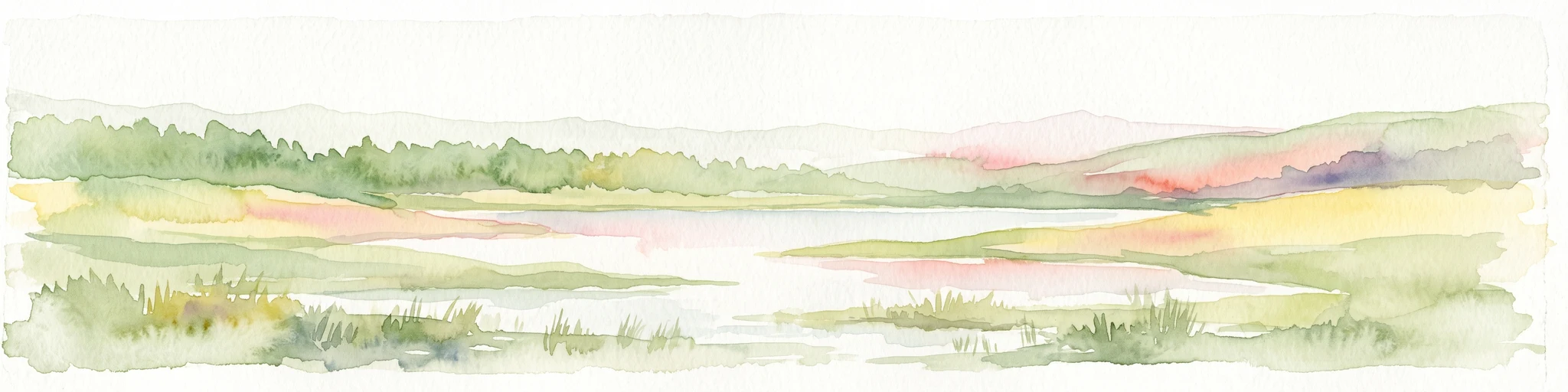
Watercolor painting of a lake surrounded by green fields and distant mountains.
National park

Lauwersmeer National Park: Mapped Wetland Landscape and Migratory Bird Atlas

Explore protected Dutch Wadden Sea geography and terrain.

Discover Lauwersmeer National Park, a protected wetland in the Netherlands shaped by its post-enclosure transformation. This national park offers a unique glimpse into evolving ecosystems, serving as a vital corridor for migratory birds and showcasing a distinctive flat, open landscape with extensive water and reed environments. Its position within the Wadden Sea UNESCO World Heritage Site highlights its broader ecological importance. Explore the mapped geography, land-use patterns, and characteristic terrain of this dynamic protected area, known for its natural darkness and diverse avian populations.

Area
60 km²
Established
2003
IUCN
II
Relief
Lowland
National parkFriesland

De Alde Feanen National Park: Explore Friesland's Historic Peat Bog Landscape

Protected wetland terrain and abundant birdlife in the Netherlands.

Delve into the intricate mapped geography of De Alde Feanen National Park, a national park renowned for its exceptional lowland peat bog ecosystem. This protected area in Friesland showcases a unique terrain comprising shallow lakes, reed beds, and historic peat extraction pools, offering significant ecological and cultural value. The park's landscape provides vital habitats and serves as a testament to the region's long history of human engagement with wetland environments, making it a key destination for atlas-driven geographic discovery.

Area
25 km²
Established
2006
IUCN
II
Relief
Lowland
National parkDrenthe

Drentsche Aa National Park: Preserved Cultural Landscape & River Valley Geography

Explore Drenthe's unique protected lands and mapped terrain.

Drentsche Aa National Park stands as a testament to a landscape preserved from the mid-19th century, offering a rare glimpse into traditional Dutch rural life. Situated in the province of Drenthe, this protected area features one of the last relatively untouched river systems in the Netherlands, characterized by meandering brooks, ancient hedgerows, and distinctive esdorp villages. The park's geography is influenced by the Saalien ice age Hondsrug ridge, creating a unique terrain of heathlands, sand dunes, and rolling landscapes ideal for atlas-based discovery.

Area
100 km²
Established
2002
IUCN
II
Relief
Lowland
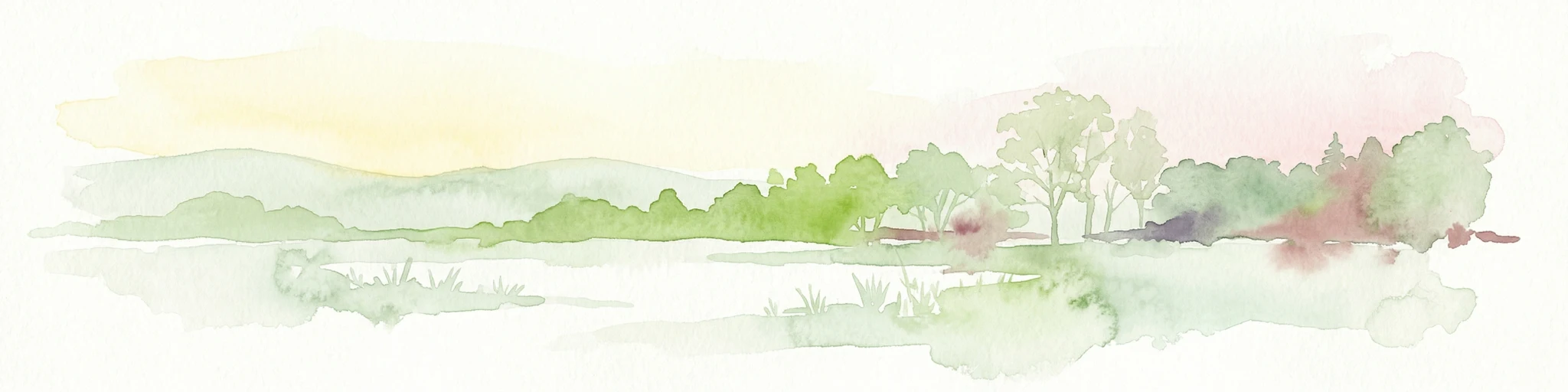
Watercolor illustration of a landscape with green fields, trees, a body of water, and distant hills under a light sky
National parkDrenthe

Drents-Friese Wold National Park: Protected Landscape and Geographic Exploration in Drenthe

Explore unique heathlands, drift-sands, and regional natural geography.

This entry details Drents-Friese Wold National Park, a crucial protected landscape in the Drenthe province. Understand its mapped boundaries, distinctive heath and drift-sand terrain, and its significance as a natural area. Discover the park's regional geographic setting and its role in the broader Dutch landscape atlas, providing context for its unique ecological and historical character.

Area
61 km²
Established
2000
IUCN
II
Relief
Lowland
National parkLower Saxony

Lower Saxon Wadden Sea National Park: Protected Coastal Landscape & Geography Atlas

Explore mapped boundaries, intertidal zones, and Lower Saxony's natural terrain.

Delve into the Lower Saxon Wadden Sea National Park, a significant national park situated in Lower Saxony, Germany. This page serves as your atlas entry point for understanding its protected landscape, characterized by vast mudflats, salt marshes, and a crucial role as a migratory bird corridor. Discover the geographic context of this UNESCO World Heritage site and its unique intertidal ecosystem through structured map data and detailed landscape information.

Area
345.8 km²
Established
1986
IUCN
II
Relief
Lowland
National parkDrenthe

Dwingelderveld National Park: Drenthe's Vast Wet Heathland and Unique Pingo Lakes

Explore a protected landscape of heath, bogs, and ancient geography.

Dwingelderveld National Park represents a significant protected landscape in the Drenthe region of the Netherlands, celebrated as the largest wet heathland in Western Europe. This 37-square-kilometer area provides exceptional opportunities for atlas exploration, revealing a terrain composed of sandy ridges interspersed with waterlogged depressions. The park's defining features include more than forty natural pools, known as vennen, many of which are geologically important pingo-ruins. Discover the rich archaeological heritage, including ancient Celtic fields and burial mounds, all situated within this unique natural setting. MoriAtlas offers a structured view of Dwingelderveld National Park's distinct geography and protected ecological value.

Area
37 km²
Established
1991
IUCN
II
Relief
Lowland
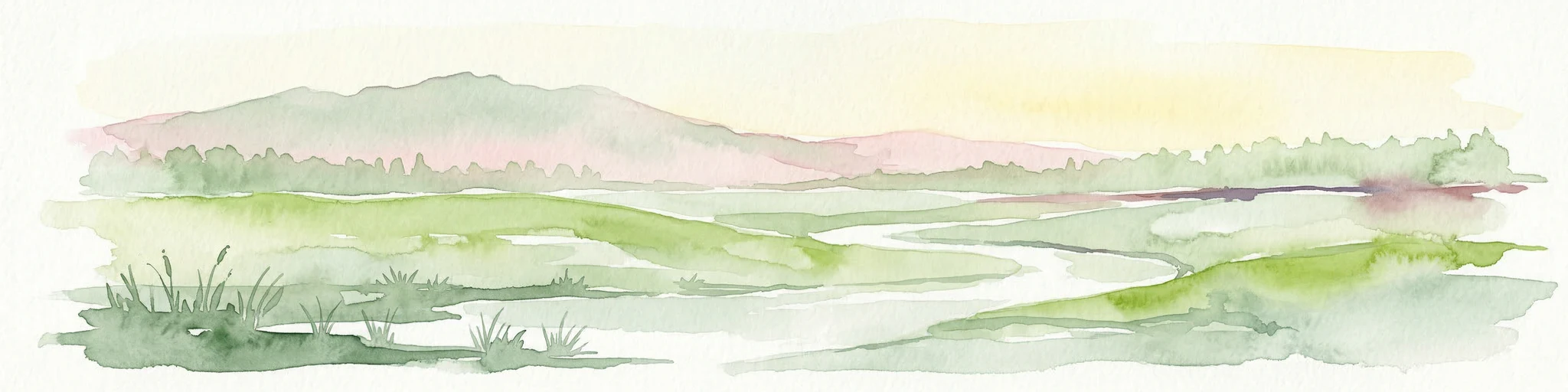
Watercolor painting of a wetland scene with a winding river, grassy areas, and distant hills
National parkOverijssel

Weerribben-Wieden National Park: A Premier Lowland Peat Bog National Park in Overijssel

Explore mapped protected wetlands and unique hydrological landscapes.

Weerribben-Wieden National Park stands as a remarkable example of a large-scale lowland peat bog ecosystem, recognized as the most extensive and well-preserved in Northwestern Europe. Located in the Overijssel province, this protected area showcases a complex mosaic of interconnected waterways, expansive reed beds, and marshy woodlands. Our platform provides structured geographic context, enabling detailed map-based discovery of the park's unique terrain and ecological significance as a vital conservation landscape.

Area
105 km²
Established
1992
IUCN
II
Relief
Lowland
National parkNorth Holland

Duinen van Texel National Park: Protected Coastal Dune and Wetland Atlas

Explore the mapped geography and protected landscape of North Holland.

The Duinen van Texel National Park offers a rich exploration of protected coastal dunes and dynamic wetland environments on Texel Island. This atlas-focused page details the park's unique landscape features, including active dune formation at De Hors and the tidal Slufter valley. Understanding its geographic context within North Holland provides a crucial aspect of its protected area status and ecological significance for regional mapped terrain.

Area
43 km²
Established
2002
IUCN
II
Visitors
265K annual

Common questions about visiting, size, designation, and location context for Schiermonnikoog National Park

Schiermonnikoog National Park FAQs for park facts, access, geography, and protected area context
Find quick answers about Schiermonnikoog National Park, including protected-area facts, park geography, trail and visitor context, and how the park fits into its surrounding country and regional landscape.
MoriAtlas Explorer

Continue Your Protected Areas Search Across the Global Atlas

Deepen your exploration by continuing the structured search for national parks and protected areas worldwide. Utilize the comprehensive filtering capabilities to compare different conservation landscapes and refine your understanding of global park geography. Discover more about the distribution and characteristics of protected natural areas.

Global natural geography