Why Šumava National Park stands out
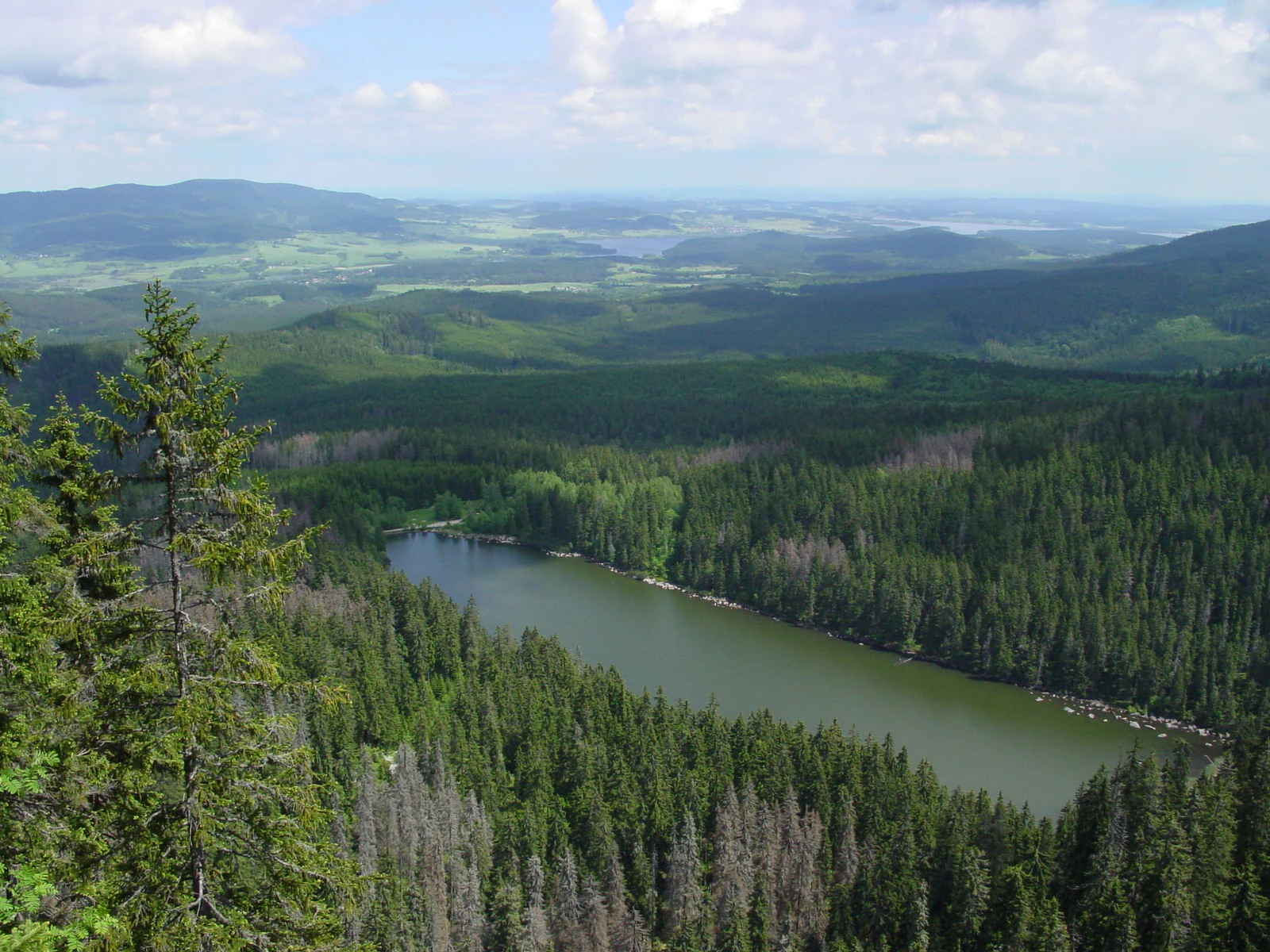
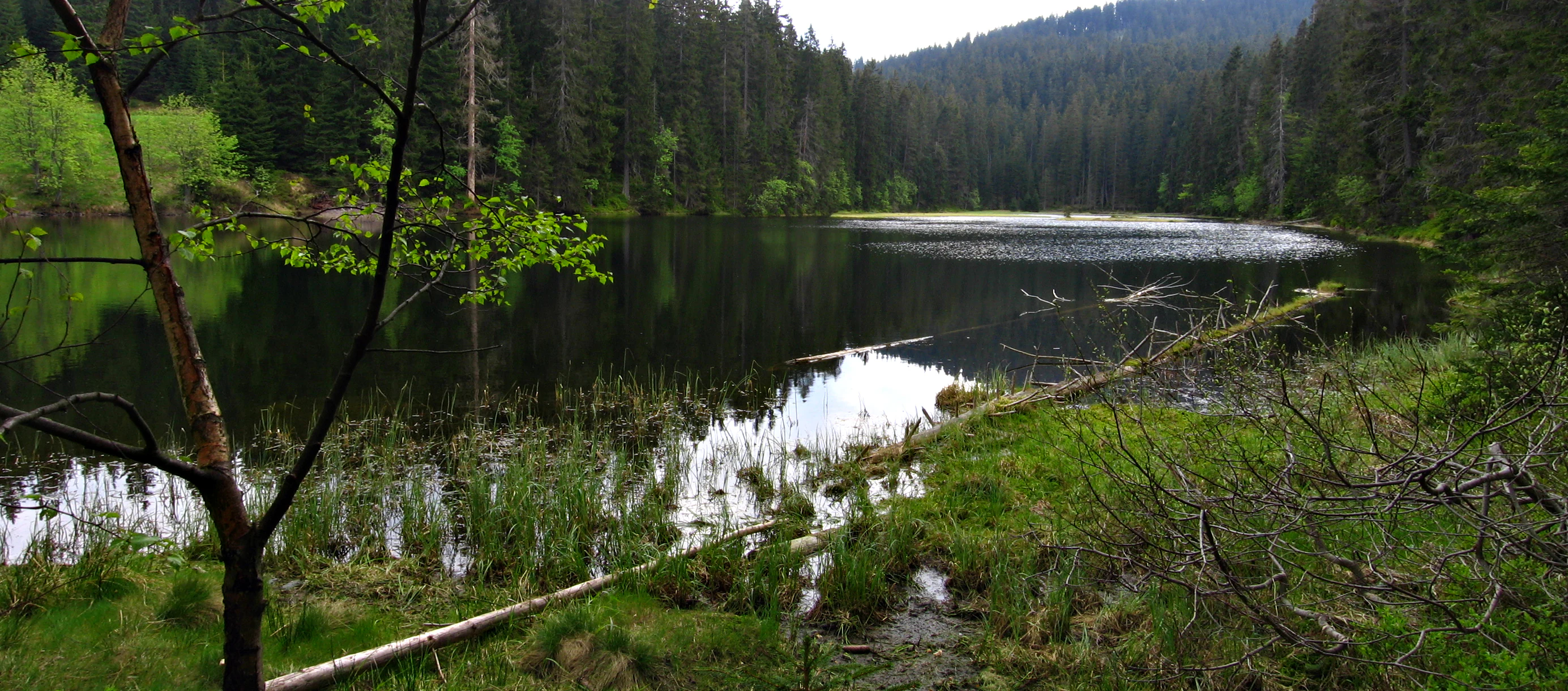
Šumava is best known for its vast, relatively untouched forest ecosystems, its network of raised peat bogs representing some of the most significant bog complexes in Central Europe, and its three glacial lakes, Plešné, Prášilské, and Laka. The park contains remnants of old-growth forest, including the famous Boubín Primeval Forest, which provides insight into the original character of Central European mountain forests. The region is also notable for its population of Eurasian lynx, established since the 1970s, and the capercaillie, whose only viable Czech population survives here. The park's long isolation during the Cold War era created conditions for natural forest dynamics to proceed with minimal human intervention.
Šumava National Park history and protected-area timeline
The history of protection in Šumava dates back to 1911, when the first proposals for establishing a nature park were made. The Protected Landscape Area of Šumava was officially declared in December 1963, covering approximately 163,000 hectares and becoming the largest such protected area in Czechoslovakia at that time. In 1990, the area received international recognition as a UNESCO biosphere reserve. The national park itself was established on 20 March 1991, with the core zones separated from the wider protected landscape area. The creation of the national park was driven by the need to protect the most valuable natural ecosystems within the former protected area, including the extensive peat bogs, primeval forest remnants, and glacial lakes. Following World War II, the region underwent dramatic demographic changes when the predominantly German-speaking population was expelled, and the border zone became a restricted military area. This historical isolation, lasting until the political changes of 1989, inadvertently created conditions that allowed natural processes to continue with minimal human disturbance. The park's management history has included controversy, particularly regarding bark beetle control measures and the extent of non-intervention zones.
Šumava National Park landscape and geographic character
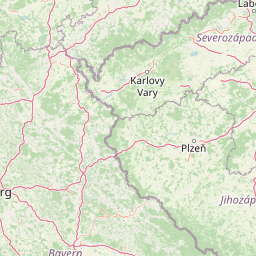
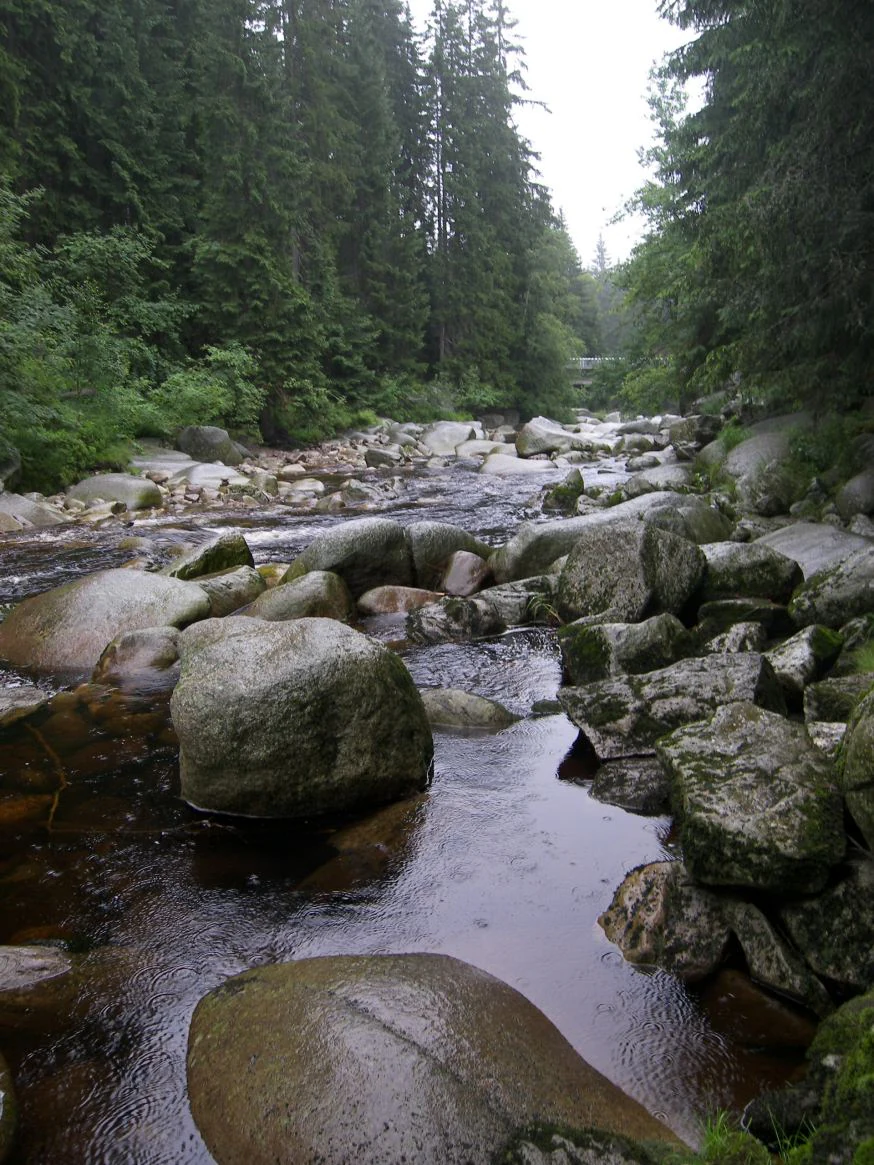
The landscape of Šumava National Park is defined by its mountainous terrain, part of one of the oldest mountain ranges in Central Europe. The geology consists primarily of metamorphic crystalline rocks and granites, shaped by the Variscan orogeny. The most distinctive landforms include the extensive Šumavské pláně plateau in the central area, glacial cirques carving the highest peaks, and the deep valleys carved by rivers such as the Vydra and Křemelná. The highest peak within the park is Plechý at 1,378 metres, while several other summits exceed 1,300 metres. The landscape includes remarkable geological features such as giant's cauldrons—erosional potholes formed by turbulent stream flow—particularly visible in the Povydří area. Peat soils dominate the higher elevations and plateau areas, supporting the extensive raised bog systems that are characteristic of the region. The hydrographic character is defined by the watershed position, with streams flowing either to the North Sea via the Vltava and Otava rivers or to the Black Sea via the Danube basin in the western portions.
Šumava National Park ecosystems, habitats, and plant life
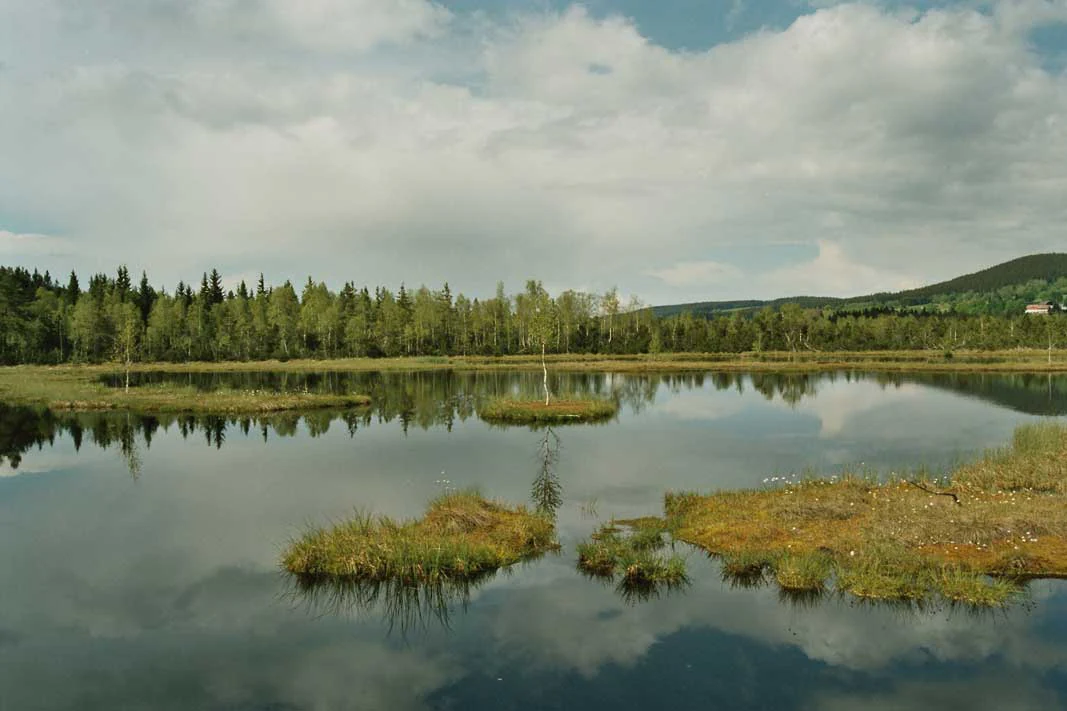
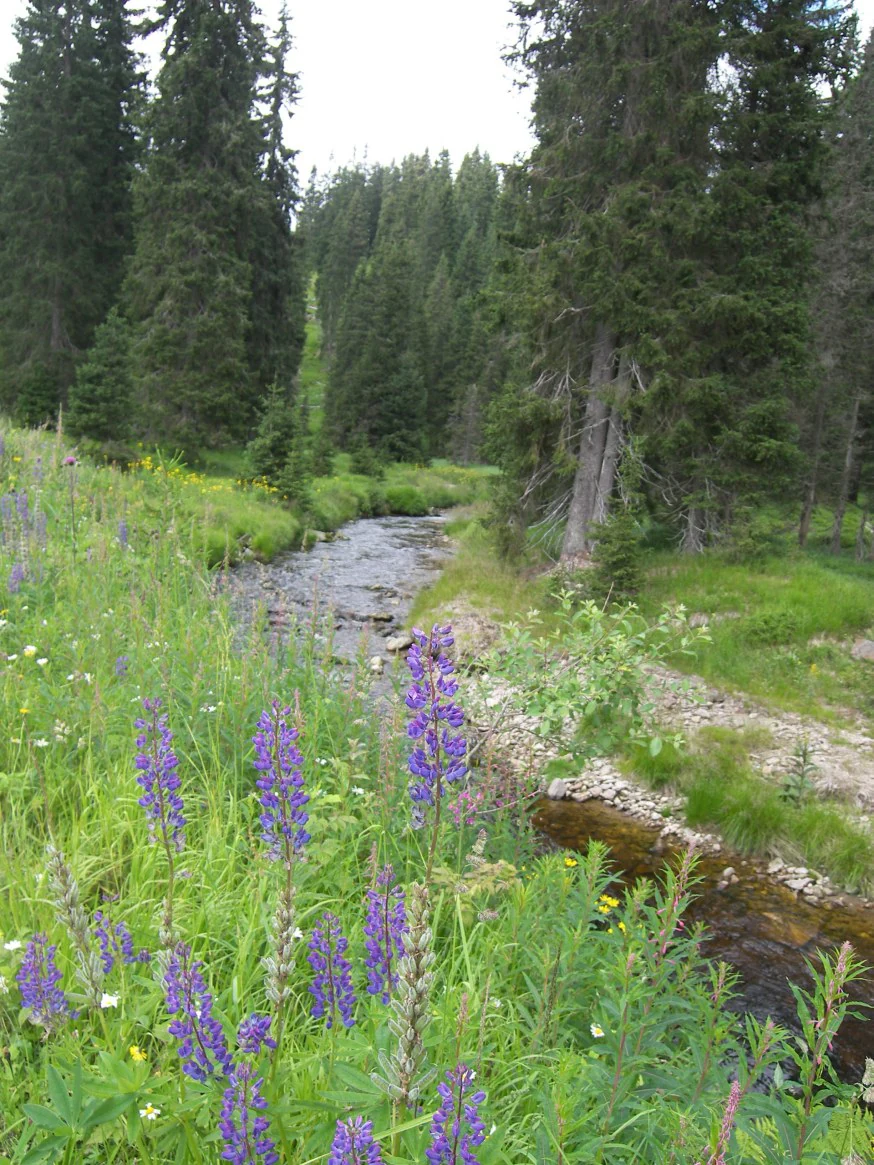
The natural ecosystems of Šumava reflect the transition between oceanic and continental climate influences, supporting a remarkable diversity of habitats across the forest zones. The vegetation follows the typical altitudinal sequence from fir-beech forests through spruce-fir-beech communities to pure mountain spruce forests. However, much of the forest has been altered by historical planting of non-native spruce varieties and forestry operations, creating extensive even-aged spruce plantations. The park contains over 500 plant species and represents the character of Central European montane flora with affinities to the Alpine region. The peat bogs constitute one of the most significant ecological assets, hosting specialised vegetation adapted to acidic, nutrient-poor conditions. These raised bogs contain species with glacial relict distributions, including bog rosemary and other characteristic bog plants. The water systems, from the Vltava source streams to the intricate network of peat bog waterways, support specialised aquatic communities.
Šumava National Park wildlife and species highlights
The wildlife of Šumava reflects both the extensive forest habitats and the long period of relative isolation that characterised the border zone. The Eurasian lynx, successfully reintroduced in the 1970s, has established a stable population and represents one of the most significant conservation achievements in the park. The capercaillie population in Šumava is the only viable breeding population in the Czech Republic, making its preservation a matter of national importance. The river otter occurs throughout the park's waterways, which are among the most significant habitats for this species in the country. Birdlife includes three-toe woodpecker, Tengmalm's owl, and the alpine accentor, while up to three species of eagle may be observed within the park and surrounding protected landscape area. The park supports several endemic species found nowhere else in the world, including certain insects restricted to the Šumava peat bogs. Historical extinction of large mammals including brown bear, European bison, and elk occurred centuries ago, though some species have been reintroduced in recent decades.
Šumava National Park conservation status and protection priorities
Šumava National Park serves as a critical component of European nature conservation, forming part of the Natura 2000 network as both a Special Area of Conservation and a Special Protection Area for birds. The park's peat bogs were designated as a Ramsar site of international importance for wetland conservation in 1990. The fundamental conservation challenge involves balancing the preservation of natural processes with the realities of altered forest ecosystems. Non-native spruce plantations, susceptible to bark beetle and storm damage, occupy extensive areas and have generated ongoing debates about appropriate management responses. The park has adopted a policy of increasing non-intervention zones where natural forest dynamics can proceed, recognizing the ecological importance of natural disturbances in maintaining ecosystem health. Peat bog restoration programmes, including the Life for MIRES project from 2018 to 2024, have addressed historical drainage that damaged these sensitive wetland ecosystems. The protection framework distinguishes three zones with different levels of conservation intensity, from strict preservation in Zone I to more permissive management in Zone III.
Šumava National Park cultural meaning and human context
The cultural landscape of Šumava bears the imprint of centuries of human activity, particularly forestry, glass-making, and mining. The name Šumava itself derives from an old Slavic term for the sound of wind in the forest. Historical settlements, many established during the colonisation of the 17th and 18th centuries, were predominantly German-speaking until the post-World War II population transfers. The Iron Curtain border regime transformed much of the region into a restricted zone, with villages destroyed and population removed, inadvertently creating conditions that protected natural values. Archaeological evidence includes the Obří hrad (Giant's Castle), a Celtic hillfort from the Iron Age representing the highest-elevated Celtic site in Bohemia. Traditional architectural elements, particularly the characteristic Volary-style alpine houses, reflect the cultural connections to neighbouring Austrian and Bavarian regions. The park contains approximately 2,000 permanent residents in ten villages, where traditional land uses such as livestock grazing maintain open grassland habitats within the forested landscape.
Top sights and standout views in Šumava National Park
The standout features of Šumava National Park include the three glacial lakes—Plešné, Prášilské, and Laka—remnants of the last Ice Age in these mountains. The peat bog complexes, particularly the Tříjezerní slať and Chalupská slať, represent some of the finest raised bog examples in Central Europe. The Boubín Primeval Forest provides one of the best examples of near-natural mountain forest in the region. The Poledník observation tower, converted from a former Cold War radar installation, offers panoramic views across the central Šumava plateau. The park's position as the largest national park in the Czech Republic, protecting the most extensive forest area in Central Europe, gives it significance beyond national boundaries as part of a transfrontier ecological network with the Bavarian Forest National Park.
Best time to visit Šumava National Park
The character of a visit to Šumava varies significantly with the seasons. Summer months bring the most accessible conditions for exploring the lake areas, peat bogs, and network of marked trails, with July and August offering the warmest temperatures and longest days. The transition seasons of spring and autumn provide different landscapes—spring brings forest regeneration and bird activity, while autumn colours on the mixed forest species create particularly striking scenes. Winter transforms the park into a snowy wilderness, with cross-country skiing and winter wildlife observation being primary attractions. The higher elevations and exposed plateaux experience strong winds and significant snow accumulation, with continuous snow cover lasting 120 to 150 days in the highest areas. The peak tourist season draws approximately two million visitors annually, concentrated particularly around the lake areas, Modrava, and Kvilda. The shoulder seasons and weekday visits offer more solitary experiences of this extensive landscape.