Mori Atlas logo
National parkVatnajökull National Park

Discover the mapped boundaries and dynamic geological features of Europe's vast glacier-covered national park.

Vatnajökull National Park: Iceland's Premier Protected Landscape and Volcanic Terrain

(Vatnajökulsþjóðgarður)

Vatnajökull National Park, covering approximately 14% of Iceland, stands as a monumental protected landscape defined by the profound interplay of volcanic activity and glacial forces. This expansive national park safeguards Europe's largest glacier outside the Arctic, a dynamic ice cap concealing active volcanoes, mountain ranges, and subglacial terrain. Its designation as a UNESCO World Heritage site underscores its exceptional value as a living laboratory of geological processes, offering unparalleled opportunities for atlas-driven discovery of its mapped boundaries, volcanic deserts, and glacial features.

glacier landscapesvolcanic parksUNESCO World Heritage sitesIceland national parksEuropean parkshighland protected areas

Vatnajökull National Park

National park

Park overview

Structured park overview, official facts, and landscape profile for Vatnajökull National Park

Vatnajökull National Park park facts, protected area profile, and essential visitor context
Review the core facts for Vatnajökull National Park, including designation, size, terrain, visitor scale, habitats, and operating context in one park-focused overview.

About Vatnajökull National Park

Vatnajökull National Park represents one of the most significant protected areas in Europe, not only for its sheer size but for the extraordinary geological processes it preserves. The park encompasses the entirety of the Vatnajökull ice cap, which dominates southeastern Iceland and conceals a complex of active volcanic systems beneath its frozen surface. This unique configuration creates an environment where geothermal heat meets glacial pressure, producing dynamic phenomena such as jökulhlaups—catastrophic glacial outburst floods—that have shaped the surrounding landscape over millennia. The park's establishment in 2008 unified previously separate protected areas and created a contiguous corridor of protection that spans from the Atlantic coast to the interior highlands, preserving ecosystems ranging from coastal wetlands and black sand plains to alpine volcanic terrain and glacial environments. The 2019 UNESCO World Heritage inscription recognized the park as a living laboratory of natural change, where visitors can observe the ongoing interplay of volcanic activity, glacial movement, and ecological succession that continues to reshape this dramatic corner of Iceland.

Quick facts and research context for Vatnajökull National Park

Vatnajökull National Park occupies roughly 14,967 square kilometers in south, southeast, east, and northeast Iceland, protecting Europe's largest glacier and the volcanic systems beneath it. The park was established in June 2008 and expanded significantly in 2019 to include additional northern territories. It contains Iceland's highest peak, Hvannadalshnjúkur at 2,109 meters, and encompasses multiple active volcanic systems including Bárðarbunga and Grímsvötn, one of Iceland's most frequently erupting volcanoes. The park's four management territories—Northern, Eastern, Southern, and Western—provide visitor services from facilities at Skaftafell, Ásbyrgi, Skriðuklaustur, and Kirkjubæjarklaustur.

Park context

Deeper park guide and search-rich context for Vatnajökull National Park

Vatnajökull National Park history, landscape, wildlife, and travel context
Explore Vatnajökull National Park through its history, landscape character, ecosystems, wildlife, conservation priorities, cultural context, and seasonal travel timing in a structured park guide built for atlas discovery and search intent.

Why Vatnajökull National Park stands out

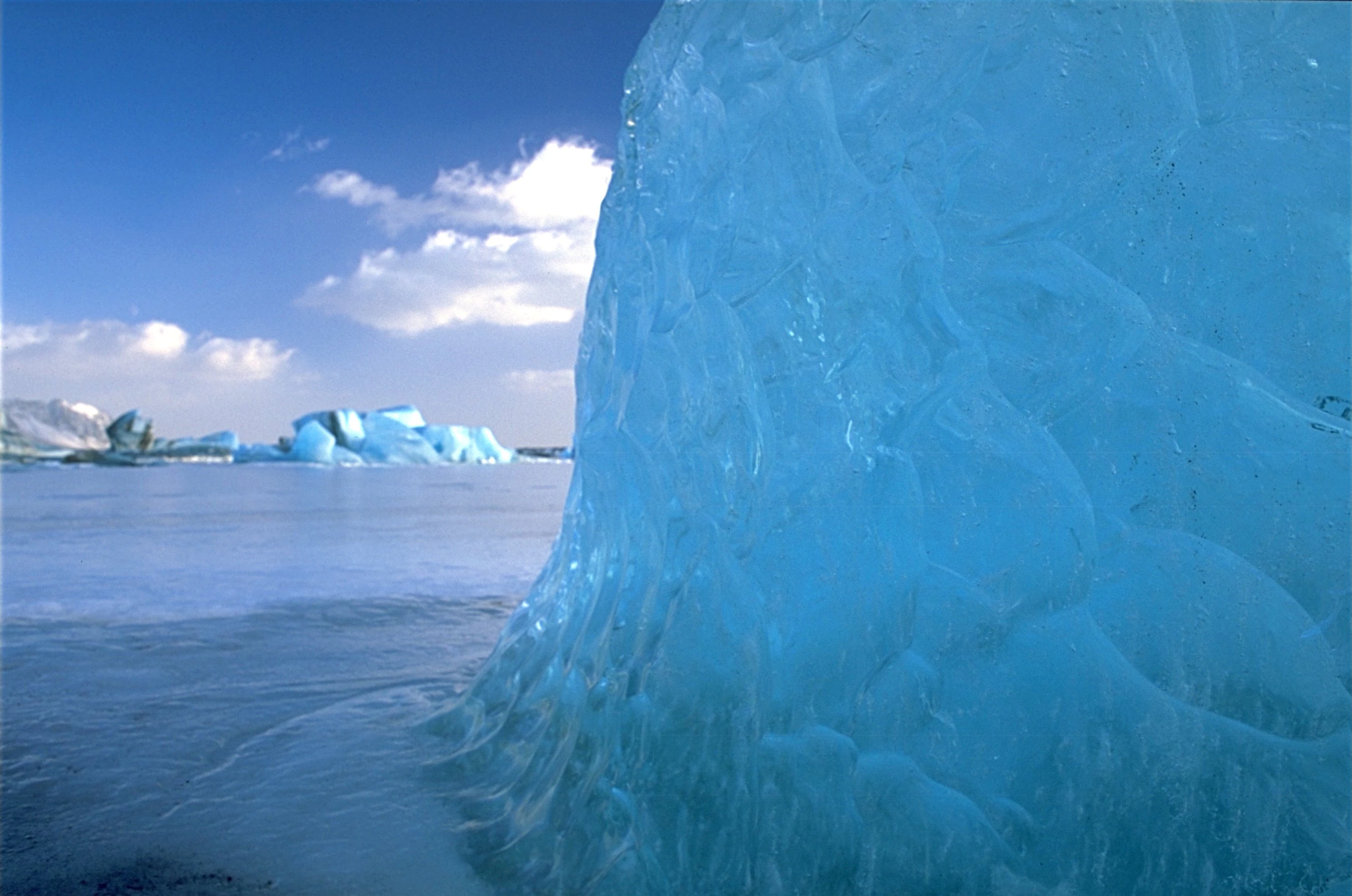
Vatnajökull National Park is renowned for its extraordinary concentration of geological wonders, where the forces of volcanism and glaciation have created a landscape of remarkable variety. The park protects the Vatnajökull ice cap, which conceals numerous active volcanoes and conceals mountain ranges, valleys, and plateaus beneath hundreds of meters of glacial ice. Visitors come to witness the dramatic contrast between volcanic fire and glacial ice, including the powerful Dettifoss waterfall in the north, the spectacular Jökulsárlón glacier lagoon with its floating icebergs in the south, and the dramatic volcanic landscapes of Askja and the Eldgjá canyon. The park also encompasses Iceland's highest mountain peak, Hvannadalshnjúkur, and the massive volcanic crater system of Lakagígar, site of one of the greatest lava eruptions in historical times.
Vatnajökull National Park history and protected-area timeline

Vatnajökull National Park was formally established on June 7, 2008, when the Icelandic government consolidated the former Skaftafell National Park in the southwest and Jökulsárgljúfur National Park in the north into a unified protected area covering approximately 12,000 square kilometers. This consolidation created Iceland's largest national park and reflected a growing recognition that the Vatnajökull glacier and its surrounding landscapes represented a unified ecological and geological system deserving of comprehensive protection. Subsequent expansions added the Lakagígar crater system, Langisjór lake, Krepputunga highlands, and the Jökulsárlón area with its famous glacier lagoon. In 2019, the park was significantly expanded northward to include additional territories around Bárðarbunga and Herðubreið, bringing the total area to approximately 14,967 square kilometers. That same year, on July 5, 2019, Vatnajökull National Park was inscribed on the UNESCO World Heritage List as 'Vatnajökull National Park – dynamic nature of fire and ice,' becoming Iceland's second World Heritage Site. The park's management transitioned to the Náttúruverndarstofnun (Nature Conservation Agency) in January 2025.

Vatnajökull National Park landscape and geographic character

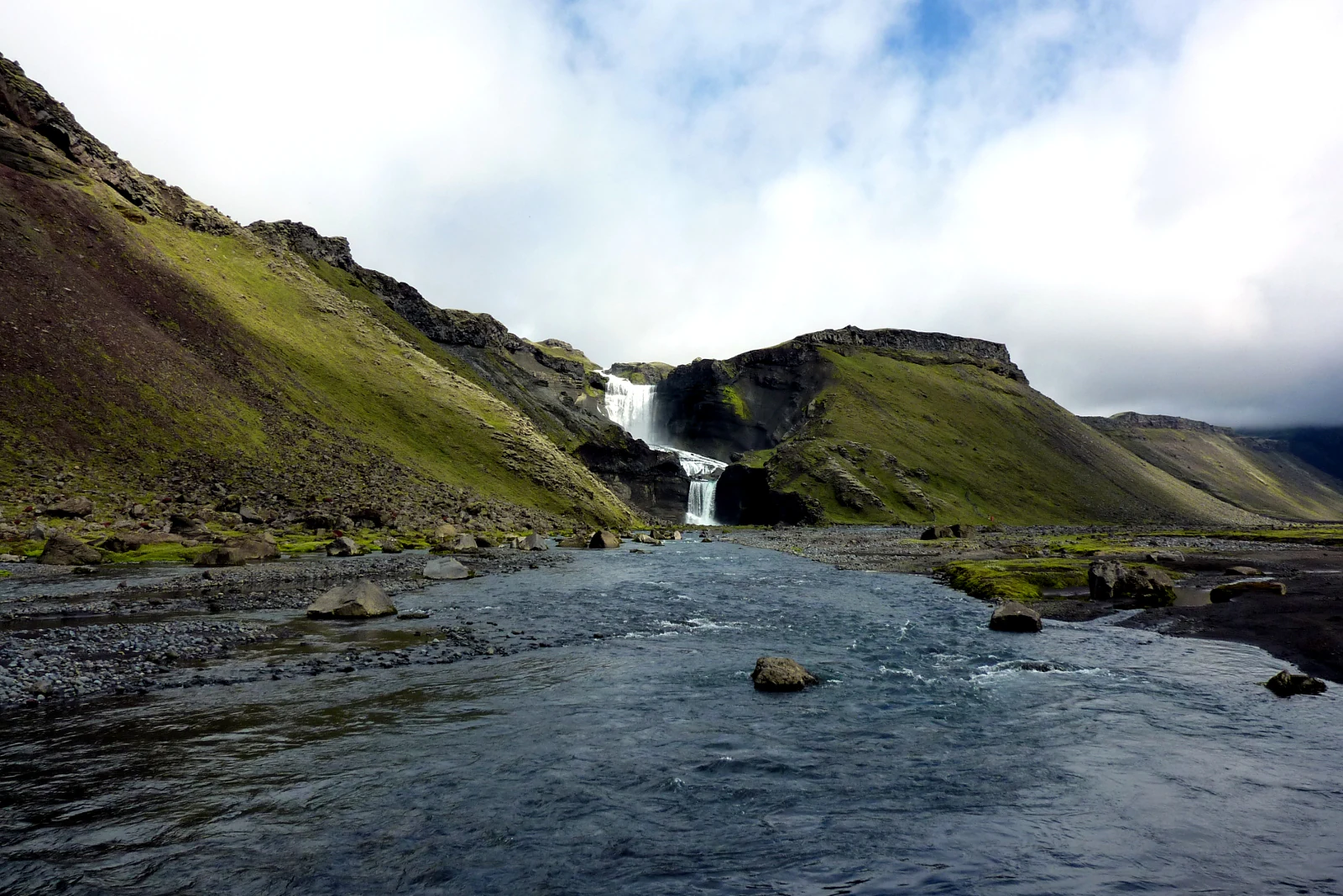
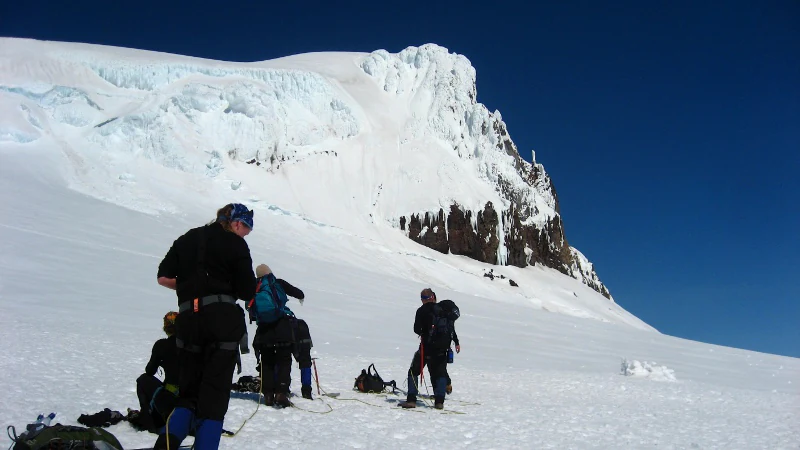
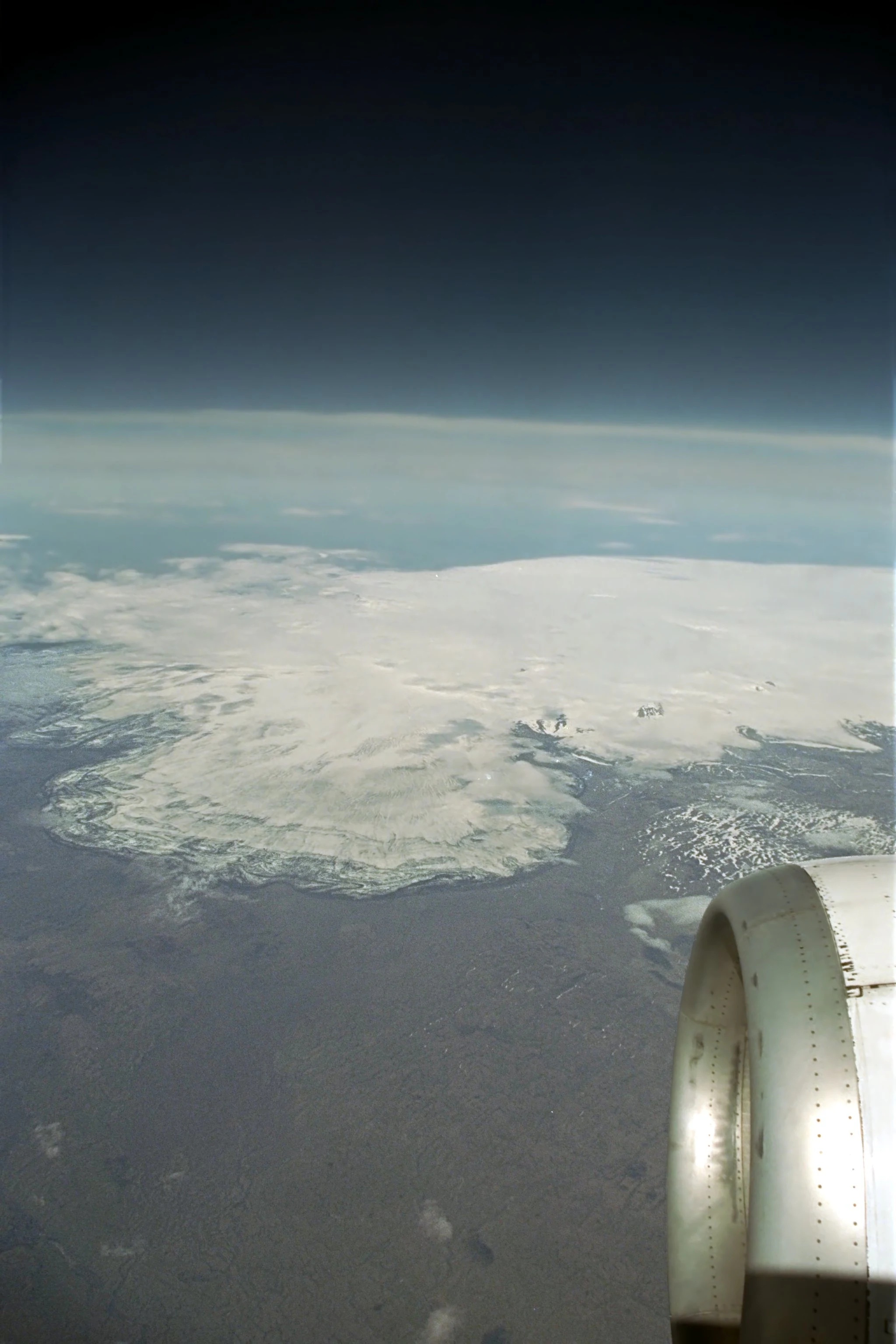
The landscape of Vatnajökull National Park displays extraordinary diversity shaped by the combined forces of volcanic activity, glacial action, and fluvial erosion. The Vatnajökull ice cap, covering approximately 7,700 square kilometers, conceals a complex terrain of mountains, valleys, and plateaus beneath ice that measures 400 to 950 meters in thickness. The glacier rises to over 2,000 meters above sea level while its base reaches 300 meters below sea level in places, making it one of the world's most substantial ice masses relative to its underlying terrain. Active volcanic systems beneath the ice, including Bárðarbunga and Grímsvötn, create dynamic conditions where subglacial eruptions can trigger massive jökulhlaups. The northern territory encompasses the Askja caldera, the dramatic volcanic table mountain Herðubreið, and the spectacular Jökulsárgljúfur canyon carved by ancient glacial floods. The southern territory features the imposing Öræfajökull central volcano with Iceland's highest peak, Hvannadalshnjúkur, and the famous Skaftafell oasis surrounded by black sand plains deposited by glacial rivers. The western territory preserves the dramatic volcanic scar of Eldgjá and the Lakagígar crater row, while the eastern territory encompasses the Snæfell mountain region and the vast uninhabited highlands.
Vatnajökull National Park ecosystems, habitats, and plant life

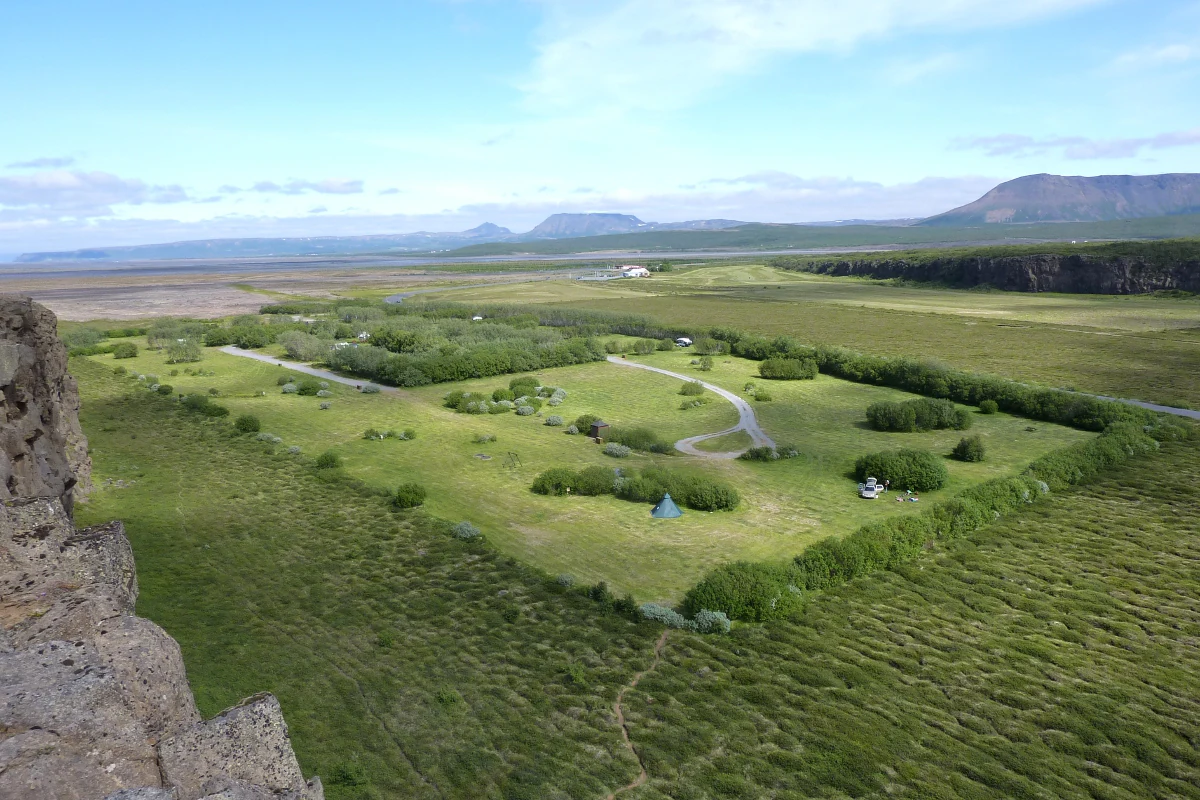
The nature of Vatnajökull National Park is defined by the extraordinary interaction between volcanic and glacial systems, creating habitats that support unique ecological communities adapted to extreme conditions. The park encompasses a remarkable range of ecosystems, from coastal wetlands along the southern coast to alpine environments above the snowline on the glacier itself. The vast wetland areas near Snæfell and in the eastern territories provide crucial habitat for migratory waterfowl, particularly pink-footed geese that congregate in large numbers during the breeding and staging seasons. The reindeer populations that roam the eastern highlands represent an important conservation success story, with herds maintaining viable populations in these challenging environments. The park's vegetation ranges from coastal heath communities and moss-dominated lava fields in lower elevations to virtually absent alpine vegetation on the highest peaks and active volcanic areas. The dynamic nature of the landscape, with ongoing volcanic eruptions and glacial movements, creates a constantly evolving ecological matrix where succession and disturbance interact to produce unique habitat patterns.
Vatnajökull National Park wildlife and species highlights

Wildlife in Vatnajökull National Park reflects the harsh but productive environments found across Iceland's southeastern highlands and lowlands. Reindeer are the most iconic large mammals in the park, with populations particularly concentrated in the eastern territories around Snæfell and in the highlands, where they graze on lichen and vegetation during the summer months. The wetland areas and coastal zones support significant populations of pink-footed geese, one of Iceland's most abundant breeding birds, whose distinctive pink feet and migratory patterns make them a highlight for birdwatchers visiting the park. The park's diverse habitats also support populations of arctic foxes, though these elusive predators are rarely encountered by visitors. Coastal areas near Jökulsárlón attract various seabirds, and the glacial rivers support populations of Atlantic salmon and brown trout in certain reaches, though fishing access is limited within the protected area. The harsh highland environments support minimal terrestrial vertebrate life, with the ecological focus shifting to specialized invertebrates and the remarkable communities of mosses, lichens, and algae that colonize the volcanic substrates.
Vatnajökull National Park conservation status and protection priorities

Vatnajökull National Park represents one of Iceland's most significant conservation achievements, protecting a landscape of outstanding universal value recognized by its 2019 UNESCO World Heritage inscription. The park's conservation significance derives from its role as a living laboratory where the ongoing processes of volcanism and glaciation can be observed and studied, providing critical insights into planetary geological and ecological dynamics. The protection of the Vatnajökull ice cap preserves not only a major European glacier but also the volcanic systems beneath it, maintaining natural processes that shape the broader North Atlantic environment. The park's extensive wetlands and highland areas provide essential habitat for migratory bird populations and reindeer herds, contributing to Iceland's biodiversity conservation framework. The 2019 expansion northward to include the Bárðarbunga volcanic system and Herðubreið enhanced the park's ecological coherence by incorporating additional volcanic and highland ecosystems. Management under the Náttúruverndarstofnun ensures coordinated conservation efforts across the park's multiple territories, balancing protection of natural processes with sustainable visitor access and interpretation.

Vatnajökull National Park cultural meaning and human context

The cultural context of Vatnajökull National Park reflects the long history of human interaction with this dramatic landscape, though the park's core areas have been sparsely populated due to their harsh environmental conditions. The Skaftafell area has served as a grazing region and seasonal dwelling area for centuries, and the name itself refers to the treeline that once characterized this sheltered valley. The northern territories around Jökulsárgljúfur contain archaeological evidence of human presence dating to early settlement periods, with the area historically used for summer grazing and seasonal hunting. The Kirkjubæjarklaustur area in the western territory represents one of the few continuous settlement areas within the park's boundaries, with a history dating to the medieval period when a monastery was established there. The park encompasses landscapes that feature prominently in Icelandic saga literature and folklore, with places like Ásbyrgi—the dramatic horseshoe-shaped canyon—appearing in traditional stories as sites of supernatural events. The volcanic landscapes within the park, particularly the Lakagígar craters, hold historical significance as the site of one of the most devastating eruptions in recorded history, the 1783-1784 Skaftáreldar, whose effects rippled across the Northern Hemisphere.

Top sights and standout views in Vatnajökull National Park

Vatnajökull National Park offers extraordinary experiences across its diverse territories, from the dramatic waterfalls and glacial lagoons of the south to the volcanic deserts and caldera landscapes of the interior. The Southern Territory provides access to the iconic Skaftafell area, with its hiking trails through birch woodland and to prominent viewpoints overlooking the glacier, while nearby Jökulsárlón presents the spectacle of icebergs drifting from the glacier face into the Atlantic. The Northern Territory showcases the power of Dettifoss, Europe's most powerful waterfall, along with the remarkable rock formations at Hljóðaklettar and the atmospheric canyon of Ásbyrgi. The Western Territory preserves the dramatic volcanic heritage of Lakagígar and the Eldgjá canyon, where one of history's greatest lava eruptions occurred in the 10th century. The Eastern Territory encompasses the remote Snæfell area and provides access to the highland regions that support reindeer populations. Throughout the park, the ever-present glacier and active volcanic areas remind visitors that they are exploring one of Earth's most dynamic landscapes.
Best time to visit Vatnajökull National Park

The optimal time to visit Vatnajökull National Park depends on the experiences sought, with the summer months of June through August offering the most accessible conditions for exploring the park's diverse territories. During this period, the highland roads that provide access to the interior territories become passable, and visitor services operate at full capacity in all four territories. The Skaftafell visitor center remains open year-round, providing access to the popular trails in the southern territory even during winter, though snow cover limits high-country exploration during the colder months. Summer brings relatively mild temperatures ranging from 10 to 20 degrees Celsius in the lowlands, though weather can change rapidly and highland areas remain cool. The shoulder seasons of May and September offer fewer visitors and the opportunity to experience the park's landscapes with greater solitude, though some visitor services operate on reduced schedules. Winter visits provide the opportunity to experience the park's dramatic winter scenery and the unique atmosphere of the glacier environment, though access is limited to the southern territory and visitors must be prepared for challenging conditions including strong winds, low temperatures, and limited daylight.
Park location guide

Geography guide, regional context, and park location map for Vatnajökull National Park

Vatnajökull National Park park geography, regions, and map view in Iceland
Understand where Vatnajökull National Park sits in Iceland through a broader geographic reading of the surrounding landscape, nearby location context, and its mapped position within the national park landscape.

How Vatnajökull National Park fits into Iceland

Iceland is a Nordic island nation located between Europe and North America on the Mid-Atlantic Ridge. With a population of approximately 394,000 and an area of 103,125 km², it is one of the world's most sparsely populated countries. The country features dramatic volcanic terrain, extensive glaciers, geysers, and geothermal activity, all while maintaining a temperate climate warmed by the Gulf Stream.

Wider geography shaping Vatnajökull National Park in Iceland

Iceland is an island nation located in the North Atlantic Ocean between the Arctic Ocean and the Atlantic Ocean, situated on the Mid-Atlantic Ridge between Europe and North America. The interior consists of volcanic plateaus with sand and lava fields, while mountains and glaciers dominate the terrain. Numerous glacial rivers flow from the highlands through lowlands to the sea. The country sits at a latitude just south of the Arctic Circle.

Map view of Vatnajökull National Park

Use this park location map to pinpoint Vatnajökull National Park in Iceland, understand its exact geographic position, and read its mapped placement within the surrounding landscape more clearly.

Pigeon | © OpenStreetMap contributors
Park atlas

Uncover a wider atlas of Iceland's glacial, volcanic, and highland protected areas for deeper comparison.

Browse Related National Parks and Protected Landscapes Near Vatnajökull National Park
Browse a curated selection of national parks and protected areas located near Vatnajökull National Park, tracing the rich diversity of Iceland's volcanic and glacial landscapes. Compare these protected landscapes to understand regional conservation patterns, diverse ecosystems, and the unique geological features that define Iceland's natural heritage.
National park

Skaftafell National Park: Iceland's Accessible Protected Landscape with Glacial Terrain and Basalt Columns

Discover glacial landscapes and volcanic geology.

Skaftafell National Park is a vital protected area in Southeast Iceland, offering a unique atlas-level view of dramatic glacial landscapes. Located at the base of Vatnajökull, Europe's largest glacier, the park features accessible hiking trails that traverse outwash plains, birch woodlands, and glacial tongues like Skaftafellsjökull. Explore the iconic Svartifoss waterfall, framed by striking basalt columns, and understand the park's dynamic terrain shaped by volcanic activity and glacial processes, providing rich geographic context for protected landscape discovery.

Established
1967
Scope
Terrestrial
National park

Jökulsárgljúfur National Park: Explore Iceland's Volcanic Canyon and Glacial River Protected Landscape

Mapped geography and terrain of a key northern Iceland protected area.

Jökulsárgljúfur National Park, located in northern Iceland, is celebrated for its striking volcanic canyon landscape carved by the powerful Jökulsá á Fjöllum glacial river. This protected area showcases a terrain shaped by ancient glacial outburst floods and volcanic forces, featuring notable geological formations like the Hljóðaklettar echo rocks and iron-colored hills. Understanding Jökulsárgljúfur National Park provides crucial insight into the unique regional geography and the atlas-driven exploration of Iceland's preserved natural heritage.

Relief
Mountain
Access
Remote access
Scope
Terrestrial
Water
Minor water
Watercolor painting depicting a landscape with cliffs, a body of water, and distant hills under a light sky
National parkSouthern Region

Þingvellir National Park: Witness Tectonic Plates and Ancient Icelandic Governance

Explore the rift valley and historic parliament site in Iceland's Southern Region.

Þingvellir National Park offers a singular opportunity for geographic discovery, situated in Iceland's Southern Region. This protected national park is globally recognized for its visible expression of the Mid-Atlantic Ridge, where the North American and Eurasian tectonic plates actively diverge, creating a dramatic rift valley. Moreover, Þingvellir served as the site of the Althing, Iceland's ancient parliament, making it a crucial historical landmark. Explore this landscape to understand both powerful geological processes and the foundations of Icelandic democratic history through its mapped terrain.

Area
92.7 km²
Established
1930
IUCN
II
Relief
Lowland
National park

Snæfellsjökull National Park: Mapped Volcanic Terrain and Protected Landscape Identity

Discover the geographic context of Iceland's glacier volcano.

Snæfellsjökull National Park on the Snæfellsnes Peninsula is a prime example of Iceland's protected lands, defined by the iconic Snæfellsjökull glacier volcano. This page details the park's volcanic terrain, from expansive lava fields to dramatic sea cliffs, offering an atlas-driven exploration of its unique geographic features. Understand its significance as a protected area and its place within the broader landscape of western Iceland through detailed mapping and geographic data.

Established
2001
Watercolor painting depicting mountains, forested hills, and a river in a scenic landscape
National parkScotland

Cairngorms National Park: Explore Scotland's Largest Protected Mountain Landscape

Mapped boundaries and arctic-alpine geography.

As the United Kingdom's largest national park, Cairngorms National Park in Scotland presents a vast expanse of distinctive arctic-alpine terrain and ancient Caledonian forests. This protected landscape offers a unique opportunity to explore mapped geographic features, from its extensive mountain plateaus to its vital river systems. Discover the contours and context of this significant natural area within the broader atlas of Scotland's protected lands.

Area
4,528 km²
Established
2003
IUCN
V
Visitors
1.9M annual
Watercolor illustration showing mountains, green forests, a loch, and a river in a landscape
National parkScotland

Loch Lomond and The Trossachs National Park: Scotland's National Park Atlas and Protected Landscape

Mapping Scotland's Highland Boundary Fault and diverse natural terrain.

As Scotland's first national park, Loch Lomond and The Trossachs National Park offers a prime example of a protected landscape shaped by significant geological features. This atlas entry highlights its strategic location along the Highland Boundary Fault, which delineates distinct highland and lowland terrains. Users can explore the park's extensive network of lochs, including Loch Lomond, its mountainous Munros, and its native woodland ecosystems, providing a rich geographic context for discovery.

Area
1,865 km²
Established
2002
IUCN
V
Visitors
2.9M annual
National parkCounty Donegal

Glenveagh National Park: A Protected Landscape in the Heart of County Donegal

Mapped geography and natural terrain for Ireland's national park.

Delve into the geographic specifics of Glenveagh National Park, a protected area situated in County Donegal. This section provides detailed information on its mapped boundaries and regional landscape context. Understand how this national park fits within the natural geography of Ulster, offering a structured atlas view for detailed exploration of its unique terrain and protected status.

Area
169.58 km²
Established
1986
IUCN
II
Relief
Mixed relief
National parkCounty Mayo

Wild Nephin National Park: Ireland's Protected Landscape in County Mayo

National Park with regional geographic context.

Explore Wild Nephin National Park, a significant protected area situated in County Mayo, Ireland. This entry focuses on the park's mapped boundaries and its unique natural terrain, offering a clear geographic perspective. Understand how this national park contributes to the diverse landscapes of western Ireland and serves as a key point for atlas-based discovery of protected lands.

Area
150 km²
Established
1998
IUCN
II
Climate
Temperate

Common questions about visiting, size, designation, and location context for Vatnajökull National Park

Vatnajökull National Park FAQs for park facts, access, geography, and protected area context
Find quick answers about Vatnajökull National Park, including protected-area facts, park geography, trail and visitor context, and how the park fits into its surrounding country and regional landscape.
MoriAtlas Explorer

Continue Your Protected Areas Search Across the Global Atlas

Deepen your exploration by continuing the structured search for national parks and protected areas worldwide. Utilize the comprehensive filtering capabilities to compare different conservation landscapes and refine your understanding of global park geography. Discover more about the distribution and characteristics of protected natural areas.

Global natural geography