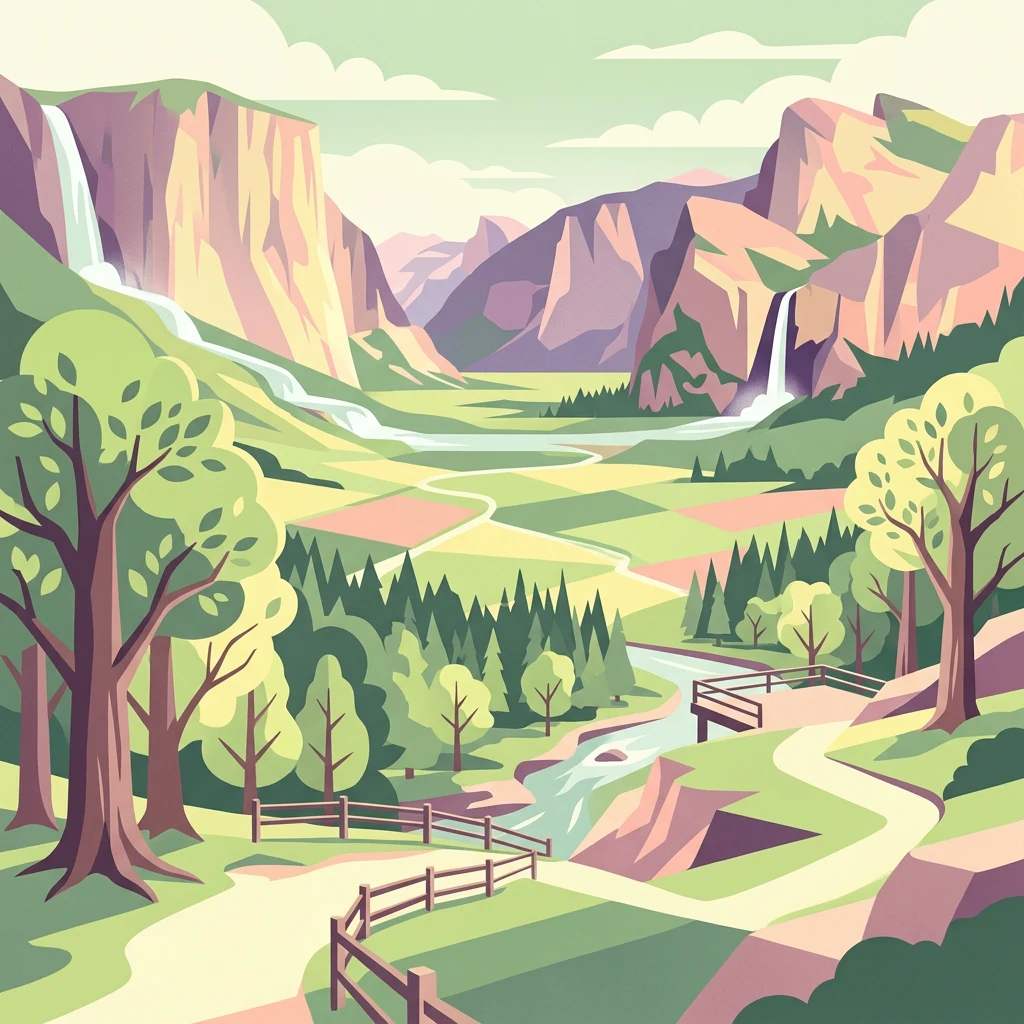

Why Veluwezoom National Park stands out
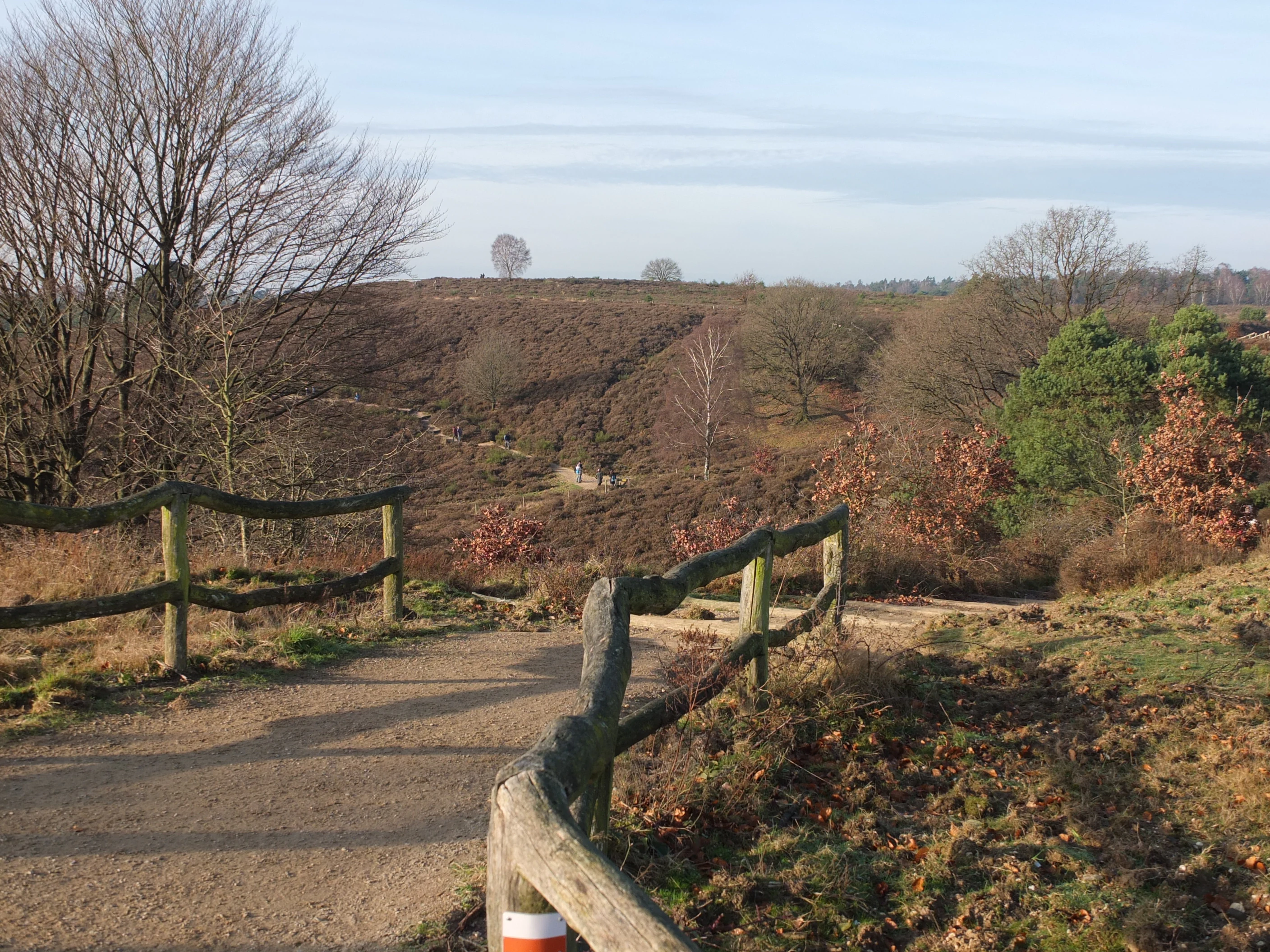
Veluwezoom is best known as the oldest national park in the Netherlands and for its distinctive combination of open heathlands and ancient forests that define the Veluwe landscape character. The Posbank viewpoint is famous throughout the Netherlands as a destination for day trips, particularly during the autumn rutting season when red deer gather in large numbers. The park contains the Signaal Imbosch, Gelderland's highest point at 109.9 meters. Its extensive network of hiking, cycling, and riding trails makes it a premier outdoor recreation destination, while the visitor center near Rheden provides educational access to the park's natural and cultural history.
Veluwezoom National Park history and protected-area timeline
Veluwezoom National Park was established in 1930 as the first national park in the Netherlands, marking a pivotal moment in Dutch nature conservation history. The area's conservation trajectory began in 1911 when Natuurmonumenten purchased the Hagenau forest with the Carolinahoeve, the organization's first acquisition in what would become the park. Subsequent land purchases expanded the protected area through the 1920s, ultimately enabling the formal designation in 1930.
The park's landscape has undergone significant transformation over geological and historical time. During the Saalian glaciation, Scandinavian glaciers pushed into the Netherlands, creating the terminal push moraines that form the Veluwe's backbone. As these glaciers melted at the end of the Saalian period, meltwaters carved deep valleys visible around the Posbank today. The subsequent Weichselian glacial period did not reach the Netherlands, but wind action on the bare landscape deposited fine loess dust in the lee of the terminal moraines, creating the fertile soils found in southern park valleys.
Human activity profoundly shaped the vegetation. After initial post-glacial forest development, centuries of clearing and grazing pressure converted forest to heathland. Some areas degraded further into sand drifts such as the Rozendaalse Zand and the Rheder- en Worthrhederzand. Only isolated ancient woodpastures like Imbosch, 't Asselt, and the Onzalige Bossen retained continuous forest cover. The medieval period saw establishment of country estates along the southern boundary, creating the park's distinctive cultural landscape of manor houses, designed parks, and historic beech avenues. Nineteenth-century planting of coniferous forest added another landscape layer that contemporary management is progressively modifying toward more natural conditions.
Veluwezoom National Park landscape and geographic character
The physical landscape of Veluwezoom National Park is defined by the Oost-Veluwestuwwal, a terminal moraine ridge running through the park created during the Saalian glaciation when glaciers advanced from Scandinavia. This ridge includes prominent hills such as the Zijpenberg, Elsberg, and the Signaal Imbosch at 109.9 meters, the highest point in both the national park and the province of Gelderland. The glacial valleys and meltwater channels carved during the Saalian retreat remain visible in the terrain around the Posbank area.
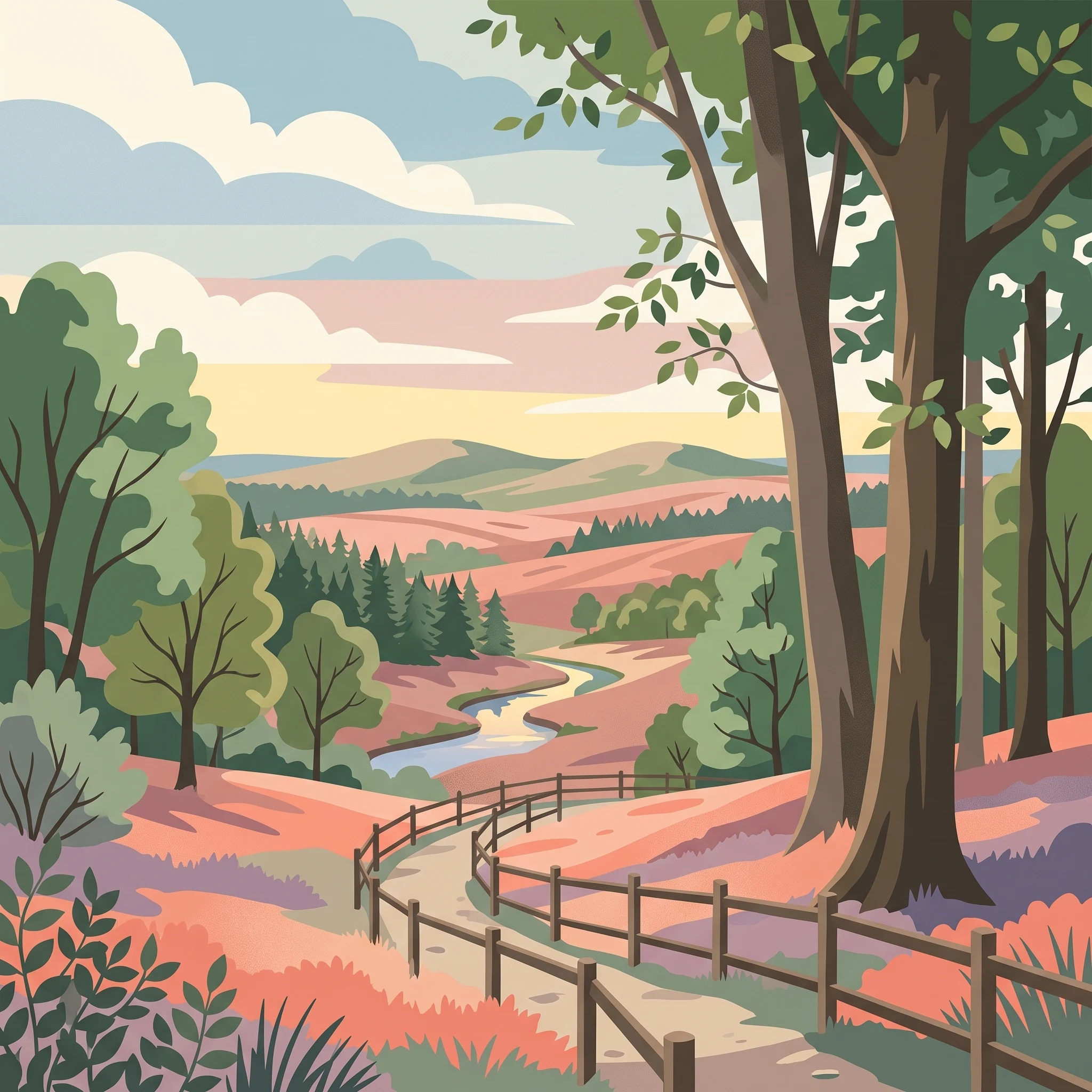
The park's terrain combines rolling heathlands, ancient deciduous woodpastures, planted coniferous forests, and a remnant sand drift area. The northern portions are dominated by extensive heathland maintained by large herbivores, interspersed with Scots pine plantations established in the nineteenth century. The southern section contains the historic country estates with their parklands, mature beech avenues, and the more fertile loess-covered valleys where ancient beech forests have developed. The Beekhuizense beek and other spring-fed streams (sprengen) traverse the landscape, historically powering watermills and now providing special botanical habitat.
The small but significant Rozendaalse Zand represents the last remaining active sand drift within the park, a rare habitat in the Netherlands created by historical vegetation loss. This area was actively maintained in 2009 through forest removal to restore wind dynamics and maintain the open sand habitat essential for specialized dune flora and insect communities.
Veluwezoom National Park ecosystems, habitats, and plant life
The ecological character of Veluwezoom reflects the interplay of soil conditions, historical land use, and contemporary conservation management. The park's heathlands occur on acidic, nutrient-poor sandy soils and support distinctive plant communities including ling (struikheide), cross-leaved heath (gewone dophei), gorse (gaspeldoorn), and broom (brem). These heaths require active management through grazing and periodic soil disturbance to prevent succession to woodland.
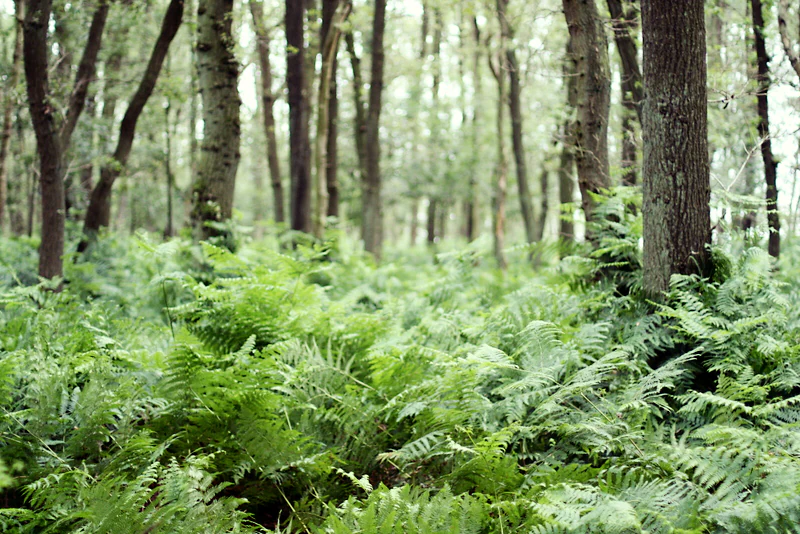
The ancient woodpastures of Imbosch, 't Asselt, and the Onzalige Bossen represent the park's oldest surviving woodland, characterized by coppiced oaks and birches with a rich ground flora of ferns including royal fern (adelaarsvaren) beneath summer oaks. The Imbosch area's nutrient-poor sandy soils support extensive blueberry (blauwe bosbes) and cowberry (vossenbes) ground cover, while the coniferous plantations on the Eerbeekse Veld and Schaddevelden contain similar heather understory with wavy hair-grass (bochtige smele).
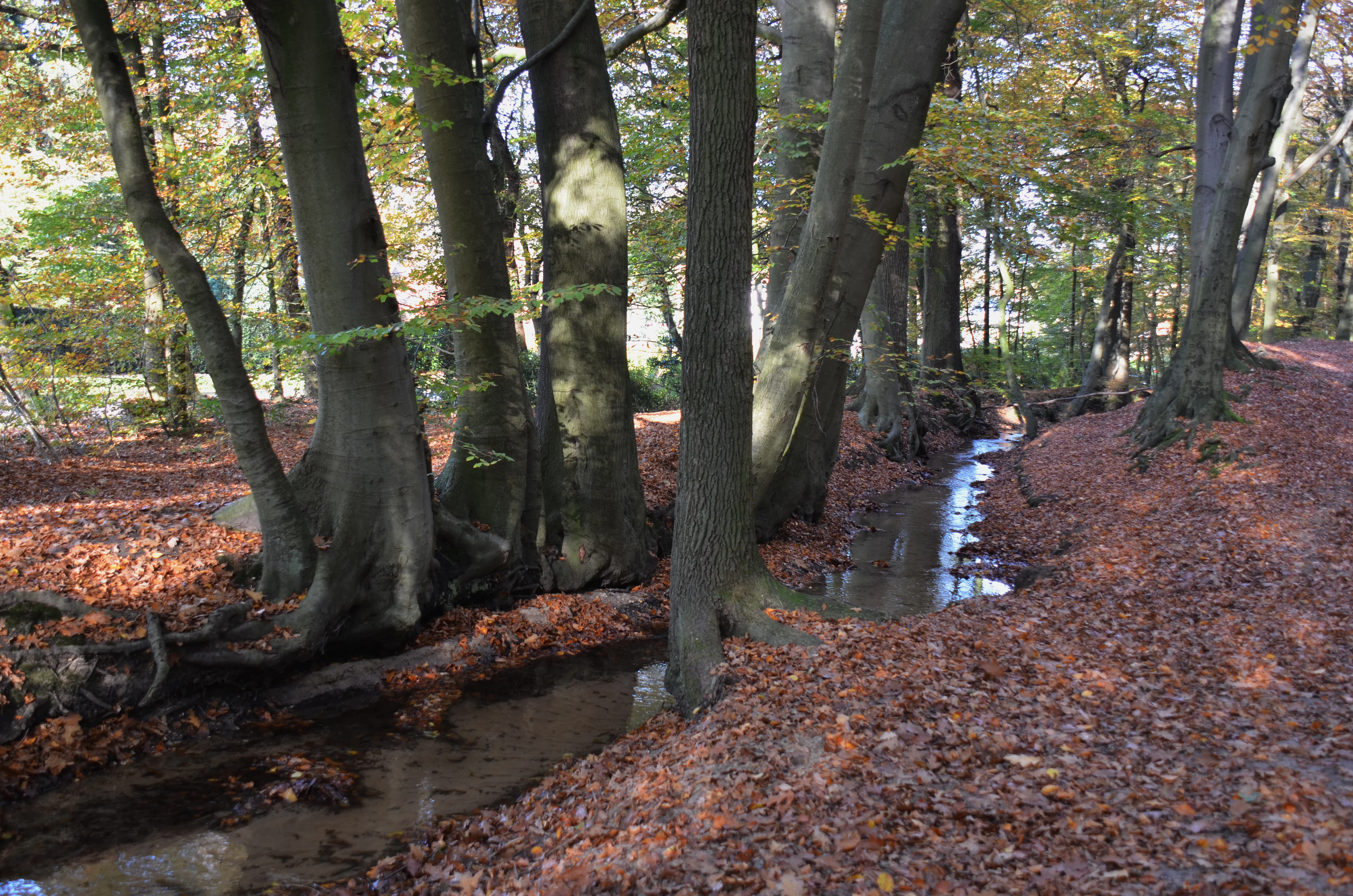
The southern valleys with their loess soils support the park's most productive forests, where beech, oak, and exotic species including Norway spruce, larch, Douglas fir, and sweet chestnut can reach heights exceeding 40 meters. The dense shade beneath these beech stands creates near-barren forest floors, a characteristic of beech forest ecology. The Beekhuizense beek valley hosts special botanical features including the rare golden-saxifrage (paarbladig goudveil), a characteristic species of spring-fed stream corridors.
Veluwezoom National Park wildlife and species highlights
Veluwezoom supports a notable community of large mammals characteristic of Dutch lowland forest and heathland ecosystems. Red deer (edelhert) represent the park's flagship species, present in significant numbers and famous for their autumn rut, which draws many visitors to viewing points around the Elsberg and Herikhuizen. Fallow deer (damhert), roe deer (ree), and wild boar (wild zwijn) complete the park's ungulate community, all contributing to the ecological dynamics through grazing and rooting behavior.
Carnivores include red fox, European badger, and the regionally rare pine marten (boommarter). Wolf presence has been recorded in recent years, reflecting the species' recovery in northwestern Europe. Smaller predators include weasel (hermelijn). The park's reptile community is remarkably complete, with six of the seven native Dutch reptile species present: adder (adder), smooth snake (gladde slang), grass snake (ringslang), slow worm (hazalworm), sand lizard (zandhagedis), and common lizard (levendbarende hagedis).
Bird diversity is high, with species associated with both forest and heathland habitats well represented. Notable species include kingfisher (ijsvogel), hobby (boomvalk), honey buzzard (wespendief), raven (raaf), nightjar (nachtzwaluw), whinchat (roodborsttapuit), skylark (veldleeuwerik), green woodpecht (groene specht), black woodpecht (zwarte specht), and wintering great grey shrike (klapekster). The sand drift areas support specialized insect communities characteristic of open dune habitats.
Veluwezoom National Park conservation status and protection priorities
Veluwezoom National Park holds significant conservation value as the Netherlands' oldest national park and as a representative example of Veluwe heathland and forest ecosystems. The park's designation as IUCN Category II reflects its primary purpose of protecting natural landscapes while enabling public recreation and environmental education.
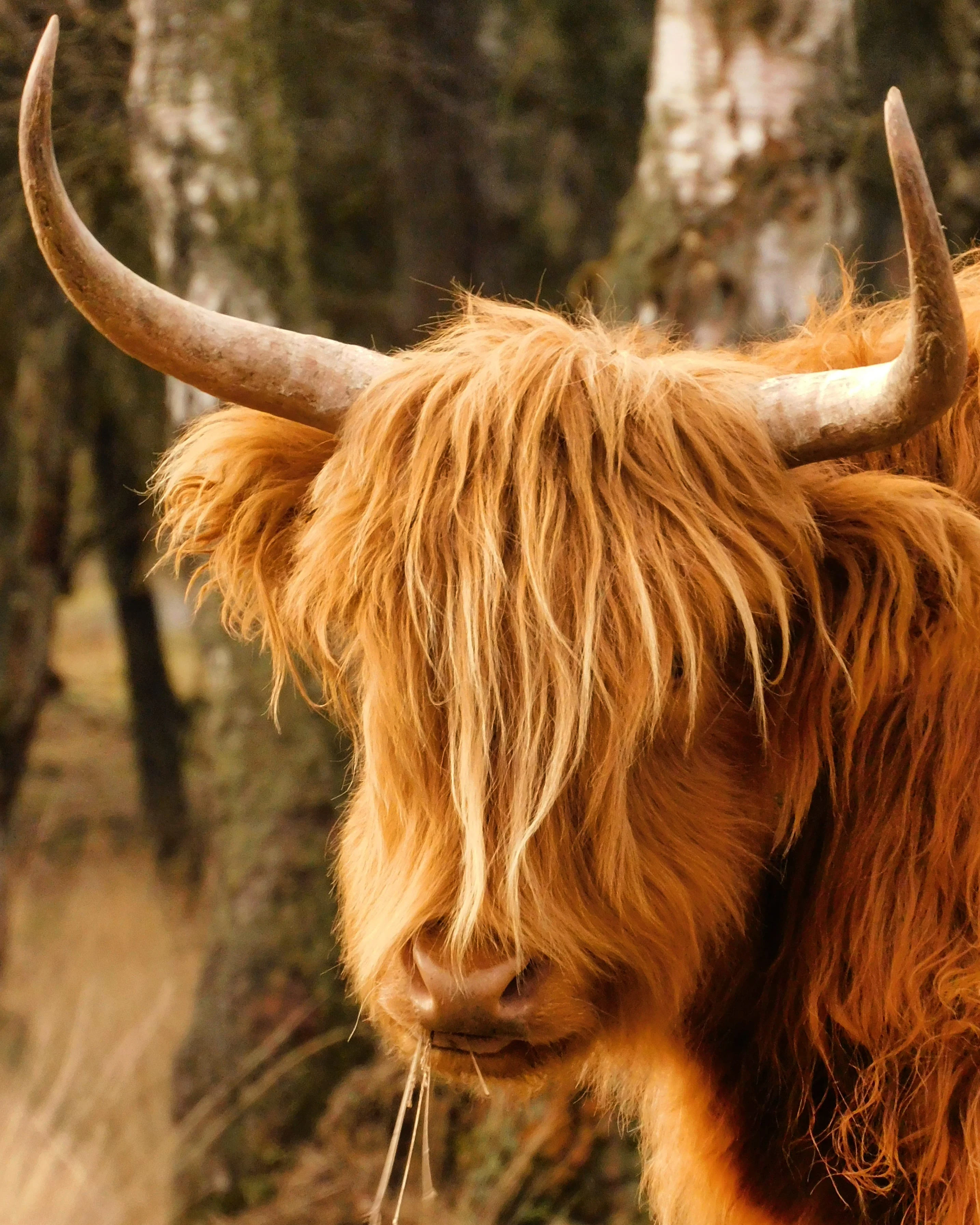
Contemporary conservation management has shifted substantially from the intensive forestry and hunting practices that dominated through the 1980s. The current approach emphasizes natural process-oriented management across most of the park, where exotic tree species are progressively removed and a "do nothing" philosophy allows natural regeneration and the accumulation of dead wood. This approach has demonstrably increased populations of scavengers, fungi, and other organisms dependent on dead wood in the food chain. Large herbivores including Scottish Highland cattle, red deer, fallow deer, roe deer, and wild boar are deployed to maintain habitat diversity by grazing and browsing, preventing succession to closed forest and maintaining the heathland/open woodland mosaic.
The southern estate areas receive more intensive management to preserve their cultural-historical values including historic park design, avenue plantings, water features, and specimen trees. Heathland maintenance continues through grazing by Icelandic ponies and the traditional Rheden sheep flock, supplemented by soil disturbance through plagging where natural processes prove insufficient. The restoration of the Rozendaalse Zand drift sand area through controlled forest removal in 2009 demonstrates active habitat management for rare dune communities.
Veluwezoom National Park cultural meaning and human context
The cultural landscape of Veluwezoom reflects centuries of human interaction with the Veluwe environment. The country estates along the southern park boundary, including Beekhuizen, Heuven, and Rhederoord, originated in the medieval period and developed through the early modern era as wealthy merchants and nobility established country retreats with formal gardens, parklands, and managed woodland. These estates contribute significantly to the park's cultural-historical character and receive specific management attention.
The tradition of outdoor recreation in the Veluwe dates to the late nineteenth century when growing appreciation for natural landscapes drew increasing numbers of visitors, particularly from the western Dutch cities. The Posbank area became especially famous as a destination for day trips, a reputation that grew through the twentieth century as the park became accessible to increasingly broad segments of the Dutch population. This cultural connection between the Dutch public and the Veluwe landscape reinforces the park's significance beyond its ecological value.
The park's stream systems (sprengen) represent another cultural-historical dimension, having been hand-excavated to power watermills before the arrival of steam machinery. Several restored sprengen now contribute to both ecological and landscape values. The historic shepherding tradition continues through the Rheden sheep flock, maintaining the cultural practice of transhumance grazing on the heathlands.
Top sights and standout views in Veluwezoom National Park
Veluwezoom National Park offers several distinctive features that set it apart within the Dutch protected area network. As the nation's first national park established in 1930, it carries historical significance while its diverse landscape of heathlands, ancient woodpastures, coniferous forests, and drift sands provides exceptional ecological variety. The Posbank area serves as the park's iconic viewpoint and is deeply embedded in Dutch cultural consciousness as a destination for nature appreciation. The autumn red deer rut draws visitors in significant numbers to witness this spectacular natural behavior. The Signaal Imbosch at 109.9 meters provides the highest vantage point in Gelderland. The park's network of hiking, cycling, and riding trails makes it exceptionally accessible for outdoor recreation, while the visitor center at Rheden offers educational programming. The Rozendaalse Zand drift sand represents a rare and actively managed habitat for dune-specialist species.
Best time to visit Veluwezoom National Park
Veluwezoom can be enjoyed throughout the year, though different seasons offer distinct experiences. Autumn represents perhaps the most spectacular season, when the red deer rut occurs and large numbers of stags can be observed and heard from viewing points such as the Elsberg. The heathlands take on golden hues as the heather finishes flowering, and the forests display typical autumn color. Winter offers a quieter experience with fewer visitors, and the open heathlands provide atmospheric walking when the landscape is often shrouded in mist. Spring brings the heathlands into bloom with purple heather flowers from late July through August, while woodland wildflowers appear in the forests. Summer attracts the most visitors and provides the warmest weather for outdoor activities, though the heather flowering has typically finished by late August. The shoulder seasons of spring and autumn generally provide the best combination of comfortable weather, wildlife opportunities, and relatively lower visitor pressure.