Why Wigry National Park stands out
Wigry National Park is best known for its exceptional concentration of lakes and its status as Poland's premier beaver habitat. The park's 42 lakes, carved by glacial activity, create a distinctive landscape of interconnected waterways, wetlands, and forested islands. Lake Wigry, with its convoluted shoreline featuring islands, coves, and deep basins, forms the heart of the park's aquatic character. The park is home to approximately 250 beavers, making it one of the strongest populations in Poland, and the species appears prominently in the park's branding. The park is also recognized for its well-preserved peat bogs, including the distinctive "suchar" dystrophic lakes surrounded by peat moss, which represent some of the most pristine wetland habitats in the region.
Wigry National Park history and protected-area timeline
The protection of Wigry's natural values began in the 1920s, when Kazimierz Kulwieć first proposed establishing a reserve around Lake Wigry and its surrounding forests in 1921. The proposal was presented to the State Nature Protection Commission but did not result in concrete action. In 1924, botanist Bolesław Hryniewiecki and limnologist Alfred Lityński published another proposal titled "Plan for the Creation of a Reserve on Lake Wigry" in the "Ochrona Przyrody" yearbook. Although this proposal was also not implemented, the scientific arguments presented led to the establishment of a hydrobiological station on the lake's shores at Płociczno, which conducted intensive research until the outbreak of World War II in 1939.
The first actual protected areas were established in the 1950s, focusing on beaver conservation. The "Ostoja Bobrów Stary Folwark" reserve was created in 1959 to protect beaver habitats at the mouth of the Czarna Hańcza river, followed by the "Ostoja Bobrów Zakąty" reserve in 1961. In 1970, Lake Wądołek and adjacent forest became the first strict nature reserve in the area. The park gained international recognition in 1975 when the International Union for Conservation of Nature (IUCN) included Lake Wigry on its list of the world's most valuable water reservoirs as part of Project "Aqua."
The establishment of Wigry Landscape Park in 1976, covering nearly 11,000 hectares, paved the way for national park designation. Work toward creating a national park began in 1982, involving comprehensive scientific studies of the region's natural values. The government decision to establish Wigry National Park came in June 1988, with the park officially beginning operations on January 1, 1989, covering 14,840 hectares. The area was expanded to 15,085 hectares in 1997. In 2002, the park was inscribed on the Ramsar Convention list of wetlands of international importance, and it became part of the European Natura 2000 network in 2004.
Wigry National Park landscape and geographic character
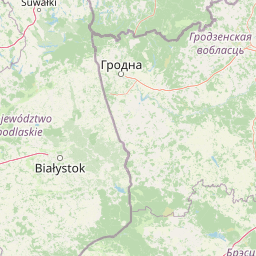
The landscape of Wigry National Park bears the unmistakable imprint of glacial processes that dominated this region approximately 12,000 years ago during the retreat of the last Scandinavian ice sheet. As the glacier slowly receded northward, it left behind a terrain characterized by terminal moraines, outwash plains, and numerous depressions that filled with water to form lakes. The park's name derives from Lake Wigry, a glacially carved lake with a complex, convoluted shoreline featuring numerous bays, coves, islands, and underwater ridges that create exceptional visual and ecological diversity.
The park contains 42 lakes representing a wide range of limnological types, differing in size, depth, fertility, thermal characteristics, and humic compound concentrations. The lakes vary from deep, clear, mesotrophic waters to shallow, dystrophic "suchar" lakes—small woodland pools surrounded by peat moss that represent the most pristine and chemically unique aquatic habitats in the park. Lake Wigry dominates the park's central area, covering 21.87 km² with a maximum depth of 73 meters, while smaller lakes like Pierty, Leszczewek, and Mulaczysko add to the aquatic complexity.
The terrain exhibits clear topographical variation: the northern part of the park rises into gently rolling hills reaching approximately 180 meters above sea level, while the southern portion is flatter and covered primarily by the Augustów Primeval Forest. Peat bogs have developed in many of the shallower lake basins over millennia, creating distinctive wetland habitats that contrast with the surrounding pine and spruce forests.
Wigry National Park ecosystems, habitats, and plant life
The ecological character of Wigry National Park reflects its position at the intersection of two major European biogeographical regions: the Masurian Lake District and the Augustów Primeval Forest. The park's vegetation is dominated by mossy coniferous forests of pine and spruce, with fir playing a significant role across all forest types—a notable feature given that beech is entirely absent from the park. This forest composition reflects the region's continental climate and the relatively poor soils that characterize much of the area.
The park supports approximately 800 species of vascular plants, over 200 species of mosses and liverworts, and roughly 300 species of lichens. The aquatic environments host a rich algal flora, while the wetland systems contain specialized plant communities adapted to saturated, acidic conditions. Notably, 75 plant taxa are protected under Polish law, including 61 under strict protection and 14 under partial protection. The park is particularly significant for orchids, hosting 22 species—including the critically endangered miodokwiat krzyżowy (Gentiana cruciata) and kukuczka kapturkowata (Orchis militaris)—representing a substantial portion of Poland's orchid diversity.
The aquatic ecosystems display considerable ecological diversity, ranging from productive, nutrient-rich lakes to dystrophic, humic-stained woodland pools. The shallowest lakes have evolved into peat bogs over time, creating wetland habitats of high conservation value. The Czarna Hańcza river system connects multiple lakes, facilitating fish migration and creating a dynamic aquatic environment.
Wigry National Park wildlife and species highlights
Wigry National Park supports an exceptional diversity of wildlife, with over 1,700 animal species documented within its boundaries. The vertebrate fauna includes 46 mammal species, 202 bird species, 12 amphibian species, 5 reptile species, and 32 fish species. Of these, 289 species are protected by Polish law, and 128 appear on the IUCN Red List of Threatened Species, representing a remarkable concentration of protected biodiversity.
The European beaver is the park's most characteristic mammal species, with a population of approximately 250 individuals thriving in the lakes and rivers. This represents one of the strongest beaver populations in Poland, a species that was nearly extirpated from the country in the early 20th century before reestablishing itself from populations that migrated from the Soviet Union. The park is also home to wolves, which maintain territories within the forested areas, and a range of other mammals including red deer, roe deer, wild boar, and smaller species.
The avifauna is exceptionally rich, with 202 bird species recorded, of which 185 receive legal protection. Waterfowl, forest birds, and wetland specialists all find habitat within the park's diverse environments. The fish community includes species of conservation and recreational importance, and the park operates a fish hatchery that produces material for restocking both park waters and lakes throughout the Suwalszczyzna region.
Wigry National Park conservation status and protection priorities
Wigry National Park holds significant conservation importance at both national and international levels. Its designation as a Ramsar Wetland of International Importance in 2002 recognizes the park's exceptional wetland ecosystems and their role in supporting biodiversity. The park's inclusion in the Natura 2000 network in 2004 further integrates it into Europe's conservation framework, specifically protecting habitats and species of European significance under the EU Birds and Habitats Directives.
The park's conservation value is grounded in its mosaic of lakes, peat bogs, and forests that represent some of the most intact ecological communities in northeastern Poland. The strictly protected zones, covering 6.23 km² including 2.83 km² of forest, provide refuges for sensitive species and allow natural processes to proceed without significant human interference. The park's 42 lakes, diverse peat bogs, and the Czarna Hańcza river system create a conservation network that supports species from aquatic invertebrates to large mammals.
Special conservation programs focus on beaver protection, orchid conservation, and fish population management. The beaver reintroduction success story—from near extinction to a population of approximately 250 individuals—demonstrates the park's effectiveness as a conservation mechanism. Similarly, orchid conservation efforts have involved habitat management and experimental translocation programs to ensure the survival of endangered species.
Wigry National Park cultural meaning and human context
While Wigry National Park is primarily valued for its natural ecosystems, the area does contain cultural elements that enrich its character. A former monastery within the park now hosts an artist residency operated by the Polish Ministry of Culture, providing a venue for creative work in a natural setting. This adaptive reuse of historical architecture reflects the park's role in the broader cultural landscape of the Suwalszczyzna region.
The park's name derives from Lake Wigry, which has been an important local feature for centuries. The region's history includes the presence of hydrobiological research in the interwar period, and the area has been subject to various forms of traditional land use including fishing and forestry. The park encompasses areas of the Augustów Primeval Forest that have been managed for timber extraction while maintaining their forest character, representing a landscape where natural and cultural processes have interacted over extended periods.
Top sights and standout views in Wigry National Park
Wigry National Park stands out for its exceptional lake-dominated landscape, with 42 lakes creating a complex aquatic environment centered on Lake Wigry. The park offers over 190 kilometers of tourist trails and extensive kayaking opportunities on the Czarna Hańcza river and connected lakes. The beaver population, estimated at 250 individuals, represents one of the strongest in Poland and has become a symbol of the park's conservation success. The wetland system, including the distinctive dystrophic "suchar" lakes surrounded by peat moss, represents some of the most pristine aquatic habitats in the region.
Best time to visit Wigry National Park
The park is most attractive during the summer months, when the warm season brings visitors to enjoy the lakes, kayaking, and forest trails. Northeastern Poland and the park itself are particularly popular destinations in July and August when the weather is favorable for outdoor activities on the water. The shoulder seasons of spring and autumn offer different experiences: spring brings bird migration and the awakening of forest life, while autumn paints the coniferous forests in golden hues and offers excellent foraging opportunities for wildlife viewing. Winter transforms the landscape, and while many activities are limited, the frozen lakes and snow-covered forests present a stark, beautiful character that appeals to those seeking a wilder, quieter experience.