Why Teide National Park stands out
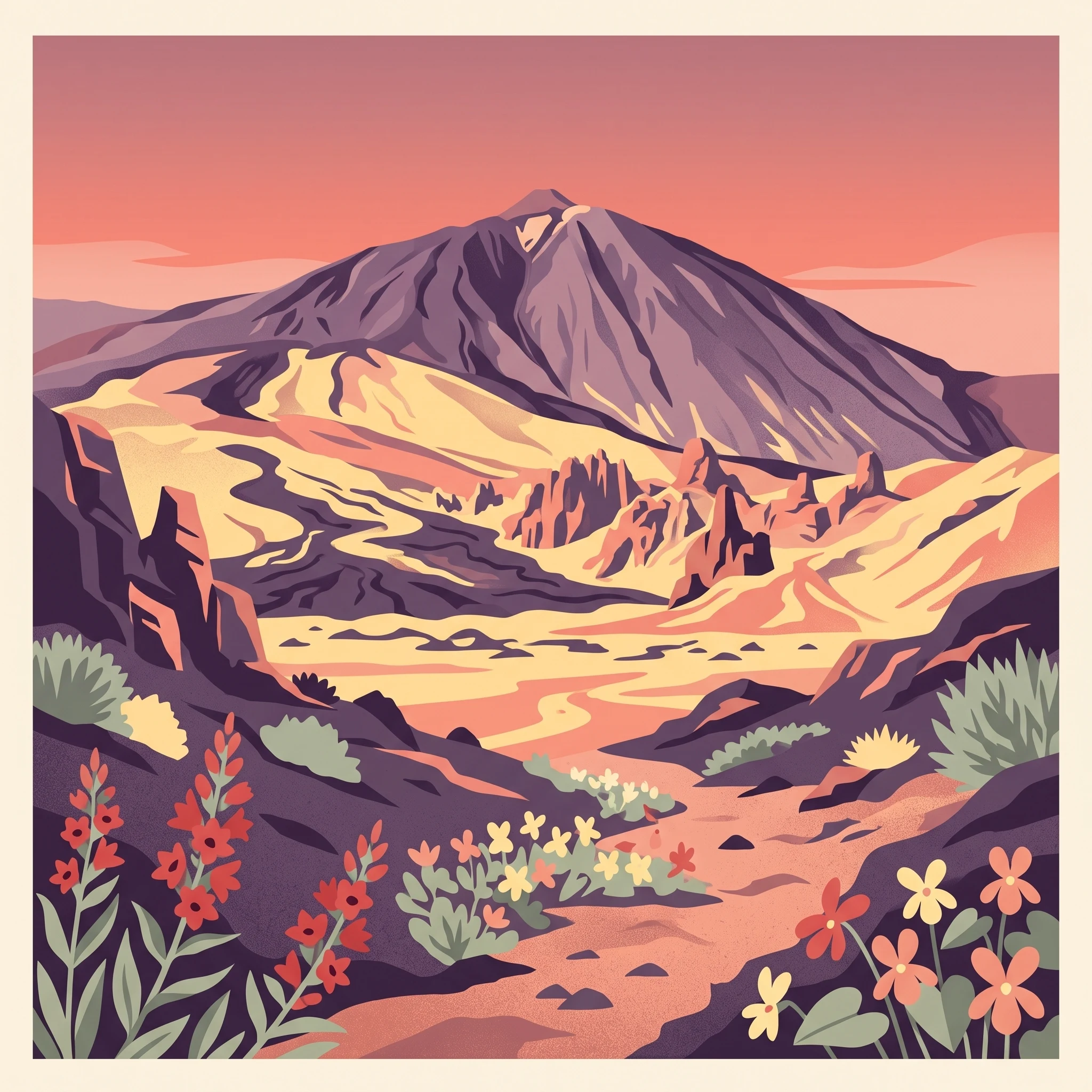
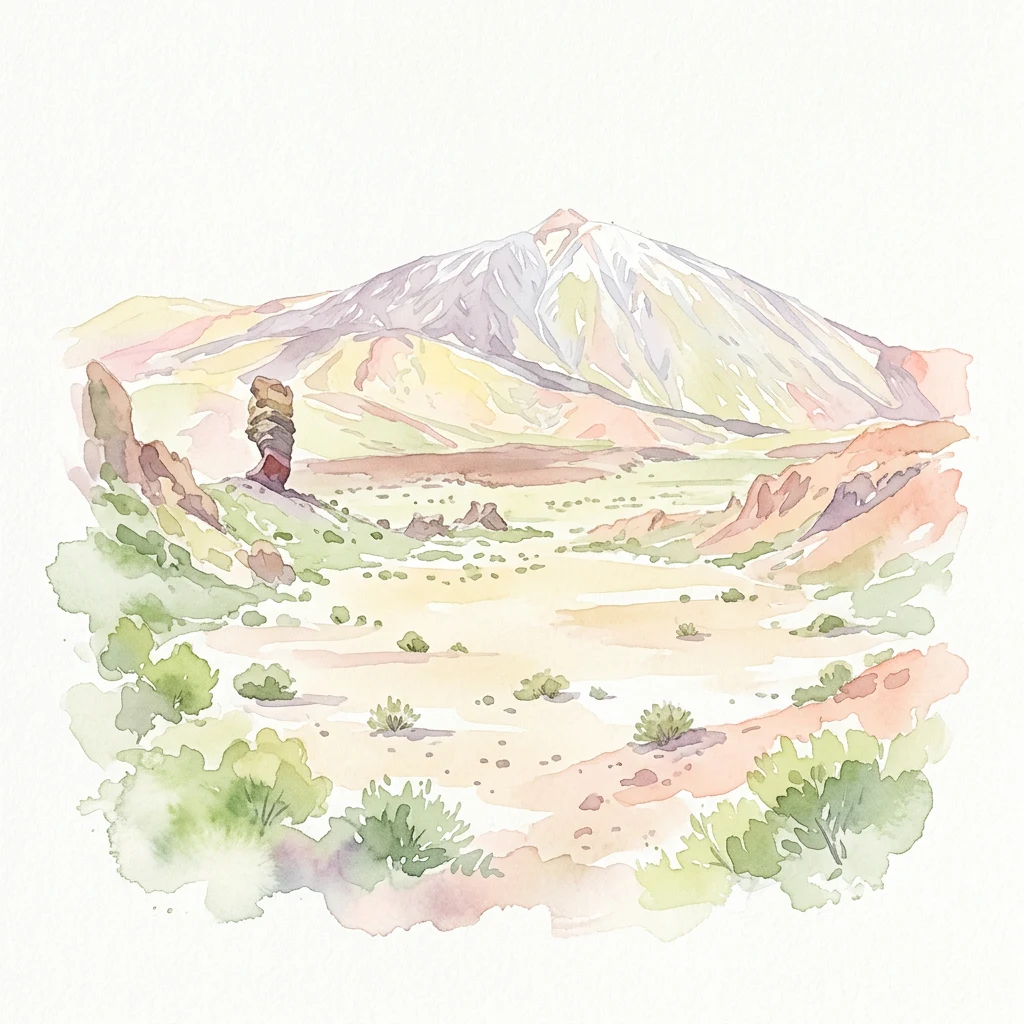
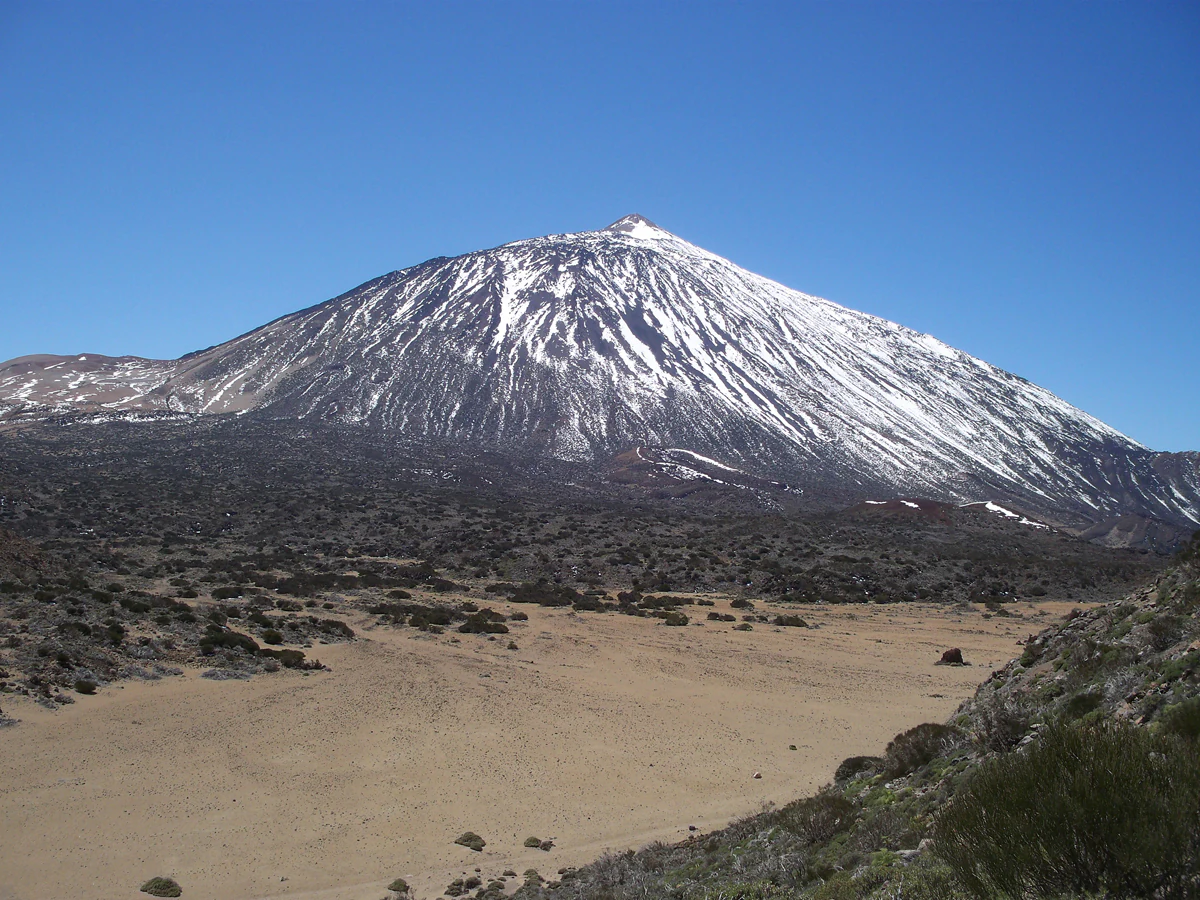
Teide National Park is best known for protecting Mount Teide, Spain's highest mountain and one of the world's most distinctive volcanic landmarks. The park is renowned for its extraordinary volcanic landscape featuring the Las Cañadas caldera, the Roques de García rock formations, and dramatic lava flows that create a Mars-like terrain of global scientific importance. The park is famous for its unique endemic flora, including the striking red-flowered Teide bugloss that blooms in late spring, and the Teide violet that grows at the highest altitudes of any flowering plant in Spain. The park's significance as a testing ground for Mars exploration instruments has made it a landmark in planetary science research.
Teide National Park history and protected-area timeline
Teide National Park has held profound spiritual significance since pre-Hispanic times, when the aboriginal Guanches considered the mountain a sacred site and believed it was the gate to hell, naming it Echeyde. Archaeological sites discovered within the park reveal the historical importance of this volcanic landscape to the island's indigenous inhabitants. National park status was formally declared on January 22, 1954, making it the third oldest national park in Spain and the oldest in the Canary Islands. The Council of Europe awarded the park its European Diploma of Protected Areas in 1989, its highest category, with this recognition subsequently renewed in 1994, 1999, and 2004. In December 1999, the Spanish government expanded the park's boundaries by incorporating adjacent lands totaling 5,419 hectares, reaching the current surface area. After five years of effort, UNESCO declared Teide National Park a World Heritage Site on June 28, 2007, recognizing its outstanding universal value under natural criteria vii and viii. At the end of 2007, the park was also chosen as one of the 12 Treasures of Spain following a nationwide public vote.
Teide National Park landscape and geographic character
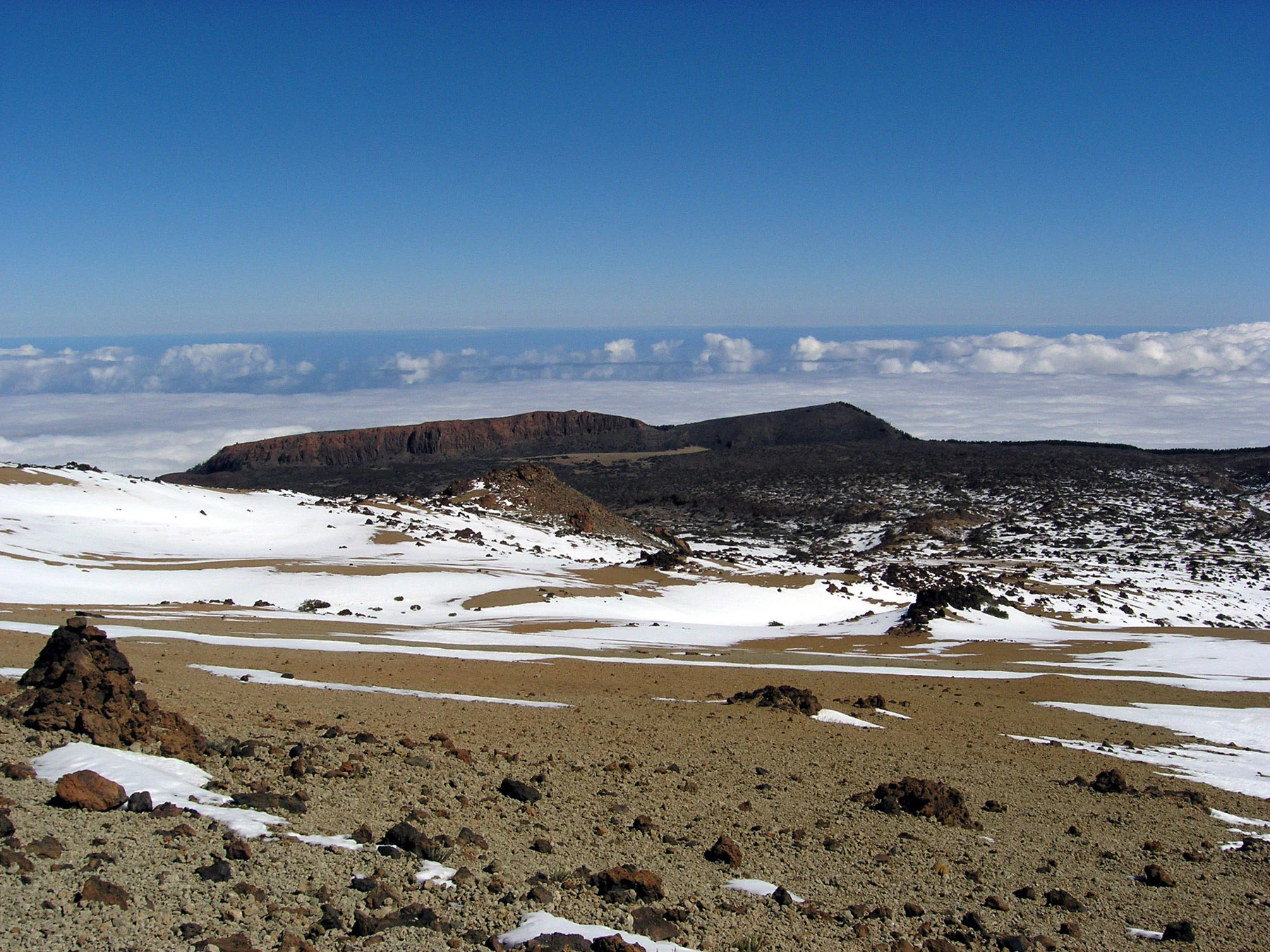
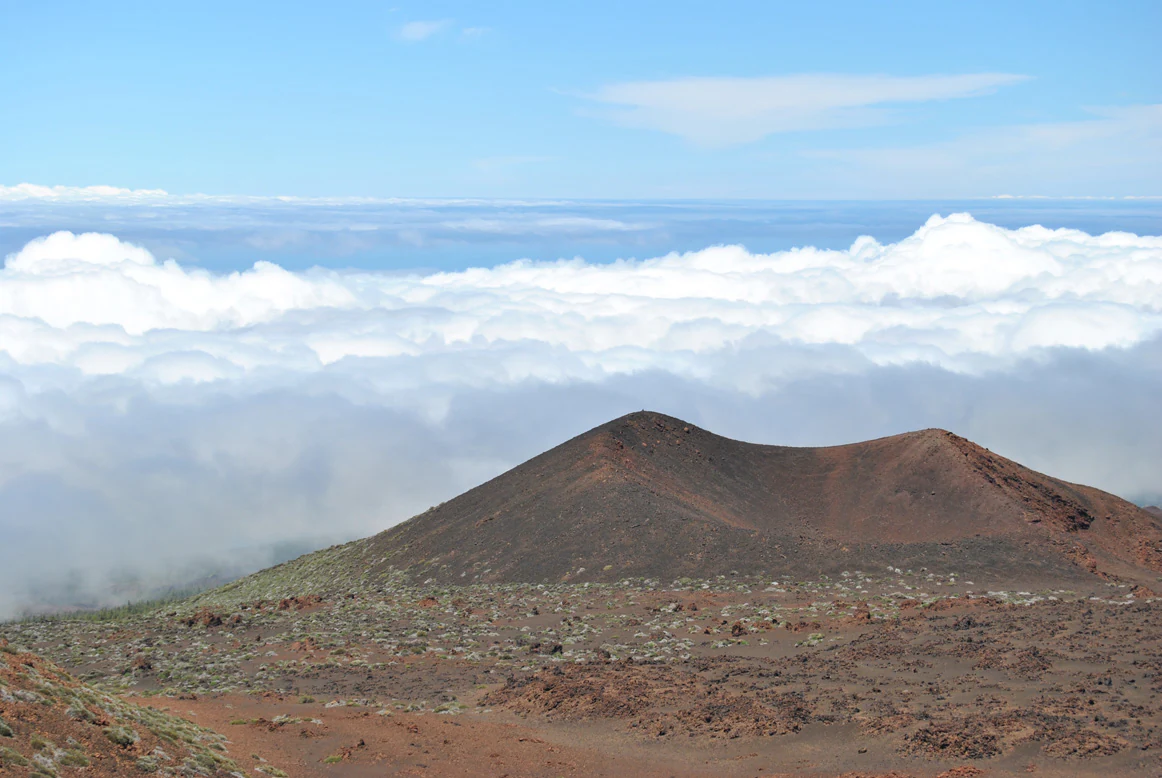
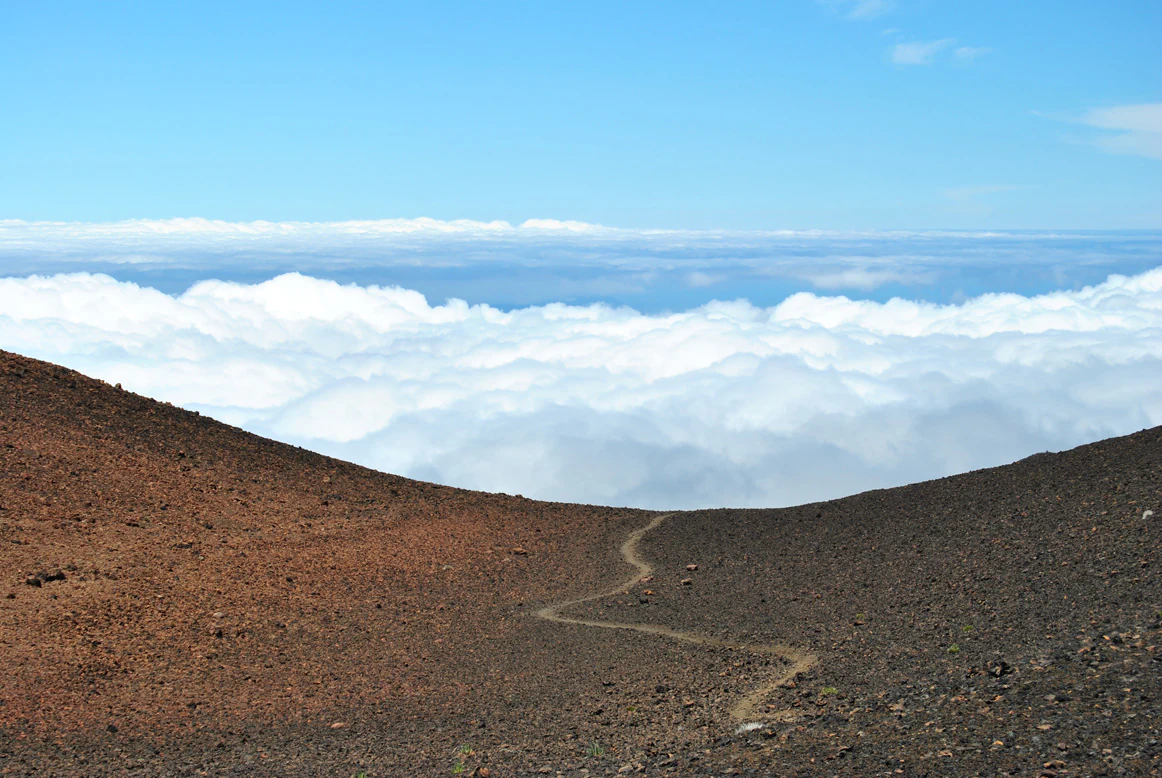
The physical landscape of Teide National Park presents one of Europe's most dramatic volcanic terrains, characterized by the massive Las Cañadas caldera, a volcanic crater approximately 16 kilometers in diameter that serves as the park's central basin. Within this caldera and on its flanks rise the park's two dominant peaks: Mount Teide at 3,718 meters and Pico Viejo at 3,135 meters, the only two summits in the Canary Islands exceeding 3,000 meters. The Roques de García are iconic rock formations rising dramatically from the caldera floor, while features like the Alto de Guajara, Llano de Ucanca, and the Siete Cañadas add to the landscape's diversity. Numerous volcanic cones and lava flows from different eruptions create a complex terrain of stark beauty, with formations ranging from jagged peaks to smooth lava fields. The landscape changes dramatically with altitude and season, with winter snow often capping Teide's summit while the lower slopes remain bathed in sunshine. The striking contrast between the dark volcanic rocks and the often vivid blue sky defines the park's visual character.
Teide National Park ecosystems, habitats, and plant life
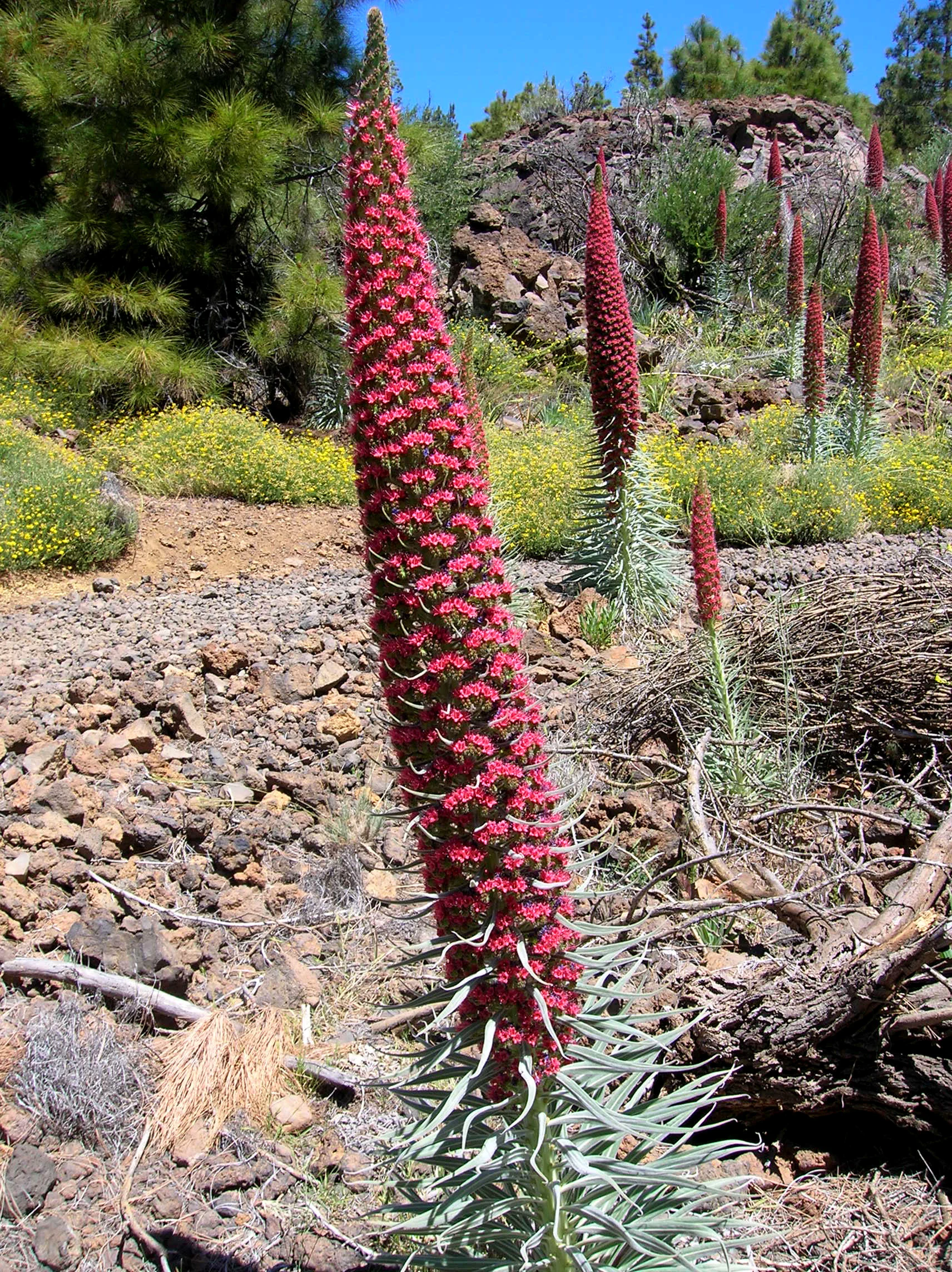
The ecological character of Teide National Park is defined by extreme environmental conditions that have produced remarkable plant adaptations and high levels of endemism. Vascular flora includes 168 plant species, of which 33 are endemic to Tenerife, making the park botanically significant despite its harsh conditions. The Canary Island pine forest covers the middle slopes between 1,000 and 2,100 meters, with an alpine timberline approximately 1,000 meters lower than continental mountains at similar latitudes due to the island's isolation. Above the treeline, the Las Cañadas caldera provides sheltered conditions where more fragile species survive, including the Canary Island cedar and pine. The most dominant plant species include the Teide white broom with white and pink flowers, the Canary Island wallflower with white and violet blooms, and the spectacular Teide bugloss whose red flowers form pyramids up to three meters tall. The Teide daisy grows at altitudes approaching 3,600 meters, while the Teide violet found at the volcano's summit represents the highest flowering plant in Spain. These species have evolved remarkable adaptations including semi-spherical forms, waxy or downy coverings, reduced leaf area, and high flower production to survive intense sunlight, extreme temperature variations, and drought conditions.
Teide National Park wildlife and species highlights
Wildlife in Teide National Park presents an interesting pattern of limited vertebrate diversity paired with remarkable invertebrate richness. The park supports over 40% endemic invertebrate species, with 70 species found nowhere else on Earth, including spiders, beetles, dipterans, hemipterans, and hymenopterans. Vertebrate fauna is more limited, with only ten bird species nesting within the park. Notable avian residents include the Tenerife blue chaffinch, Berthelot's pipit, the Atlantic canary, and a subspecies of kestrel. Three endemic reptile species inhabit the park: the Canary Island lizard, the Canary Island wall gecko, and the Canary Island skink. The only mammals native to the park are bats, with Leisler's bat being the most common species. Several mammals including mouflon, rabbit, house mouse, black rat, feral cat, and Algerian hedgehog have been introduced to the park over time.
Teide National Park conservation status and protection priorities
Teide National Park holds significant conservation importance as both a European and global protected area, recognized through multiple prestigious designations. The park's UNESCO World Heritage inscription in 2007 acknowledges its outstanding universal value as a natural site of global significance. The European Diploma of Protected Areas awarded by the Council of Europe in 1989 and repeatedly renewed represents the highest level of conservation recognition in Europe. The park is part of the Natura 2000 network and contains 11 habitats of interest community covering 75% of its surface area. The park's conservation value is enhanced by its role as a refuge for 33 endemic plant species, three of which are listed as endangered and twelve as vulnerable under Spain's National Catalogue of Threatened Species. The park's selection as a Mars analog testing site by space agencies reflects the scientific community's recognition of its unique geological and environmental conditions, positioning it as an important site for planetary science research that further elevates its conservation priority.
Teide National Park cultural meaning and human context
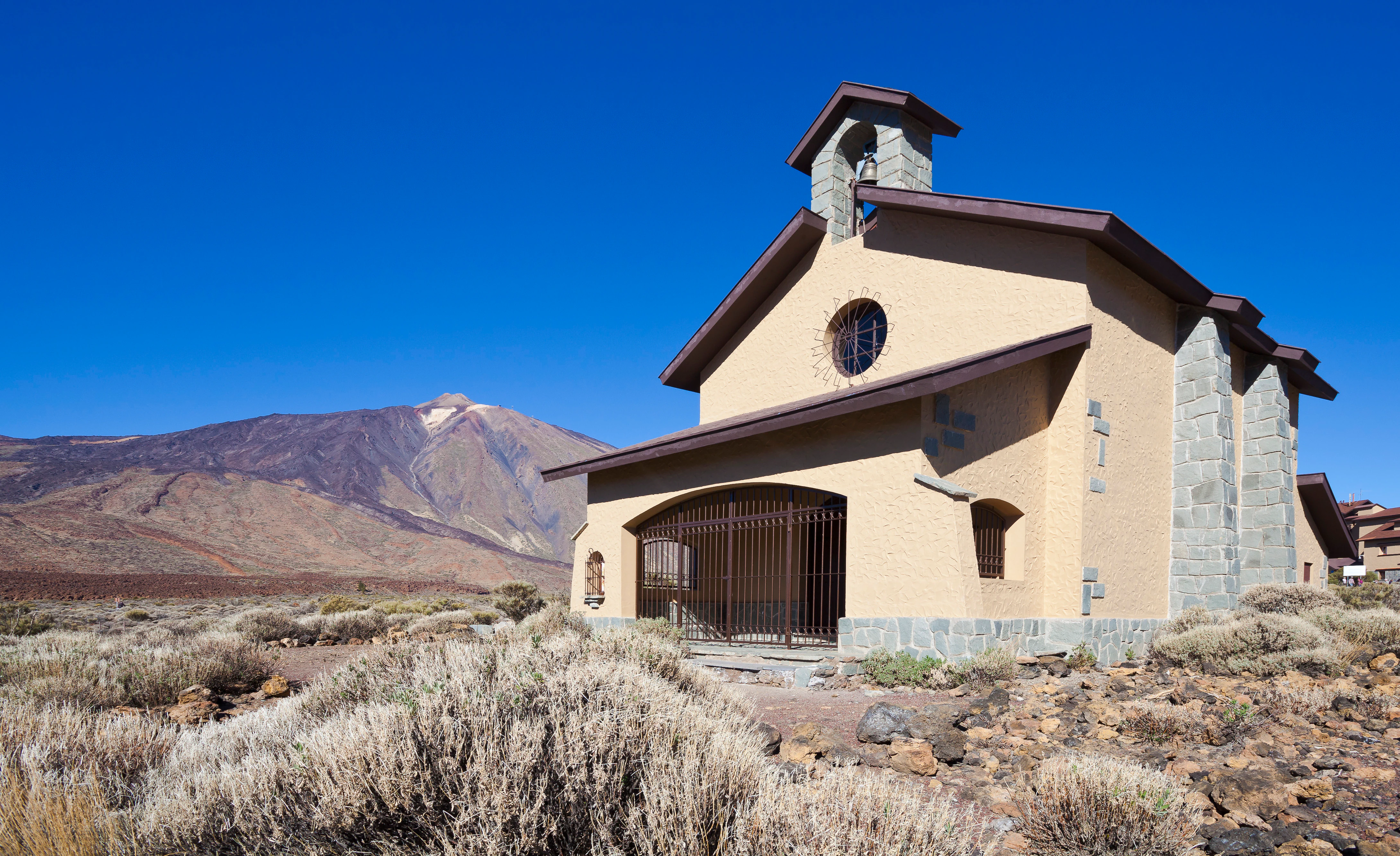
Teide National Park carries deep cultural significance rooted in the island's pre-Hispanic past. The aboriginal Guanche people, Tenerife's indigenous inhabitants, held Mount Teide in reverence as a sacred mountain they called Echeyde, meaning the dwelling of Guayota, the evil spirit they associated with the volcano's fires. According to Guanche legend, Guayota kidnapped the sun god Magec and imprisoned him inside the volcano, plunging the island into darkness until the supreme god Achamán defeated the evil spirit and sealed the volcano's mouth. The park contains important archaeological sites that reveal the Guanches' relationship with this landscape, which served as a seasonal resource for grazing their flocks during summer months. The park also contains the highest Christian church in Spain, a small chapel dedicated to the Virgen de las Nieves that stands near the Parador de Las Cañadas, reflecting the continuing human presence in this volcanic landscape.
Top sights and standout views in Teide National Park
Teide National Park offers visitors the experience of Spain's highest peak, spectacular volcanic landscapes resembling a Martian environment, and some of the clearest skies in Europe for stargazing. The Teide Observatory operates at 2,371 meters, making Tenerife a world center for astronomical research. The park serves as a living laboratory for space science, having been used to test instruments destined for Mars missions including the ExoMars expedition. The striking red blooms of the Teide bugloss in May and June create one of the Canary Islands' most memorable wildflower displays. Rock formations like the Roques de García and the distinctive Roque Cinchado have made the park a popular filming location for productions ranging from One Million Years B.C. to Clash of the Titans. The park has been a training ground for elite cyclists seeking altitude conditioning in stable weather conditions.
Best time to visit Teide National Park
Teide National Park can be visited year-round due to its generally sunny, dry, and mild climate, though the experience varies considerably by season. Summer brings the most stable weather with almost completely clear skies, though this is also the busiest period with highest visitor numbers. Late spring, particularly May and June, offers the park's most spectacular floral display when the Teide bugloss and other endemic species bloom, creating vivid red and white carpets across the landscape. Winter can bring snow to the upper elevations, transforming the landscape into a dramatically different scene while attracting fewer visitors, though access to higher elevations may be restricted during adverse weather. The Izaña Observatory records an average annual temperature of 10.2°C, with summer highs around 23°C and winter lows occasionally dropping below -9°C at the summit. For those seeking the best balance of good weather, fewer crowds, and the flowering season, late April through June represents an ideal visiting period.