
Why Snowdonia National Park stands out
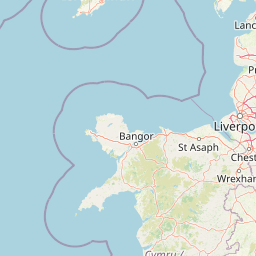
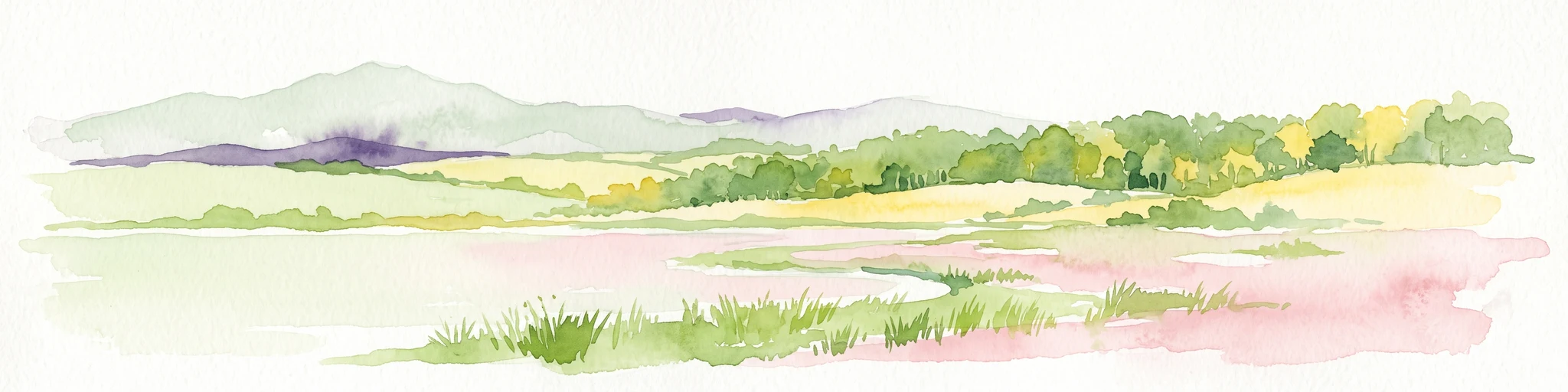
Snowdonia is best known for its dramatic mountain scenery, particularly the iconic peak of Snowdon which draws hundreds of thousands of visitors annually. The park's landscape of sharp peaks, deep glacial valleys, and mountain lakes represents some of the most spectacular terrain in the British Isles. Snowdon's summit railway, the only mountain railway in the British Isles, offers visitors an alternative to walking to the summit. The park also contains rare Berwyn sheep and is an important area for upland birds including peregrine falcons and dotterel.
Snowdonia National Park history and protected-area timeline
Snowdonia's landscape has been shaped by centuries of human activity, from medieval hill farming to the industrial era's slate quarrying. The region's communities have long maintained a presence in these mountains, with small settlements and farmsteads scattered throughout the valleys. The creation of the national park in 1951 marked a pivotal moment in British conservation, establishing legal protections for this iconic landscape and creating a framework for balancing public access with environmental preservation. The park's establishment followed decades of advocacy by conservationists who recognised the need to protect Wales's mountain heritage from uncontrolled development.
Snowdonia National Park landscape and geographic character
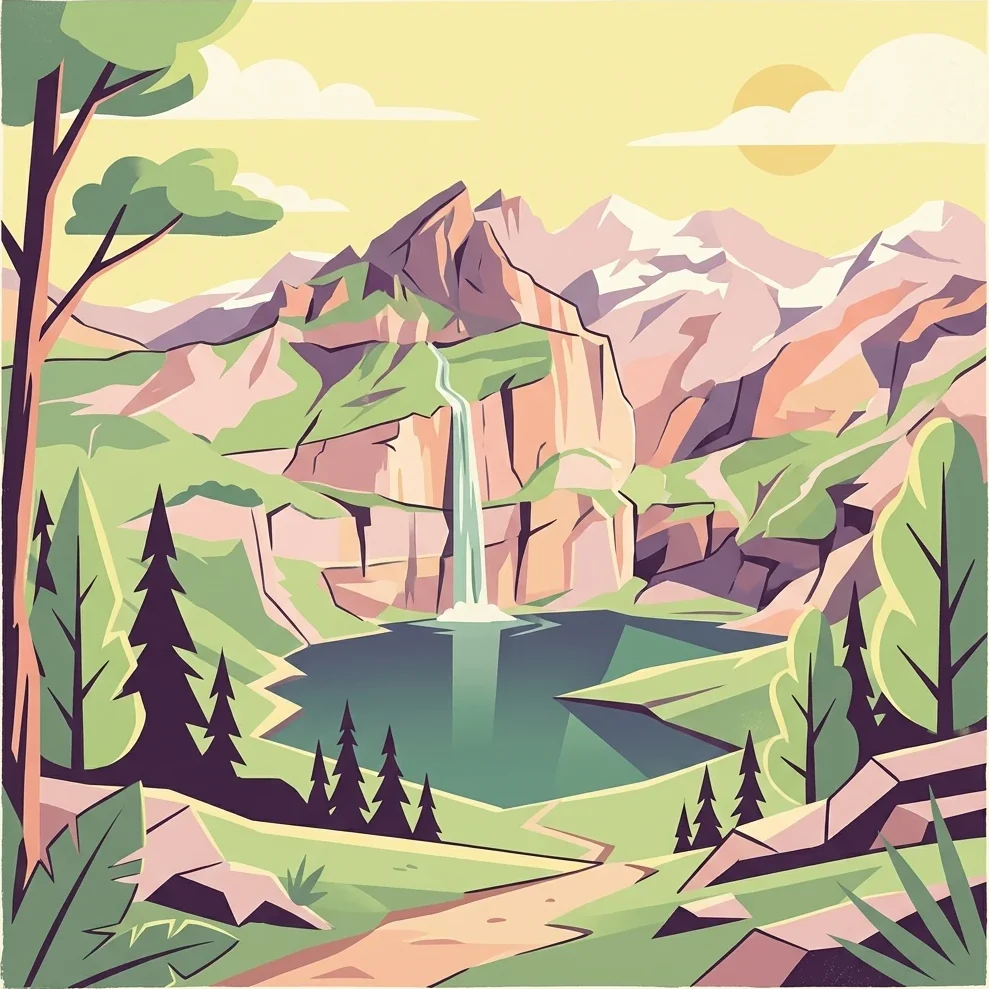
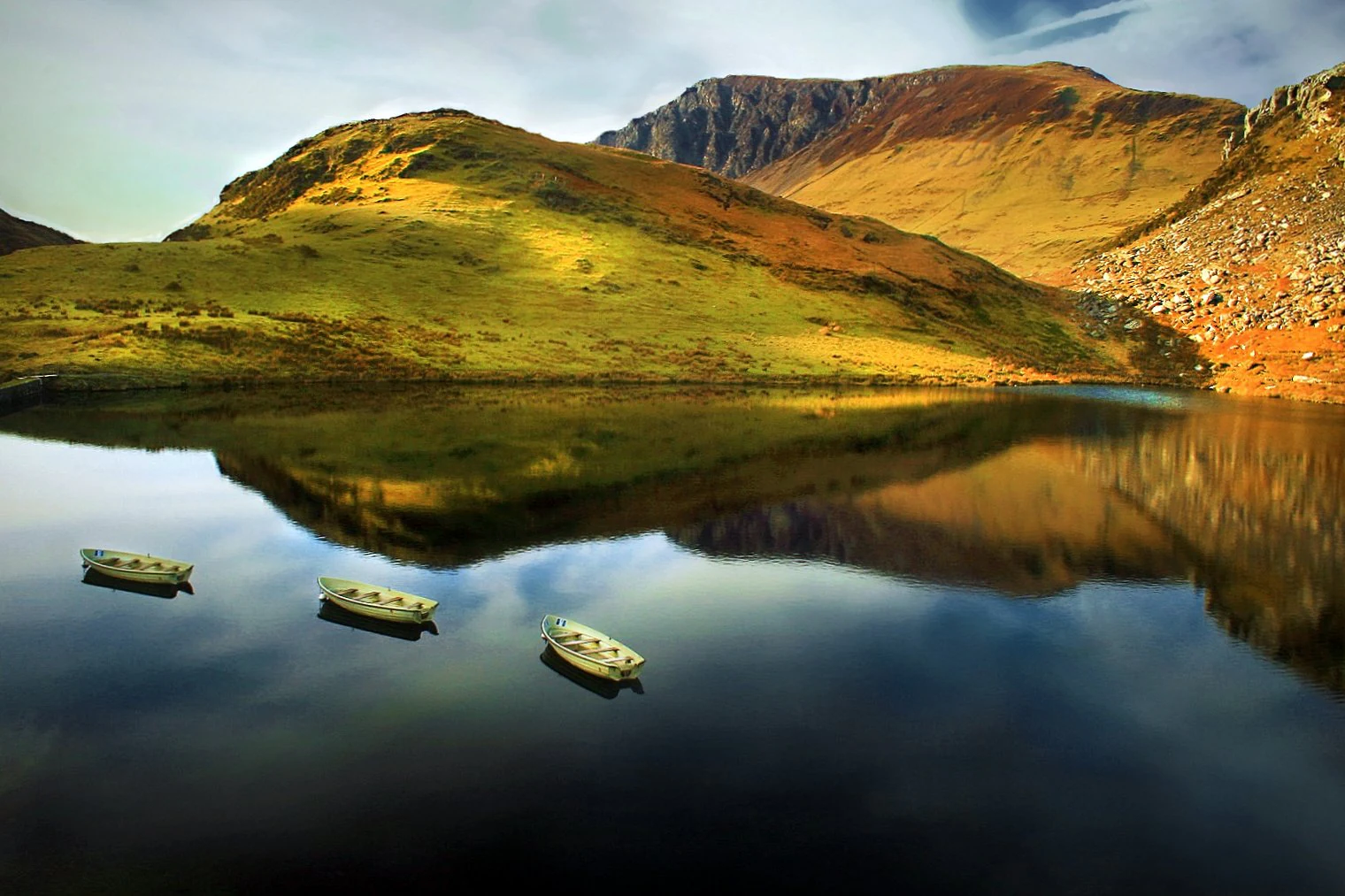
The Snowdonia landscape is defined by its mountainous terrain, formed during the Devensian glaciation when ice sheets scoured deep valleys and carved the characteristic cwms that now cradle mountain lakes. The highest peaks are dominated by bare rock, steep cliffs, and scree slopes, while lower slopes support heather moorland and grassy valleys. The park contains more than 90 lakes, ranging from small tarns to the larger Llyn Tegid, each reflecting the surrounding mountains. Waterfalls are a notable feature, with the precipitous fall of the River Rhaeadr among the most impressive. The contrast between the cultivated lower valleys and the wild uplands creates a landscape of striking variety.
Snowdonia National Park ecosystems, habitats, and plant life
Snowdonia supports a range of habitats characteristic of upland Britain, from the summit heath communities to the oak woodlands of the lower valleys. The park's highest ground supports alpine and sub-arctic vegetation, including rare mosses and lichens that survive in the cool, wet conditions. Blanket bogs cover substantial areas, storing carbon and supporting specialised plant communities. The oak woodlands, particularly in the southern part of the park, represent some of the most natural woodland remaining in lowland Britain. These woods support rich communities of ferns, mosses, and invertebrates.

Snowdonia National Park wildlife and species highlights
The park's wildlife reflects its diverse habitats, with species adapted to both the harsh mountain environment and the more sheltered valleys. Peregrine falcons nest on cliff ledges, while the rare dotterel breeds on high ground in summer. Red kites and buzzards soar over the valleys, and the park supports important populations of mountain hares that change colour with the seasons. The lakes and rivers contain populations of brown trout and Arctic char, a cold-water species that survived in deep lakes from the last Ice Age.
Snowdonia National Park conservation status and protection priorities
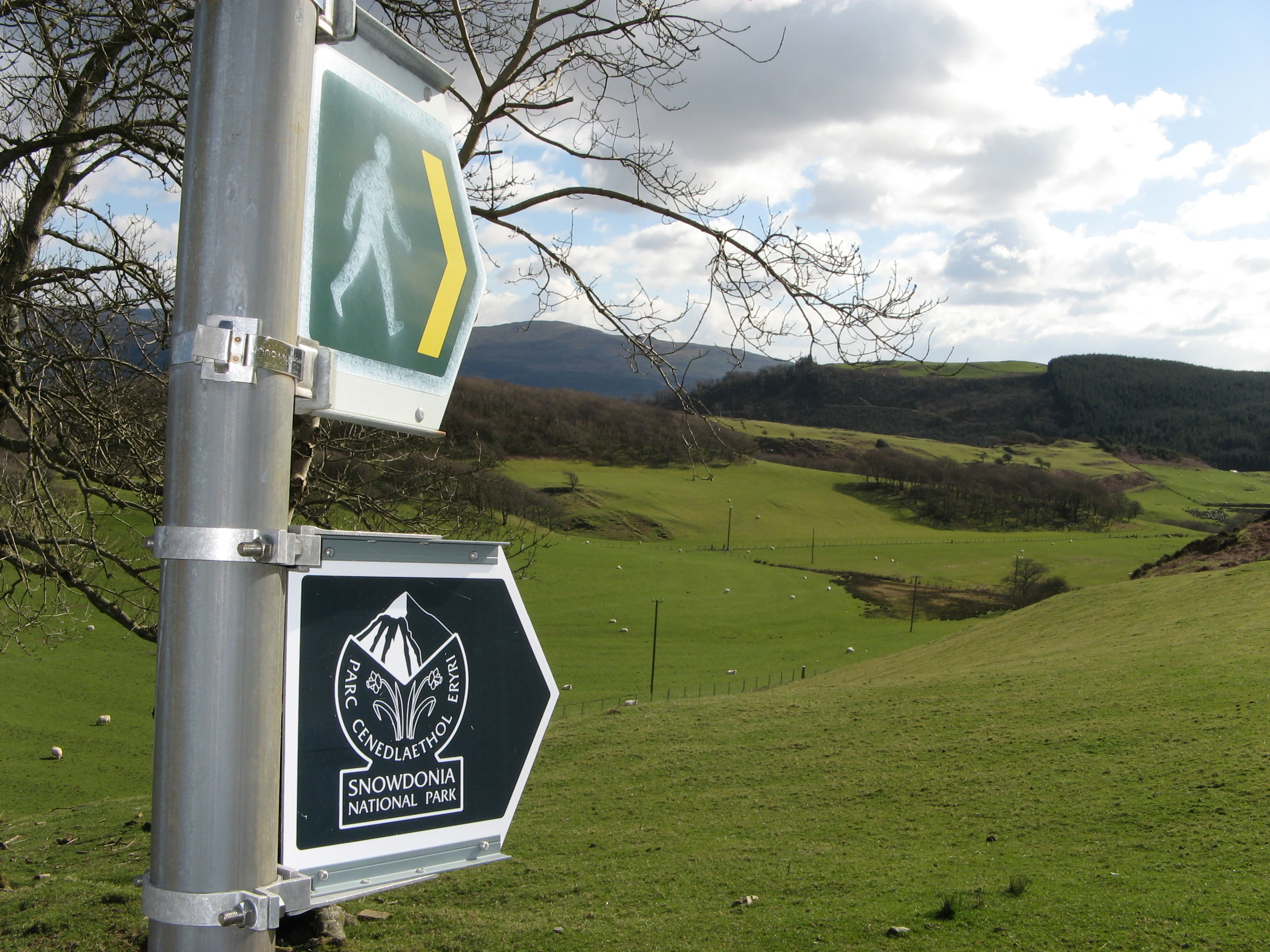
Snowdonia was designated as a national park to protect its outstanding natural beauty and provide for public enjoyment of the mountain landscape. The park falls within the Morecambe Bay and Snowdonia National Nature Partnership area, co-ordinating conservation work across the broader region. Habitat management focuses on maintaining the upland environments, controlling invasive species, and supporting the traditional farming practices that have shaped the landscape over centuries. The park'smoorlands are recognised as being of international importance for nature conservation.
Snowdonia National Park cultural meaning and human context
The mountains of Snowdonia have long held significance in Welsh culture and identity. The Welsh name Eryri, meaning the place of the eagles, reflects the historical presence of these birds in the region. The landscape has been celebrated in Welsh literature and art, and the mountains remain an important symbol in Welsh national life. Traditional hill farming has shaped the valleys for centuries, and the remains of medieval farmsteads and early agricultural settlements can still be found throughout the park.
Top sights and standout views in Snowdonia National Park
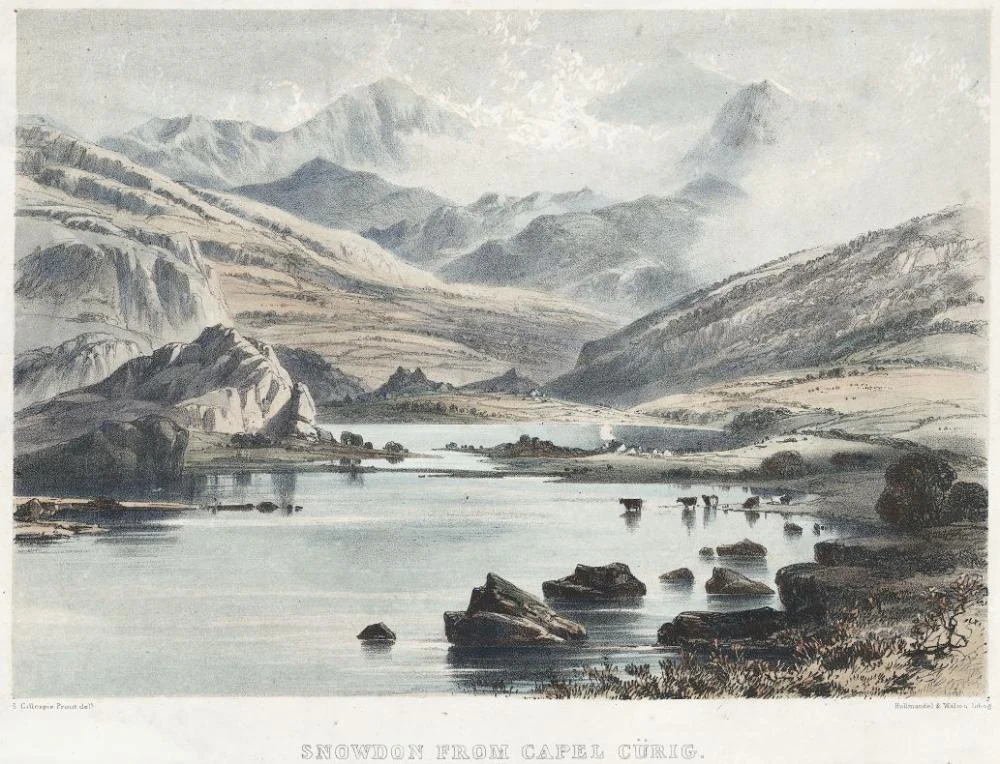
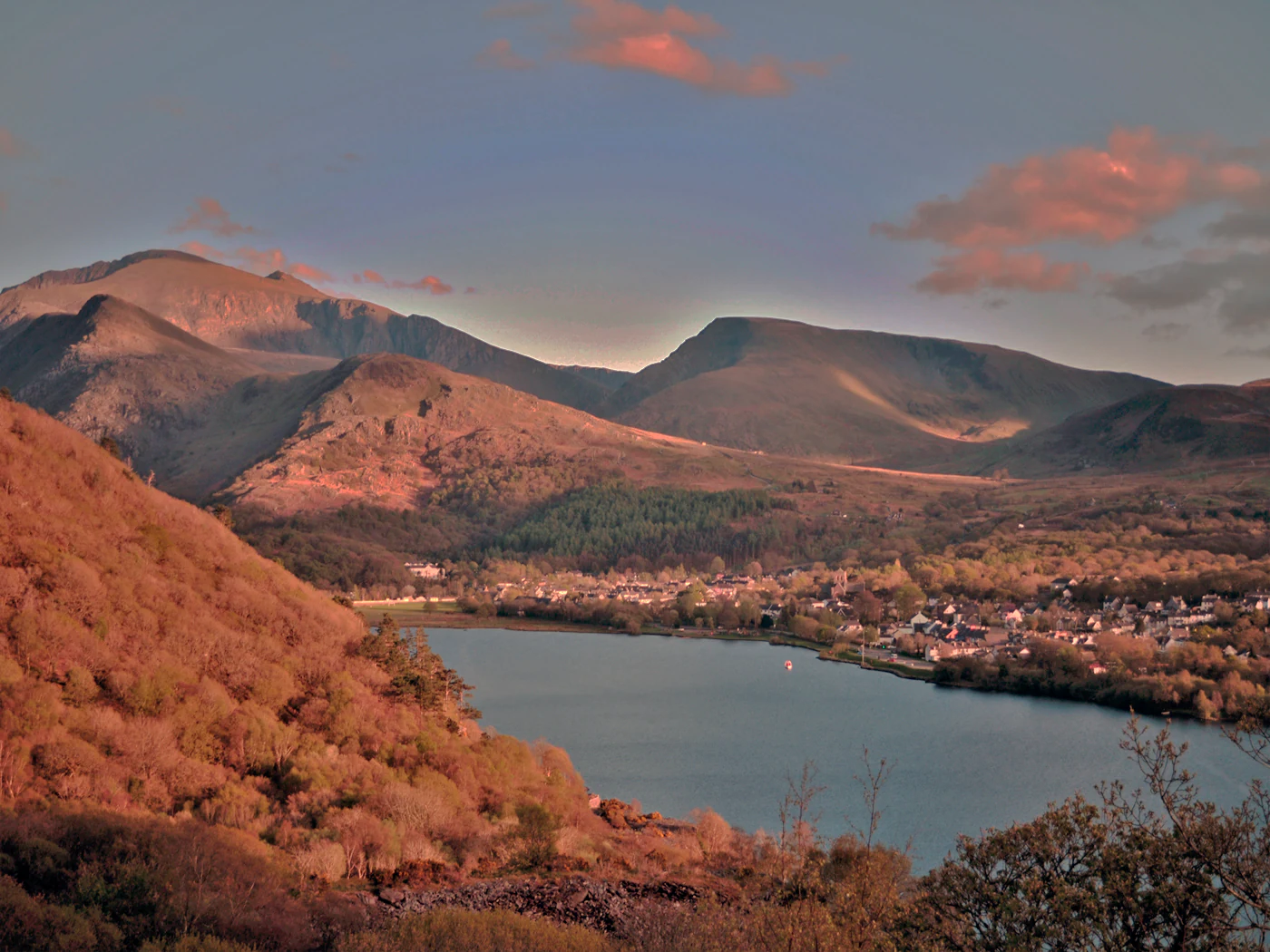
The ascent of Snowdon remains the defining experience for most visitors, whether by foot along one of the classic routes or by the heritage railway to the summit. The park offers exceptional walking across all difficulty levels, from gentle valley walks to challenging mountain scrambles. The deep glacial valley of Cwm Idir provides some of the most dramatic scenery, while the lake of Llyn Cerrig Bach holds archaeological significance for its Iron Age finds. The historic village of Betws-y-Coed serves as a popular base for exploring the southern park.
Best time to visit Snowdonia National Park
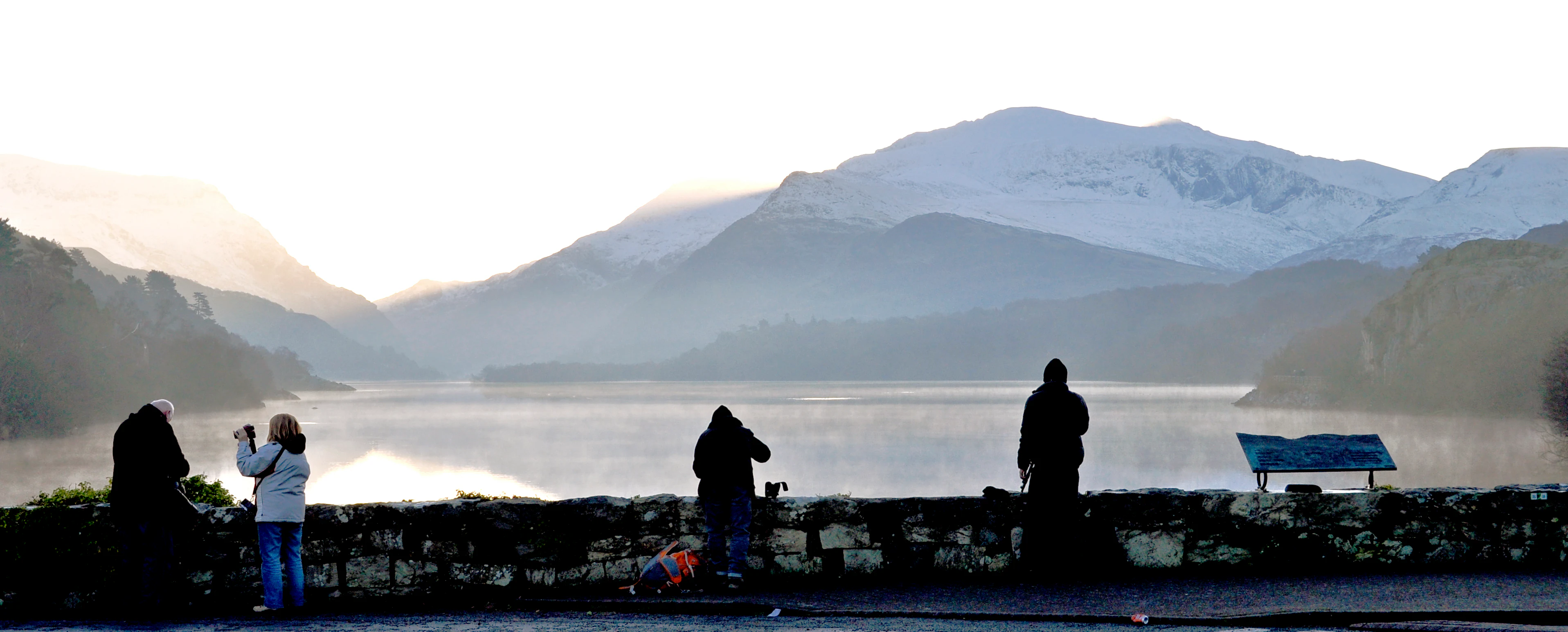
The mountain environment can be experienced year-round, though conditions vary significantly with season. Spring and early summer bring wildflower displays in the valleys and nesting birds on the moors, while autumn offers atmospheric mists and the colours of turning birch. Winter transforms the high ground with snow and ice, though conditions can be dangerous for the unprepared. The summer months see the greatest visitor numbers, particularly on Snowdon, while quieter periods in spring and autumn allow for a more peaceful experience of the landscape.