Why ǀAi-ǀAis Hot Springs Game Park stands out
The park is best known for its thermal hot springs, which give the area its name and serve as a vital ecological anchor in the desert environment. The Ai-Ais springs produce geothermally heated water that supports riparian vegetation and provides a unique habitat in the midst of arid terrain. The park is also recognized for its role in the transfrontier conservation partnership with South Africa's Richtersveld National Park, creating one of the largest mountain desert protected areas in southern Africa. The dramatic canyon landscapes of the Fish River valley and the rugged Tsaris Mountains provide exceptional scenic value.
ǀAi-ǀAis Hot Springs Game Park history and protected-area timeline
The establishment of ǀAi-ǀAis Hot Springs Game Park reflects Namibia's broader commitment to expanding its network of protected areas during the post-independence period. The hot springs themselves have a longer history of human use, serving as a traditional gathering place and water source for indigenous communities of the region. The creation of the transfrontier park in the early 2000s marked a significant milestone in regional conservation cooperation, uniting what were previously separate protected areas into a single transnational conservation unit. This partnership represents one of Africa's pioneering transfrontier conservation initiatives, designed to protect mobile wildlife populations and shared ecological processes that ignore human-drawn borders.
ǀAi-ǀAis Hot Springs Game Park landscape and geographic character
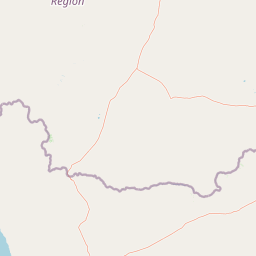
The landscape of ǀAi-ǀAis Hot Springs Game Park is defined by its position at the intersection of the Namib desert and the Karoo semi-desert, creating a terrain of remarkable diversity. The Tsaris Mountains rise dramatically from the surrounding plains, exposing ancient rock formations and creating varied microclimates across their slopes and valleys. The Fish River canyon, one of the most spectacular in Namibia, has been carved over millennia by seasonal flows, carving a deep gorge through the desert landscape. Around the hot springs, the terrain transforms dramatically as geothermal waters support lush vegetation corridors in striking contrast to the surrounding arid plains. The overall impression is one of stark desert beauty, where rugged mountains, deep valleys, and thermal oases combine to create a visually dramatic protected landscape.
ǀAi-ǀAis Hot Springs Game Park ecosystems, habitats, and plant life
The ecological character of ǀAi-ǀAis is defined by the tension between extreme aridity and the presence of the thermal springs, which create unique habitat conditions. The desert environment supports specialized vegetation communities including various succulent species, drought-resistant shrubs, and the distinctive quiver tree. Around the hot springs, riparian vegetation forms green corridors that support greater animal density than the surrounding desert. The park protects important populations of desert-adapted species and serves as a corridor for wildlife moving between the Namibian and South African sides of the transfrontier area.
ǀAi-ǀAis Hot Springs Game Park wildlife and species highlights
Wildlife in ǀAi-ǀAis reflects the desert environment's adaptations, with species evolved to survive extreme heat and scarcity of water. The park supports populations of springbok, Hartmann's zebra, and kudu, which are characteristic of Namibian desert environments. Predators including leopards and smaller carnivores hunt across the terrain, utilizing the cover provided by rocky outcrops and vegetation around water sources. Birdlife is particularly notable around the hot springs, where water and shade attract species that would otherwise be absent from the arid landscape.
ǀAi-ǀAis Hot Springs Game Park conservation status and protection priorities
ǀAi-ǀAis Hot Springs Game Park contributes significantly to Namibia's conservation estate by protecting a distinctive mountain desert ecosystem that is poorly represented in most protected area networks. The transfrontier designation recognizes that this desert landscape functions as an ecological unit that should not be fragmented by national borders, allowing for natural wildlife movements and the preservation of ecological processes across a larger area. The hot springs themselves represent a unique feature requiring protection, as they provide critical water resources that support biodiversity in an otherwise water-scarce environment.
ǀAi-ǀAis Hot Springs Game Park cultural meaning and human context
The name ǀAi-ǀAis originates from the Nama language, spoken by the Khoikhoi people who have inhabited this region for centuries. The hot springs held cultural significance for indigenous communities, serving as important gathering places and sources of therapeutic waters. The broader landscape has been inhabited by pastoralist communities whose traditional knowledge of the harsh desert environment continues to inform contemporary conservation approaches.
Top sights and standout views in ǀAi-ǀAis Hot Springs Game Park
The Ai-Ais hot springs remain the park's signature feature, offering visitors the opportunity to bathe in natural geothermal waters surrounded by desert scenery. The transfrontier designation enables a larger conservation footprint than a single national park could provide, linking Namibia's portion with South Africa's Richtersveld to protect one of southern Africa's largest mountain desert protected areas. The dramatic Fish River canyon provides exceptional hiking opportunities through one of Namibia's most impressive geological features.
Best time to visit ǀAi-ǀAis Hot Springs Game Park
The optimal time to visit ǀAi-ǀAis Hot Springs Game Park is during the cooler winter months from May to September, when daytime temperatures are more moderate and comfortable for outdoor exploration. Summer temperatures in the desert can be extremely harsh, often exceeding 40 degrees Celsius and making activity difficult. The hot springs can be enjoyed year-round, though the contrast between hot thermal water and cool desert air is most pleasant during the cooler seasons.