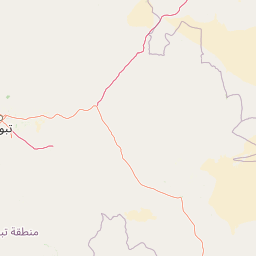
Why Al-Khunfah Natural Reserve stands out
Al-Khunfah Natural Reserve is particularly recognized for its role as a critical habitat for desert birdlife in the Arabian Peninsula. The reserve provides sanctuary for species including the lappet-faced vulture, sandgrouse, rock doves, and the houbara bustard, a species of particular conservation concern across its range. The juxtaposition of desert landscapes with meaningful avifauna makes this reserve distinctive among Saudi protected areas, as most desert reserves focus primarily on mammalian wildlife rather than bird conservation. The houbara bustard in particular has drawn international attention due to falconry-related trapping issues across its migration routes, making the reserve important for regional conservation efforts.
Al-Khunfah Natural Reserve history and protected-area timeline
Al-Khunfah Natural Reserve was established in 1987 as part of Saudi Arabia expanding network of protected areas during a period when the kingdom was systematically designating nature reserves to conserve biodiversity and iconic landscapes. The creation of the reserve reflected growing recognition that the Nefud Desert, despite its apparent emptiness, supported wildlife populations that required protection from hunting pressure and habitat degradation. The Saudi Wildlife Authority assumed management responsibility, implementing protection protocols appropriate for desert environments where enforcement challenges differ from those in more accessible terrain. The designation came during a broader regional trend toward establishing protected areas in marginal lands that had previously received little conservation attention.
Al-Khunfah Natural Reserve landscape and geographic character
The landscape of Al-Khunfah Natural Reserve is defined by its position on the edge of the Nefud Desert, a vast sand sea in northern Saudi Arabia known for its dramatic crimson-colored dunes that shift with seasonal winds. Within the reserve boundaries, the terrain transitions from active sand dunes to more stable sandy plains and scattered rocky exposures that characterize the desert margins. The Nefud differs from the Rub al-Khali in the south primarily in its smaller extent and greater proximity to populated areas, though the core dune fields remain equally remote and inhospitable. Vegetation is sparse but not absent, with drought-resistant shrubs and occasional tamarisk clusters occurring in areas where groundwater approaches the surface. The visual character of the reserve combines the stark beauty of endless sand with the subtle textures created by wind-formed patterns and the occasional dark rock outcrop breaking the golden expanse.
Al-Khunfah Natural Reserve ecosystems, habitats, and plant life
The ecological character of Al-Khunfah Natural Reserve centers on desert biome preservation in a region where extreme temperature variations and scarce precipitation define all biological processes. The reserves location on the desert margin creates a somewhat more favorable environment than the deep desert interior, with slightly greater plant productivity that supports consumer populations. The vegetation community is dominated by adapted species including various Artemisia and saltbush species capable of surviving on minimal moisture, with seasonal blooms occurring briefly after rare rainfall events. This desert ecosystem represents one of Earth most challenging environments for wildlife, yet the Nefud supports a specialized fauna adapted to these conditions including creatures that have evolved unique physiological mechanisms for water conservation and thermal regulation.
Al-Khunfah Natural Reserve wildlife and species highlights
Al-Khunfah Natural Reserve is notable for its bird population which represents the most documented wildlife value of the protected area. The reserve provides habitat for the lappet-faced vulture, a large raptor species that nests on cliff ledges and feeds on carrion across the desert landscape. Sandgrouse populations frequent the reserve, with these ground-dwelling birds demonstrating remarkable adaptations to arid conditions. Rock doves utilize rocky areas within the reserve, while the houbara bustard roams the sandy terrain as a flagship species of conservation concern. The houbara bustard has faced significant population pressures across its range due to trapping for falconry, making protected areas like Al-Khunfah critical for maintaining viable populations. While mammalian wildlife is less documented in available sources, the desert supports fox species and smaller mammals that remain cryptic in this challenging environment.
Al-Khunfah Natural Reserve conservation status and protection priorities
The conservation significance of Al-Khunfah Natural Reserve lies in its role protecting a representative sample of Nefud Desert ecosystem and the bird populations it supports. The reserve was established to safeguard biodiversity in a region where development pressures and hunting had begun affecting wildlife populations. As a protected area managed by the Saudi Wildlife Authority, the reserve contributes to Saudi Arabia commitments under international conservation frameworks and supports regional efforts to maintain migration corridors for species like the houbara bustard that move across multiple jurisdictions. The large area of the reserve ensures sufficient habitat for viable wildlife populations, though desert protected areas face unique challenges including climate change impacts on already marginal ecosystems and difficulties in monitoring remote terrain.
Al-Khunfah Natural Reserve cultural meaning and human context
The cultural context of Al-Khunfah Natural Reserve relates to the traditional relationship between desert communities and the Arabian landscape across generations. The Nefud Desert has been traversed by Bedouin peoples for centuries, with traditional livestock husbandry and seasonal migration patterns shaping both human culture and the ecological character of the region. The reserves name reflects Arabic naming conventions for geographical features, with khunfah referring to a type of native grass or plant in classical usage. While the reserve itself is managed as a strict protected area without permanent human habitation, its existence reflects modern Saudi efforts to balance development with conservation of landscapes that hold cultural and ecological significance beyond their immediate productive value.
Top sights and standout views in Al-Khunfah Natural Reserve
Al-Khunfah Natural Reserve stands as one of Saudi Arabia largest desert protected areas, preserving critical habitat on the edge of the Nefud Desert for regionally significant bird species. The reserves protected status safeguards populations of houbara bustard and lappet-faced vulture, species of conservation concern across their ranges. The transition zone between active dunes and more stable desert margins creates varied terrain supporting biodiversity distinct from pure sand sea environments. Establishment in 1987 reflects Saudi Arabia early commitment to systematic nature protection in marginal desert landscapes.
Best time to visit Al-Khunfah Natural Reserve
Visiting Al-Khunfah Natural Reserve is most feasible during the cooler months from October through March when daytime temperatures permit outdoor activity in the desert environment. Summer temperatures in the Nefud regularly exceed forty degrees Celsius, making exploration uncomfortable and potentially dangerous. The winter period offers the added possibility of encountering migratory bird species that visit the reserve during their seasonal movements between breeding and wintering grounds. Rainfall is rare and unpredictable, but occasional precipitation events can temporarily transform portions of the desert landscape with brief vegetative growth.