
Why Alexander River National Park stands out
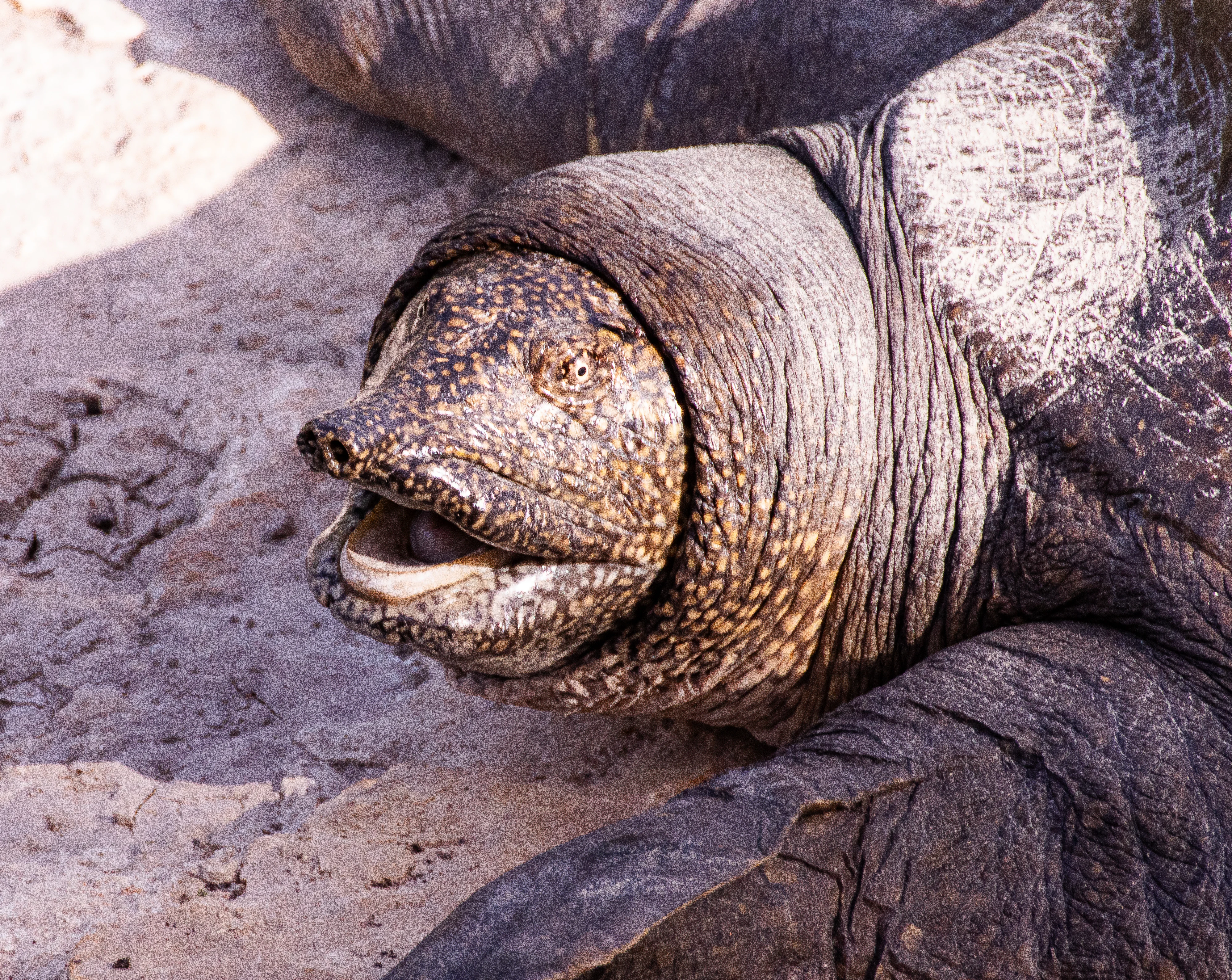
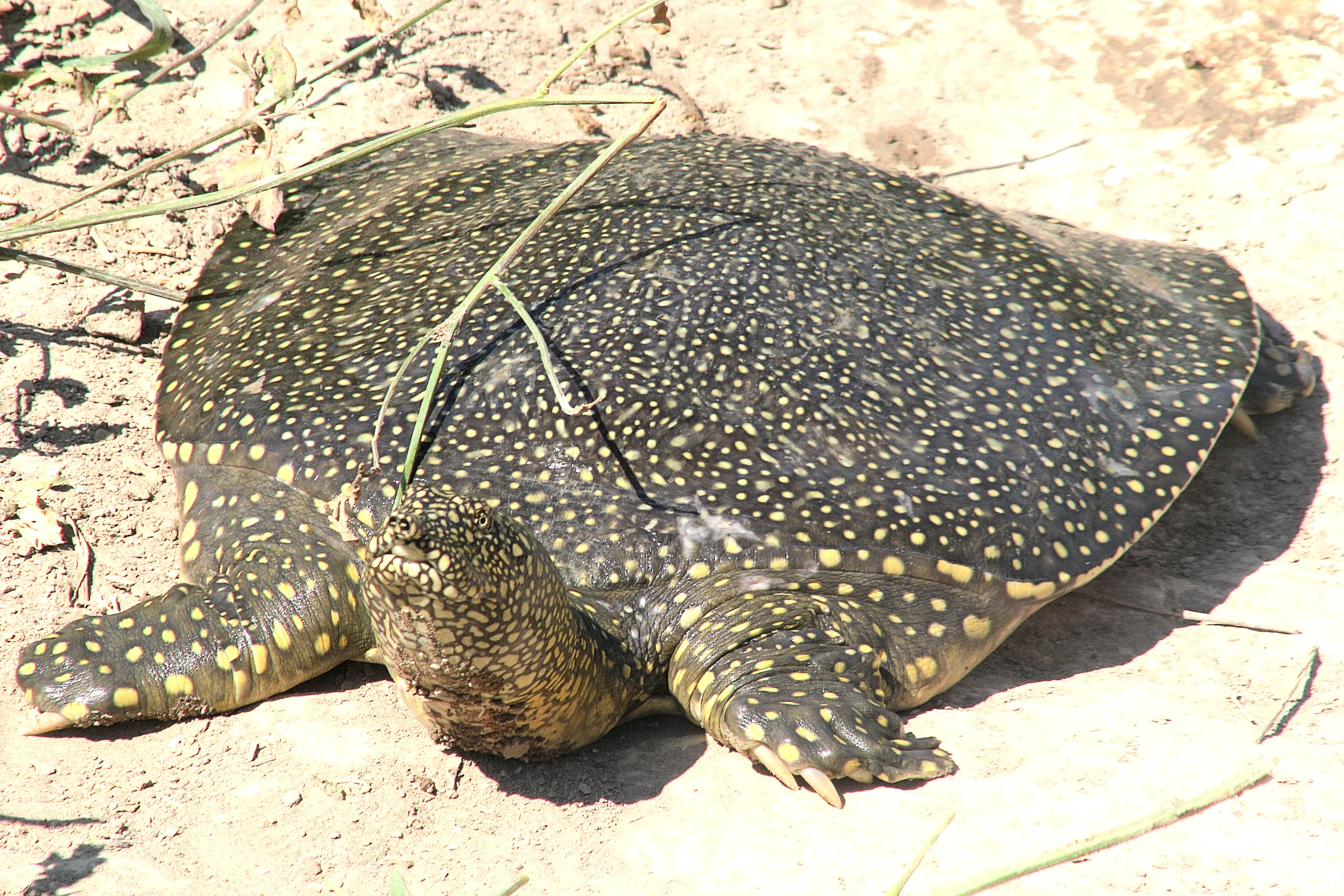
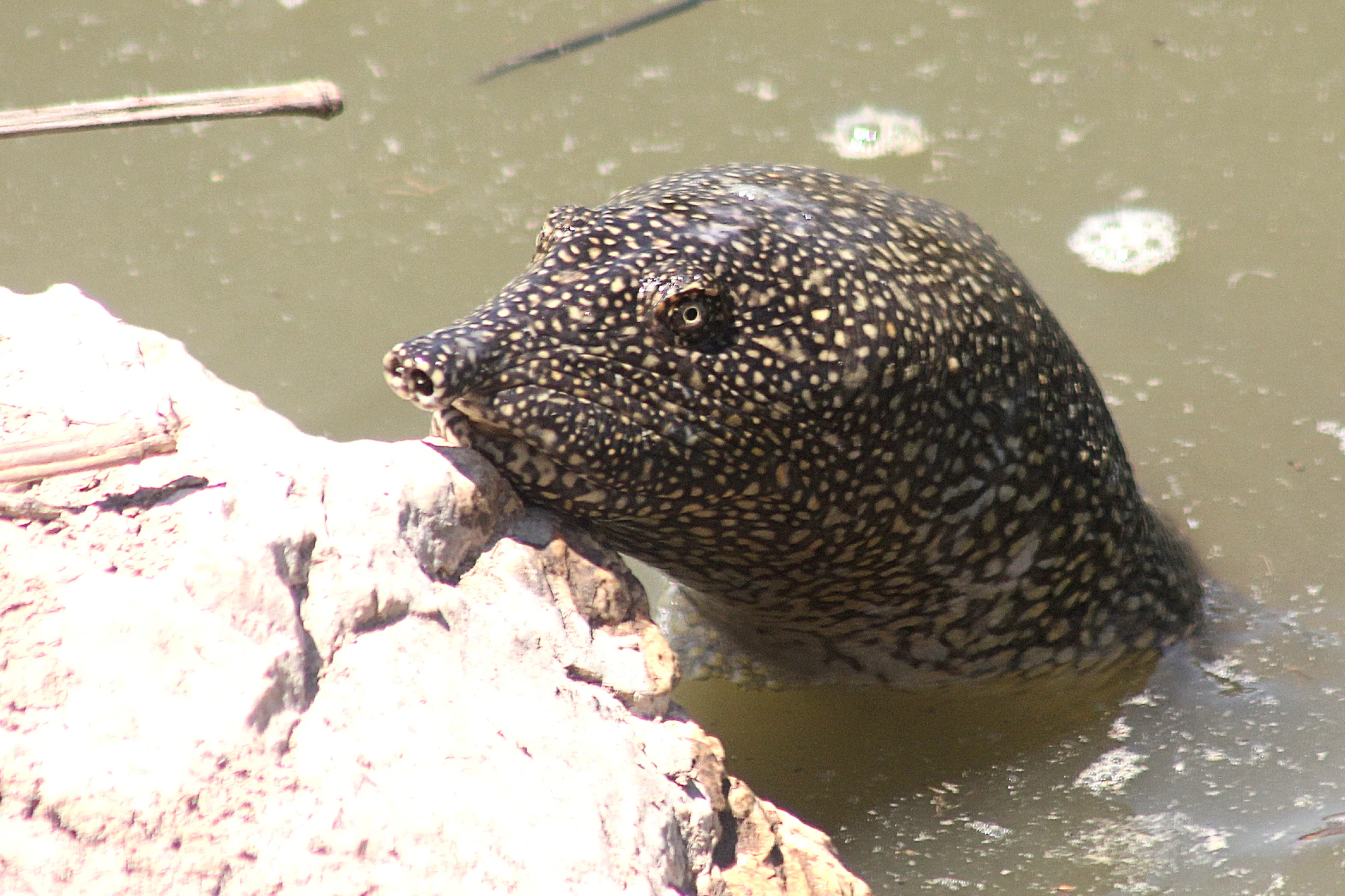
The park is most renowned for its remarkable turtle populations. The African softshell turtle thrives in the river's waters, with individuals reaching up to 1.20 meters in length and 50 kilograms in weight, representing one of the largest freshwater turtle populations in the region. The National Sea Turtle Rescue Center housed within the park serves as Israel's primary facility for green sea turtle rehabilitation, treating injured turtles and supporting breeding programs for this endangered species. The park also protects the remaining population of green sea turtles in the Mediterranean, estimated at approximately 450 breeding females. The river's historical significance as a trade route, particularly for watermelon commerce during the Ottoman period, adds cultural depth to the natural landscape.
Alexander River National Park history and protected-area timeline
The Nahal Alexander watercourse carries a rich historical legacy that predates the modern protected area. The river's name derives from the Arabic "Nahr Iskanderuneh," with the Israeli Government Naming Committee linking it to Alexander Jannaeus, the Hasmonean king who conquered the region in the first century BCE. However, historical research reveals that the name more likely originates from Iskander Abu Zabura, a 19th-century watermelon merchant who operated from the area. His produce from the Hefer Valley was shipped through an ancient anchorage known as Minet Abu Zabura, and the Ottoman authorities even established a customs house on a nearby hill to collect taxes on this trade. The river estuary area, now adjacent to Beit Yanai beach, contains remnants of a quay constructed in 1938 during the British Mandate period. This infrastructure served the clandestine immigration of Jewish refugees fleeing Nazi persecution when British authorities refused landing permissions. The park's modern conservation history includes a significant setback in winter 1991 when flooding destroyed much of the river's turtle population, prompting the Israel Nature and Parks Authority to launch an intensive breeding and restocking program.
Alexander River National Park landscape and geographic character
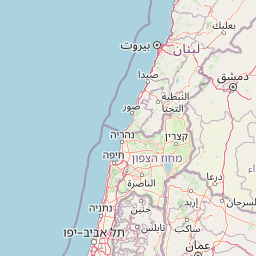
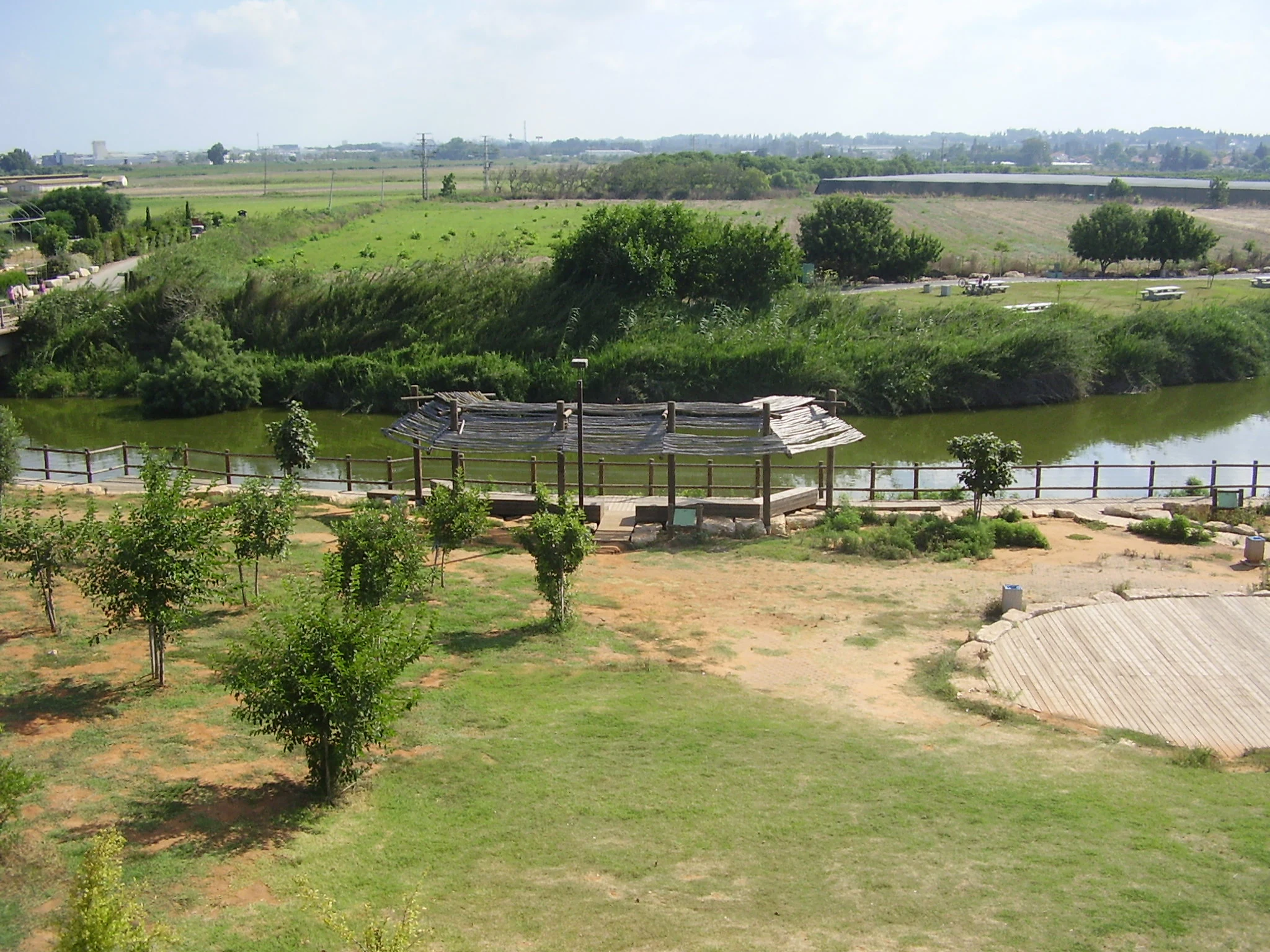
The physical landscape of Alexander River National Park reflects the transition from inland agricultural lowlands to the Mediterranean shoreline. The river corridor cuts through the Hefer Valley, a fertile plain that has been cultivated for generations, creating a green ribbon of riparian habitat amid surrounding agricultural land. The river channel varies in character, from deeper pools that support turtle populations to shallower sections where waterfowl congregate. At the river's terminus, the estuary zone creates a distinctive coastal interface where the freshwater stream meets the salty Mediterranean, supporting specialized brackish-water communities. On the southern bank, shifting sand dunes add a coastal desert element to the landscape, while the northern bank features a eucalyptus grove that provides additional habitat diversity. The overall terrain is gently sloping, dropping from the Samaria foothills in the east to sea level at the western coast, with the park protecting the lowest and most accessible portion of this gradient.
Alexander River National Park ecosystems, habitats, and plant life
The ecological character of Alexander River National Park centers on its riparian and estuarine habitats, which support remarkable biodiversity despite the park's relatively modest size. The river serves as a linear oasis through the intensively farmed coastal plain, providing critical habitat for species ranging from small fish to large reptiles. The African softshell turtle represents the park's flagship species, with individuals commonly reaching sizes that make them among the largest freshwater turtles in the region. The river supports a diverse fish community including catfish, tilapia, river eels, and mullet, creating a food base that sustains the turtle population and attracts predatory birds. Waterfowl including coots utilize the river's calm sections, while the surrounding marshy areas provide breeding habitat for additional species. The National Sea Turtle Rescue Center has expanded the park's ecological significance by focusing on the conservation of green sea turtles, a species that has only an estimated 450 breeding females remaining in the entire Mediterranean population.
Alexander River National Park wildlife and species highlights
The wildlife community at Alexander River National Park is dominated by the remarkable turtle populations that give the park its distinctive character. African softshell turtles populate the river in significant numbers, with individuals capable of reaching 1.20 meters in length and 50 kilograms in weight, making them among the region's largest freshwater reptiles. These turtles occupy the river channel and surrounding wetlands, where they feed on fish, aquatic plants, and invertebrates. The National Sea Turtle Rescue Center within the park maintains populations of green sea turtles, representing the only significant breeding population of this endangered species in the Mediterranean. Beyond turtles, the park supports diverse waterfowl including coots and other water birds that utilize the river for feeding and nesting. Nutria and swamp cats inhabit the wetland margins, while the fish community includes catfish, tilapia, river eels, and mullet that form the base of the aquatic food web. The estuarine zone at the river mouth supports additional marine and brackish-water species adapted to the mixing of fresh and saltwater.
Alexander River National Park conservation status and protection priorities
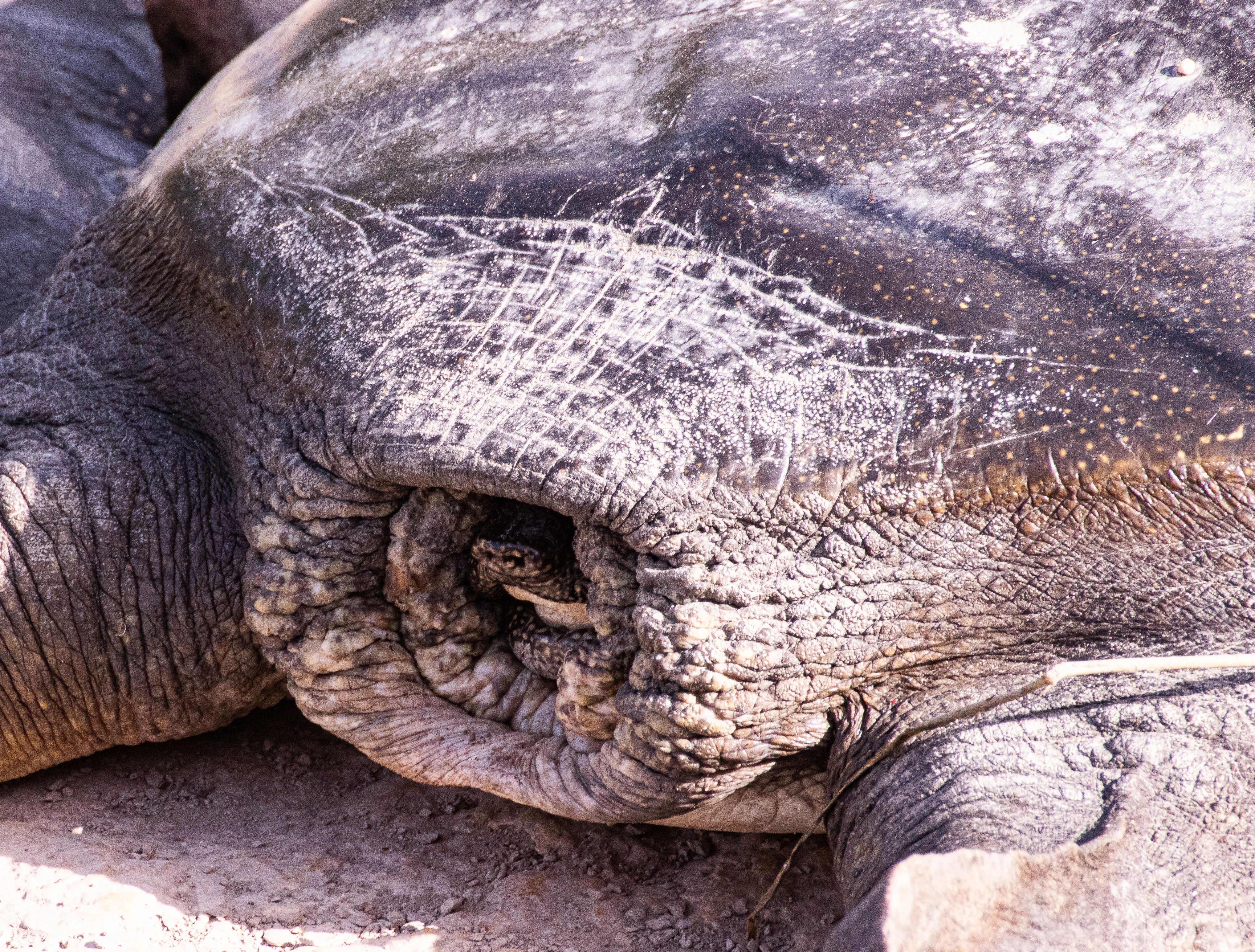
Alexander River National Park represents a significant conservation achievement in Israel's environmental protection history. The park protects a critical habitat for both resident freshwater species and migratory marine turtles, creating a protected corridor through one of the country's most developed regions. The establishment of the National Sea Turtle Rescue Center within the park demonstrates the institutional commitment to conserving the Mediterranean green sea turtle population, which numbers only approximately 450 breeding females. The park's 2003 International Riverprize recognition acknowledges one of the most successful river cleanup projects globally, transforming what was once one of Israel's most polluted waterways into a thriving ecosystem. This rehabilitation effort required substantial investment in pollution remediation, habitat restoration, and ongoing management to maintain water quality sufficient for sensitive species like softshell turtles. The protected area serves as a living laboratory for understanding how degraded ecosystems can be restored and maintained for biodiversity conservation.
Alexander River National Park cultural meaning and human context
The cultural landscape surrounding Alexander River National Park reflects millennia of human settlement and land use in the Hefer Valley region. The river's historical role as a trade route is evidenced by the ancient anchorage at Minet Abu Zabura, where watermelon merchant Iskander Abu Zabura shipped produce to Egypt during the Ottoman period. The customs station at nearby Hurvat Samra controlled goods moving through the river corridor, establishing the area's economic significance. The naming of the river itself represents a complex historical layering, with the Arabic designation "Nahr Iskanderuneh" giving way to the Hebrew "Nahal Alexander" following Israeli statehood. Beit Yanai beach at the river mouth was named by the Israeli Names Committee after Alexander Yannaeus, linking the modern landscape to Hasmonean-period history. The 1938 quay built during British Mandate adds a 20th-century layer, reflecting the tumultuous period of Jewish immigration and struggle for statehood.
Top sights and standout views in Alexander River National Park
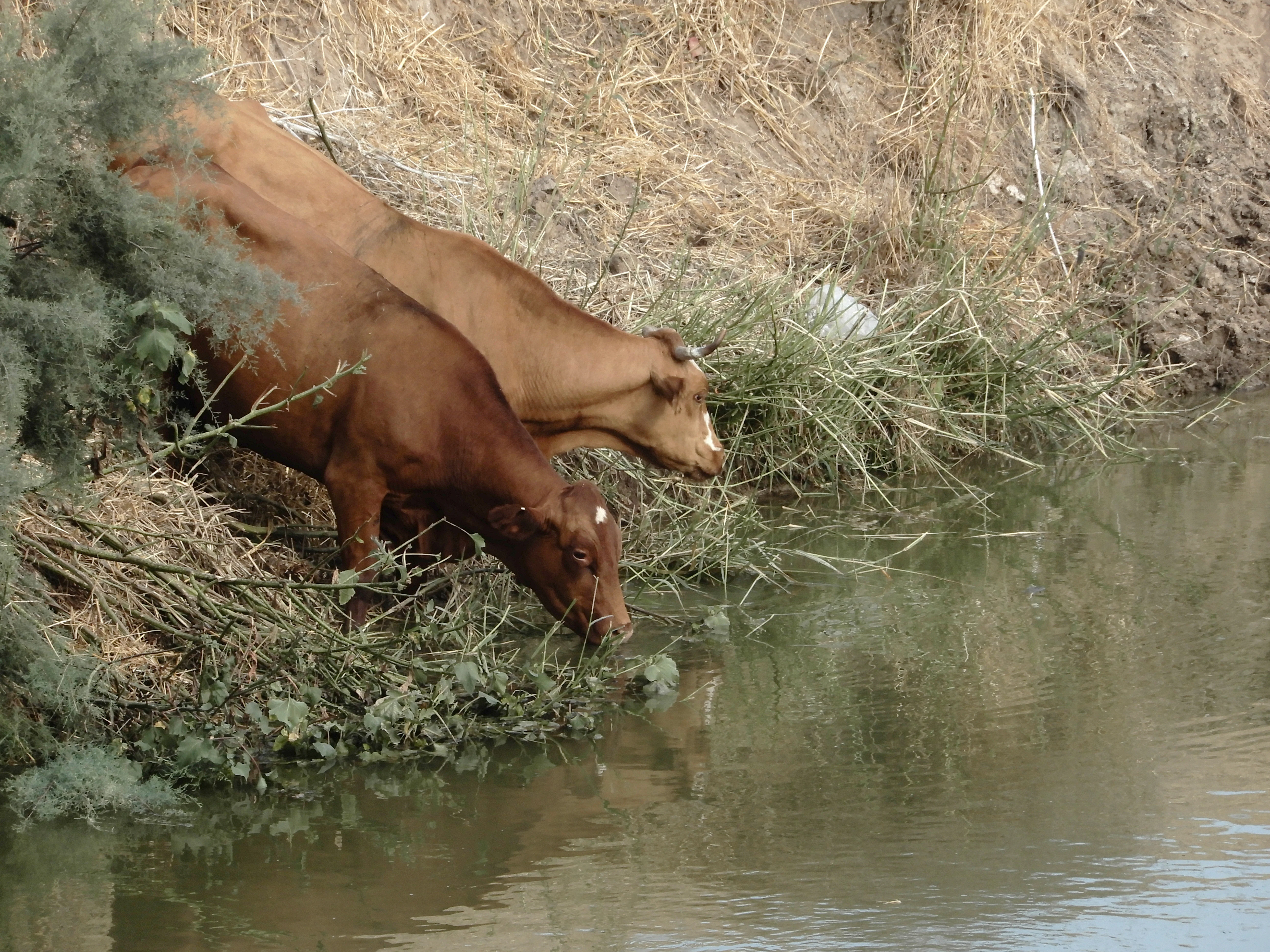
The Alexander River National Park offers visitors a unique combination of ecological significance, conservation activity, and historical depth. The National Sea Turtle Rescue Center provides educational programming and the opportunity to observe green sea turtle rehabilitation efforts. The park protects one of the largest populations of African softshell turtles in the region, with individuals frequently visible basking on riverbanks or swimming in the channel. The restored river ecosystem, recognized through the International Riverprize, demonstrates successful environmental rehabilitation and provides a model for similar projects elsewhere. The estuary area creates opportunities for observing the transition from freshwater to marine environments, while the sand dunes and eucalyptus groves add habitat diversity. The historical quay at the river mouth offers a tangible connection to the region's role in Zionist immigration during the British Mandate period.
Best time to visit Alexander River National Park
The park can be visited throughout the year, though different seasons offer distinct experiences. Summer months bring warm weather ideal for observing turtles basking on rocks and riverbanks, though midday heat may limit comfortable exploration. Winter rains replenish the river and create stronger flows, occasionally generating the flooding that historically impacted turtle populations. Spring and fall offer moderate temperatures and potentially higher waterfowl activity as migratory birds use the wetland corridor. The National Sea Turtle Rescue Center maintains operations year-round, though visitors should check seasonal schedules for educational programs and public access hours. The park's coastal location means that Mediterranean weather patterns influence conditions, with pleasant temperatures typical during the shoulder seasons of spring and autumn.