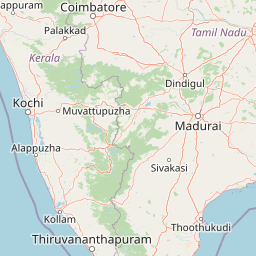
Why Anamudi Shola National Park stands out
Anamudi Shola National Park is best known for its pristine shola forest ecosystems, which are among the most distinctive montane forest types in the Western Ghats. The park is recognized for its role as a wildlife corridor connecting multiple protected areas, creating a contiguous habitat network essential for species movement and genetic exchange. It protects some of the rarest plant and animal species found nowhere else in the world, particularly in the high-elevation zones. The park also stands out for its inclusion in the Anamalai sub-cluster nominated for UNESCO World Heritage recognition, highlighting its global conservation significance.

Anamudi Shola National Park history and protected-area timeline
Anamudi Shola National Park was officially established through a draft notification issued on November 21, 2003, designating the area as a national park under Indian wildlife protection law. The park was created to protect the unique shola forest ecosystems found in this high-altitude portion of the Western Ghats, which had previously received limited formal protection despite their ecological significance. The establishment of the park reflected growing recognition of the need to conserve montane forest habitats in Kerala, which had experienced fragmentation and loss due to agricultural expansion, particularly tea and cardamom cultivation in surrounding areas. The park was placed under the administration of the Munnar Wildlife Division, which manages several adjacent protected areas in the Idukki district. The creation of Anamudi Shola also reflected India's commitments to expanding its protected area network under the Wildlife Trusts Act and various international biodiversity conservation agreements.
Anamudi Shola National Park landscape and geographic character
The landscape of Anamudi Shola National Park is characterized by rolling montane terrain with elevations ranging from approximately 2,152 to 2,305 meters above sea level. The terrain consists of three main forest patches set within a larger matrix of grasslands and other protected areas. The shola forests themselves feature dense vegetation with stunted trees typically reaching heights of 8 to 15 meters, adapted to the cool, moist conditions of high elevation. The canopy is often shrouded in mist, particularly during the monsoon season and early mornings. The underlying topography includes gentle slopes and valley floors where moisture accumulates, supporting the densest forest growth. The park receives heavy annual rainfall of approximately 2,500 millimeters, with the moisture-laden monsoons from the Arabian Sea bringing most of the precipitation between June and September. This abundant moisture sustains the shola ecosystem throughout the year.
Anamudi Shola National Park ecosystems, habitats, and plant life
The ecological character of Anamudi Shola National Park is defined by its shola forest ecosystem, one of the most distinctive habitat types in the Western Ghats biodiversity hotspot. Shola forests are evergreen montane forests that occur only above elevations of approximately 1,500 meters in the southern Western Ghats, and they represent a habitat of exceptional botanical significance. These forests are characterized by a multi-layered canopy structure, epiphytic vegetation including numerous orchids and ferns, and a rich understory of shrubs and herbaceous plants. The park's high rainfall and persistent mist create conditions that support high levels of atmospheric moisture, which in turn sustains epiphytic growth and maintains the forest's evergreen character throughout the year. The shola ecosystem is considered ancient and evolutionarily distinctive, with many species found nowhere else on Earth. Adjacent to the shola forests are rolling grasslands that create a mosaic landscape typical of the high Western Ghats.
Anamudi Shola National Park wildlife and species highlights
Anamudi Shola National Park supports a remarkable diversity of wildlife, including several species of significant conservation concern. The mammal community includes Indian elephants and Bengal tigers, both keystone species that require extensive territories and connectivity between protected areas. The park provides habitat for Nilgiri tahr, a wild goat species endemic to the Western Ghats and found primarily in high-altitude grasslands and rocky outcrops. Gaur, the largest wild cattle species in India, also inhabits the area along with spotted deer (chital) and sambar deer. Notable smaller mammals include the grizzled giant squirrel, Hanuman langur, sloth bear, and various species of flying squirrels. This assemblage of species reflects the park's role as part of a larger connected ecosystem that supports viable populations of both large and small mammals. The forests also contain rich avian and invertebrate diversity, though the Wikipedia source focuses primarily on larger mammals.
Anamudi Shola National Park conservation status and protection priorities
Anamudi Shola National Park holds significant conservation importance as part of the Western Ghats, a global biodiversity hotspot recognized by Conservation International and other international organizations. The park contributes to protecting shola forest ecosystems, which are endemic to the high Western Ghats and face threats from climate change, habitat fragmentation, and invasive species. The park's critical role as a wildlife corridor connecting multiple protected areas enhances its conservation value, as these connectivity corridors are essential for maintaining genetic diversity and allowing species to adapt to changing conditions. The Anamalai sub-cluster, which includes Anamudi Shola along with Eravikulam National Park and other adjacent protected areas, has been nominated for UNESCO World Heritage status, reflecting its outstanding universal value as a biodiversity conservation area. This international recognition would further strengthen protection measures and bring attention to the need for ongoing conservation investment in the region.
Anamudi Shola National Park cultural meaning and human context
The landscape surrounding Anamudi Shola National Park has been influenced by human activity, particularly through the development of tea and cardamom plantations in the lower elevations of Idukki district. The region has a history of colonial-era plantation development that transformed much of the original forest cover in the 19th and 20th centuries. The establishment of the national park and surrounding protected areas represents an effort to preserve remaining natural habitats within a landscape that has been significantly modified by agriculture. Local communities in the area have traditional connections to the landscape, though the high-elevation shola forests themselves have historically been less suitable for settlement or cultivation than lower slopes.
Top sights and standout views in Anamudi Shola National Park
Anamudi Shola National Park stands out as a compact but vital protected area preserving some of the Western Ghats' most distinctive high-elevation forests. The park's shola ecosystems contain rare and endemic species found nowhere else on Earth. Its position as a wildlife corridor connecting multiple protected areas makes it essential for regional biodiversity conservation. The ongoing UNESCO World Heritage consideration for the Anamalai sub-cluster underscores the global significance of this protected area. The park's montane setting at over 2,100 meters elevation creates unique ecological conditions supporting specialized species adapted to cool, misty environments.
Best time to visit Anamudi Shola National Park
The best time to visit Anamudi Shola National Park is during the post-monsoon season from October to March, when weather conditions are most favorable for exploration. The monsoon months from June to September bring heavy rainfall to the Western Ghats, with the park receiving approximately 2,500 millimeters annually, making access difficult and trails potentially hazardous. The winter months from December to February offer clearer skies and cooler temperatures, though mist is common in the mornings. The summer months from April to May can be warm but provide good visibility. Visitors should note that access to the park may be regulated and organized through the Munnar Wildlife Division.