Why Azraq Wetland Reserve stands out
Azraq Wetland Reserve is best known as a former major migratory bird corridor and a striking example of a desert wetland ecosystem that exists precariously within one of the region's harshest environments. The reserve was historically famous for hosting enormous numbers of migratory birds, with counts reaching 347,000 in 1967, though this has dramatically declined to around 1,200 in recent decades. The site is also notable for its ecological significance as one of the few remaining wetland habitats in the Jordanian desert, and for its status as a conservation battleground where managers struggle against illegal water extraction, aquifer depletion, and the legacy of ecological collapse to preserve what remains of this unique oasis. The prehistoric significance adds another layer, as the area once supported a remarkable assemblage of African wildlife species including the Syrian wild ass, Asiatic lion, and Arabian oryx, all now locally extinct.
Azraq Wetland Reserve history and protected-area timeline
The history of Azraq Wetland Reserve spans geological timeframes and human history, making it one of the most historically significant wetland sites in the Middle East. The wetlands were formed around 250,000 years ago when aquifers beneath the eastern Jordanian desert brought groundwater to the surface, creating permanent freshwater springs that gave rise to extensive marshland in the heart of what is otherwise an arid badia landscape. Human communities have utilized this water source since ancient times, with Azraq serving as a crossroads for trade routes between Arabia, Mesopotamia, and Syria. Camel caravans stopped here for water while transporting spices and herbs across the region. The site also became famous as a major staging point for migratory birds, with millions passing through each year between Africa and Europe. The modern conservation history began in 1978 when the Royal Society for the Conservation of Nature established the reserve, but this came at a critical moment when the aquifer was already under severe pressure from water extraction for Amman's growing population. By 1992, the natural springs had completely dried up, and the aquifers that had gushed for thousands of years ceased to provide adequate flow. All the water buffalos that had been part of the traditional ecosystem died, and migratory birds abandoned the site in favor of alternative wetlands like the Sea of Galilee. RSCN has since maintained artificial springs to preserve the site as a tourist destination and conservation area, but the ecological damage has been profound.
Azraq Wetland Reserve landscape and geographic character
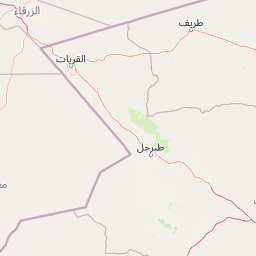
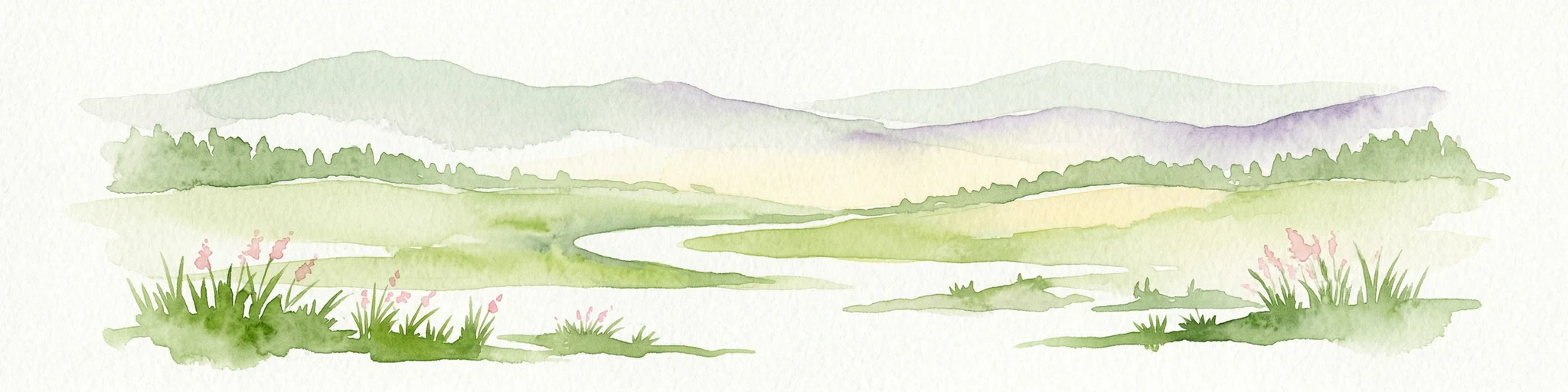
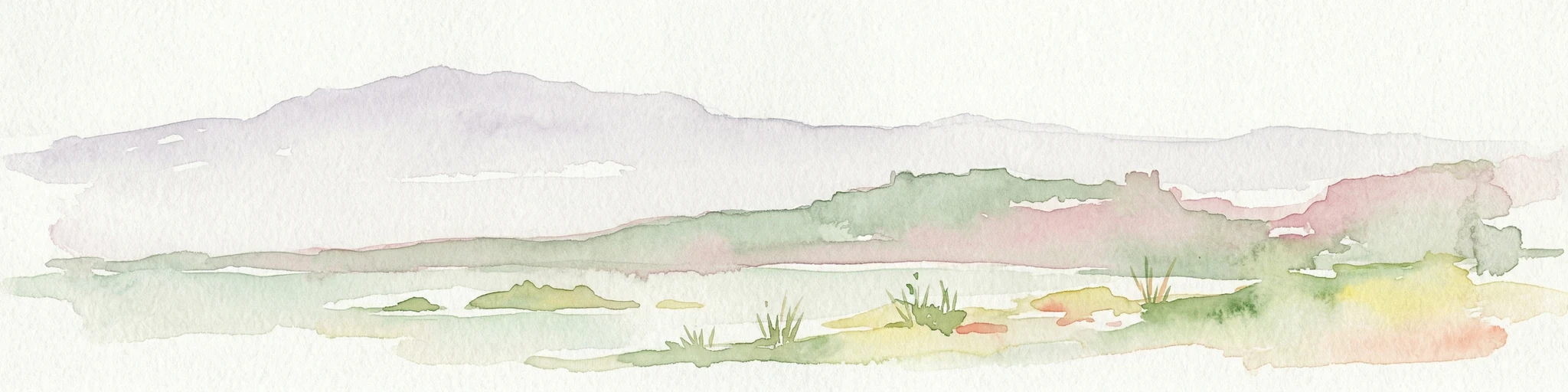
The landscape of Azraq Wetland Reserve presents a striking contrast to the surrounding desert, offering a vision of what the Jordanian badia looked like when water was more abundant. The reserve consists of marshland, reed beds, and shallow lagoons surrounded by arid steppe and desert terrain. The terrain is largely flat, with subtle elevation changes that accommodate the wetland hydrology. The wetlands are fed by a network of maintained artificial springs that create permanent water bodies where natural springs once flowed freely. Phragmites reeds dominate much of the marsh vegetation, creating dense stands that provide habitat for birds and other wildlife. Around the wetlands, the landscape transitions abruptly to the characteristic desert and semi-desert terrain of eastern Jordan, with sparse vegetation and rocky or sandy substrates. The reserve includes raised wooden boardwalks that allow visitors to traverse the wetland without disturbing the sensitive habitat, and a bird observation hide positioned to overlook one of the lagoons.
Azraq Wetland Reserve ecosystems, habitats, and plant life
The ecological character of Azraq Wetland Reserve centers on its status as a desert wetland, an ecosystem type that is exceptionally rare in the Jordanian and broader Levantine context. The reserve represents a remnant of what was once a much larger wetland complex fed by natural springs from the underlying aquifer system. The marsh ecosystem supports emergent vegetation dominated by phragmites reeds, which create important habitat structure for breeding and nesting birds. The water bodies, though maintained artificially, sustain aquatic organisms and provide drinking water for wildlife. The ecological significance is amplified by the reserve's position along the major migratory bird flyway connecting Africa and Eurasia, making it a critical rest and refueling stop for thousands of birds during their seasonal journeys. While the natural springs have dried and the aquifer is severely depleted, the maintained wetlands continue to provide habitat, though the ecological community is a shadow of what once existed here.
Azraq Wetland Reserve wildlife and species highlights
Azraq Wetland Reserve, despite its diminished state, continues to support significant wildlife populations centered on migratory and resident bird species. The reserve lies along the African-Eurasian migratory flyway, and birds traveling between Africa and Europe have historically used Azraq as a major staging point. Among the approximately 280 recorded migratory species are the ruff, avocet, little stint, little ringed plover, hoopoe lark, Cetti's warbler, desert finch, and marsh harrier. Birds of prey using the site include the European honey buzzard and Montagu's harrier. The partial restoration efforts by RSCN have led to the return of several migratory species, though numbers are far below historical levels. The prehistoric wildlife context is equally remarkable, as the area was once an ecological extension of Africa, supporting species including the Syrian wild ass, wild camel, rhinoceros, hippopotamus, Asian elephant, gazelle, aurochs, Asiatic cheetah, Syrian ostrich, Asiatic lion, and Arabian oryx. All of these species except the gazelle are now extinct in Jordan, a testament to the dramatic ecological transformation the region has undergone.
Azraq Wetland Reserve conservation status and protection priorities
Azraq Wetland Reserve represents one of Jordan's most significant conservation challenges, illustrating both the value of wetland ecosystems and the pressures they face in water-scarce regions. The site was designated as a Ramsar Wetland in 1977, recognizing its international importance under the Ramsar Convention on wetlands. However, the reserve has experienced severe ecological decline since the natural springs dried in 1992, a consequence of intensive water extraction from the underlying aquifer to supply Amman's growing population. The site has been described as being in a state of ecological collapse, with only about 10 percent of the original wetland area now functional despite the efforts of RSCN. The Jordanian Ministry of Water provides approximately 10 million cubic meters of water annually to maintain the reserve, but this is insufficient to restore the ecosystem to its historical extent. Additional pressure comes from over 500 illegal wells that continue to pump water from the Azraq aquifer. The decline in water has had catastrophic consequences for wildlife, with migratory bird numbers falling from 347,000 in 1967 to approximately 1,200 in 2000. RSCN continues to manage the site, maintaining artificial springs, controlling illegal wells, and undertaking habitat restoration work, but the conservation outlook remains challenging.
Azraq Wetland Reserve cultural meaning and human context
Azraq Wetland Reserve holds cultural and historical significance that extends beyond its ecological value, rooted in the site's long history as a crossroads for human activity and its religious associations. The location has been a vital waypoint along ancient trade routes connecting Arabia, Mesopotamia, and Syria, with camel caravans stopping for centuries to water their animals and rest before continuing their journeys through the desert. The name Azraq itself derives from the Arabic word for blue, reflecting the color of the water that made this desert location so distinctive. The site also carries religious significance, with some religious tradition identifying the Azraq wetland as the place where Jesus Christ visited the last two of the Three Kings, the Biblical Magi who had journeyed to witness his birth and subsequently resided in the area. This adds a layer of cultural heritage to the site that differentiates it from purely ecological protected areas. The traditional presence of water buffalo and pastoral communities further connects the site to Jordan's cultural history, though these elements have also declined as the wetland has shrunk.
Top sights and standout views in Azraq Wetland Reserve
Azraq Wetland Reserve stands as a remarkable example of desert wetland conservation in an environment where water is the most precious resource, offering visitors the chance to experience a unique ecosystem in the heart of Jordan's eastern desert. The reserve provides excellent birdwatching opportunities along the Marsh Trail, with a raised platform and bird hide overlooking lagoons where migratory species can be observed. The Azraq Lodge, housed in a converted 1940s British military hospital, offers accommodations and provides insight into the reserve's history as a conservation area. The contrast between the marshland and the surrounding desert landscape creates a striking visual experience, demonstrating how water creates pockets of extraordinary biodiversity in otherwise arid environments. The site's Ramsar designation and its role in the African-Eurasian migratory flyway underscore its international conservation significance, while the ongoing challenges facing the ecosystem provide important lessons about water management and wetland conservation in arid regions.
Best time to visit Azraq Wetland Reserve
The best time to visit Azraq Wetland Reserve is during the spring and autumn migration seasons when the greatest variety of migratory birds pass through the area, typically from March to May and from August to October. During these periods, the reserve offers the most compelling birdwatching opportunities as thousands of birds use the wetlands as a staging point during their journeys between Africa and Europe. Winter months can also be productive, particularly for waterfowl and resident species, though the overall bird activity may be lower than during peak migration periods. Summer months in Jordan's desert are extremely hot, with temperatures often exceeding 40°C, making outdoor activities less comfortable and potentially dangerous. Regardless of when visitors arrive, it is important to understand that the Azraq wetlands represent a restored and maintained ecosystem rather than a fully natural one, and the bird numbers are far below historical levels. The reserve remains open year-round, but early morning visits offer the best chances for wildlife observation and cooler temperatures.