Why Band-e Amir National Park stands out
Band-e Amir National Park is best known for its extraordinary chain of six turquoise lakes held back by white travertine dams, creating what has been described as Afghanistan's Grand Canyon. The travertine formations represent a rare geological phenomenon, one of the few natural examples of lake creation through calcium carbonate precipitation in the world. The lakes include Band-e Gholaman (Lake of the Slaves), Band-e Qambar (Lake of Caliph Ali's Slave), Band-e Haibat (Lake of the Grandiose), Band-e Panir (Lake of Cheese), Band-e Pudina (Lake of Wild Mint), and Band-e Zulfiqar (Lake of the Sword of Ali). The park's high-altitude setting in the Hindu Kush, combined with the striking contrast between the azure waters and white limestone barriers, creates a landscape of remarkable visual distinction that has drawn visitors for decades despite the region's challenging security environment.
Band-e Amir National Park history and protected-area timeline
The designation of Band-e Amir as Afghanistan's first national park represents the culmination of more than three decades of advocacy that was interrupted by decades of conflict. Initial efforts to protect the area began in the 1970s, but were halted as Afghanistan descended into periods of war. According to accounts of Afghanistan's former Environmental Protection Agency head Mustafa Zahir, plans existed to construct a hydroelectric dam at Band-e Amir before its national park designation, a prospect that prompted local Hazara activist Abdullah Barat to launch a campaign highlighting the ecological and cultural significance of the area. With support from international figures including former Canadian Foreign Minister Flora MacDonald, Barat successfully advocated for conservation over development. In 2004, the site was submitted for World Heritage recognition, and in April 2009, Band-e Amir was finally declared a national park. The area has long held cultural significance, with the Dari name Band-e Amir meaning the Ruler's Dam, possibly referring to Ali, the fourth Caliph. Portions of the 1975 Bollywood film Dharmatma were filmed at the lakes, and historian Nancy Dupree described the site as producing wonder and amazement on all who gaze upon it.
Band-e Amir National Park landscape and geographic character
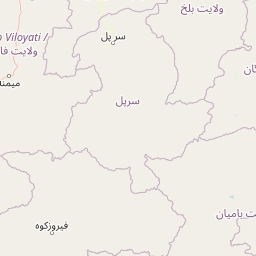
The Band-e Amir landscape is defined by its dramatic travertine formations that create a chain of six lakes in a high-altitude valley of the central Hindu Kush. The white limestone barriers, built up over thousands of years through calcium carbonate precipitation, create natural dams that hold back the distinctive turquoise waters. The geological process occurs when groundwater rich in dissolved minerals emerges through fault lines and fractures, depositing travertine that gradually forms the walls containing each lake. Band-e Haibat is the largest and deepest of the six, with an average depth estimated at 150 meters by diving teams. The surrounding terrain is characterized by mountainous desert, with the lakes sitting at approximately 2,900 meters above sea level in a region that experiences extreme climatic conditions. The white travertine dams create a striking visual contrast against the arid landscape and azure waters, earning the area comparison to America's Grand Canyon. The Balkh River originates from the Band-e Amir system and flows northward through Afghanistan, connecting the park to broader watershed systems.
Band-e Amir National Park ecosystems, habitats, and plant life
The Band-e Amir ecosystem operates in a challenging high-altitude environment that supports specialized biodiversity adapted to the harsh conditions of central Afghanistan's Hindu Kush. The travertine lake system creates unique aquatic habitats, while the surrounding terrestrial environment ranges from rocky slopes to scrubland in this mountainous desert setting. The park has been recognized as an Important Bird Area by BirdLife International, with a 41,000-hectare tract designated for its significance to several bird species. More than 170 bird species have been recorded within the park boundaries, including Himalayan snowcock, Hume's lark, white-winged snowfinch, Afghan snowfinch, and Eurasian crimson-winged finch. The park sits at the eastern edge of the Palearctic ecological region, where species from central Asian steppe environments mix with those from Himalayan alpine zones. Local communities rely on the park's natural resources for livestock grazing, fuel collection, and rain-fed agriculture, creating a human-environment relationship that conservation efforts must consider.
Band-e Amir National Park wildlife and species highlights
Band-e Amir National Park supports notable bird diversity despite its challenging high-altitude environment, with more than 170 species recorded within its boundaries. The park's designation as an Important Bird Area reflects its significance for species adapted to alpine and subarctic conditions, including Himalayan snowcock, Hume's lark, white-winged snowfinch, Afghan snowfinch, and Eurasian crimson-winged finch. These species occupy the rocky slopes, alpine meadows, and cliff environments that characterize the park's higher elevations. The lakes themselves support aquatic ecosystems in the harsh conditions, though detailed ecological studies remain limited. The surrounding landscape supports mammals including ibex and wild sheep, though systematic wildlife surveys have not been comprehensively documented. The local community practices livestock grazing within the park, and while hunting is formally prohibited, enforcement remains challenging. The park's wildlife value is concentrated particularly in the bird populations that have attracted ornithological attention, with the travertine cliffs providing nesting habitat for various species.
Band-e Amir National Park conservation status and protection priorities
Band-e Amir National Park represents Afghanistan's flagship conservation initiative, established as the nation's first protected area in 2009 following decades of advocacy that overcame plans for hydroelectric development. The park is managed by a park warden and ranger staff, with the Wildlife Conservation Society as the only non-governmental organization maintaining an office within the park boundaries. Conservation efforts focus on protecting the travertine formations that create and maintain the lakes, preventing resource depletion by local communities, and promoting sustainable tourism as an alternative to economic dependency on natural resources. The 2004 World Heritage submission indicates recognition of the site's global significance, though the designation process has not been completed. Challenges include limited financial resources, security concerns, and the need to balance conservation with the livelihood needs of local communities who depend on grazing, fuel collection, and agriculture within the park. In August 2023, new restrictions were placed on women's access to the park, adding complexity to tourism and community engagement efforts.
Band-e Amir National Park cultural meaning and human context
Band-e Amir holds deep cultural significance for the Hazara people, who form the majority population of the surrounding Bamyan Province and comprise approximately 30 percent of Afghanistan's total population. The name Band-e Amir derives from Dari and translates as the Ruler's Dam, with some interpretations connecting it to Ali, the fourth Caliph of Islam, whose sword Zulfiqar appears in the naming of one lake. The region has been inhabited by Hazaras for centuries, with the area's cultural landscape shaped by traditional pastoral practices and agricultural use. The lakes themselves carry cultural names reflecting local history and legend: Band-e Gholaman refers to slaves, Band-e Qambar to Caliph Ali's slave, Band-e Zulfiqar to Ali's sword, and Band-e Panir to cheese, likely referencing local dairy practices. The landscape has appeared in popular culture, with portions of the 1975 Bollywood film Dharmatma filmed at the lakes, establishing the site as a destination of international cultural recognition beyond its natural value.
Top sights and standout views in Band-e Amir National Park
The six travertine lakes of Band-e Amir represent one of the world's few examples of natural lakes formed through calcium carbonate deposition, creating a geological phenomenon of international significance. The striking visual contrast between the white travertine barriers and intensely blue waters at 2,900 meters elevation produces a landscape often compared to the Grand Canyon. Band-e Haibat reaches approximately 150 meters depth, making it the deepest of the chain and visually the most imposing. The park's designation as Afghanistan's first national park in 2009 marked a milestone for conservation in a region where environmental protection has faced significant challenges from conflict and development pressures. More than 170 bird species have been recorded, with the Important Bird Area designation highlighting the site's global significance for alpine bird populations. The cultural heritage embedded in the lake names, connected to historical and religious figures, adds depth to the natural landscape.
Best time to visit Band-e Amir National Park
The optimal time to visit Band-e Amir National Park is during the late spring and summer months, typically from May through September, when the weather is relatively warm and the lakes are accessible. The high-elevation central Hazarajat region experiences extreme winter conditions with temperatures dropping to minus 20 degrees Celsius, and the lakes may freeze over during this period, making travel difficult and conditions hazardous. Summer visitors can expect daytime temperatures around 14 to 15 degrees Celsius, though nights remain cool in the subarctic climate. The vast majority of tourism occurs during these warmer months, with the park receiving over 100,000 visitors annually, predominantly local Afghan tourists alongside international visitors. Winter tourism remains underdeveloped due to the severe climate, poor infrastructure, and limited local economic capacity to support year-round visitors. Those planning visits should be prepared for cold conditions even in summer and should check current access conditions given the evolving security and administrative situation in Afghanistan.