Why Brisbane Ranges National Park stands out
Brisbane Ranges National Park is best known for its accessible bushland scenery and reliable wildlife encounters, particularly the presence of koalas and wallabies in relatively close proximity to walking tracks. The Anakie Gorge walk is the park's signature trail, offering views of a dramatic gorge cut through the ranges. The park also stands out for the Wadawurrung walk, which acknowledges the traditional owners of the land and incorporates indigenous heritage into the visitor experience. The combination of moderate-elevation hills, eucalypt forest, and the opportunity to observe native Australian wildlife in the wild makes this park a popular destination for nature enthusiasts visiting Victoria.
Brisbane Ranges National Park history and protected-area timeline
Brisbane Ranges National Park was officially established on 15 August 1973, formalizing protection for an area that had previously been subject to various forms of land use including timber harvesting and pastoral activity. The establishment reflected growing awareness in Victoria of the need to preserve representative samples of the state's diverse landscapes and ecosystems.
The park contains the historical Steiglitz area, which represents the remains of a small gold-mining settlement from the nineteenth century. This historical dimension adds cultural depth to the park's natural values, though the bushfire events of 2006 and subsequent years have shaped the contemporary character of the landscape.
The January 2006 bushfire, sparked by lightning in the Steiglitz area, became one of the more significant fire events in the park's history. The fire spread rapidly across dry conditions and required substantial firefighting resources from the Department of Sustainability and Environment, Parks Victoria, and the Country Fire Authority. Approximately 6,700 hectares of parkland were burned and two houses destroyed, though there was no loss of human life. A subsequent bushfire one year later again threatened much of the national park, highlighting the fire-prone nature of the region and the ongoing challenges of managing protected areas in an era of climate variability.
Brisbane Ranges National Park landscape and geographic character
The Brisbane Ranges consist of a series of rounded ridges and steep gullies formed on ancient sedimentary and metamorphic rock. The terrain is characterized by moderate elevation peaks that rise above the surrounding Victorian plains, creating a distinctive skyline visible from the surrounding farmland. The park encompasses both the higher ridgelines and the more sheltered valleys that contain lusher vegetation.
Anakie Gorge represents one of the most visually striking landscape features within the park, where water erosion has cut a narrow valley through the ranges, exposing rock walls and creating a microclimate that supports different plant communities from the surrounding slopes. The gorge walk provides visitors with an intimate view of this geological carving.
The park's vegetation is dominated by eucalypt forests and woodlands, with various species adapted to the relatively dry conditions of western Victoria. The landscape includes rocky outcrops, open forest clearings, and the more densely vegetated creek lines that provide shelter and moisture for a range of species.
Brisbane Ranges National Park ecosystems, habitats, and plant life
The Brisbane Ranges occupy an ecological position at the western edge of the wet forest belt that characterizes much of Victoria's mountainous interior. This transitional location gives the park a distinctive character, supporting plant and animal species more typical of higher-rainfall areas while also containing elements from the drier landscapes that surround the ranges.
The vegetation communities within the park include several eucalypt species, with the forests providing structural complexity that supports diverse wildlife. The gullies and creek lines act as biological corridors, connecting different parts of the park and allowing species to move through the landscape.
The park forms part of a network of protected areas in Victoria that collectively represent the state's ecological diversity. While not as formally recognized as some of Victoria's other national parks, Brisbane Ranges plays a role in conserving representative examples of the ranges ecosystem and the species that depend on them.
Brisbane Ranges National Park wildlife and species highlights
Brisbane Ranges National Park is well-known for its observable wildlife, particularly koalas and wallabies that can be seen along the walking tracks. The koala population in the park is considered relatively secure, with the eucalypt forests providing suitable habitat for these iconic marsupials. Visitors walking through Anakie Gorge and other tracks often have opportunities to observe koalas in the trees above them.
Wallabies are also commonly seen, with some individuals described as relatively unafraid of humans, allowing for close observation. The park supports a range of birdlife as well, with species adapted to forest environments present throughout the year.
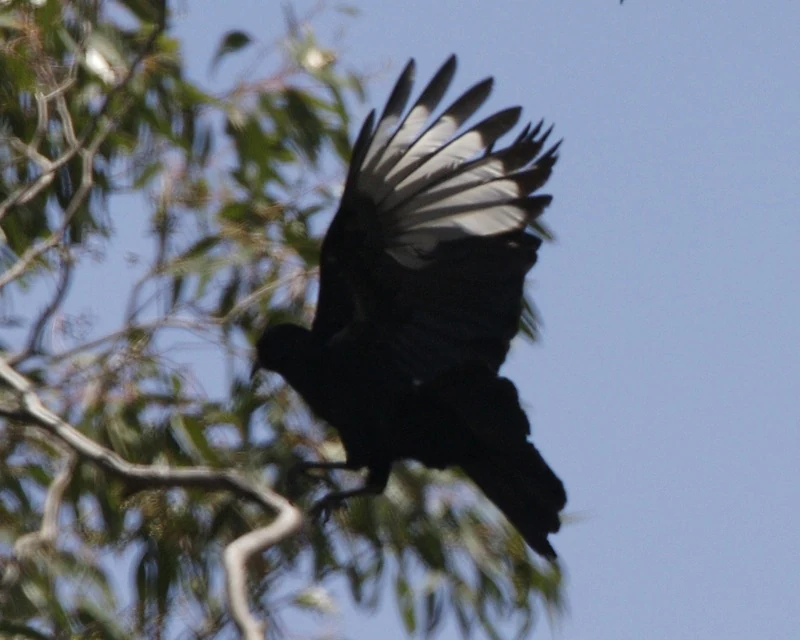
The white-winged chough, a distinctive social bird species, has been photographed within the park and represents one of the avian species that contributes to the park's biodiversity. The combination of forest, woodland, and rocky habitats supports a diversity of fauna, making the park a worthwhile destination for wildlife observation.
Brisbane Ranges National Park conservation status and protection priorities
Brisbane Ranges National Park contributes to Victoria's protected area network by conserving an example of the Brisbane Ranges ecosystem, which would otherwise be subject to continued modification through agriculture, forestry, and other development pressures. The park's IUCN Category II designation reflects its primary objective of protecting natural landscapes and the ecological processes they support.
The protection of the park's wildlife populations, including the koala colony, represents a key conservation outcome. As development pressures increase across Victoria's private land, national parks and other protected areas serve as critical refuges for native species that require intact habitats.
Fire management remains a central challenge for the park, with the 2006 and 2007 fire events demonstrating the vulnerability of the landscape to bushfire and the need for careful management of fire regimes to support ecological processes while protecting visitor safety and infrastructure.
Brisbane Ranges National Park cultural meaning and human context
The Brisbane Ranges National Park lies within the traditional Country of the Wadawurrung people, the Indigenous inhabitants of much of western Victoria prior to European settlement. The Wadawurrung walk within the park acknowledges this heritage and provides visitors with an introduction to the long history of human presence in the landscape.
The Steiglitz historical area within the park represents a later chapter in the human history of the ranges, when gold prospectors and small-scale miners established temporary settlements in the hills during the nineteenth century. While the physical remains of this era are limited, the historical context adds another layer to the park's identity.
The integration of indigenous heritage into the park's visitor experience through the Wadawurrung walk reflects broader recognition within Australian protected area management of the importance of acknowledging and incorporating Aboriginal connection to Country.
Top sights and standout views in Brisbane Ranges National Park
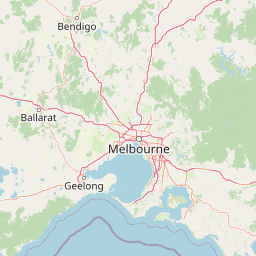
The Anakie Gorge walk stands as the premier attraction within Brisbane Ranges National Park, offering a scenic trail through the heart of the ranges with views of the gorge itself and opportunities to observe wildlife including koalas and wallabies along the way. The Ted Errey Nature Circuit provides a more accessible option for visitors of varying fitness levels, while the Wadawurrung walk adds cultural dimension to the visitor experience. The combination of relatively intact bushland, accessible walking tracks, and reliable wildlife encounters within easy reach of Melbourne makes this park a distinctive destination in Victoria's protected area network. The park's role in conserving an isolated range ecosystem adds significance beyond its recreational appeal.
Best time to visit Brisbane Ranges National Park
The Brisbane Ranges can be visited year-round, though the cooler months from late autumn through winter to early spring typically offer comfortable conditions for walking and wildlife observation. Summer months can be hot, and the park's bushland setting means that fire restrictions may be in place during periods of high fire danger, potentially affecting access to some areas. The presence of wildlife such as koalas can vary seasonally, with these marsupials often more easily observed during cooler periods when they are more active during daylight hours. Visitors should check current conditions with Parks Victoria before travelling, particularly regarding track closures, fire restrictions, and seasonal access considerations.