Why Bundala National Park stands out
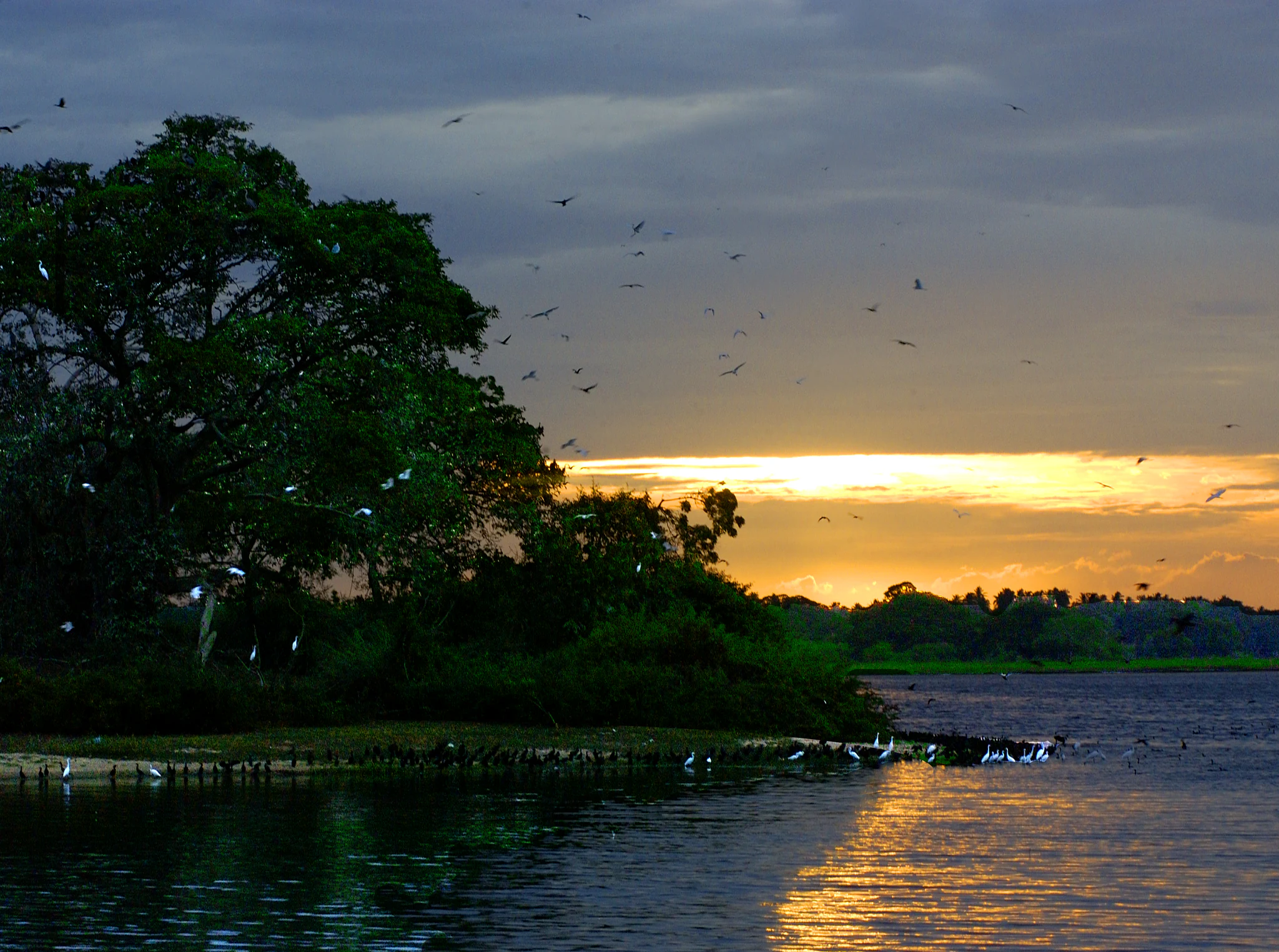
Bundala is most renowned for its extraordinary congregations of greater flamingos that descend upon the lagoons in large flocks numbering over 1,000 individuals each winter. These elegant pink birds migrate from the Rann of Kutch in India, creating one of the most spectacular wildlife viewing opportunities in South Asia. The park's five brackish lagoon system provides ideal habitat for diverse waterfowl including lesser whistling ducks, garganey, cormorants, grey herons, black-headed ibises, Eurasian spoonbills, painted storks, and Asian openbills. The adjacent seashore serves as a breeding ground for all five species of globally endangered sea turtles that migrate to Sri Lanka, adding to the park's remarkable wildlife significance.
Bundala National Park history and protected-area timeline
Bundala was initially declared a wildlife sanctuary on December 5, 1969, establishing formal protection for the area's significant wetland habitats and wildlife populations. The sanctuary was upgraded to national park status on January 4, 1993, with an original land area of 6,216 hectares, reflecting the government's recognition of the region's ecological importance at the national level. However, the park underwent significant boundary adjustments when it was regazetted in 2004, resulting in the reduction of the protected area to approximately 3,698 hectares, though subsequent expansions have brought the current area to around 3,339 hectares. A significant milestone in the park's conservation history came in 1991 when Bundala became the first wetland in Sri Lanka to be designated under the Ramsar Convention, the international treaty for wetland conservation. This recognition acknowledged the site's outstanding universal value as a coastal wetland ecosystem supporting significant biodiversity. In 2005, the park achieved further international recognition when it was declared a Man and Biosphere Reserve by UNESCO under the Man and the Biosphere Programme, becoming the fourth biosphere reserve in Sri Lanka. Adjacent to the national park, Wilmanna Sanctuary was established in January 2006, covering an area of 3,339.38 hectares and providing additional protection to the broader ecosystem.
Bundala National Park landscape and geographic character
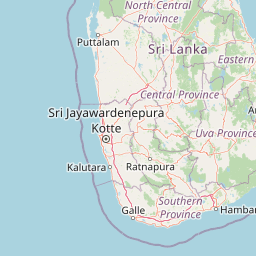
The physical landscape of Bundala National Park is defined by its extremely low-lying coastal setting, with elevation ranging from sea level to a maximum of just 10 meters above sea level. The terrain is dominated by an extensive system of five shallow, brackish lagoons interspersed with salt pans, sand dunes, and dry thorny shrubland. The underlying geology consists of hornblende-biotite gneiss from the eastern Vijayan series, which contributes to the mineral composition of the soils. The park's coastline features a protective barrier of sand dunes that shielded the interior ecosystems from significant damage during the 2004 Indian Ocean tsunami. Among the five lagoons, Malala Lagoon represents the largest at 650 hectares, followed by Bundala lagoon at 520 hectares, Embilikala at 430 hectares, Koholankala at 390 hectares, and Mahalewaya at 260 hectares. The Koholankala and Mahalewaya lagoons have been almost entirely converted for salt production, a traditional economic activity in the region. The climate is tropical monsoonal, with a mean annual temperature of 27°C and relative humidity averaging 80 percent. The annual monsoon brings rainfall primarily between October and April, while a distinct dry period persists from May through September, influencing the seasonal appearance and ecology of the park.
Bundala National Park ecosystems, habitats, and plant life
The ecological diversity of Bundala National Park is remarkable, with the protected area containing seven distinct terrestrial habitat types and six wetland habitat types within its relatively compact area. The dominant terrestrial vegetation consists of dry thorny shrubs and herbs adapted to the hot, semi-arid conditions of the dry zone, with species such as Acacia scrubs including Dichrostachys cinerea, Randia dumetorum, various Ziziphus species, Gymnosporia emarginata, Carissa spinarum, and Capparis zeylanica. The park's lagoon systems support rich aquatic vegetation including water hyacinth, water lilies, and extensive Typha angustifolia reed beds, while the submerged aquatic plant Hydrilla is particularly abundant in the Malala-Ambilikala Lagoons. A distinctive feature of the park is the strip of palu tree (Manilkara hexandra) forest growing on the sand dunes east of Bundala village, representing a unique forest type found nowhere else in Sri Lanka. The lagoon waters support phytoplankton communities dominated by blue-green algae including species of Macrocystis, Nostoc, and Oscillatoria, which form the base of the food web sustaining the park's remarkable water bird populations. Halophyte plants thrive in the saline conditions, with Salicornia brachiata and Halosarcia indica being prominent examples of salt-tolerant vegetation adapted to the coastal environment.
Bundala National Park wildlife and species highlights
Bundala National Park supports an extraordinary concentration of wildlife, with 324 vertebrate species recorded within its boundaries, including 197 bird species, 32 mammal species, 48 reptile species, 32 fish species, and 15 amphibian species. The park's international significance derives primarily from its role as a critical wintering ground for migratory water birds, hosting approximately 58 migratory bird species among the total avifauna. The greater flamingo represents the park's most iconic species, with flocks numbering over 1,000 individuals arriving each year from the Rann of Kutch in India to feed on the lagoon's abundant invertebrate populations. The wetland habitats support diverse waterfowl including lesser whistling ducks and garganey, various cormorant species including little cormorant and Indian cormorant, large wading birds such as grey herons, black-headed ibises, Eurasian spoonbills, Asian openbills, and painted storks, along with numerous medium and small wader species. Rare bird species found in the park include the black-necked stork, lesser adjutant, and Eurasian coot. The park also supports populations of larger mammals including Asian elephants, leopards, and fishing cats, while the adjacent seashore provides crucial breeding grounds for all five species of globally endangered sea turtles that migrate to Sri Lanka. The herpetofauna includes two endemic species, the toad Bufo atukoralei and the snake Xenochrophis asperrimus, alongside mugger and saltwater crocodiles, Bengal monitors, and various snake species.
Bundala National Park conservation status and protection priorities
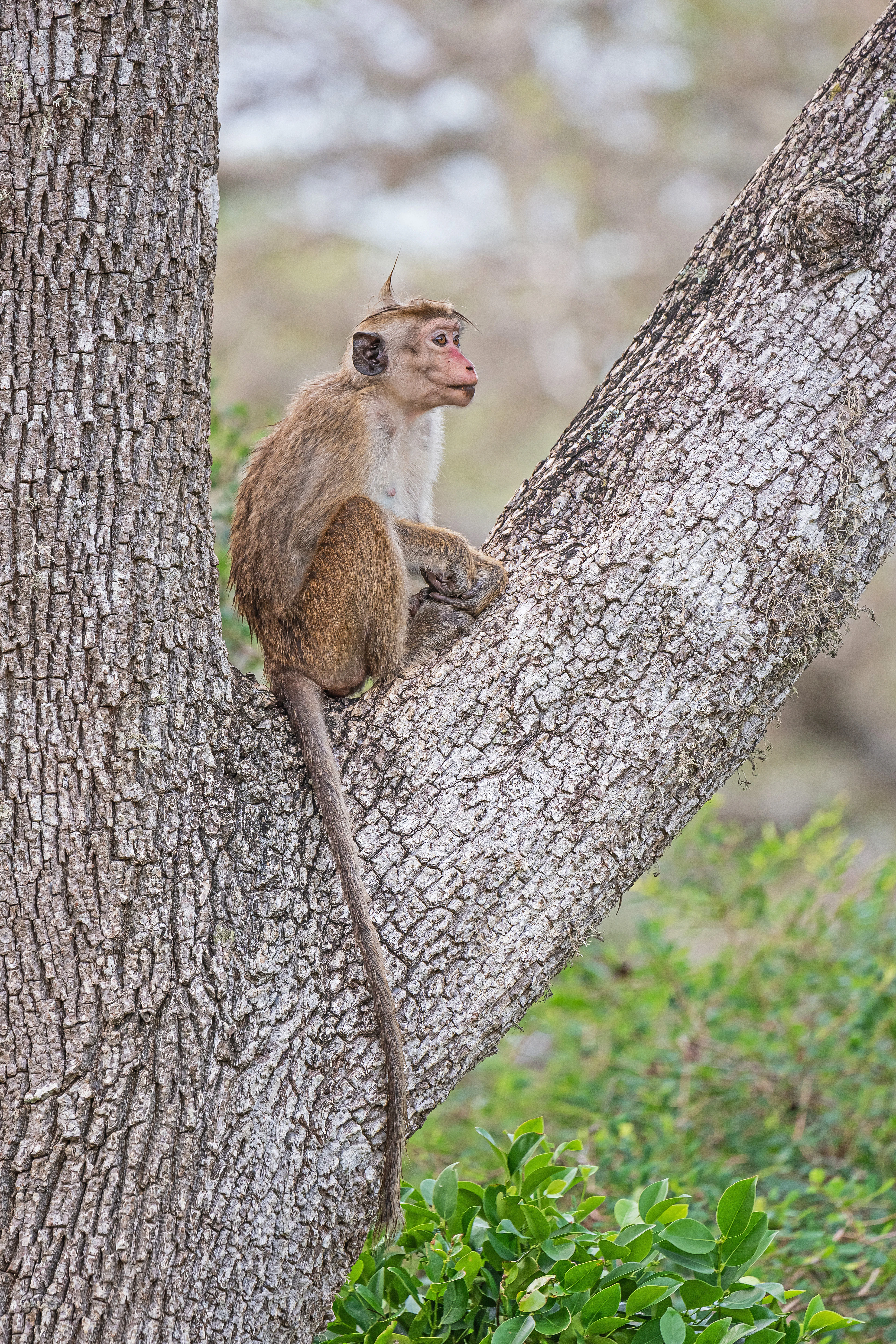
Bundala National Park faces several significant conservation challenges that threaten its ecological integrity and the wildlife populations it protects. Water quality in the lagoons has been degraded by the drainage of excess water from irrigation systems and the release of sludge from salt production facilities into Bundala lagoon. The spread of invasive alien plant species, particularly Prosopis juliflora and Opuntia dillenii, poses a serious threat to the habitats of wading birds and other wildlife in the shrub forest and sand dune areas, especially around the Malala-Ambilikala Lagoons. Prosopis juliflora has spread rapidly due to disturbance from uncontrolled livestock herds, while Opuntia cactus seeds are spread by macaque monkeys and other animals that consume the fruits. Manual removal of these invasive species across the vast areas they have colonized presents enormous practical challenges. Conservation initiatives underway include a turtle conservation project targeting the endangered sea turtles that breed on the park's adjacent coastline, and an invasive alien plants eradication program focused on removing Prosopis juliflora and Opuntia dillenii. Proposed future measures include re-demarcation and expansion of the park's boundaries to include northern scrubland areas, resettlement of families currently residing within the park, implementation of programs to control invasive plant spread, construction of irrigation structures to manage water flow, and management of livestock grazing pressure.
Bundala National Park cultural meaning and human context
Bundala National Park exists within a landscape shaped by traditional human activities, particularly salt production, which has been practiced in the region for generations through the use of coastal lagoon areas for harvesting salt from seawater. The local communities in the area, particularly in Bundala village adjacent to the park, maintain connections to the land through traditional livelihoods that include fishing and small-scale agriculture. The palu tree forest on the sand dunes east of Bundala village holds cultural as well as ecological significance, as this species (Manilkara hexandra, known locally as palu) has traditionally provided various resources to local communities. The spread of invasive species, particularly Prosopis juliflora, has been accelerated by the presence of uncontrolled livestock herds, illustrating the complex interactions between traditional pastoral practices and conservation objectives in the region. The park's Ramsar designation and subsequent biosphere reserve status have brought increased international attention and resources for conservation, while also creating frameworks for balancing ecological protection with the sustainable development needs of surrounding communities.
Top sights and standout views in Bundala National Park
Bundala National Park offers exceptional wildlife viewing opportunities, with the spectacular sight of thousands of greater flamingos congregating on the shallow lagoons during the winter months representing the park's most memorable highlight. The park provides one of the best birdwatching destinations in Sri Lanka, with the possibility of observing over 100 species of water birds including numerous migratory species that journey to these wetlands from distant regions. The diversity of lagoon environments, from actively productive salt pans to natural marshland, creates varied viewing opportunities throughout the park. The presence of all five species of endangered sea turtles breeding on the adjacent coastline adds another dimension to the park's conservation significance. The unique palu tree forest growing on coastal sand dunes represents a rare vegetation type found only in this specific location, offering botanical interest for visitors. The park's compact size and relatively accessible location from Hambantota make it a practical destination for travelers exploring Sri Lanka's southern region.
Best time to visit Bundala National Park
The optimal time to visit Bundala National Park is during the dry season from October to March, when the park receives its largest concentrations of migratory water birds including the greater flamingos that arrive from India. The winter months of December through February typically offer the best birdwatching conditions, with maximum numbers of migratory species present and comfortable temperatures for game drives. During this period, the shallow lagoons become alive with flocks of flamingos, ducks, herons, ibises, and storks creating remarkable wildlife spectacles. The weather during these months is generally dry and sunny, with daytime temperatures around 27°C making for pleasant outdoor exploration. The period from May to September represents the dry season in the park's dry zone climate, when water conditions become more concentrated in the lagoons and bird populations decline as migratory species depart. Visitors should be aware that the park experiences high humidity throughout the year, averaging around 80 percent, and that the hot tropical climate requires appropriate hydration and sun protection during game viewing activities.