Why Cacheu River Mangroves Natural Park stands out
Cacheu River Mangroves Natural Park is best known for being the largest contiguous mangrove forest in West Africa. The park contains as much as 68% of its territory covered by dense mangrove vegetation, creating a distinctive tidal landscape of interconnected waterways, mudflats, and forest canopies that thrive in the brackish water environment where the Cacheu River meets the Atlantic Ocean. This vast mangrove system serves as a critical nursery and feeding ground for marine species, while the seasonal arrival of migratory birds during winter months transforms the estuary into a significant birdwatching destination.
Cacheu River Mangroves Natural Park history and protected-area timeline
Cacheu River Mangroves Natural Park was established on December 1, 2000, representing Guinea-Bissau's commitment to protecting its coastal and wetland natural heritage. The creation of the park reflected growing recognition of the ecological importance of the Cacheu River estuary and its surrounding mangroves, which had long served as fishing grounds and traditional resource areas for local communities while providing critical ecosystem services. The park's formal designation as a Ramsar site followed in 2015, a milestone that brought international attention to the area and additional framework for its conservation management. More recently, the park was included in the IPCC Sixth Assessment Report's discussion of African natural heritage sites facing potential threats from climate change, specifically coastal flooding and erosion under high-emission scenarios.
Cacheu River Mangroves Natural Park landscape and geographic character
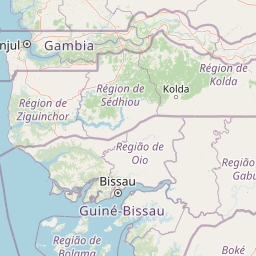
The Cacheu River Mangroves Natural Park is defined by its tidal wetland landscape, where the Cacheu River's freshwater flow meets the salty waters of the Atlantic Ocean to create the brackish conditions in which mangroves thrive. The terrain consists of a complex network of tidal channels, mudflats, sand bars, and low-lying islands that are regularly flooded and exposed as the tides change. The dense mangrove forest dominates the visual landscape, with characteristic salt-tolerant trees forming dense canopy along the water's edge and extending inland along the riverbanks. The estuary environment creates a dynamic landscape where water levels shift with tidal cycles, revealing and submerging mudflats and sandbanks in a continuous natural rhythm that shapes the park's ecological character.
Cacheu River Mangroves Natural Park ecosystems, habitats, and plant life
The mangrove ecosystem at Cacheu represents one of West Africa's most ecologically significant coastal habitats, characterized by salt-tolerant tree species that form dense forest in the intertidal zone where fresh and salt water mix. These mangrove forests function as remarkably productive ecosystems that filter water, stabilize coastlines, and store significant quantities of carbon. The park's designation as a Ramsar site reflects its importance as a wetland that supports biodiversity and provides ecosystem services to local communities. The extensive mangrove coverage creates specialized habitats for marine species, including fish, crustaceans, and mollusks that use the sheltered waters as nursery areas. The diversity of flora within the mangroves includes multiple mangrove tree species adapted to varying levels of salt tolerance and tidal immersion.
Cacheu River Mangroves Natural Park wildlife and species highlights
Cacheu River Mangroves Natural Park provides critical habitat for diverse wildlife, particularly marine and avian species that depend on the estuary ecosystem. The mangrove waters serve as important feeding and nursery grounds for fish species and other marine life, with the complex root systems offering protection for juvenile fish and crustaceans. The park becomes particularly notable during the winter months when large numbers of migratory birds arrive to winter in the estuary environment, taking advantage of the rich feeding opportunities in the shallow waters and mudflats. These seasonal visitors join resident bird species in utilizing the wetland habitats, making the park significant for avian biodiversity.
Cacheu River Mangroves Natural Park conservation status and protection priorities
The conservation significance of Cacheu River Mangroves Natural Park stems from its role as the largest intact mangrove ecosystem in West Africa, a region where coastal wetlands have faced considerable degradation. The park's Ramsar designation in 2015 recognized its international importance as a coastal wetland and committed Guinea-Bissau to maintaining the ecological character of this area. The mangroves provide critical ecosystem services including coastal protection against erosion, water filtration, carbon sequestration, and support for fisheries that sustain local communities. However, the park faces challenges from climate change, with the IPCC identifying it among African natural heritage sites potentially threatened by sea level rise and coastal erosion, highlighting the need for ongoing conservation attention and adaptation planning.
Cacheu River Mangroves Natural Park cultural meaning and human context
The Cacheu River has historically served as an important waterway and resource area for communities along its banks in northwestern Guinea-Bissau. The mangrove ecosystem has traditionally supported local fishing activities and provided other natural resources that local populations have depended upon for generations. The town of Cacheu, located near the park, represents a historic settlement in the region and serves as a reference point for the protected area. While the Wikipedia source does not provide extensive detail on cultural aspects, the park exists within a region where human communities have maintained long-standing relationships with the coastal environment and its resources.
Top sights and standout views in Cacheu River Mangroves Natural Park
The park's defining highlight is its status as West Africa's largest compact mangrove environment, with approximately 68% of its 886 square kilometer area covered by mangrove forest. This vast tidal forest creates a distinctive landscape of interconnected waterways winding through dense vegetation, offering one of the most extensive examples of this ecosystem type in the region. The Ramsar designation since 2015 provides formal recognition of the park's international significance as a coastal wetland. The seasonal presence of migratory birds wintering in the estuary adds seasonal wildlife interest, while the park's location along the Cacheu River places it within a broader landscape of Guinea-Bissau's coastal and riverine ecosystems.
Best time to visit Cacheu River Mangroves Natural Park
The park's mangrove environment can be experienced year-round, though the dry season typically offers easier access and clearer conditions for exploring the estuary. Migratory birds are most abundant during the winter months, making the period from late autumn through early spring particularly significant for birdwatching. The tidal rhythms continue throughout the year, shaping the character of the landscape and the experience of navigating through the mangrove channels.