

Mori Atlas logo
National parkDanbulla National Park

Discover the mapped boundaries and regional geography of this key Wet Tropics National Park.

Danbulla National Park: Australia's Montane Eucalyptus Forest Protected Landscape

(Danbulla National Park and State Forest)

Danbulla National Park represents a significant protected landscape on Australia's Atherton Tablelands, characterized by its distinctive wet sclerophyll eucalyptus forests and rolling montane terrain. Situated approximately an hour west of Cairns, this national park covers roughly 12,000 hectares, rising to elevations around 737 meters. Its position within the World Heritage-listed Wet Tropics of Queensland offers unique insights into tropical forest ecosystems and regional geography, making it a prime destination for atlas-driven discovery of Australia's natural heritage.

Wet Tropics World HeritageQueensland national parkEucalyptus forestMontane forestAtherton TablelandsPine plantation

Danbulla National Park

National park

Park overview

Structured park overview, official facts, and landscape profile for Danbulla National Park

Danbulla National Park park facts, protected area profile, and essential visitor context
Review the core facts for Danbulla National Park, including designation, size, terrain, visitor scale, habitats, and operating context in one park-focused overview.

About Danbulla National Park

Danbulla National Park and State Forest occupies a significant position in Queensland's protected area network as a component of the Wet Tropics World Heritage Area. The protected area is located on the western slopes of the Atherton Tablelands, roughly an hour's drive inland from Cairns, making it accessible for day visitors while maintaining substantial wilderness character. The park encompasses approximately 12,000 hectares of forest land that includes both natural vegetation communities and areas modified by historical forestry operations. The elevation of the terrain at 737 meters places the park in the montane forest zone, where temperatures are cooler and cloudforests can develop on higher peaks and ridges. The Queensland Parks and Wildlife Service manages the area under national park designation, with the dual function of conservation and sustainable forest management reflecting the site's history as a former state forest. Visitors to the area can experience walking trails through diverse forest types, with the eucalypt-dominated landscapes offering panoramic views across the tablelands toward the coast. The park's location within the Wet Tropics bioregion connects it to a network of protected areas that collectively protect one of Earth's most biodiverse tropical forest ecosystems.

Quick facts and research context for Danbulla National Park

Danbulla National Park is located in far-north Queensland, Australia, roughly 60 kilometers inland from Cairns on the Atherton Tablelands. The protected area covers approximately 12,000 hectares of forest and plantation land at an elevation of 737 meters. The park forms part of the broader Wet Tropics bioregion recognized for its outstanding universal value and World Heritage listing. Vegetation communities include eucalyptus forest, acacia woodland, and pine plantations. The area is managed by Queensland Parks and Wildlife Service under IUCN category II protection.

Park context

Deeper park guide and search-rich context for Danbulla National Park

Danbulla National Park history, landscape, wildlife, and travel context
Explore Danbulla National Park through its history, landscape character, ecosystems, wildlife, conservation priorities, cultural context, and seasonal travel timing in a structured park guide built for atlas discovery and search intent.

Why Danbulla National Park stands out

Danbulla is best known for its position within the Wet Tropics of Queensland, a World Heritage area of global biodiversity significance. The park protects a transition zone between lowland and montane tropical forest ecosystems, featuring spectacular eucalyptus forests that dominate the landscape. The combination of natural wet forest and historically established timber plantations creates a distinctive landscape character that distinguishes this park from other Queensland protected areas. The montane setting at approximately 737 meters elevation supports cooler microclimates and specialized forest types not found at lower elevations in the region.
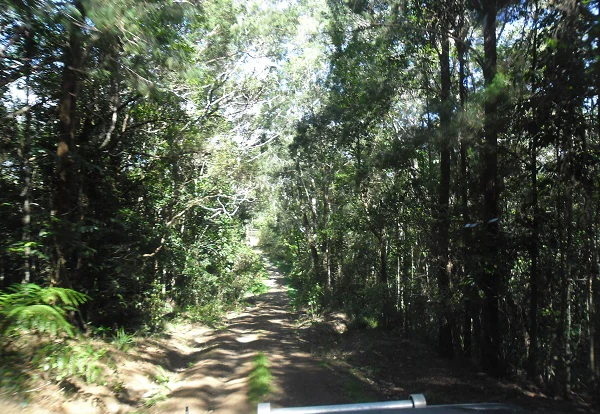
Danbulla Drive
A drive through Danbulla State Forest, bordering Danbulla National Park.

Danbulla National Park history and protected-area timeline

The Danbulla area has a history intertwined with Queensland's forestry and conservation development. The land was previously managed as a state forest, reflecting the region's long history of timber extraction and plantation establishment during the twentieth century. The transition to national park status acknowledges both the ecological significance of the area and the broader shift toward protecting wet tropical forest ecosystems. The Wet Tropics of Queensland were inscribed on the World Heritage List in 1988, recognizing the outstanding universal value of the region's biodiversity and the need for comprehensive protection. Danbulla became part of this protected landscape as national park status was formalised, bringing the area under the same conservation framework as other World Heritage-listed areas in the region.

Danbulla National Park landscape and geographic character

The Danbulla landscape is characterized by rolling tableland terrain rising to approximately 737 meters elevation, with the park encompassing a diverse mix of forest types across its 12,000-hectare extent. The dominant vegetation is wet sclerophyll eucalyptus forest, with several eucalypt species contributing to the park's distinctive character. Interspersed acacia woodlands add diversity to the forest structure, while areas of pine plantation reflect the site's history as a working state forest. The terrain forms part of the western edge of the Atherton Tablelands, where the landscape transitions from the coastal lowlands toward the interior highlands. Views from the park's higher points offer sweeping perspectives across the tableland landscape toward the distant coast, adding scenic appeal to the forest exploration experience.

Danbulla National Park ecosystems, habitats, and plant life

The nature of Danbulla reflects its position within the Wet Tropics bioregion, one of the most species-rich temperate and tropical forest ecosystems in the world. The park protects montane forest communities that are characteristic of higher-elevation areas within the wet tropics, where moisture-laden air from the coast precipitates as the terrain rises. Eucalyptus forests dominate the landscape, adapted to the seasonal moisture patterns and volcanic-derived soils of the tablelands. The diversity of tree species, including both eucalypts and acacias, creates structurally complex forest habitats that support numerous species. The presence of pine plantations adds a modified element to the landscape while also providing habitat for different species assemblages adapted to more open forest conditions.

Danbulla National Park conservation status and protection priorities

Danbulla National Park contributes to the conservation framework of the Wet Tropics World Heritage Area, protecting representative examples of montane forest ecosystems within Queensland's protected area network. The park's inclusion in the World Heritage-listed wet tropics reflects the global significance of the region's biodiversity, which encompasses thousands of endemic species found nowhere else on Earth. As an IUCN category II protected area, Danbulla is managed primarily for ecosystem conservation and nature-based recreation, balancing public access with the protection of forest values. The transition from state forest to national park status represents the broader recognition that wet tropical forests warrant protection beyond their timber production value. The park helps connect fragmented habitats within the landscape matrix, supporting ecological processes across the tablelands region.

Top sights and standout views in Danbulla National Park

The key highlights of Danbulla National Park include its location within the World Heritage-listed Wet Tropics, its accessible forest landscapes roughly an hour from Cairns, and its distinctive eucalypt-dominated montane forest character. The park offers the opportunity to explore wet tropical forest environments at elevation, with the 737-meter terrain providing cooler conditions than the coastal lowlands. The mix of natural forest and plantation landscapes creates varied exploration opportunities, while views across the Atherton Tablelands add scenic dimension to visits. The area's accessibility makes it a practical destination for visitors seeking to experience wet tropics biodiversity without extensive travel into more remote locations.

Best time to visit Danbulla National Park

The dry season from May through October generally offers the most comfortable conditions for visiting Danbulla National Park, with lower humidity and reduced rainfall making forest walks more enjoyable. The wet season from November to April brings higher precipitation typical of the tropics, with the forest appearing lusher but trails potentially affected by heavy rain and reduced visibility. Year-round temperatures are moderate due to the elevation, cooler than Cairns coastal areas, making the park a pleasant escape during hot summer months. The wet tropics environment means that some rainfall can occur at any time of year, and visitors should be prepared for sudden weather changes regardless of season.


Park location guide

Geography guide, regional context, and park location map for Danbulla National Park

Danbulla National Park park geography, regions, and map view in Australia
Understand where Danbulla National Park sits in Australia through a broader geographic reading of the surrounding landscape, nearby location context, and its mapped position within the national park landscape.

How Danbulla National Park fits into Australia

Australia is a constitutional monarchy and federal parliamentary democracy comprising six states and ten territories. With a population of nearly 28 million, it is one of the world's most urbanised countries, with most people concentrated on the eastern seaboard. The country has a high Human Development Index and is known for its cultural diversity, ancient Aboriginal heritage, and unique wildlife.

Wider geography shaping Danbulla National Park in Australia

Australia occupies the entire Australian continent, the island of Tasmania, and numerous smaller islands. It is the world's flattest and driest inhabited continent, featuring vast deserts in the interior (the Outback), tropical rainforests along the eastern coast, and a coastline bordering the Indian and Pacific Oceans.

Location context for Danbulla National Park

Queensland

Common questions about visiting, size, designation, and location context for Danbulla National Park

Danbulla National Park FAQs for park facts, access, geography, and protected area context
Find quick answers about Danbulla National Park, including protected-area facts, park geography, trail and visitor context, and how the park fits into its surrounding country and regional landscape.
MoriAtlas Explorer

Continue Your Protected Areas Search Across the Global Atlas

Deepen your exploration by continuing the structured search for national parks and protected areas worldwide. Utilize the comprehensive filtering capabilities to compare different conservation landscapes and refine your understanding of global park geography. Discover more about the distribution and characteristics of protected natural areas.

Global natural geography