Why Deer Reserve National Park stands out
Deer Reserve National Park is best known for its historical connection to Queensland's colonial-era wildlife heritage, specifically the red deer gifted by Queen Victoria in the 1870s. The park preserves a pocket of South East Queensland woodland ecosystem and represents one of the newer national park designations in the region, having transitioned from timber reserve status to full national park protection in 2006. The area's dual identity as both a conservation landscape and a living reminder of nineteenth-century royal gifts makes it distinctive among Queensland's protected areas.
Deer Reserve National Park history and protected-area timeline
The history of Deer Reserve National Park traces back to the colonial period of Queensland's development. Around 1873, Queen Victoria presented a gift of red deer to the people of Queensland, marking a notable exchange between the British Crown and the young Australian colony. These deer were released in the area near Cressbrook Station, one of the early pastoral properties in the Somerset Region. The location was chosen carefully because of concerns that releasing the deer in more intensively farmed areas could result in crop damage, making the relatively remote woodland tract a suitable establishment site for the introduced herd. The area acquired the name Deer Reserve as a direct reference to this royal gift and the presence of the deer herd. In 1912, the Queensland government set aside the land as a timber reserve, formalizing management of the forest resources in the area. This timber reserve status remained in effect for over nine decades, during which time the forest continued to mature and develop ecological value. In 2006, the reserve was upgraded in status when the Deer Reserve Forest was gazetted as Deer Reserve National Park, marking its transition into the highest category of Queensland's protected area system and ensuring permanent conservation protection for the woodland ecosystem.
Deer Reserve National Park landscape and geographic character
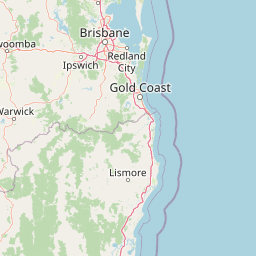
The landscape of Deer Reserve National Park consists of woodland and forest terrain characteristic of the South East Queensland bioregion. The park sits at an elevation of approximately 480 meters above sea level, placing it in a subtropical highland setting within the broader Queensland landscape. The terrain supports a mixture of open woodland and denser forest patches, with the vegetation structure reflecting the influences of the region's climate and soil conditions. The park is adjoined by Deer Reserve State Forest, creating a larger contiguous area of protected woodland that extends beyond the national park boundaries. The landscape represents a transitional zone between the more intensive agricultural lands of the Brisbane Valley and the elevated forested areas of the Great Dividing Range foothills, providing a greenbelt character to this part of Somerset Region.
Deer Reserve National Park ecosystems, habitats, and plant life
The nature of Deer Reserve National Park reflects the South East Queensland bioregion's characteristic woodland ecosystems. The park protects a range of native plant species within its 32.3 square kilometer boundary, including the notable Plectranthus leiperi, a plant species that finds its habitat within this protected area and the adjoining Deer Reserve State Forest. The woodland environment supports a diversity of plant life adapted to the subtropical conditions of South East Queensland, with various tree, shrub, and understory species creating layered habitat structure. The protected status of the area ensures that these ecological communities are preserved from clearing and other destructive land uses, maintaining biodiversity values within the broader landscape matrix of Somerset Region.
Deer Reserve National Park wildlife and species highlights
While the Wikipedia source provides limited detailed information on specific wildlife species, the park's history of red deer introduction gives it a distinctive wildlife heritage. The original red deer gift from Queen Victoria represents an early example of wildlife introduction to Queensland, and the deer population in the area historically formed the basis for the reserve's naming. The woodland and forest habitats of the South East Queensland bioregion would support various native fauna species including birds, mammals, reptiles, and invertebrates typical of the region, though detailed species inventories are not provided in the available source material. The forest structure and protected status create favorable conditions for wildlife conservation within the park boundaries.
Deer Reserve National Park conservation status and protection priorities
Deer Reserve National Park represents an important conservation outcome in Queensland's protected area network. The transition from timber reserve to national park status in 2006 elevated the protection level for this woodland ecosystem, ensuring permanent preservation under national park legislation. The park contributes to the conservation of the South East Queensland bioregion's biodiversity, protecting representative woodland habitats and the plant species they contain. The presence of Plectranthus leiperi within the park and adjacent state forest indicates the area supports species of conservation significance. The dual conservation and historical values of the park create a multifaceted protected area that serves both ecological preservation goals and cultural heritage protection.
Deer Reserve National Park cultural meaning and human context
The cultural context of Deer Reserve National Park centers on its unique colonial-era heritage. The park's name and identity derive directly from a royal gift of red deer presented by Queen Victoria to Queensland circa 1873, a noteworthy exchange that reflects the colonial relationship between Britain and its Australian territories. The deer were released near Cressbrook Station, an early pastoral property in the Somerset Region, chosen because of concerns that the animals might damage crops if placed in more intensively farmed areas. This historical narrative connects the modern protected area to Queensland's colonial settlement period and early wildlife management practices. The tradition of naming protected areas after gift animals represents an unusual but enduring feature of Queensland's environmental history, with the Deer Reserve standing as a living reminder of this practice.
Top sights and standout views in Deer Reserve National Park
Deer Reserve National Park combines several notable qualities that distinguish it within Queensland's protected area system. The park preserves a South East Queensland woodland ecosystem at 480 meters elevation, protecting plant species including Plectranthus leiperi within its 32.3 square kilometer boundary. Its historical connection to Queen Victoria's 1873 gift of red deer provides a unique cultural dimension rarely found in other Australian national parks. The park's 2006 gazettal as a national park represents a successful conservation outcome, elevating protection from timber reserve status to full national park designation. The adjoining Deer Reserve State Forest extends the protected area, creating a larger conservation landscape within the Somerset Region.
Best time to visit Deer Reserve National Park
The best time to visit Deer Reserve National Park would align with Queensland's subtropical climate patterns, with the cooler winter months from May through September generally offering more comfortable conditions for outdoor exploration. The South East Queensland region experiences warm to hot conditions during summer, which coincides with the wet season, while winter brings drier, milder weather suitable for bushwalking and wildlife observation. Visitors seeking to experience the park's woodland landscapes and historical significance should consider the shoulder seasons of autumn and spring for favorable weather and natural scenery. The park's elevation of 480 meters provides some moderation of temperatures compared to lower-lying areas of the region.