

Mori Atlas logo
National parkEungella National Park

Discover the mapped boundaries and regional geography of this Queensland national park.

Eungella National Park: Protected Landscape Atlas and Geographic Context

Eungella National Park stands as a significant protected area within the diverse geography of Queensland, Australia. This MoriAtlas entry provides an atlas-driven perspective, focusing on the park's mapped boundaries, its place within the surrounding natural landscapes, and its identity as a national park. Explore the geographic context that defines Eungella National Park and understand its protected land status for detailed exploration.

Subtropical RainforestMountain Protected AreaEndemic SpeciesPlatypus HabitatQueensland ParksBirdwatching

Eungella National Park

National park

Park overview

Structured park overview, official facts, and landscape profile for Eungella National Park

Eungella National Park park facts, protected area profile, and essential visitor context
Review the core facts for Eungella National Park, including designation, size, terrain, visitor scale, habitats, and operating context in one park-focused overview.

About Eungella National Park

Eungella National Park occupies an isolated mountain massif in north-central Queensland, rising dramatically from the Pioneer Valley approximately 80 kilometres west of the coastal city of Mackay. The Clarke Range forms the backbone of this protected landscape, with the Eungella Plateau reaching elevations of 1259 metres at Mount Dalrymple and similar heights at Mount William. The park preserves approximately 30,000 hectares of rainforest, representing about half of the forest cover present at the time of European settlement, a significant portion given the extensive logging that has reduced Queensland's rainforests elsewhere. The park's high rainfall, averaging 2240 millimetres annually, and its elevation result in temperatures approximately five degrees Celsius cooler than the surrounding lowlands, creating conditions that support subtropical rainforest at latitudes further south than typical for this vegetation type. The rainforest within the park ranges from complex mesophyll vine forest in the wettest areas to notophyll vine forest at higher elevations and on ridge tops, with distinctive eucalypt forests and woodlands bordering the rainforest across much of its extent. This combination of high elevation, substantial rainfall and relative isolation has created conditions favourable for the evolution and persistence of numerous endemic species, making Eungella one of the most significant conservation areas in eastern Australia.

Quick facts and research context for Eungella National Park

Eungella National Park covers 517 square kilometres in north-central Queensland, Australia, on the Clarke Range. Established in 1941 and expanded in 1986, the park protects the nation's longest continuous subtropical rainforest. The plateau rises to 1259 metres at Mount Dalrymple with an average annual rainfall of 2240mm. The area is the traditional country of the Wirri people. Over 175 species of mammals, reptiles, birds and amphibians have been recorded, including numerous endemic species found nowhere else on Earth. The park is managed by the Queensland Parks and Wildlife Service.

Park context

Deeper park guide and search-rich context for Eungella National Park

Eungella National Park history, landscape, wildlife, and travel context
Explore Eungella National Park through its history, landscape character, ecosystems, wildlife, conservation priorities, cultural context, and seasonal travel timing in a structured park guide built for atlas discovery and search intent.

Why Eungella National Park stands out

Eungella National Park is most renowned for protecting the longest continuous stretch of subtropical rainforest in Australia, a remarkable conservation achievement on an isolated mountain massif. The park is famous for its population of platypus, which can be observed at the Broken River viewing platform, one of the most reliable locations in Australia to see these unusual semi-aquatic mammals. The park is also celebrated as a centre of endemism for Australian rainforest species, with multiple endemic frogs, reptiles, birds, crustaceans and insects found only within this area. The Eungella honeyeater, described in 1983, is the most recently described Australian bird species, highlighting the park's ongoing significance for biodiversity discovery.

Eungella National Park history and protected-area timeline

Eungella National Park was originally declared over 49,610 hectares in 1941, establishing protected status for this significant rainforest area. In 1986, the park was substantially expanded to include additional land at Mount Beatrice and a small area of former State Forest near Finch Hatton, bringing the total protected area to its current extent of 52,900 hectares. The expansion helped to consolidate the protection of the rainforest ecosystem and improve connectivity between forest patches. The park is situated in the traditional country of the Wirri people, an Aboriginal group whose language and cultural practices are associated with this landscape. The name Eungella itself comes from the Aboriginal language and translates to 'land of the cloud', a reference to the persistent mist and high rainfall that characterise the area. The Queensland Parks and Wildlife Service manages the park, with management focused on preserving the natural condition of the area and protecting its cultural resources while providing nature-based visitor experiences.

Eungella National Park landscape and geographic character

The landscape of Eungella National Park is dominated by the rugged terrain of the Clarke Range, a mountain system that rises steeply from the Pioneer Valley to form an isolated mountainous plateau. The Eungella Plateau reaches elevations of 1259 metres at Mount Dalrymple and similar heights at Mount William, creating a highland environment distinct from the surrounding lowlands. The terrain is characterised by steep ridgelines, deep valleys, and numerous streams that cascade down the mountain slopes. The park sits at the end of the Pioneer Valley, a flat-bottomed valley that provides access to the elevated plateau. The rainforest clings to the mountain slopes and valleys, while the surrounding eucalypt forests and woodlands create a visible boundary between the wet rainforest interior and the drier surrounding landscapes. Streams such as Finch Hatton Creek have carved gorges through the terrain, creating scenic waterfalls including Aralen Falls. The combination of elevation, substantial rainfall and the protection of the mountain slopes from fire has allowed this subtropical rainforest to persist where it might otherwise have been reduced by natural or human-caused disturbances.

Eungella National Park ecosystems, habitats, and plant life

The nature of Eungella National Park is defined by its subtropical rainforest ecosystems, which represent the longest continuous stretch of this vegetation type in Australia. The park contains a range of rainforest formations, from complex mesophyll vine forest in the wettest locations to notophyll vine forest at higher elevations and on poorer soils. On eastern-facing slopes and ridge tops, red stringybark eucalypts emerge above the canopy of notophyll vine forest, while drier western slopes support hoop pine. The rainforest is bordered by eucalypt forests and woodlands across much of its extent. The park preserves approximately half of the rainforest that existed in the region at the time of European settlement, a significant conservation achievement given the extensive logging that has occurred elsewhere. The vegetation communities, including rainforests, vine thickets and vine forests, are considered fire-sensitive and do not require fire for regeneration. This isolation and the persistence of well-developed rainforest have allowed the evolution of a distinctive biota with numerous endemic species.

Eungella National Park wildlife and species highlights

Eungella National Park supports exceptional biodiversity with over 175 species of mammals, reptiles, birds and amphibians recorded within its boundaries. The park is particularly significant for its endemic species, with several frogs, reptiles, birds, crustaceans and insects found nowhere else. The bird fauna includes 111 species, with the Eungella honeyeater being the most recently described Australian bird species, first collected in 1975 and formally described in 1983. This bird is endemic to the highland rainforest of the Clarke Range. The park supports several species at the limits of their distribution, including the red-necked crake, buff-breasted paradise kingfisher and white-browed robin at their southern extent, and the regent bowerbird, brown thornbill and glossy black cockatoo at their northern limit. The amphibian fauna is especially significant, with three endemic frog species: the endangered Eungella dayfrog, the near-threatened Eungella tinker frog, and the northern gastric-brooding frog, which is believed extinct. The park is one of eleven areas in Australia recognised for high levels of frog endemism. Platypus are commonly observed at the Broken River viewing platform, and the park supports 28 species of mammals including several bat species. Reptile diversity includes three species of leaf-tailed geckos and the orange-spotted rainforest skink, which is restricted to upland rainforest above 900 metres.

Eungella National Park conservation status and protection priorities

Eungella National Park represents one of the most significant conservation areas in eastern Australia, protecting the nation's longest continuous subtropical rainforest and a remarkable concentration of endemic species. The park is recognised as a centre of endemism for Australian rainforest species, with multiple species found nowhere else on Earth. The rainforest ecosystem serves as a critical refuge during periods of climate change, with the Clarke Range and Eungella area identified as one of three key refuge areas in mid-east Queensland during past periods of rainforest contraction. The park faces significant threats including habitat fragmentation, invasive species such as cane toads, red foxes, feral cats and feral pigs, fire which can fragment the rainforest and alter species composition, and the potential spread of cinnamon fungus. The critically endangered Eungella spiny crayfish is restricted to the creeks of the Clarke Range, vulnerable to the cumulative impacts of invasive species and climate change. The park's management focuses on preserving natural conditions while providing sustainable nature-based visitor experiences.

Eungella National Park cultural meaning and human context

Eungella National Park is situated in the traditional country of the Wirri people, an Aboriginal Australian group whose language and cultural practices are associated with this landscape. The name Eungella comes from the Aboriginal language and translates to 'land of the cloud', a reference to the persistent mist and high rainfall that characterise the plateau. This linguistic heritage provides a cultural dimension to the park, connecting the landscape to the indigenous peoples who have lived in this region for thousands of years. European visitors have noted the unusual foraging behaviour of platypus and documented an apparent feeding association between azure kingfishers and platypus, where the birds watch for fish disturbed by the platypus while foraging. This observation reflects the park's role as a place where natural history discoveries continue to be made and where ecological relationships can be studied in relatively intact ecosystems.

Top sights and standout views in Eungella National Park

Eungella National Park offers several standout features that distinguish it as a premier protected area in Queensland. The Broken River area provides one of the most reliable platypus viewing opportunities in Australia, with a dedicated viewing platform overlooking the river where these unusual mammals can be regularly observed. The park contains over 20 kilometres of walking tracks, including scenic lookouts offering panoramic views over the Pioneer Valley from elevated positions within the rainforest. Aralen Falls and other waterfall features add to the scenic appeal of the mountainous terrain. The Fern Flat campground provides backcountry camping access to the rainforest interior, while the Broken River picnic area offers day visitor facilities. The exceptional concentration of endemic species, including the recently described Eungella honeyeater and several endemic frogs, makes the park significant for scientific research and biodiversity conservation. The visitor survey conducted in 2001 estimated that visitors to the park spend approximately 10.9 million dollars annually in the local region, demonstrating the economic value the park provides to surrounding communities.

Best time to visit Eungella National Park

Eungella National Park can be visited throughout the year, though the cooler temperatures at higher elevations make the warmer months more comfortable for walking and outdoor activities. The park receives high rainfall throughout the year, averaging 2240 millimetres annually, so wet weather can be expected at any time. The summer months from December to February typically bring warmer conditions in the lowlands but the plateau remains cooler. Winter months from June to August can bring cooler temperatures, particularly at night, but generally offer more stable weather conditions. The platypus at Broken River can be observed year-round, though early morning visits typically offer the best viewing opportunities when the animals are most active. The Eungella dayfrog breeds between January and May, so visitors interested in amphibian observation may find this period particularly rewarding. The mist and cloud that give the area its name are most common during the cooler months, adding to the atmospheric quality of the rainforest landscape.
Park location guide

Geography guide, regional context, and park location map for Eungella National Park

Eungella National Park park geography, regions, and map view in Australia
Understand where Eungella National Park sits in Australia through a broader geographic reading of the surrounding landscape, nearby location context, and its mapped position within the national park landscape.

How Eungella National Park fits into Australia

Australia is a constitutional monarchy and federal parliamentary democracy comprising six states and ten territories. With a population of nearly 28 million, it is one of the world's most urbanised countries, with most people concentrated on the eastern seaboard. The country has a high Human Development Index and is known for its cultural diversity, ancient Aboriginal heritage, and unique wildlife.

Wider geography shaping Eungella National Park in Australia

Australia occupies the entire Australian continent, the island of Tasmania, and numerous smaller islands. It is the world's flattest and driest inhabited continent, featuring vast deserts in the interior (the Outback), tropical rainforests along the eastern coast, and a coastline bordering the Indian and Pacific Oceans.

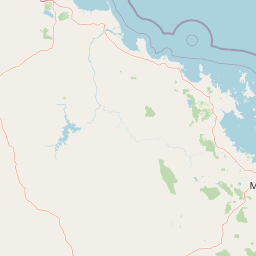
Map view of Eungella National Park

Use this park location map to pinpoint Eungella National Park in Australia, understand its exact geographic position, and read its mapped placement within the surrounding landscape more clearly.

Pigeon | © OpenStreetMap contributors

Location context for Eungella National Park

Queensland
Park atlas

Explore contiguous protected landscapes and regional park geography for comparison after Eungella National Park.

Discover Other Protected Areas Near Eungella National Park: Explore Adjacent Queensland Landscapes
Browse a curated list of national parks and protected areas near Eungella National Park, encompassing adjacent subtropical rainforests, mountainous terrain, and unique conservation landscapes. Compare regional protected areas by their distinct ecological features, geographic spread, and conservation status, revealing the broader network of Australian protected lands.
National parkQueensland

Mount Ossa National Park: A Protected Landscape within Queensland's Natural Atlas

Discover its mapped boundaries and regional geographic context.

Mount Ossa National Park stands as a key protected entity within Queensland, Australia, offering rich opportunities for atlas-based exploration. This page details its designation as a national park and provides context for its mapped landscape, allowing for a deeper understanding of its geographic significance in northeastern Australia. Explore the park's role in the regional conservation effort and its place within the broader Australian protected areas network.

Area
4.96 km²
Established
1994
IUCN
II
Relief
Mountain
National parkQueensland

Mount Martin National Park: A Protected National Park in Queensland's Natural Landscape

Explore its mapped boundaries and regional geographic context.

Mount Martin National Park represents a distinct protected area within the Australian state of Queensland. This page offers focused insight into its role as a national park, providing users with a clear understanding of its geographic setting and mapped boundaries. Delve into the specific landscape characteristics and conservation context that define Mount Martin National Park, enriching your atlas exploration of Queensland's protected regions.

Area
4.76 km²
Established
1994
IUCN
II
Relief
Mountain
National parkQueensland

Pioneer Peaks National Park: Queensland National Park Geography and Mapped Boundaries

Explore its protected landscape and regional context.

Pioneer Peaks National Park represents a distinct protected area within Queensland, Australia, offering valuable insights into regional geography and mapped natural landscapes. This canonical page focuses on the park's identity as a national park, detailing its geographic setting and the significance of its protected boundaries. It serves as a crucial point for understanding its place within the Australian atlas and the broader context of conservation landscapes.

Area
18.4 km²
Established
1992
IUCN
II
Relief
Mountain
National parkQueensland

Cape Hillsborough National Park: Queensland's Volcanic Peninsula National Park

Mapped geography and protected landscape context in Central Queensland.

Cape Hillsborough National Park is a notable protected area defined by its unique volcanic peninsula landform in Queensland. Its rugged terrain features dense rainforest interiors that contrast with the surrounding coastal environments and tidal zones. As a national park, it offers an excellent opportunity to study landscape context, mapped geological features, and the distribution of protected natural areas within the Central Queensland region.

Area
10.22 km²
Established
1985
IUCN
II
Relief
Upland
National parkQueensland

Repulse Island National Park: Queensland's Coastal Protected Area and Mapped Geography

Explore this key national park's mapped boundaries and island landscape.

Repulse Island National Park is an important protected natural area offering unique insights into coastal island geography within Queensland's expansive conservation network. Established as a national park, it signifies a commitment to preserving representative natural landscapes. This page focuses on the mapped boundaries, regional geographic context, and the protected landscape identity of Repulse Island National Park, providing a detailed entry point for atlas-driven discovery of Australia's protected areas.

Area
1.51 km²
Established
1994
IUCN
II
Scope
Terrestrial
National parkQueensland

Reliance Creek National Park: Preserving Queensland's Coastal Palm Forest Ecosystem

Mapped protected landscape on Queensland's central coast.

Reliance Creek National Park is a critical conservation site in Queensland, safeguarding the most significant remaining area of coastal palm forest. This compact national park protects a unique subtropical ecosystem that has largely vanished from the surrounding regional landscape. Users can explore its precise location and geographic context, understanding its importance as a preserved natural heritage and a testament to the original coastal plain environment.

Area
0.14 km²
Established
1980
IUCN
II
Access
Remote access
National parkIsaac Region

Homevale National Park: Central Queensland's Protected Sandstone and Fossil Landscape

Explore dramatic cliffs, peaks, and ancient Permian fossil sites.

Homevale National Park in Australia's Isaac Region is a testament to geological time and conservation. Its landscape is defined by striking sandstone formations, including dramatic cliffs, rugged peaks, and distinctive spires. Beyond its visual appeal, the park is scientifically vital for its Permian-period fossil discoveries, dating back 280 to 225 million years. This protected area offers a unique glimpse into ancient marine environments and the geological evolution of Central Queensland, making it a key destination for atlas-driven landscape discovery.

Area
218 km²
Established
1995
IUCN
II
Relief
Mountain
National parkQueensland

Smith Islands National Park: Queensland Coastal Protected Area Map

Discover the mapped geography and island landscapes of North Queensland.

Smith Islands National Park represents a significant protected island landscape off the coast of Queensland, Australia. This page allows for detailed exploration of its geographic features, mapped boundaries, and role as a national park within the North Queensland region's atlas of natural areas. Understand the unique character of these tropical islands and their place within Australia's network of preserved coastal environments.

Area
18.7 km²
IUCN
II
Scope
Terrestrial

Common questions about visiting, size, designation, and location context for Eungella National Park

Eungella National Park FAQs for park facts, access, geography, and protected area context
Find quick answers about Eungella National Park, including protected-area facts, park geography, trail and visitor context, and how the park fits into its surrounding country and regional landscape.
MoriAtlas Explorer

Continue Your Protected Areas Search Across the Global Atlas

Deepen your exploration by continuing the structured search for national parks and protected areas worldwide. Utilize the comprehensive filtering capabilities to compare different conservation landscapes and refine your understanding of global park geography. Discover more about the distribution and characteristics of protected natural areas.

Global natural geography