Why Ghamot National Park stands out
Ghamot National Park is best known as a stronghold for the Himalayan Brown Bear in Pakistan, representing one of the last remaining habitats for this threatened carnivore in the country. The park's conservation significance is amplified by its role as part of a connected network of protected areas that maintains genetic connectivity between bear populations across the northern Pakistani highlands. It is also recognized for sheltering the endangered musk deer, a species prized for its musk-producing gland but threatened by habitat loss and poaching.
Ghamot National Park history and protected-area timeline
Ghamot National Park was established in 2004 as part of Pakistan's expanding network of protected areas in the Himalayan region. The creation of the park responded to growing recognition that the Himalayan Brown Bear required secure habitat patches connected by wildlife corridors to maintain genetically viable populations. Prior to formal protection, the area faced pressures from grazing, logging, and other land uses that degraded habitat quality.
The park's establishment was followed by conservation initiatives funded through the Global Environment Facility Small Grants Programme, which has supported habitat management, community engagement, and species monitoring activities. The Himalayan Wildlife Foundation has served as the implementing partner, bringing local knowledge and conservation expertise to the management of this mountainous protected area. The creation of Ghamot National Park also aligned with broader regional conservation strategies that recognized the importance of connecting existing protected areas in northern Pakistan into a coherent ecological network.
Ghamot National Park landscape and geographic character
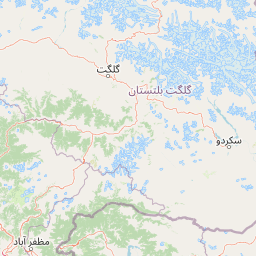
Ghamot National Park is situated within the mountainous landscape of Neelam District in Azad Kashmir, a region characterized by steep valleys, ridgelines, and the characteristic alpine and sub-alpine terrain of the western Himalayas. The terrain ranges from forested mid-elevation slopes to higher-altitude rocky outcrops and alpine meadows where the park's most notable species find their preferred habitat.
The landscape forms part of a broader topographic context defined by the Neelum Valley, which runs along the line of control between Pakistan and India. This mountainous setting creates diverse microclimates and habitat types within a relatively limited area, supporting the ecological diversity that makes the park significant. The mountainous character also presents challenges for human settlement and land use, which has inadvertently helped maintain relatively intact natural habitats in the park proper.
Ghamot National Park ecosystems, habitats, and plant life
The ecological character of Ghamot National Park reflects its position within the Himalayan biodiversity hotspot, a region renowned for its concentration of endemic species and complex ecosystems. The park encompasses habitats that range from coniferous and mixed forests at lower elevations through sub-alpine shrublands to alpine meadows at higher altitudes. This vertical stratification creates distinct ecological zones, each supporting different assemblages of plant and animal life.
The park's significance extends beyond its boundaries through its connectivity to adjacent protected areas. This network function is essential for wide-ranging species like the Himalayan Brown Bear, which requires large home ranges and the ability to move between habitat patches. The preservation of these corridors has become a central focus of conservation planning in the region, with Ghamot National Park serving as a critical link in the chain of protected areas that enables wildlife movement across the northern Pakistani highlands.
Ghamot National Park wildlife and species highlights
The mammalian fauna of Ghamot National Park is headlined by two threatened species of particular conservation concern. The Himalayan Brown Bear represents the park's most significant wildlife asset, as this subspecies of the brown bear inhabits the high-altitude regions of the western Himalayas and has a highly restricted distribution in Pakistan. The connected population that includes individuals from Deosai and Musk Deer National Parks relies on the protected corridors that Ghamot National Park provides.
The musk deer, though more cryptic in its habits, also inhabits the park and adds to its conservation value. Unlike the bears, this small ungulate is primarily associated with dense forest and shrub cover where it browses on lichens, mosses, and herbaceous plants. The species has historically been targeted for its musk gland, making protected area status particularly important for its survival.
The bird fauna documented in the park includes over 128 species, representing a remarkable diversity for a protected area of this size. Raptors such as the Himalayan vulture, Golden Eagle, and Bearded Vulture soar above the mountain slopes, while the dense vegetation supports a variety of passerines including babblers, thrushes, flycatchers, and warblers. Notable species include the Himalayan Monal, a colorful pheasant prized by birdwatchers, and the Western Tragopan, another restricted-range galliform. The presence of both resident and migratory species reflects the park's role in supporting birds throughout the annual cycle.
Ghamot National Park conservation status and protection priorities
Ghamot National Park contributes to regional conservation objectives through its role in maintaining habitat connectivity for the Himalayan Brown Bear. The bear population in northern Pakistan is distributed across several isolated protected areas, and without corridors connecting these areas, genetic exchange would be severely limited, ultimately threatening the viability of these populations. Ghamot National Park directly addresses this challenge by linking the populations of Deosai and Musk Deer National Parks.
The Global Environment Facility Small Grants Programme has provided essential funding for conservation activities within the park, supporting habitat management, anti-poaching efforts, and community-based initiatives that reduce conflict between local communities and wildlife. The involvement of the Himalayan Wildlife Foundation ensures that conservation interventions are informed by local conditions and knowledge. The dual focus on protecting both the Himalayan Brown Bear and musk deer reflects the park's role as a refuge for the region's most vulnerable large mammals.
Ghamot National Park cultural meaning and human context
Ghamot National Park exists within the context of Azad Kashmir, a region with its own distinct cultural heritage and political identity within Pakistan. The local communities in Neelam District have historically depended on the natural resources of the surrounding landscape, though the formal designation of protected areas has altered the relationship between local people and the land. The conservation framework in the park requires balancing wildlife protection with the livelihoods and traditions of communities who share the mountainous landscape.
Top sights and standout views in Ghamot National Park
The most distinctive feature of Ghamot National Park is its role as a conservation corridor linking populations of the threatened Himalayan Brown Bear across northern Pakistan. This connectivity function elevates the park's significance beyond its own boundaries, making it essential to regional conservation strategy. The presence of the endangered musk deer adds a second flagship species to the park's conservation portfolio. The extraordinary bird diversity, with over 128 documented species including the Himalayan Monal and Western Tragopan, provides additional draw for wildlife enthusiasts and researchers. The partnership between international conservation funding and local implementation through the Himalayan Wildlife Foundation represents a model for protected area management in challenging mountainous environments.
Best time to visit Ghamot National Park
The optimal period for visiting Ghamot National Park coincides with the warmer months from May through September, when weather conditions in the mountainous environment are most favorable for outdoor exploration. During this window, snow has melted from the main access routes and trails, allowing visitors to explore the park's various habitats. The summer months also coincide with the breeding season for many bird species, increasing the likelihood of observing active birdlife including displaying monals and calling thrushes.
Winter visits are generally more challenging due to snowfall and reduced accessibility, though the landscape takes on a different character and some wildlife becomes more visible against the snow. The shoulder seasons of spring and autumn offer transitional conditions and the opportunity to witness different aspects of the park's ecology as temperatures shift and species respond to changing day lengths. Visitors should be prepared for variable mountain weather regardless of the season chosen.