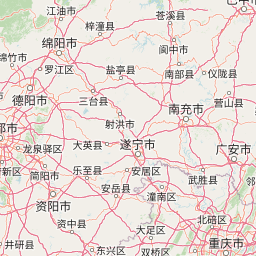
Why Giant Panda National Park stands out
Giant Panda National Park is best known as the primary habitat of the giant panda, housing approximately 1,864 individuals that constitute roughly 80 percent of China's wild panda population. The park protects the endangered Qinling panda subspecies, a genetically distinct population found in the秦岭 mountains of Shaanxi, estimated at 100 to 350 individuals. The park represents the world's most ambitious effort to conserve a single species through large-scale habitat integration, combining dozens of formerly fragmented reserves into a unified landscape that allows pandas to cross provincial boundaries and access a broader range of mates to increase genetic diversity.
Giant Panda National Park history and protected-area timeline
The concept for Giant Panda National Park emerged from decades of growing concern about the fragmentation and decline of panda habitats across western China. Chinese authorities first unveiled official plans for the national park in 2017, recognizing that the existing network of separate reserves had proven insufficient to ensure the species' long-term survival in the face of continuing habitat loss and population isolation. In March 2018, the state-owned Bank of China pledged a significant funding commitment of CN¥10 billion (approximately US$1.1 billion) through a five-year funding package to support the park's establishment and ongoing management. This substantial investment reflected the Chinese government's determination to create a unified, large-scale conservation framework that could address the systemic challenges facing panda populations. The park officially came into existence in 2020, representing the culmination of years of planning, scientific assessment, and institutional coordination across multiple provincial governments and conservation agencies.
Giant Panda National Park landscape and geographic character
Giant Panda National Park encompasses a dramatic landscape of mountainous terrain across three provinces in western China. The park's territory includes portions of the Qinling Mountains in Shaanxi, the Min Mountains in Sichuan, and extends into adjacent mountain ranges that form the eastern edge of the Tibetan Plateau. This terrain features steep forested slopes, deep valleys, and bamboo-covered ridges that have historically provided ideal habitat for giant pandas. The landscape varies in elevation from roughly 1,000 meters to over 5,000 meters, creating diverse microclimates and vegetation zones that support the complex ecological requirements of pandas and the other species sharing their habitat. The integration of 67 former reserves into this unified landscape also means the park encompasses significant variation in forest types, from subtropical evergreen forests at lower elevations to subalpine coniferous forests at higher elevations.
Giant Panda National Park ecosystems, habitats, and plant life
The ecological significance of Giant Panda National Park extends far beyond its role as panda habitat, as the park protects some of China's most biodiverse mountain forest ecosystems. The forests within the park boundaries contain dense bamboo thickets that pandas depend upon exclusively for food, along with mixed broadleaf and coniferous forest that provides shelter and corridor connections between panda populations. These mountain forest ecosystems serve as critical watersheds, regulating water flow for downstream agricultural regions and communities across western China. The park's unified management framework allows for coordinated conservation of entire watersheds and forest communities, rather than the fragmented protection that existed when the 67 reserves operated independently. The restoration of connectivity between previously isolated forest patches represents a fundamental shift from isolated species conservation to ecosystem-level protection.
Giant Panda National Park wildlife and species highlights
Giant Panda National Park is home to the world's largest population of wild giant pandas, with approximately 1,864 individuals protected within its boundaries. This population includes the rare Qinling panda subspecies, a genetically distinct population found primarily in the秦岭 mountains of Shaanxi province that has been isolated from other panda populations for sufficient time to develop observable genetic and physical differences. Beyond pandas, the park's diverse habitats support numerous other species, including several other endangered animals that benefit from the same protected forest environments. The unified park design allows for the movement and mixing of panda populations that was previously impossible when the reserves were separated by human development and infrastructure, directly addressing the genetic isolation that had put pandas at risk of inbreeding and reduced genetic diversity.
Giant Panda National Park conservation status and protection priorities
Giant Panda National Park represents a transformative approach to panda conservation, moving beyond isolated reserve protection toward landscape-scale habitat connectivity and genetic management. The park's fundamental conservation purpose is to ensure the long-term survival of giant pandas by reconnecting the fragmented populations that had developed over decades of habitat loss and human encroachment. Before the park's establishment, many isolated panda groups contained fewer than 10 individuals, creating dangerous levels of inbreeding and genetic stagnation. By allowing pandas to cross provincial boundaries and move between former reserves, the park enables gene flow that strengthens the genetic diversity of populations throughout the species' range. This conservation model addresses both the immediate threat of habitat fragmentation and the longer-term challenge of maintaining sufficient genetic diversity to ensure the species can adapt to future environmental changes. The park also contributes to China's overall conservation reputation, building on decades of successful panda breeding programs and habitat protection efforts that helped move the giant panda off the endangered species list.
Giant Panda National Park cultural meaning and human context
The regions encompassed by Giant Panda National Park have been home to pandas for millions of years, and these mountains hold deep cultural significance in Chinese history and tradition. The giant panda has long been regarded as a symbol of peace and friendship in Chinese culture, and conservation efforts for the species have enjoyed broad public support throughout China. Local communities in Sichuan, Gansu, and Shaanxi have historically lived in close proximity to panda habitats, and the establishment of the national park has involved coordination with these communities to balance conservation objectives with sustainable livelihoods. The park's creation represents a modern chapter in the long relationship between Chinese society and the landscapes where pandas have always lived.
Top sights and standout views in Giant Panda National Park
Giant Panda National Park stands as the world's largest panda conservation area, protecting approximately 80 percent of all wild giant pandas through the integration of 67 former reserves into a unified landscape. The park addresses the critical challenge of panda population fragmentation that had threatened the species' genetic diversity and long-term survival. It encompasses diverse mountain ecosystems spanning three provinces and multiple distinct forest types, providing habitat not only for pandas but for the broader community of species that share these mountainous forest environments. The park's creation in 2020 marked the culmination of China's long commitment to panda conservation and represents a new paradigm for single-species protection through landscape-scale habitat management.
Best time to visit Giant Panda National Park
The best time to experience Giant Panda National Park depends on which aspects of the park's natural heritage visitors wish to observe. Spring and autumn seasons offer the most comfortable temperatures for hiking and wildlife observation in the mountain forests, with moderate climate conditions that make outdoor exploration more accessible. Winter months can bring snow to higher elevations, creating scenic landscapes but potentially limiting access to some trail areas, while summer brings warmer temperatures and the peak of the bamboo growing season when pandas are most likely to be feeding actively in lower elevation areas. Visitors interested in panda observation should note that sightings in the wild remain uncommon due to the animals' secretive nature and the vastness of the park's territory.