Why Gishwati-Mukura National Park stands out
Gishwati-Mukura National Park is known for its montane forest ecosystems and its role in protecting critical watershed areas in Rwanda's western highlands. The park forms part of a chain of forested mountain reserves that provide ecosystem services including water retention, soil conservation, and carbon sequestration for the surrounding agricultural communities.
Gishwati-Mukura National Park history and protected-area timeline
The history of Gishwati-Mukura National Park is closely tied to Rwanda's broader conservation and land-use history. The Gishwati and Mukura forests were originally designated as forest reserves, providing legal protection against deforestation and land conversion. Over the decades, Rwanda recognized the ecological and watershed value of these montane forests, which support both biodiversity conservation and essential ecosystem services for local populations. The decision to elevate the reserves to national park status in 2020 reflected Rwanda's ambition to create a more robust protected area network and to leverage tourism potential in the western forest region, complementing the established Nyungwe National Park.
Gishwati-Mukura National Park landscape and geographic character
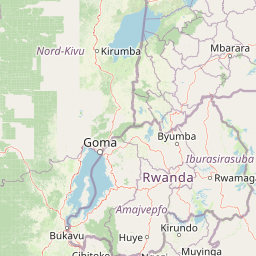
The park encompasses mountainous terrain typical of Rwanda's western highlands, with steep slopes and valleys that form part of the Albertine Rift escarpment. The landscape features dense montane forest cover that transitions from lower-altitude woodland to higher-elevation forest as the terrain rises. The topography creates a complex environment of ridges, valleys, and watercourses that define the character of the protected area.
Gishwati-Mukura National Park ecosystems, habitats, and plant life
Gishwati-Mukura National Park protects montane forest ecosystems within the Albertine Rift, a region recognized for its high endemism and biodiversity significance. The forests support a variety of tree species adapted to the cool, moist conditions of Rwanda's western highlands. These forests play a critical ecological role as watershed areas, regulating water flow and preventing soil erosion on the steep terrain. The montane environment supports biodiversity that includes forest-dependent species adapted to the unique conditions of this elevated African landscape.
Gishwati-Mukura National Park wildlife and species highlights
The montane forests of Gishwati-Mukura provide habitat for various forest-dwelling species. The Albertine Rift region is known for its high concentration of endemic species, and the forests likely support populations of birds, small mammals, and insects adapted to the montane environment. While specific species documentation for the park remains limited compared to more established Rwandan protected areas like Nyungwe, the forest ecosystems provide suitable habitat for forest specialists.
Gishwati-Mukura National Park conservation status and protection priorities
The establishment of Gishwati-Mukura National Park reflects Rwanda's broader conservation strategy, which has included aggressive reforestation programs and the expansion of protected areas. The park contributes to watershed protection for communities in the western highlands, providing ecosystem services that extend beyond biodiversity conservation. The formal national park designation offers enhanced legal protection for the forest ecosystems and supports Rwanda's goals of maintaining forest cover and restoring degraded lands.
Gishwati-Mukura National Park cultural meaning and human context
The forests of Gishwati and Mukura have historically provided resources and ecosystem services to surrounding communities in Rwanda's western province. The landscape is part of a region where agricultural communities have long depended on forest watersheds for water and soil conservation. The establishment of the national park acknowledges both the ecological importance of these forests and the need to balance conservation with the livelihoods of local populations.
Top sights and standout views in Gishwati-Mukura National Park
Gishwati-Mukura National Park offers visitors the opportunity to explore montane forest environments in one of Rwanda's newer protected areas. The park provides hiking opportunities through dense forest landscapes with views of the surrounding mountainous terrain. As a recent addition to Rwanda's national park system, the park represents the country's evolving approach to forest conservation and sustainable tourism development in the western highlands.
Best time to visit Gishwati-Mukura National Park
The best time to visit Gishwati-Mukura National Park corresponds with Rwanda's dry seasons, typically from June to September and December to February, when trail conditions are most favorable for hiking and forest exploration. Visitors should be prepared for the cool, moist conditions typical of montane forest environments in the Albertine Rift region.