Why Grande Colline National Park stands out
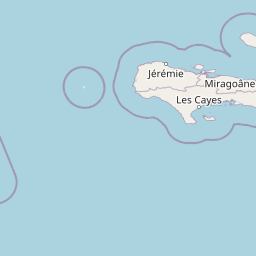
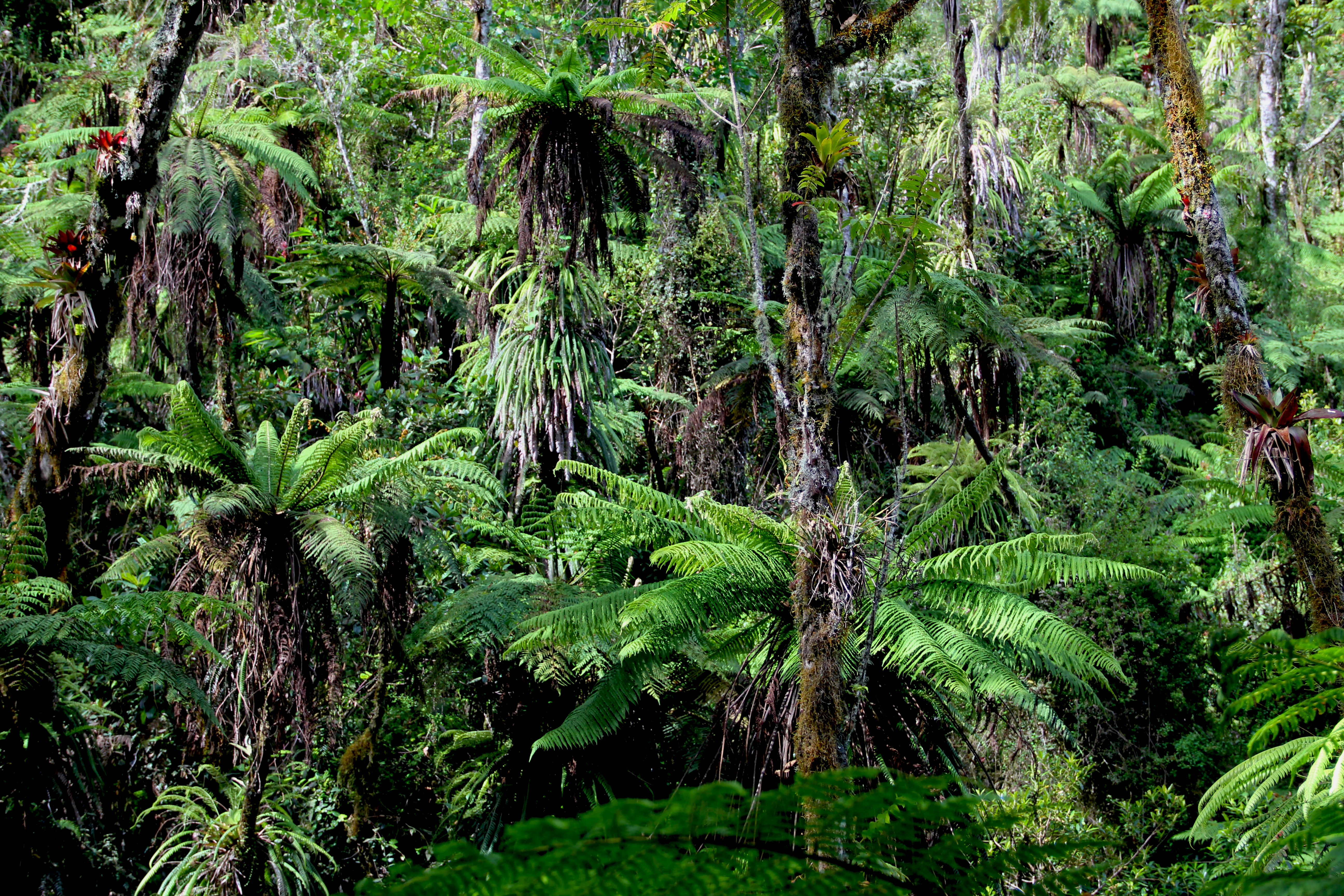
Grande Colline National Park is best known for its remarkable preservation of cloud forest containing giant tree ferns, a distinctive feature that sets this protected area apart within Haiti. The park protects some of the most intact remaining forest in the country, with original hardwood forest and towering tree ferns persisting in isolated stands above 1,800 meters elevation. This remoteness has allowed the forest to escape the widespread deforestation that has transformed much of Haiti, though ongoing pressures from agriculture, charcoal production, and logging for building materials continue to threaten these remnant forests. The park also represents a critical conservation area within the Caribbean, as the Massif de la Hotte region harbors endemic species found nowhere else on Earth.
Grande Colline National Park history and protected-area timeline
The formal establishment of Grande Colline National Park on July 23, 2014 marked the culmination of years of exploration and advocacy by conservation scientists working in Haiti. The Haiti National Trust, founded with the goal of protecting Haiti's remaining natural areas, conducted systematic explorations of the Grande Colline region between 2011 and 2015. These expeditions faced significant logistical challenges due to the park's extreme remoteness, requiring helicopter support to access the mountain terrain. The scientific work revealed unexpected biodiversity and documented the ecological importance of the cloud forest remnants, while also identifying the threats from deforestation for agriculture, charcoal production, and timber extraction. The discoveries made during these explorations, particularly of new species, provided the scientific foundation for establishing the protected area and contributed to broader understanding of Haiti's montane ecosystems.
Grande Colline National Park landscape and geographic character
The landscape of Grande Colline National Park is defined by its dramatic mountain terrain within the Chaîne de la Grande Colline. Five named peaks rise from the surrounding terrain, creating a rugged skyline with elevations ranging from 1,843 meters at Morne Desbarrières to 2,025 meters at Morne Grande Colline. The mountains form steep ridges and narrow valleys that create diverse microclimates andhabitat conditions across relatively short distances. The topography supports cloud formation at higher elevations, feeding the moisture-dependent forest communities. Below the montane zone, the terrain grades into less forested slopes that have experienced varying degrees of human modification, making the higher elevation forest remnants increasingly isolated and precious as ecological anchors.
Grande Colline National Park ecosystems, habitats, and plant life
The ecological character of Grande Colline National Park centers on its montane cloud forest, a habitat type that has largely disappeared from Haiti due to widespread deforestation. At elevations above 1,800 meters, isolated forest stands retain original composition including giant tree ferns and hardwood species that represent remnants of the island's pre-disturbance vegetation. These forests exist in a matrix of degraded land and regenerating vegetation, making their conservation particularly important as reference sites and seed sources for broader landscape recovery. The Massif de la Hotte region as a whole is recognized as a critical area for Caribbean biodiversity, supporting species with restricted ranges and evolutionary significance.
Grande Colline National Park wildlife and species highlights
The wildlife of Grande Colline National Park, while not extensively documented in available sources, is understood to include species endemic to the Massif de la Hotte region. The montane forest provides habitat for forest-dwelling species adapted to the cool, moist conditions of the cloud forest zone. The discovery of new species during the 2011-2015 exploration period indicates that the park's fauna likely includes species not yet formally described by science, adding to its conservation significance. The remaining forest patches serve as critical refuges in a landscape where lowland habitats have been largely converted to agriculture or degraded.
Grande Colline National Park conservation status and protection priorities
Grande Colline National Park represents an important conservation achievement for Haiti, protecting some of the country's most intact montane forest at a time when forest cover across the nation has been dramatically reduced. The park's creation was driven by scientific evidence of its ecological value, including documentation of previously unknown species that highlighted the area's conservation significance. However, the protected area faces ongoing threats from deforestation driven by local needs for agricultural land, building materials, and charcoal production. The isolation that has helped preserve the forest remnants also complicates management and enforcement, making the long-term conservation of these ecosystems a continuing challenge. The park exists within a broader network of protected areas in the Massif de la Hotte that together aim to preserve the region's unique biodiversity.
Grande Colline National Park cultural meaning and human context
Grande Colline National Park exists within a landscape shaped by human activity, though the remote and rugged nature of the terrain has limited direct human settlement within the park boundaries. The surrounding areas are inhabited by communities whose livelihoods depend on natural resources, including agriculture and the collection of forest products. The park's establishment represents an effort to balance local resource needs with the imperative to preserve ecological values of global significance.
Top sights and standout views in Grande Colline National Park
The most distinctive highlights of Grande Colline National Park include its giant tree fern cloud forest, one of the last remaining such habitats in Haiti; its status as one of the most remote and difficult-to-access protected areas in the country; its five named peaks rising above 1,800 meters; and its role as a newly established conservation area that emerged from systematic scientific exploration. The park represents both a conservation achievement and an ongoing conservation challenge, protecting irreplaceable forest remnants while facing pressures from surrounding communities.
Best time to visit Grande Colline National Park
Grande Colline National Park's remote location and limited infrastructure make planning a visit challenging regardless of season. The montane environment experiences moist conditions year-round due to cloud formation at higher elevations, with the wetter months typically from May through November. The dry season from December through April may offer more comfortable conditions for hiking and observation, though access to the park remains difficult due to the lack of developed trails and transportation infrastructure. Visitors should be prepared for challenging terrain and self-sufficient travel arrangements.