Why Kakum National Park stands out
Kakum National Park is renowned for its spectacular canopy walkway, a series of suspended bridges suspended 40 metres above the forest floor that allows visitors to walk among the treetops of West Africa's tropical rainforest. This engineering achievement, one of only three canopy walkways in Africa, provides unprecedented access to a forest ecosystem that would otherwise be largely inaccessible. The park is also famous for its remarkable biodiversity, particularly the population of African forest elephants, which represents the densest concentration in Ghana. Bird enthusiasts recognize Kakum for its extraordinary avifauna, including nine hornbill species and the vulnerable white-breasted guineafowl, while primate populations include the endangered Diana monkey, ursine colobus, and olive colobus. The park's status as a community-established protected area, initiated by local people rather than government agencies, adds to its distinctive character among African national parks.
Kakum National Park history and protected-area timeline
The conservation history of Kakum National Park spans more than nine decades, beginning with the 1931 declaration of the Kakum River headwater catchment as a forest reserve under the management of the Forestry Division. During this early period, the reserve faced significant logging pressure, particularly for valuable mahogany (Khaya ivorensis), with commercial timber extraction continuing until 1989 when management responsibility transferred to the Wildlife Department. The transition toward national park status emerged from a 1990 feasibility study and preliminary five-year management plan developed through a United Nations Development Program project led by conservation biologist Joseph Dudley. This study included comprehensive biodiversity assessments of both the Kakum Forest Reserve and the adjoining Assin-Attandanso Forest Reserve, along with surveys of the resident African forest elephant population. In 1992, the Wildlife Department gazetted Kakum as a national park under the Wildlife Reserves Regulations (Ll 1525), establishing the Kakum Conservation Area that initially included the Assin-Attandanso Forest Reserve before the area was divided into separate management units. The pivotal figure in the park's development was Ebenezer Kwasi Agbley, then Central Regional Manager for the Ghana Tourist Board, whose Tourism Development Scheme for Central Region (TODSCER) provided the institutional framework and donor support that enabled the park's transformation into a conservation and ecotourism destination. The canopy walkway concept originated with Joseph Dudley, the conservation biologist recruited by Conservation International who coordinated the feasibility study and management planning process. Construction of the walkway was completed by two Canadian engineers from Vancouver working with Ghanaian staff from the Ghana Heritage Conservation Trust, who have maintained the facility since its opening.
Kakum National Park landscape and geographic character
The physical landscape of Kakum National Park is characterized by relatively gentle topography, with elevations ranging from 135 to 250 metres above sea level across its 375 square kilometre extent. The terrain is underlain by granite formations in certain areas, with exposed rock outcrops supporting distinctive Boval vegetation communities adapted to shallow soils. The park lies within the broader Guineo-Congolian forest region, a biodiversity hotspot that extends across central Africa and represents one of the world's most species-rich tropical forest zones. The landscape is dissected by the Kakum River and its tributaries, including the Obuo, Afia, Sukuma, Nemimi, Aboabo, and Ajuesu streams, which create riparian corridors through the forest and support specialized wetland habitats. The dominant terrain consists of gently undulating hills covered in dense tropical forest, with the canopy typically reaching heights exceeding 50 metres in mature forest sections. The forest ecosystem includes several distinct habitat types: moist evergreen forest covers the majority of the area, while permanent and periodic swamp forests occur in lower-lying zones, and riverine forests follow watercourses through the landscape. Annual rainfall averages approximately 1,380 millimetres, supporting the wet forest conditions that sustain this tropical ecosystem.
Kakum National Park ecosystems, habitats, and plant life
The ecological character of Kakum National Park is defined by its status as a remnant of the once-extensive Upper Guinean forest that covered much of West Africa before agricultural expansion reduced forest cover across the region. The park's moist evergreen forest represents a critical habitat for numerous species restricted to primary forest conditions, supporting extraordinary biodiversity within its 375 square kilometre extent. Vegetation surveys have documented 105 species of vascular plants, including 57 tree species, 10 shrubs, 9 climbers, 17 herbs, and 12 grasses, with notable tree species including Entandrophragma species, Guarea cedrata, Milicia excelsa, and Terminalia superba. The forest canopy supports rich epiphytic communities of orchids and ferns, while the understory contains diverse plant life adapted to the low light conditions beneath the dense tree cover. Forest regeneration following historical logging in certain areas has produced secondary forest characterized by thick vegetation and tangled vines, though substantial areas of primary forest remain intact. The park's location within the Guineo-Congolian region places it at the western edge of this major tropical forest block, making it important for maintaining forest connectivity across the landscape.
Kakum National Park wildlife and species highlights
Kakum National Park supports remarkable wildlife diversity, with the forest ecosystem providing habitat for numerous mammal, bird, reptile, and invertebrate species. The park contains the densest population of forest elephants in Ghana, with estimates suggesting approximately 200 individuals as of recent surveys, though the population was estimated at 100-150 individuals during early surveys in the 1990s. Primates represent a particularly significant component of the park's fauna, including the endangered Diana monkey, ursine colobus (classified as critically endangered), and olive colobus (vulnerable), along with other species such as potto and Demidoff's galago. Large mammals include forest buffalo, bongo antelope, various duiker species, red river hog, giant forest hog, and both forest and giant pangolins. Predators present include leopard and African civet, while smaller carnivores include the two-spotted palm civet. The bird fauna is exceptionally diverse, with 266 species recorded and an additional 56 species awaiting confirmation. Nine hornbill species occur in the park, along with the grey parrot and the vulnerable white-breasted guineafowl. The park also supports more than 600 butterfly species, including a new species discovered in 1993, demonstrating the invertebrate diversity of this forest ecosystem.
Kakum National Park conservation status and protection priorities
Kakum National Park holds significant conservation importance at both national and global levels, recognized as Ghana's best-protected forest area through the management efforts of the Wildlife Department supported by Conservation International and USAID funding. The park's designation as an Important Bird Area by BirdLife International in 2002 reflects its global significance for avian conservation, with the 266 recorded bird species including eight of global conservation concern and four vulnerable species: white-breasted guineafowl, brown-cheeked hornbill, yellow-casqued hornbill, and yellow-bearded greenbul. The park has been proposed for UNESCO World Heritage Site listing under criteria vii and x, recognizing its outstanding universal value for both scenic quality and biodiversity conservation, with the submission made in 2000 and remaining on the tentative list. Conservation challenges include poaching, illegal hunting, land encroachment, and chainsaw operations, though management practices emphasize community involvement in sharing park benefits. Human-wildlife conflict occurs when forest elephants raid agricultural crops, with local farmers implementing pepper fences as a deterrent. The participatory conservation model, where local communities initiated the park's establishment, provides a foundation for sustainable management through community engagement.
Kakum National Park cultural meaning and human context
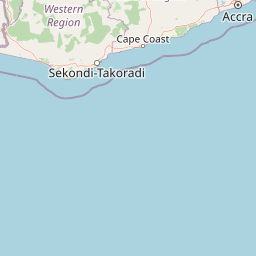
The cultural landscape surrounding Kakum National Park includes 33 villages whose residents maintain agricultural livelihoods and traditional connections to the forest land. The park's establishment at the initiative of local communities rather than government authorities represents an unusual trajectory for protected area creation in Africa, reflecting community recognition of the forest's value for both livelihoods and environmental sustainability. Within the park, the Komfo Boateng's Shrine near Aboabo represents a cultural feature, a circular rock formation approximately 100 metres in diameter with distinctive vegetation including Ceiba pathandra, Albizia furruginea, and Ricinodendron heudelotii. The region has historical connections to Ghana's coastal historical sites, with Cape Coast and Elmina located within 33 kilometres of the park, areas significant in the transatlantic slave trade and colonial periods. Local communities continue to benefit from the park through employment opportunities and tourism revenue, while the forest provides ecosystem services including water regulation and climate regulation that support agricultural productivity in the surrounding landscape.
Top sights and standout views in Kakum National Park
The canopy walkway remains Kakum's most distinctive feature, a 330-metre suspension bridge system spanning seven tree tops at 40 metres height that provides an unparalleled perspective on tropical rainforest structure and ecology. Beyond the walkway, the tree house offers an elevated camping experience 20 metres above the forest floor, enabling visitors to experience nocturnal forest life with guided night hikes revealing active wildlife including genets and leopards. The park's primate populations, particularly the endangered Diana monkey and the critically endangered ursine colobus, provide exceptional wildlife viewing opportunities for patient observers. Birdwatchers find particular value in the park's nine hornbill species and the vulnerable white-breasted guineafowl, while the presence of 600+ butterfly species demonstrates invertebrate richness. The park's community-driven conservation history offers a model for participatory natural resource management, while its status as Ghana's most protected forest demonstrates successful conservation outcomes.
Best time to visit Kakum National Park
Kakum National Park can be visited throughout the year, though the optimal period corresponds to the drier months from November to March when precipitation is reduced and trails are more easily navigable. The wet season from April to October brings heavier rainfall that can restrict some trail access and make forest exploration more challenging, though the forest remains lush and wildlife remains active. The canopy walkway operates in all seasons, and the experience of walking among the treetops offers different qualities depending on weather conditions, with clearer visibility often available during the drier months. Visitors seeking to maximize wildlife encounters may benefit from the dry season when animals congreg more visibly around water sources, though the wet season offers the advantage of fewer crowds at popular attractions. The park's visitor facilities remain operational year-round, and the availability of guides ensures meaningful experiences regardless of when visitors arrive.