

Why Koh-e-Sulaiman stands out
Koh-e-Sulaiman is best known for Takht-e-Sulaiman, the twin-peaked sacred mountain associated with Prophet Solomon in Islamic tradition and mythology. According to legend, Solomon climbed this mountain and looked out over the land of Hind before turning back. The range is also famous for the Ziarat Juniper Forest in Balochistan, which contains ancient Juniperus macropoda trees, and for its dramatic geological complexity that produces unusual seismic activity including doublet earthquakes. The mountain's cultural significance extends to Pashtun heritage, as it is believed to be the burial place of Qais Abdur Rashid, the legendary ancestor of the Pashtun nation.
Koh-e-Sulaiman history and protected-area timeline
The history of Koh-e-Sulaiman is deeply intertwined with mythology and religious tradition. The mountain's association with Prophet Solomon, from whom its name derives, dates back centuries and was documented by the famous Moroccan traveler Ibn Battuta during his 14th-century journeys through the region. According to local legend, Solomon climbed to the summit and looked out over the land of Hind, which was covered in darkness, and chose not to descend into this unknown territory, leaving only the mountain bearing his name. Another significant tradition holds that Qais Abdur Rashid, the legendary ancestor of the Pashtun people, is buried atop the peak, lending the mountain additional cultural weight as Da Kasī Ghar in Pashto. The mountains have witnessed countless historical transitions, serving as pathways for trade, migration, and conquest between Central Asia and the Indian subcontinent.
Koh-e-Sulaiman landscape and geographic character
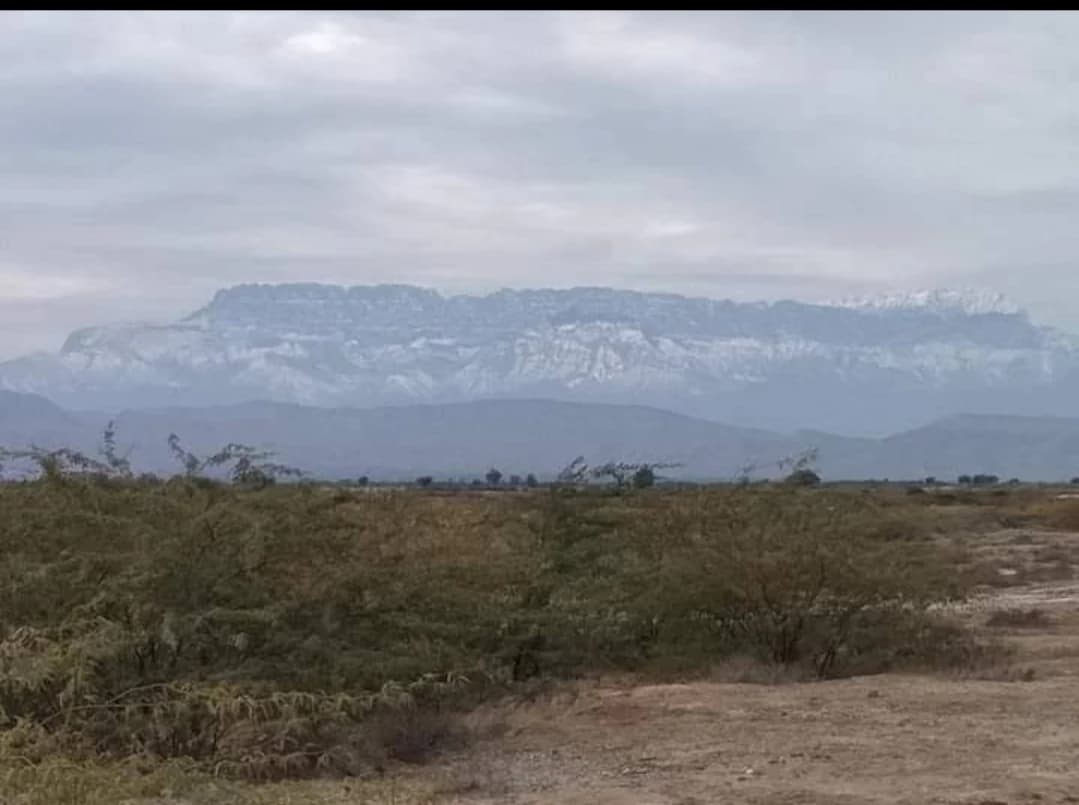
The Sulaiman Mountains present a dramatic landscape of rugged peaks, steep ridges, and deep valleys that dramatically contrast with the surrounding plains. The range features twin-peaked Takht-e-Sulaiman as its most iconic formation, rising to 3,487 meters with its distinctive throne-like silhouette visible from the surrounding lowlands. The terrain includes dramatic rock formations, cliff faces, and extensive mountain slopes that descend into the plains of Punjab and Sindh. The landscape varies considerably along the range's length, from the higher peaks near Quetta in Balochistan to the lower elevations approaching Jacobabad. The mountains are characterized by their steep eastern face dropping toward the Indus valley, while the western slopes gradually transition into the Afghan highlands and plateaus.
Koh-e-Sulaiman ecosystems, habitats, and plant life
The ecological character of the Sulaiman Mountains reflects the transition zone between the more humid subcontinental climate to the east and the arid conditions of the Afghan plateau to the west. The higher elevations support distinctive juniper forests, most notably the Ziarat Juniper Forest in Balochistan, which contains ancient specimens of Juniperus macropoda growing at elevations around 3,000 meters. These juniper forests represent some of the oldest and most ecologically significant woodlands in the region. The mountain terrain creates diverse microhabitats ranging from dry steppe on lower slopes to subalpine conditions at higher elevations. The range serves as a critical watershed, feeding rivers that flow in different directions depending on the slope aspect.
Koh-e-Sulaiman wildlife and species highlights
The wildlife of the Sulaiman Mountains includes several species adapted to the rugged terrain and varied climatic conditions. The juniper forests provide habitat for various bird species and smaller mammals, while the rocky peaks and cliff areas offer nesting sites for raptors. The surrounding plains and valleys support wildlife adapted to more arid conditions. The ecological diversity created by the mountain barrier, separating humid and arid zones, contributes to the range's significance as a transition zone for species distribution.
Koh-e-Sulaiman conservation status and protection priorities
The Sulaiman Mountains hold significant conservation value, particularly through the protected juniper forests of Ziarat in Balochistan. These juniper woodlands represent some of the last remaining old-growth forest of this type in the region and support biodiversity that is increasingly rare in the broader landscape. The geological significance of the range as a complex fold and thrust belt also contributes to scientific interest in its formation and ongoing tectonic activity. However, pressures from population growth, development, and climate change present ongoing challenges to the mountain ecosystems.
Koh-e-Sulaiman cultural meaning and human context
Koh-e-Sulaiman carries profound cultural and religious significance that extends across multiple communities and traditions. The mountain's association with Prophet Solomon has made it a site of pilgrimage and reverence for Muslims, while its connection to Qais Abdur Rashid anchors it in Pashtun identity and heritage. The Pashto name Da Kasī Ghar reflects this deep cultural resonance. The mountain has served as a natural gathering point for various peoples moving between Central Asia and the Indian subcontinent, contributing to the cultural synthesis that characterizes the border regions. Ibn Battuta's documentation of the site in the 14th century demonstrates its enduring reputation as a place of significance.
Top sights and standout views in Koh-e-Sulaiman
The Sulaiman Mountains offer several distinctive highlights that set them apart as a geographic and cultural destination. The sacred Takht-e-Sulaiman peak provides both a striking visual landmark and a site of deep religious importance, while the ancient juniper forests of Ziarat represent ecological heritage of remarkable value. The range's geological complexity, including some of the world's most intricate thrust fault structures, makes it a subject of scientific interest for understanding plate tectonics. The dramatic scenery, with steep peaks rising abruptly from the surrounding plains, creates one of the most recognizable mountain silhouettes in the region.
Best time to visit Koh-e-Sulaiman
The optimal time to visit the Sulaiman Mountains corresponds to the warmer months from April through October, when conditions are most favorable for travel and exploration. Summer months see the most visitors making pilgrimages to Takht-e-Sulaiman, though the higher elevations provide some respite from the intense heat of the lower valleys. From late November through March, snowfall makes higher elevations difficult or impossible to access, particularly for those seeking to reach the summit areas. The spring season brings blooming vegetation to the lower slopes, while autumn offers clear visibility and comfortable temperatures for trekking.