
Mori Atlas logo
National parkKumana National Park

Discover mapped boundaries and natural terrain of this significant national park.

Kumana National Park: Protected Landscape and Geographic Context in Eastern Province

Kumana National Park stands as a notable protected area within Sri Lanka's Eastern Province. This page offers an atlas-centric view, detailing the park's geographic scope and its identity as a national park. Users can explore the mapped boundaries and understand the regional landscape context, providing a foundation for structured geographic discovery and comparative analysis of protected lands.

National ParkCoastal WetlandBird MigrationRamsar SiteDry Zone ForestSri Lankan Wildlife

Kumana National Park

National park

Park overview

Structured park overview, official facts, and landscape profile for Kumana National Park

Kumana National Park park facts, protected area profile, and essential visitor context
Review the core facts for Kumana National Park, including designation, size, terrain, visitor scale, habitats, and operating context in one park-focused overview.

About Kumana National Park

Kumana National Park represents one of Sri Lanka's most ecologically significant protected areas, situated along the island's southeastern coastline in the Eastern Province. The park's strategic location adjacent to Yala National Park creates a continuous protected corridor spanning much of Sri Lanka's southern coast, forming the country's largest national park complex. The park's character is defined by its complex wetland system, comprising roughly 20 lagoons and natural tanks that support extraordinary biodiversity despite the relatively harsh dry zone conditions. The shallow lagoons, most less than two meters in depth, create ideal conditions for waterfowl and wading birds, while the surrounding dry zone thorn forest provides habitat for larger mammals. The park's ecological significance earned it Ramsar Wetland designation in 2010, recognizing its importance as a coastal wetland ecosystem of international importance. The protected area encompasses the historic Kumana Bird Sanctuary, which was declared as early as 1938 and later incorporated into the national park framework. Visitors traveling from the nearby city of Hambantota encounter a landscape of remarkable ecological diversity, where seasonal flooding creates dynamic habitats that support both resident and migratory species throughout the year.

Quick facts and research context for Kumana National Park

Kumana National Park spans 35,664 hectares along Sri Lanka's southeastern coast in the Eastern Province. The protected area was established in 1970 and was renamed from Yala East in 2006. It holds Ramsar Wetland designation since 2010. The park features approximately 20 shallow lagoons fed by the Kumbukkan Oya river, with elevations ranging from sea level to 90 meters. The mean annual temperature is 27.3°C with annual rainfall of 1,300mm. The park contains a bird sanctuary established in 1938, now incorporated within the national park boundaries. The area supports an estimated 30-40 elephants and 255 bird species. The park was closed to visitors from 1985 to 2003 due to regional conflict and suffered damage from the 2004 Indian Ocean tsunami.

Park context

Deeper park guide and search-rich context for Kumana National Park

Kumana National Park history, landscape, wildlife, and travel context
Explore Kumana National Park through its history, landscape character, ecosystems, wildlife, conservation priorities, cultural context, and seasonal travel timing in a structured park guide built for atlas discovery and search intent.

Why Kumana National Park stands out

Kumana National Park is primarily renowned as one of Sri Lanka's most important avian habitats and nesting grounds. The park's extensive wetland system, particularly the Kumana villu marsh area, becomes a temporary home to tens of thousands of migratory birds between April and July each year. These include impressive flocks of waterfowl and wading birds that travel remarkable distances, with some species such as pintail snipes migrating 9,000 to 11,000 kilometers from their Siberian breeding grounds. The park provides critical breeding habitat for rare species including the black-necked stork, lesser adjutant, Eurasian spoonbill, and great thick-knee. Beyond birds, the park is known for its elephant populations, with approximately 30-40 individuals roaming the area, and for supporting the Sri Lankan leopard within its dry forest and wetland mosaic.

Kumana National Park history and protected-area timeline

Kumana National Park's protected status evolved through several phases, beginning with the establishment of the Kumana Bird Sanctuary in 1938, making it one of Sri Lanka's earliest protected bird areas. The national park was formally established on 20 January 1970, incorporating the sanctuary within its boundaries and expanding protection to the broader wetland and forest ecosystems. The park operated under the name Yala East National Park for decades before being renamed Kumana National Park in 2006, reflecting the park's distinct identity and cultural significance. The park experienced a prolonged closure from 1985 until March 2003 due to security concerns related to the Liberation Tigers of Tamil Eelam, which prevented public access and research activities for nearly two decades. Following its reopening, the park faced additional challenges when the Boxing Day tsunami of December 2004 impacted the coastal ecosystems, though recovery efforts have since restored much of the affected habitat. The park is governed by Sri Lanka's Department of Wildlife Conservation, which manages both the national park designation and the Ramsar Wetland status. Rock inscriptions dating to the 2nd and 1st centuries BCE discovered in the region attest to the ancient human presence in the area, connecting the park to Sri Lanka's early historical civilization.

Kumana National Park landscape and geographic character

The physical geography of Kumana National Park presents a distinctive coastal wetland landscape characterized by low-lying terrain, shallow water bodies, and the intersection of terrestrial and aquatic ecosystems. The park's elevation ranges from sea level to approximately 90 meters, creating a predominantly flat terrain punctuated by subtle topographic variations. The Kumbukkan Oya river forms the southern boundary of the park, providing freshwater flow that supports the extensive lagoon system and maintains wetland hydrology. The park contains approximately 20 lagoons and tanks, most being shallow depressions with depths not exceeding two meters, creating extensive emergent wetland habitat. The Kumana villu represents a particularly significant wetland area that experiences periodic inundation with seawater during high tides, creating brackish conditions that support specialized vegetation. The surrounding landscape transitions from the wetland core into dry zone tropical thorn forest, characterized by species adapted to seasonal drought conditions. The climate is warm throughout the year with a mean annual temperature of 27.3°C and annual rainfall averaging 1,300 millimeters, placing the area firmly within Sri Lanka's dry zone ecological zone.

Kumana National Park ecosystems, habitats, and plant life

The ecological character of Kumana National Park is defined by the interaction between its extensive wetland system and the surrounding dry zone forest, creating a landscape of remarkable habitat diversity within a relatively compact area. The park's wetland habitats are surrounded by tropical thorn forest dominated by species including Manilkara hexandra locally called palu, Hemicyclea sepieria, Bauhinia racemosa, Cassia fistula known as ehela, Chloroxylon swietenia referred to as burutha, and Salvadora persica. The distinctive Kumana villu marsh is characterized by Sonneratia caseolaris as the dominant tree species, with Typha angustifolia forming extensive reed beds throughout the area. Riverine forest along the Kumbukkan Oya features Terminalia arjuna as the primary tree species, creating riparian habitat distinct from the surrounding dry forest. The aquatic environment supports colorful flowering plants including Ludwigia species, the sacred lotus Nelumbo nucifera, water lilies Nymphaea pubescens, Aponogeton species, and the floating water pea Neptunia oleracea. This plant diversity supports the extraordinary bird populations that make the park internationally significant, with the wetlands providing critical foraging and nesting habitat for both resident and migratory species.

Kumana National Park wildlife and species highlights

Kumana National Park supports extraordinary bird diversity with 255 species recorded within its boundaries, establishing it as one of Sri Lanka's most important avian habitats. The park's global significance is most pronounced during the migratory season from April to July, when tens of thousands of birds arrive at the Kumana swamp area after remarkable journeys from distant breeding grounds. Waterfowl and wading birds dominate the migratory assemblages, including species that travel 9,000 to 11,000 kilometers from Siberian breeding grounds. The park provides critical breeding habitat for several globally significant species including the black-necked stork, lesser adjutant, Eurasian spoonbill, and great thick-knee. Large flocks of common species such as Asian openbill, glossy ibis, purple heron, great egret, Indian pond heron, black-crowned night heron, intermediate egret, little egret, spot-billed pelican, Indian cormorant, little cormorant, common moorhen, watercock, purple swamphen, white-breasted waterhen, pheasant-tailed jacana, black-winged stilt, lesser whistling duck, and little grebe congregate in the wetlands during migration. Wading birds from the Scolopacidae and Charadriidae families are particularly abundant, with species including pintail snipe, Pacific golden plover, greater sand plover, lesser sand plover, grey plover, ruddy turnstone, little ringed plover, wood sandpiper, marsh sandpiper, common redshank, common sandpiper, curlew sandpiper, little stint, common snipe, and more. Mammal populations include approximately 30-40 Sri Lankan elephants, golden jackals, wild boars, European otters, and fishing cats that utilize the wetland areas for feeding. Reptiles include mugger crocodiles, Indian flap-shelled turtles, and Indian black turtles. Fish species include tilapia, mullet, and Channa species that support both ecological function and local fishing.

Kumana National Park conservation status and protection priorities

Kumana National Park carries significant conservation importance as Sri Lanka's premier coastal wetland protected area and a Ramsar Convention designated site since 2010. The park protects critical habitat for both resident biodiversity and migratory species that depend on the wetlands during their annual cycles, making it internationally important for waterbird conservation. The park's designation as a Ramsar Wetland recognizes its outstanding universal value as a coastal wetland ecosystem that provides essential ecological services including water filtration, flood regulation, and carbon storage. The park's long history as a bird sanctuary since 1938 demonstrates Sri Lanka's commitment to protecting this unique wetland system, though recent years have seen declining bird observations that concern conservationists and wildlife enthusiasts. Proposed development including a planned coastal road from Kirinda to Panama running along the park's coastline has raised significant environmental concerns about potential impacts on the sensitive wetland ecosystem and migratory bird populations. The park's inclusion within the broader Yala-Kumana protected landscape creates conservation connectivity that benefits larger mammals including elephants and leopards that require extensive home ranges.

Kumana National Park cultural meaning and human context

The Kumana National Park region contains evidence of ancient human civilization dating back to the 3rd century BCE, with rock inscriptions from the 2nd and 1st centuries BCE discovered within the park boundaries. The park lies along the traditional pilgrimage route to the sacred Hindu temple at Kataragama, one of Sri Lanka's most important religious sites, with both Tamil and Sinhalese communities participating in the annual foot pilgrimage that passes through the park area. This cultural tradition connects the natural landscape to Sri Lanka's diverse religious heritage, demonstrating how protected areas often intersect with sites of spiritual significance. The park's location in the Eastern Province places it within a region of complex cultural history where multiple communities have maintained connections to the land over millennia. The convergence of ecological importance and cultural heritage makes Kumana significant beyond its biological value, representing a landscape where natural and cultural preservation intersect.

Top sights and standout views in Kumana National Park

Kumana National Park stands as Sri Lanka's most important bird sanctuary, with the Ramsar-designated wetlands hosting spectacular migratory bird congregations from April to July. The park's 20 lagoons and the famous Kumana villu marsh create unparalleled habitat for waterfowl and wading birds, with some species traveling from Siberia. Rare breeding species including black-necked storks, lesser adjutants, and Eurasian spoonbills nest within the protected area. The park supports approximately 30-40 elephants and provides habitat for Sri Lankan leopards within its dry forest and wetland mosaic. The Kumbukkan Oya river and surrounding riverine forests add habitat diversity. Contiguity with Yala National Park creates one of Sri Lanka's largest protected wilderness areas. The park's ancient cultural heritage includes 3rd century BCE civilization evidence and lies on the pilgrimage route to Kataragama temple.

Best time to visit Kumana National Park

The optimal time to experience Kumana National Park is during the dry season from February to September, with the peak visitor season coinciding with the annual bird migration from April to July. During these months, the park receives the largest congregations of migratory waterfowl and wading birds, creating exceptional wildlife viewing opportunities as tens of thousands of birds populate the lagoons and marsh areas. The dry season conditions also make wildlife more concentrated around water sources, improving sighting opportunities for elephants and other mammals. The period immediately after the northeast monsoon rains, from December to February, offers pleasant weather and relatively lower visitor numbers. The park was historically closed during the southwest monsoon months, though current access policies should be confirmed with the Department of Wildlife Conservation before planning visits. The hot season from March to May can bring challenging temperatures, while the monsoon months from October to November may limit access due to wetland flooding.

Park location guide

Geography guide, regional context, and park location map for Kumana National Park

Kumana National Park park geography, regions, and map view in Sri Lanka
Understand where Kumana National Park sits in Sri Lanka through a broader geographic reading of the surrounding landscape, nearby location context, and its mapped position within the national park landscape.

How Kumana National Park fits into Sri Lanka

Sri Lanka is a tropical island nation in South Asia with a recorded history spanning over 3,000 years. Formerly known as Ceylon, it became independent in 1948 and adopted its current constitutional name in 1972. The country features diverse geography ranging from coastal plains to mountainous highlands and maintains a population exceeding 22 million.

Wider geography shaping Kumana National Park in Sri Lanka

Sri Lanka is an island nation in the Indian Ocean, positioned southwest of the Bay of Bengal. It is separated from India by the Gulf of Mannar and Palk Strait to the northwest. The island has a pear-like shape with diverse terrain including coastal plains, central highlands, and river valleys.

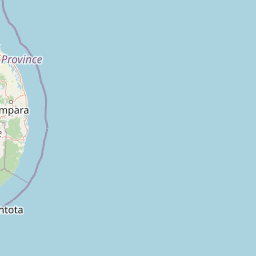
Map view of Kumana National Park

Use this park location map to pinpoint Kumana National Park in Sri Lanka, understand its exact geographic position, and read its mapped placement within the surrounding landscape more clearly.

Pigeon | © OpenStreetMap contributors

Location context for Kumana National Park

Eastern Province
Park atlas

Map the geographic context of Sri Lanka's southeastern coast, comparing Kumana's wetlands with adjacent protected areas.

Explore Nearby National Parks, Protected Areas, and Landscapes Surrounding Kumana National Park
Explore a curated selection of national parks and protected areas geographically adjacent to Kumana National Park, revealing Sri Lanka's diverse conservation landscapes beyond its famed wetlands. This geographic overview helps you compare ecological features, trace regional protected-area patterns, and plan further atlas discovery of the island's natural heritage.
National parkSouthern Province

Yala National Park: National Park Protected Landscape and Geographic Exploration

Mapped boundaries and regional context in Southern Province

Investigate Yala National Park, a protected national park situated in the Southern Province of Sri Lanka. This entry focuses on its geographic identity, detailing mapped boundaries and the surrounding landscape context crucial for atlas-based exploration and understanding protected area distributions. Gain insight into the park's role as a significant natural landmark.

Area
978.807 km²
Established
1938
IUCN
II
Visitors
400K annual
National parkEastern Province

Lahugala Kitulana National Park: Eastern Province National Park Protected Landscape Discovery

Explore mapped boundaries and regional geography.

Lahugala Kitulana National Park is a key protected area, designated as a national park within Sri Lanka's Eastern Province. This content focuses on its geographic identity, including mapped park boundaries and its regional landscape context. Gain a structured understanding of this protected natural land for atlas-based exploration, highlighting its geographical significance and protected status.

Area
15.54 km²
Established
1980
IUCN
II
Relief
Lowland
National parkSri Lanka

Lunugamvehera National Park: Sri Lanka's Protected Area Mapping and Geographic Identity

Mapped terrain and national park boundaries in Sri Lanka.

Lunugamvehera National Park is a dedicated national park situated in Sri Lanka. This entry facilitates a focused exploration of its protected landscape, offering insight into its mapped geography and position within the country's conservation network. Understand the park's role and its physical characteristics through detailed geographic and atlas-oriented information.

Area
234.988 km²
Established
1995
IUCN
II
Relief
Lowland
National parkUva Province

Gal Oya National Park: Protected Landscape and Reservoir Geography in Uva Province

Explore savannah grasslands, elephant populations, and mapped terrain.

Gal Oya National Park presents a unique protected landscape within Uva Province, Sri Lanka. This national park is defined by its broad savannah grasslands, known as thalawa, interspersed with forested hills and the vast Senanayake Samudraya reservoir. Its varied topography, from lowlands to mountain peaks, offers a rich canvas for geographic exploration and understanding protected-area dynamics. The park's consistent visibility of elephant populations across these diverse terrains makes it a key site for wildlife observation within Sri Lanka's atlas of natural heritage.

Area
259 km²
Established
1954
IUCN
II
Relief
Mountain
National parkSri Lanka

Udawalawe National Park: National Park Protected Landscape and Geographic Atlas

Explore Sri Lanka's mapped natural terrain and park boundaries.

Gain a comprehensive atlas-level understanding of Udawalawe National Park, a key protected landscape in Sri Lanka. This entry focuses on the park's distinct geographic identity, its mapped boundaries, and its significance as a protected area within the island's diverse natural terrain. Explore how this national park contributes to the regional geography and provides structured insights for landscape discovery.

Area
308.21 km²
Established
1972
IUCN
II
Visitors
188.4K annual
Watercolor illustration of a landscape with green hills, grassy foreground, and pink sky
National parkSri Lanka

Ussangoda National Park: Sri Lanka's National Park and Protected Landscape Atlas Entry

Mapped protected boundaries and regional geographic context.

Ussangoda National Park represents a vital component of Sri Lanka's protected natural areas, offering unique insights into its landscape and geography. This atlas entry focuses on the park's identity as a national park, providing a detailed view of its mapped boundaries and its specific location within the island's diverse geography. Understand the protected land context and the unique characteristics that define Ussangoda National Park for focused geographic discovery.

Area
3.49 km²
Established
2010
IUCN
II
Relief
Upland
National parkCentral Province

Horton Plains National Park: A Protected Landscape within Sri Lanka's Central Province

Explore its mapped geographic boundaries and park identity.

Delve into the geographic specifics of Horton Plains National Park, a designated national park located in the Central Province of Sri Lanka. This entry provides detailed insights into its protected area status, mapped landscape features, and regional geographic context. Understand how this park contributes to the atlas of protected lands and offers a distinct point for landscape exploration.

Area
31.6 km²
Established
1988
IUCN
II
Relief
Mountain
National parkCentral Province

Galways Land National Park: A Protected Landscape within Central Province, Sri Lanka

Explore the mapped geography and protected area context of this national park.

Galways Land National Park is a designated national park within the Central Province of Sri Lanka, offering a distinct focus for geographic exploration. This entry provides specific details on its protected landscape characteristics and its place within the regional atlas. Users can examine the mapped boundaries and understand the natural terrain that defines this conservation area. Discover the unique geographic identity of Galways Land National Park and its contribution to the protected areas network.

Area
0.27 km²
Established
2006
IUCN
II
Relief
Mountain

Common questions about visiting, size, designation, and location context for Kumana National Park

Kumana National Park FAQs for park facts, access, geography, and protected area context
Find quick answers about Kumana National Park, including protected-area facts, park geography, trail and visitor context, and how the park fits into its surrounding country and regional landscape.
MoriAtlas Explorer

Continue Your Protected Areas Search Across the Global Atlas

Deepen your exploration by continuing the structured search for national parks and protected areas worldwide. Utilize the comprehensive filtering capabilities to compare different conservation landscapes and refine your understanding of global park geography. Discover more about the distribution and characteristics of protected natural areas.

Global natural geography