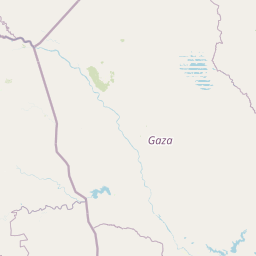
Why Limpopo National Park stands out
Limpopo National Park is best known as a critical component of Africa's largest transfrontier conservation area, facilitating wildlife movement across international borders. The park is recognized for its role in restocking conservation areas through animal translocations from Kruger National Park, and for its developing tourism infrastructure including tented camps and wilderness trails. It provides habitat for significant populations of elephant, lion, leopard, rhinoceros, and African buffalo within Mozambique's protected area network.
Limpopo National Park history and protected-area timeline
The history of Limpopo National Park begins with its former identity as Coutada 16, a Wildlife Utilisation Area in Gaza Province that served as a hunting concession. In 2001, the status of this area was formally changed from a hunting concession to a protected national park, marking a pivotal shift in Mozambique's conservation philosophy. The transformation was supported by international development assistance, notably a substantial R42 million donation from Germany that funded fencing and anti-poaching units essential for establishing effective protection. Animal translocation operations began in 2001, with large numbers of wildlife being moved from the Kruger National Park to populate the new park and establish viable conservation populations. Development of tourism infrastructure commenced in 2005 with the opening of facilities including the Machampane tented camp, wilderness trails, and campsites. The Giriyondo Border Post between South Africa and Mozambique began construction in 2004, facilitating cross-border access for visitors. Phase two development began in 2008, focusing on expanding concessions in the Boala, Madonse, and Massingir areas.
Limpopo National Park landscape and geographic character
The landscape of Limpopo National Park is characterized by diverse terrain typical of southern African savanna ecosystems. The park occupies portions of three districts in Gaza Province, with the terrain ranging from flat plains to gently undulating hills. The Limpopo River forms the park's northern boundary, creating an important riparian corridor that supports distinct vegetation communities and provides water resources for wildlife. In the southern portion, the Massingir Dam creates a significant wetland environment that attracts waterfowl and provides habitat for hippos and crocodiles. The vegetation is predominantly savanna woodland, with mopane and acacia species dominating the tree layer. The park lies at relatively low elevation for the region, with the landscape supporting both woodland and more open grass-dominated areas that provide ideal habitat for large herbivores.
Limpopo National Park ecosystems, habitats, and plant life
Limpopo National Park supports a range of ecological communities characteristic of the southern African savanna biome. The park's position within the Great Limpopo Transfrontier Park places it within one of Africa's most significant wildlife ecosystems, supporting populations of large mammals that migrate seasonally across international boundaries. The riparian woodlands along the Limpopo River provide important habitat for forest species and create ecological gradients between riverine and savanna communities. The Massingir Dam creates an artificial wetland habitat that supports aquatic biodiversity and attracts bird species associated with water environments. The park's designation as a transfrontier conservation area facilitates ecological processes including seasonal animal movements that maintain genetic exchange between populations across the greater ecosystem.
Limpopo National Park wildlife and species highlights
Limpopo National Park is home to a diverse assembly of mammalian species typical of southern African savanna ecosystems. Large predators include lion, leopard, and spotted hyena, while the park supports significant populations of herbivores including African elephant, Cape buffalo, blue wildebeest, greater kudu, giraffe, zebra, and oribi. The park is known for populations of African wild dog, an endangered canid species that thrives in the open savanna environments. Hippopotamus are present in the river and dam environments, while rhinoceros represent a priority conservation species in the park's restoration efforts. Smaller mammals include various mongoose species, and the park's diverse habitats support assemblages of reptiles, insects, and birdlife that complement the larger mammals.
Limpopo National Park conservation status and protection priorities
Limpopo National Park holds significant conservation importance as a cornerstone of Mozambique's participation in the Great Limpopo Transfrontier Park initiative. The park's establishment created essential wildlife corridors connecting protected areas across three countries, facilitating natural ecological processes that require large contiguous habitats. The translocation of wildlife from Kruger National Park has accelerated the recovery of conservation populations in the park, supporting the reestablishment of species that had been depleted during earlier periods of uncontrolled hunting. The park's zoning system reflects modern conservation thinking, with wilderness zones preserving relatively intact ecosystems while tourist zones support sustainable visitation that generates revenue for ongoing protection. International support for anti-poaching infrastructure demonstrates the collaborative approach to addressing threats that affect transfrontier ecosystems.
Limpopo National Park cultural meaning and human context
Limpopo National Park exists within a region of Gaza Province that includes rural communities with traditional connections to the land. The park's establishment required consideration of local land use patterns and community interests that previously utilized the area for livestock grazing and other activities. The management zoning includes a resource utilization zone that acknowledges continuing local use of natural resources in designated areas. The park's development as a tourism destination creates opportunities for local employment and economic benefit that can support community conservation buy-in. The transfrontier nature of the greater park also involves communal lands in Zimbabwe and the Makuleke region in South Africa, representing diverse community contexts across the international boundary.
Top sights and standout views in Limpopo National Park
The Great Limpopo Transfrontier Park connection makes Limpopo National Park a unique destination for visitors seeking to experience wildlife across multiple countries from a single base. The Machampane tented camp and wilderness trail provide immersive safari experiences in a park that remains less visited than its South African neighbor, offering a more remote and wilderness-oriented atmosphere. The Massingir Dam area creates opportunities for boat-based wildlife viewing and birdwatching in a distinct wetland environment. The park's developing tourism infrastructure represents ongoing investment in conservation-compatible development that will expand visitor options while maintaining the park's wilderness character.
Best time to visit Limpopo National Park
The optimal time to visit Limpopo National Park corresponds with the dry winter months from May to September, when reduced vegetation provides better wildlife viewing opportunities and animals concentrate around remaining water sources. The cooler temperatures during these months make outdoor activities more comfortable for visitors. The wet summer months from October to April bring lush vegetation and newborn animals but can make wildlife spotting more challenging and some roads may become difficult to navigate. Birdwatching is particularly rewarding during the wet season when migratory species arrive and resident birds are more active. The shoulder seasons of April and October offer a balance between good wildlife viewing conditions and fewer visitors.