Why Marpa National Park stands out
Marpa National Park is best known for its role as a critical coastal bird habitat, supporting populations of the vulnerable beach stone-curlew, the declining eastern curlew and the specialized sooty oystercatcher. The islands also serve as important nesting sites for green turtles, with fringing coral reefs and seagrass meadows in surrounding waters completing a rich marine ecosystem. The park's restricted access status reflects its dual significance as both an ecological refuge and a place of deep cultural importance to the Lama Lama traditional owners, representing one of Queensland's examples of jointly managed indigenous protected areas.
Marpa National Park history and protected-area timeline
Marpa National Park was established in 1989 under the name Cliff Islands National Park, reflecting a colonial naming convention that often failed to recognize indigenous place names and associations. The park's creation represented early efforts to protect the significant bird habitats and turtle nesting sites found on these small coastal islands. In the late 2000s, the Queensland government undertook a systematic process of renaming parks on Cape York Peninsula to reflect traditional indigenous names as part of broader indigenous recognition initiatives. The renaming to Marpa, using the traditional Lama Lama name for the islands, occurred under the Cape York Peninsula Heritage Act 2007, which also established frameworks for joint management between traditional owner groups and state conservation agencies. This transition reflected a growing acknowledgment that effective conservation in Cape York requires meaningful partnership with the Lama Lama people and other Indigenous landowners who have maintained connections to these landscapes over thousands of years. The park's restricted access designation emerged from this collaborative management approach, recognizing that protecting cultural resources requires limiting public access to sensitive areas.
Marpa National Park landscape and geographic character
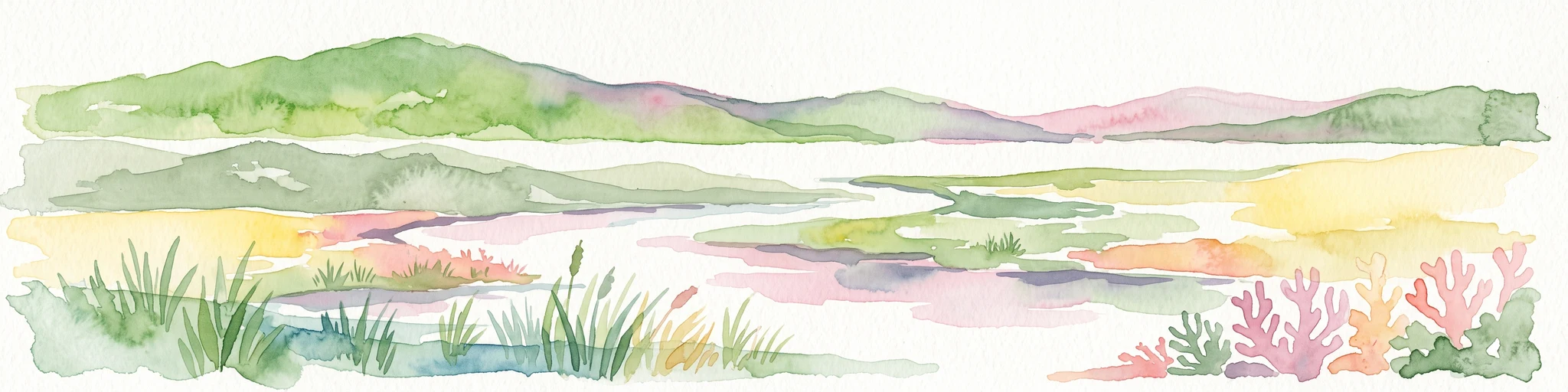
The Marpa islands consist of three small sandstone formations rising from the waters of Princess Charlotte Bay, each with distinctive positioning and character. Ronganhu occupies the northern position, Errewerrpinha lies to the west and Olilu anchors the southern extent of the park. The islands feature the characteristic sandstone geology found throughout parts of Cape York Peninsula, with relatively low elevation profiles that support beach and dune habitats along their shorelines. The surrounding marine environment includes fringing reefs that develop around the island margins and extensive seagrass beds in the shallower bay waters, creating a productive coastal ecosystem. The islands remain in pristine condition, their isolation and protected status having preserved natural processes that have been modified on many other coastal islands. Beach stone-curlew habitat exists on the sandy shores while the underlying sandstone supports the island vegetation communities.
Marpa National Park ecosystems, habitats, and plant life
The nature of Marpa National Park centers on its function as a coastal island ecosystem supporting both terrestrial and marine biodiversity within a relatively small footprint. The islands provide essential habitat for several bird species of conservation concern, with the beach stone-curlew particularly associated with the sandy beach environments that the islands offer in good supply. The eastern curlew, a species that has shown significant population declines across its range, uses the island shores as feeding and resting habitat during migration. The sooty oystercatcher maintains specialized populations on Australian coastlines, and the Marpa islands provide suitable habitat for this distinctive shorebird. Beyond these signature species, the islands support predatory birds including the white-bellied sea-eagle, peregrine falcon and eastern osprey, each playing roles in the island ecosystem as apex predators. The surrounding waters contain fringing reef systems and seagrass meadows that support marine life and connect the terrestrial island environment to the broader Great Barrier Reef Marine Park. Green turtles nest on the island beaches, with the protected status helping to ensure these nesting sites remain secure.
Marpa National Park wildlife and species highlights
Marpa National Park's wildlife significance centers on its role as a coastal bird sanctuary and sea turtle nesting ground within a relatively small island complex. The beach stone-curlew stands as one of the most characteristic species of the park, favoring the undisturbed sandy beaches that the three islands provide in abundance. This species, listed as vulnerable in some Australian contexts, finds suitable habitat in the protected island environments where human disturbance is minimized. The eastern curlew, one of the larger shorebird species found in Australia and now recognized as facing population pressures, utilizes the islands as part of its coastal migration route. The sooty oystercatcher, with its distinctive dark plumage and bright red bill, remains a characteristic species of rocky and sandy coastlines, with the Marpa islands supporting populations of this specialized bird. The white-bellied sea-eagle, peregrine falcon and eastern osprey represent the raptor community associated with the islands, each preying on smaller birds and contributing to the ecological dynamics of the site. In the marine environment surrounding the islands, green turtles utilize the beaches for nesting, with fringing reefs providing foraging habitat and seagrass beds offering additional resources.
Marpa National Park conservation status and protection priorities
Marpa National Park embodies conservation values that extend beyond its small physical footprint, representing both ecological protection and indigenous cultural preservation. The restricted access designation applied to the park reflects a conservation approach that prioritizes protection of cultural resources alongside natural values, recognizing that for the Lama Lama traditional owners, these islands hold significance beyond their biological components. The park's inclusion within the Great Barrier Reef Marine Park connects its conservation mandate to one of the world's most recognized marine protected areas, creating an integrated approach to coastal and marine conservation across the Princess Charlotte Bay region. The joint management framework established under the Cape York Peninsula Heritage Act 2007 demonstrates how conservation outcomes can be enhanced through partnership with Indigenous landholders, with the Lama Lama people participating in decisions about how their traditional country is managed. Maintaining the islands in pristine condition represents an ongoing conservation success, with the restricted access helping to prevent the degradation that has affected many other coastal island environments.
Marpa National Park cultural meaning and human context
Marpa National Park holds deep cultural significance for the Lama Lama people, the traditional owners whose connection to these islands extends across thousands of years of continuous indigenous heritage. The park's restricted access status exists specifically to protect the cultural resources of significance to the Lama Lama community, reflecting a management approach that recognizes Indigenous people as partners in conservation rather than simply stakeholders to be consulted. The renaming from Cliff Islands National Park to Marpa, using the traditional name for the islands, represented a meaningful recognition of indigenous heritage within the Queensland protected area system. This occurred as part of broader reforms under the Cape York Peninsula Heritage Act 2007, which established frameworks for joint management of protected areas on Cape York between Aboriginal land trusts and the state government. The Lama Lama people's association with these islands encompasses both spiritual and practical dimensions, with coastal island environments having supported traditional uses and practices over many generations. This cultural context is inseparable from the park's ecological values, with the conservation framework explicitly protecting both natural and cultural heritage.
Top sights and standout views in Marpa National Park
Marpa National Park stands out as a small island sanctuary with remarkable ecological and cultural values concentrated in a compact footprint. The three islands of Ronganhu, Errewerrpinha and Olilu support some of the most intact coastal bird habitat in Far North Queensland, with the beach stone-curlew, eastern curlew and sooty oystercatcher among the signature species. The green turtle nesting population adds marine reptile significance to the park's biodiversity values. The park's status as a jointly managed indigenous protected area, with the Lama Lama people as traditional owners, represents an important model for conservation partnerships in northern Australia. The pristine condition of the islands, maintained through restricted access, provides a reference point for understanding how coastal island ecosystems function in the absence of significant human disturbance. The connection to the Great Barrier Reef Marine Park through the surrounding marine environment extends the park's conservation significance beyond its terrestrial boundaries.
Best time to visit Marpa National Park
As a restricted access area with no visitor facilities, Marpa National Park is not intended for general visitation, and potential access would need to be arranged through the Queensland Parks and Wildlife Service in consultation with traditional owners. The park's primary function as a cultural and ecological sanctuary means that visits are limited to specific purposes rather than general tourism. The bird species that define the park's ecological significance are present year-round, though seasonal variations in bird activity and turtle nesting might influence any authorized visits. The marine environment surrounding the islands is influenced by the tropical climate of Cape York Peninsula, with the dry season typically offering more stable conditions for marine activities.