Why Minneriya National Park stands out
Minneriya National Park is internationally renowned for its spectacular elephant gathering, one of the largest assemblies of Asian elephants in the world. During the dry season, between 150 and 700 elephants migrate from Wasgamuwa National Park to congregate on the grass fields surrounding Minneriya tank, drawn by the availability of food and water. This extraordinary phenomenon makes Minneriya a premier destination for wildlife tourism in Sri Lanka, with visitors traveling specifically to witness the herds that congregate near the reservoir's edges. Beyond elephants, the park is also recognized as an Important Bird Area, supporting significant populations of both resident and migratory bird species.
Minneriya National Park history and protected-area timeline
The area that now comprises Minneriya National Park has a long history of wildlife protection, originally declared as a wildlife sanctuary in 1938. The formal designation as a national park came on August 12, 1997, elevating the protection status and consolidating management under the Department of Wildlife Conservation. The creation of the national park was driven by the need to protect the catchment area of Minneriya tank, which holds both ecological and historical significance as an ancient irrigation structure built by King Mahasen in the third century AD. The park was subsequently incorporated into the Minneriya-Giritale Nature Reserve, a protected complex declared in multiple stages from 1988 to 1997. This expansion reflected growing recognition of the area's ecological importance and the need to protect wildlife corridors connecting Minneriya to adjacent protected areas.
Minneriya National Park landscape and geographic character
The terrain of Minneriya National Park reflects the character of Sri Lanka's dry zone, dominated by flat to gently rolling landscapes surrounding the central reservoir. The park encompasses diverse habitats including low-canopy montane forests, secondary forests with higher canopy, scrublands, grasslands, rocky outcrops, and wetland areas. The Minneriya tank serves as the ecological heart of the park, with its water levels fluctuating seasonally and creating different habitats throughout the year. Abandoned agricultural lands, particularly former chena (shifting cultivation) areas, have been recolonized by secondary vegetation. The main water sources for the tank include a diversion of the Amban River and the Elahera canal, which sustain the reservoir's water levels even during dry periods. The landscape's openness, particularly during the dry season, provides excellent opportunities for wildlife observation as animals congregate around remaining water sources.
Minneriya National Park ecosystems, habitats, and plant life
The ecological character of Minneriya is defined by its position in Sri Lanka's dry zone and the presence of Minneriya tank, which creates a permanent water source around which biodiversity concentrates. The park supports multiple habitat types, from forest areas dominated by species like Chloroxylon swietenia, Vitex altissima, Berrya cordifolia, Diospyros quaesita, and Drypetes sepiaria, to more open areas with Terminalia arjuna, Manilkara hexandra, neem, and sacred fig. The reservoir supports wetland vegetation, while abandoned cultivation areas have been colonized by species like Randia dumetorum, crotons, and Calotropis gigantea. Plantation areas contain introduced eucalyptus and teak, established by the Department of Forest Conservation. The grass species Imperata cylindrica and Panicum maximum dominate open areas, providing important forage for herbivores. The park's biodiversity includes 24 mammal species, 160 bird species, 9 amphibian species, 25 reptile species, 26 fish species, and 75 butterfly species.
Minneriya National Park wildlife and species highlights
Minneriya National Park supports exceptional wildlife diversity, most famously exemplified by its large elephant population. The park serves as a critical dry-season refuge for Sri Lankan elephants, with herds numbering between 150 and 700 individuals gathering to feed on grass fields surrounding the reservoir. These elephants migrate from Wasgamuwa National Park and benefit from the food and shelter the park's forests provide. The park supports two endemic primate species: the purple-faced langur and the toque macaque. Large herbivores including Sri Lankan sambar deer and Sri Lankan axis deer are commonly observed. Rare and endangered species such as the Sri Lankan leopard and Sri Lankan sloth bear inhabit the park, along with the gray slender loris. The reservoir attracts significant water bird populations including lesser adjutant, painted stork, spot-billed pelican, and flocks of little cormorants reaching 2,000 individuals. Endemic birds include Sri Lanka junglefowl, Sri Lanka hanging parrot, brown-capped babbler, Sri Lanka grey hornbill, black-crested bulbul, and crimson-fronted barbet. The reptile population includes saltwater crocodile, Indian python, Asian water monitor, and Bengal monitor, while four freshwater fish species are endemic to Sri Lanka.
Minneriya National Park conservation status and protection priorities
Minneriya National Park faces several conservation challenges despite its protected status. The primary threat to the park's forest is clearance for firewood collection, which has resulted in decreased water levels in the reservoir. Additional anthropogenic pressures include water pollution from bathing activities, agricultural encroachment, illegal farming practices, overfishing, and poaching. The spread of invasive Lantana camara poses a significant natural threat to native vegetation. The park is included in the Minneriya-Giritale Nature Reserve, a broader protected complex established through staged declarations from 1988 to 1997. Conservation measures proposed include habitat restoration and removal of livestock from the area. The park's designation as an Important Bird Area reflects its significance for bird conservation, with 11 threatened bird species recorded within its boundaries. All eight endemic reptile species found in the park are considered threatened, highlighting the conservation importance of this area.
Minneriya National Park cultural meaning and human context
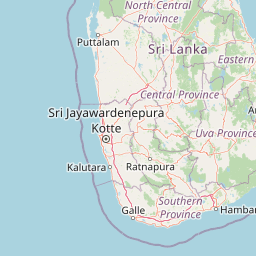
Minneriya National Park is situated in the North Central Province of Sri Lanka, a region with profound historical significance. The park's focal point, Minneriya tank, was constructed by King Mahasen in the third century AD as part of ancient irrigation systems that transformed the dry zone into productive agricultural land. This historical reservoir remains functional and continues to support the ecosystem and local communities. The nearest major city, Polonnaruwa, was the medieval capital of Sri Lanka and contains numerous archaeological remnants of the island's royal history. The relationship between the park's wildlife and local communities has sometimes produced conflicts, as evidenced by reports of elephants becoming more aggressive toward humans following negative encounters, including vehicle collisions.
Top sights and standout views in Minneriya National Park
The extraordinary elephant gathering at Minneriya tank stands as the park's signature attraction, drawing visitors from around the world to witness what is arguably the largest concentration of Asian elephants in any protected area. The reservoir itself, dating to the 3rd century AD, connects contemporary conservation with Sri Lanka's ancient engineering heritage. The park's birdlife is exceptional, with the reservoir supporting major waterbird congregations and the surrounding forests harboring endemic species. The diversity of habitats, from forest to grassland to wetland, creates a compressed ecological experience that allows visitors to encounter multiple ecosystem types within a single visit. The park's role in the Minneriya-Giritale Nature Reserve connects it to a broader conservation landscape that includes Kaudulla National Park.
Best time to visit Minneriya National Park
The optimal time to visit Minneriya National Park is during the dry season from May to September, when wildlife concentrates around the reservoir and the famous elephant gathering reaches its peak. During this period, the grass fields on the edges of Minneriya tank attract large herds of elephants, with numbers sometimes reaching 700 individuals. The dry season conditions make wildlife more visible as animals gather at remaining water sources, and the reduced vegetation provides clearer sightlines for photography. The wet season from October to January brings the northeast monsoon, transforming the landscape with fresh vegetation and filling the reservoir, though wildlife becomes more dispersed across the expanded park area. Visitors seeking the signature elephant experience should plan their trip during the dry months, particularly July through September, when the gathering is most spectacular.