Why Mu Ko Chumphon National Park stands out
Mu Ko Chumphon is best known for its archipelago character, where dozens of islands dot the Gulf of Thailand with beaches, reefs, and forested hillsides. The park is particularly recognized for its coral reef ecosystems, which attract snorkelers and scuba divers to colorful underwater environments. The presence of swiftlet-nesting islands, where these birds produce nests harvested for birds nest soup, adds a distinctive cultural and economic dimension uncommon among Thailand's other island parks. The combination of accessible beach environments on multiple islands, clear marine waters, and the rarity of tropical rainforest growing directly on island terrain gives the park a particular identity within the Gulf of Thailand's protected areas.
Mu Ko Chumphon National Park history and protected-area timeline
Mu Ko Chumphon National Park was officially established in 1999 by Thailand's Royal Forest Department, marking its transition from an earlier protected status under the name Had Sai Ree to full national park designation. The renaming to Mu Ko Chumphon reflected the park's identity as an archipelago, with mu ko translating to group of islands in Thai, and Chumphon indicating the province within which the protected area lies. The establishment of national park status provided formal protection for both the terrestrial forests covering the islands' slopes and the surrounding marine environments including coral reefs and seabed. Prior to national park designation, the islands and their resources existed under less formalized protection, and the change in status strengthened regulatory frameworks for resource management and visitor use. The park's relatively recent establishment compared to many older Thai national parks means its management history is more contemporary, with systems developed during an era when marine conservation and sustainable tourism planning received increased attention.
Mu Ko Chumphon National Park landscape and geographic character
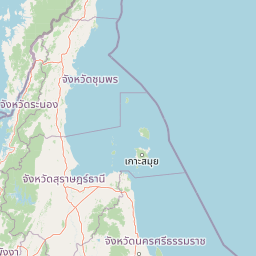
The landscape of Mu Ko Chumphon National Park is defined by its archipelagic character, with nearly 40 islands scattered across the Gulf of Thailand's shallow coastal waters. The larger islands feature central hillsides that rise from the coastline, with tropical rainforest covering the slopes and ridges. These hillsides create a backdrop of green when viewed from the sea, distinguishing the islands from flat coastal formations. Beach environments line much of the islands' perimeters, featuring white sand that meets clear, typically turquoise water. The transition from beach to underwater is often gradual in many areas, with reef formations beginning close to shore. Some beaches stretch for considerable distances along island coastlines, particularly on the larger islands. The marine environment includes both reef-covered sections and open sandy bottoms, with water clarity varying seasonally but generally supporting good visibility for underwater viewing. Island coastlines range from gentle curved bays to more irregular outlines with rocky protrusions. The overall effect is a classic tropical island cluster with the combination of forested highlands and beach-ringed shores.
Mu Ko Chumphon National Park ecosystems, habitats, and plant life
The nature of Mu Ko Chumphon centers on the interaction between tropical rainforest ecosystems on the islands' terrestrial areas and the marine ecosystems surrounding them. The island forests represent a distinctive habitat type within this coastal region, existing only on the higher ground and larger islands where moisture conditions and soil development support tropical rainforest rather than the more common coastal scrub or grassland. These forests contain diverse tree species adapted to the island environment, with canopy layers providing structure and habitat for forest-dwelling species. The marine environment features coral reef communities that rank among the most biodiverse within the Gulf of Thailand. Coral formations include various branching, plate, and massive coral types that create three-dimensional reef structure supporting fish populations and other marine invertebrates. Seagrass beds occur in some shallow protected bays, adding to the marine habitat complexity. The combination of protected island forests and accessible reef environments makes this park a place where terrestrial and marine ecology can be experienced in close proximity.
Mu Ko Chumphon National Park wildlife and species highlights
The wildlife of Mu Ko Chumphon National Park reflects both its island forest habitats and the surrounding marine environment. Island forests provide shelter for various bird species, including both resident forest birds and migratory species that use the islands as seasonal habitat. The swiftlet colonies on two specific islands represent a particularly significant wildlife feature, as these birds nest in cave systems and produce the material collected for birds nest soup. These swiftlets are cave-dwelling species that roost and nest in the dark recesses of island formations, emerging to feed on insects in the surrounding air space. Marine wildlife centers on the reef fish communities, with numerous species of reef fishes present in the coral areas. Larger fish including barracuda and grouper sometimes patrol reef edges, while smaller fishes occupy the complex reef structure. Invertebrates including various shrimp species, crabs, and mollusks inhabit both reef and sandy bottom environments. Marine turtles occasionally visit the islands' beaches and reef areas, though sightings are not guaranteed.
Mu Ko Chumphon National Park conservation status and protection priorities
Mu Ko Chumphon National Park serves as a protected framework for both the island forests and the surrounding marine environment of this archipelago. The conservation significance derives from the rarity of tropical rainforest growing directly on island terrain in this coastal zone, representing a habitat type that exists only where elevation and island size create suitable conditions. The coral reef systems receive protection as part of the national park designation, with management aiming to balance sustainable tourism access with habitat preservation. The swiftlet colonies on two islands represent a conservation concern related to nest harvesting, where management protocols regulate collection to maintain viable bird populations. Overall, the park protects a representative sample of Gulf of Thailand island ecosystems that face pressure from coastal development and tourism expansion across the broader region. The national park status provides regulatory tools for managing development, anchoring activities, and visitor impacts that would otherwise be absent.
Mu Ko Chumphon National Park cultural meaning and human context
The cultural context of Mu Ko Chumphon National Park includes the practice of swiftlet nest harvesting, which has historical roots in Thai and broader Southeast Asian tradition. The nests, composed primarily of the birds' salivary secretions, are collected from cave systems on two islands within the park and processed for birds nest soup, a valued delicacy in Chinese-influenced cuisine across the region. This harvest represents a cultural and economic activity that predates and continues alongside the national park designation, requiring management approaches that accommodate both traditional practice and conservation objectives. The islands lie within Chumphon Province, which has its own regional identity influenced by coastal maritime history and the transition between central and southern Thai cultural zones. The park's establishment as a protected area reflects broader Thai environmental policy that emerged in the late twentieth century, with national parks becoming the primary framework for protecting natural areas starting in the 1960s and expanding significantly through subsequent decades.
Top sights and standout views in Mu Ko Chumphon National Park
The highlights of Mu Ko Chumphon National Park include the opportunity to visit multiple islands within a single protected area, each offering distinct beach settings and reef access. The coral reef diving and snorkeling ranks among the park's strongest draw, with colorful underwater environments accessible from island beaches. The tropical rainforest covering the islands' slopes provides a visual contrast to the beach and marine environments, creating a classic tropical island appearance. Swiftlet nest harvesting on two islands represents a distinctive cultural feature uncommon in other Thai national parks. The park's location in the Gulf of Thailand means relatively easy access from the mainland coast, with boat services connecting the island clusters. The combination of forest, beach, and reef environments within a compact archipelago allows visitors to experience multiple ecosystems in a single trip.
Best time to visit Mu Ko Chumphon National Park
The best time to visit Mu Ko Chumphon National Park coincides with Thailand's dry season, typically running from November through April, when rainfall is minimal and marine visibility tends to be optimal for snorkeling and diving activities. The monsoon season from May through October brings increased rainfall and rougher sea conditions that can affect boat access between islands and reduce underwater visibility. However, the green forest cover during the wet season maintains a lush appearance, and fewer visitors during this period may appeal to those seeking a quieter experience. Water temperature remains warm throughout the year, suitable for swimming and water activities in all seasons. The transition months of May and November represent periods of change, with conditions variable between the more stable dry and wet season patterns.