

Mori Atlas logo
Nature reserveNafud al-'Urayq Natural Reserve

Discover the mapped boundaries and arid terrain of this significant nature reserve.

Nafud al-'Urayq Natural Reserve: Saudi Arabia's Protected Desert Landscape and Geography

Nafud al-'Urayq Natural Reserve represents a crucial protected area in Saudi Arabia's Najd region, covering approximately 2,036 square kilometers of arid desert terrain. Established in 1995, this nature reserve offers a unique perspective on the Kingdom's vast desert ecosystems, characterized by sandy plains, stabilized dunes, and sparse yet vital vegetation communities like Haloxylon salicornicum and Calligonum. Its designation as a protected landscape highlights Saudi Arabia's commitment to conserving its natural heritage and provides a focal point for understanding the region's geography and ecological significance.

Desert ecosystemsProtected areaSaudi ArabiaNajd regionNature reserveWildlife habitat

Nafud al-'Urayq Natural Reserve

Nature reserve

Park overview

Structured park overview, official facts, and landscape profile for Nafud al-'Urayq Natural Reserve

Nafud al-'Urayq Natural Reserve park facts, protected area profile, and essential visitor context
Review the core facts for Nafud al-'Urayq Natural Reserve, including designation, size, terrain, visitor scale, habitats, and operating context in one park-focused overview.

About Nafud al-'Urayq Natural Reserve

Nafud al-'Urayq Natural Reserve represents an important protected area within Saudi Arabia's network of nature reserves, established to preserve the unique desert ecosystems of the Najd region. The reserve is situated in the central portion of the Arabian Peninsula, an area characterized by vast expanses of sand dunes, gravel plains, and rocky outcrops that define the visual character of the landscape. As one of the designated natural reserves under the Saudi Wildlife Authority's management, it contributes to the broader national effort to conserve Saudi Arabia's natural heritage and biological diversity. The protection of this desert area acknowledges both the ecological value of aridland ecosystems and the species that have evolved to thrive in conditions that would be inhospitable to most other life forms.

Quick facts and research context for Nafud al-'Urayq Natural Reserve

Nafud al-'Urayq Natural Reserve is situated in central Saudi Arabia's Najd plateau region. The protected area covers roughly 2,036 square kilometers of desert landscape. It was formally designated as a protected nature reserve in 1995 and falls under the management jurisdiction of the Saudi Wildlife Authority. The reserve features characteristic desert flora adapted to extreme aridity, including specialized succulent shrubs and dwarf shrubs that survive in this harsh environment.

Park context

Deeper park guide and search-rich context for Nafud al-'Urayq Natural Reserve

Nafud al-'Urayq Natural Reserve history, landscape, wildlife, and travel context
Explore Nafud al-'Urayq Natural Reserve through its history, landscape character, ecosystems, wildlife, conservation priorities, cultural context, and seasonal travel timing in a structured park guide built for atlas discovery and search intent.

Why Nafud al-'Urayq Natural Reserve stands out

Nafud al-'Urayq Natural Reserve is particularly known for its desert ecological significance and as a habitat for specialized wildlife species adapted to arid conditions. The reserve supports populations of the Houbara bustard, a culturally and ecologically significant bird species across the Arabian Peninsula, alongside predatory species including wolves and hyenas that maintain the desert food web. The vegetation communities dominated by Haloxylon salicornicum and Calligonum species represent some of the most characteristic plant associations of the Arabian Desert's sandy and gravel plains.

Nafud al-'Urayq Natural Reserve history and protected-area timeline

Nafud al-'Urayq Natural Reserve was formally established as a protected area in 1995, joining Saudi Arabia's expanding network of nature reserves during a period of increased environmental conservation focus in the Kingdom. The designation reflected a growing recognition of the ecological importance of desert ecosystems and the need to protect native wildlife and vegetation communities from pressures including habitat degradation and overhunting. The Saudi Wildlife Authority assumed management responsibility for the reserve, implementing conservation protocols appropriate for desert protected area management.

Nafud al-'Urayq Natural Reserve landscape and geographic character

The reserve occupies a portion of the Najd, the central highlands and plateau region of Saudi Arabia. The landscape is characterized by typical desert terrain including sand sheets, stabilized dunes, and extensive gravel-covered plains. The geological substrate consists largely of ancient alluvial deposits and aeolian (wind-formed) sediments that have accumulated over millennia. Vegetation is sparse but strategically important, concentrated in wadis and areas where moisture accumulates more readily, creating patches of green against the predominantly tan and ochre-colored terrain that dominates the reserve.

Nafud al-'Urayq Natural Reserve ecosystems, habitats, and plant life

The ecological character of Nafud al-'Urayq Natural Reserve reflects the extreme conditions of the Arabian Desert, where plants and animals have evolved remarkable adaptations to survive with minimal water availability. The dominant plant species include Haloxylon salicornicum, a succulent shrub commonly known as ghada or remth, and various Calligonum species. These plants have developed strategies to conserve water and tolerate high temperatures, making them essential components of the desert food web. The reserve's biodiversity, while not extensive in species numbers, includes species specifically adapted to desert conditions, making the area ecologically significant as a functioning desert ecosystem.

Nafud al-'Urayq Natural Reserve wildlife and species highlights

The wildlife population of Nafud al-'Urayq Natural Reserve includes species that represent the fauna most characteristic of Arabian desert environments. The Houbara bustard holds particular significance as a flagship species, a ground-dwelling bird adapted to arid landscapes that has cultural importance throughout the region. Predatory mammals including wolves and hyenas are present in the reserve, playing important roles as apex and mesopredators in the desert ecosystem. These species maintain ecological balance by preying on smaller mammals and contributing to the natural processes that sustain the desert ecosystem's health.

Nafud al-'Urayq Natural Reserve conservation status and protection priorities

Nafud al-'Urayq Natural Reserve contributes to Saudi Arabia's commitment to biodiversity conservation by protecting a representative sample of desert ecosystems and the species they support. The designation of this area as a protected reserve helps ensure the survival of species including the Houbara bustard, wolves, and hyenas that might otherwise face population pressures. The reserve also preserves the native vegetation communities dominated by Haloxylon salicornicum and Calligonum, which provide habitat and food resources for desert fauna. This protected area network forms part of Saudi Arabia's strategy to maintain ecological connectivity across the Kingdom's diverse landscapes.

Top sights and standout views in Nafud al-'Urayq Natural Reserve

Nafud al-'Urayq Natural Reserve stands as a protected desert wilderness in central Saudi Arabia's Najd region, covering approximately 2,036 square kilometers of arid terrain. The reserve provides crucial habitat for the Houbara bustard alongside predatory species including wolves and hyenas. Its vegetation communities of Haloxylon salicornicum and Calligonum represent characteristic Arabian Desert flora. Established in 1995 and managed by the Saudi Wildlife Authority, the reserve exemplifies Saudi Arabia's commitment to preserving its desert natural heritage.
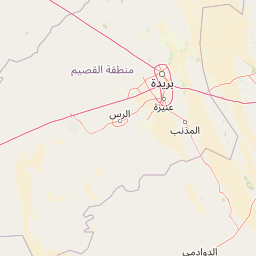
Park location guide

Geography guide, regional context, and park location map for Nafud al-'Urayq Natural Reserve

Nafud al-'Urayq Natural Reserve park geography, regions, and map view in Saudi Arabia
Understand where Nafud al-'Urayq Natural Reserve sits in Saudi Arabia through a broader geographic reading of the surrounding landscape, nearby location context, and its mapped position within the national park landscape.

How Nafud al-'Urayq Natural Reserve fits into Saudi Arabia

Saudi Arabia is a West Asian country covering approximately 2.15 million square kilometers on the Arabian Peninsula. Founded in 1932 by King Abdulaziz, it is an absolute monarchy with Arabic as the official language and Sunni Islam as the state religion. The country holds significant religious importance as the location of Mecca and Medina, Islam's holiest cities.

Wider geography shaping Nafud al-'Urayq Natural Reserve in Saudi Arabia

Saudi Arabia occupies the central portion of the Arabian Peninsula in West Asia. It is bordered by Jordan, Iraq, and Kuwait to the north; the Persian Gulf, Bahrain, Qatar, and United Arab Emirates to the east; Oman to the southeast; and Yemen to the south. The Gulf of Aqaba separates the country from Egypt and Israel in the northwest. The terrain consists predominantly of arid desert, lowland plains, steppe, and mountain ranges.

Common questions about visiting, size, designation, and location context for Nafud al-'Urayq Natural Reserve

Nafud al-'Urayq Natural Reserve FAQs for park facts, access, geography, and protected area context
Find quick answers about Nafud al-'Urayq Natural Reserve, including protected-area facts, park geography, trail and visitor context, and how the park fits into its surrounding country and regional landscape.
MoriAtlas Explorer

Continue Your Protected Areas Search Across the Global Atlas

Deepen your exploration by continuing the structured search for national parks and protected areas worldwide. Utilize the comprehensive filtering capabilities to compare different conservation landscapes and refine your understanding of global park geography. Discover more about the distribution and characteristics of protected natural areas.

Global natural geography