Why Popran National Park stands out
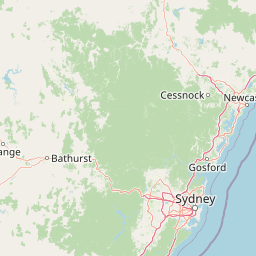
Popran National Park is best known for its preservation of the Glenworth Valley landscape and the cultural heritage of the Aboriginal people who have connection to this land. The park protects the Popran Creek catchment and its associated valley ecosystems, representing an important example of Central Coast wilderness remaining in proximity to Sydney. The area is recognised for the profound Aboriginal heritage that permeates the landscape, with historical connections that cannot be avoided when visiting. The valley also serves as a venue for outdoor recreation including horse riding, mountain biking, and bird watching.
Popran National Park history and protected-area timeline
Popran National Park was formally established on 30 November 1994, representing a relatively recent addition to the New South Wales national park system. The park's creation protected what remained of the natural landscape in the Glenworth Valley area, an area that had seen various forms of pastoral and recreational use prior to formal protection. The establishment of the park recognised both the ecological value of the valley ecosystem and the significant Aboriginal heritage associated with the land. The naming of the park after Popran Creek reflects the traditional practice of identifying protected areas by their primary hydrological features. The park was created under the governance of the NSW National Parks and Wildlife Service, which continues to manage the area for conservation, heritage preservation, and sustainable public access.
Popran National Park landscape and geographic character
The landscape of Popran National Park is characterised by the valley terrain of the Popran Creek system, which flows through the Glenworth Valley in a predominantly southern direction. The terrain averages 135 metres in elevation, creating a landscape of moderate relief rather than dramatic mountain terrain. The valley floor and associated waterways form the core of the park's physical character, while surrounding slopes and ridgelines provide visual definition to the landscape. The creek system with its associated riparian zones creates a natural corridor through the park, connecting different habitat types and providing visual and ecological focus. The landscape reflects the broader geology and geography of the Sydney basin and Central Coast region, with terrain shaped by the watercourses that have carved the valley over time.
Popran National Park ecosystems, habitats, and plant life
The nature of Popran National Park reflects the ecological character of the Central Coast region, encompassing a mix of woodland, forest, and riparian habitats along the Popran Creek corridor. The valley environment supports vegetation communities typical of the Sydney basin, including eucalypt forests on the slopes and more dense vegetation along the watercourses. The creek system itself creates wetland and riparian zones that differ from the surrounding terrain, supporting distinct plant communities and providing habitat for various species. The proximity to the Pacific Motorway and urban centres creates a landscape where conservation values coexist with accessibility, making the park significant for both ecological preservation and environmental education.
Popran National Park wildlife and species highlights
Popran National Park provides habitat for wildlife species characteristic of the Central Coast region, with the creek system and surrounding vegetation supporting diverse fauna. The park is recognized for bird watching opportunities, with the mix of forest, woodland, and riparian habitats creating conditions for various bird species. The waterways attract waterfowl and provide feeding grounds for birds moving through the area. The vegetation communities support mammals, reptiles, and invertebrates typical of Sydney basin ecosystems. The creek and its associated wetlands create aquatic habitat that supports fish and other water-dependent species, adding to the overall biodiversity that the park protects.
Popran National Park conservation status and protection priorities
The conservation significance of Popran National Park lies in its protection of valley and creek ecosystems in a region experiencing ongoing development pressure. The park preserves the Popran Creek catchment, maintaining water quality and habitat connectivity along this waterway. As a Category II national park, the area is recognised for both its ecosystem values and its capacity to provide nature-based recreation for the local and regional population. The protection of the Glenworth Valley landscape also preserves the visual and ecological character of this part of the Central Coast, maintaining green space near Sydney. The Aboriginal heritage of the area adds cultural conservation values to the ecological protection the park provides.
Popran National Park cultural meaning and human context
The cultural context of Popran National Park is profoundly shaped by its Aboriginal heritage, which is described as being felt at every step within the park. The land holds deep significance for Aboriginal communities, with historical connections to the landscape that predate European settlement. This Aboriginal heritage cannot be avoided when visiting the park, reflecting the enduring presence of Indigenous connection to Country. The valley and creek systems have been important places for Aboriginal people, and this cultural dimension adds layers of meaning to the landscape beyond its ecological values. The protection of the park also serves to preserve these cultural connections for future generations.
Top sights and standout views in Popran National Park
The standout features of Popran National Park include the Popran Creek valley corridor with its mix of natural landscapes, the significant Aboriginal heritage that gives the area cultural depth, and the accessibility from Sydney for day visitors. The Glenworth Valley provides a scenic and recreational focus, while the park's position in the Central Coast places it within a region of considerable natural and human landscape diversity. The variety of recreational activities available, including horse riding, mountain biking, fishing, picnicking, and bird watching, make the park a destination for diverse visitor interests. The blend of natural beauty, cultural significance, and recreational opportunity defines what makes this park distinctive.
Best time to visit Popran National Park
The best time to visit Popran National Park aligns with the temperate climate of the Central Coast region, with autumn and spring offering comfortable conditions for outdoor activities. These seasons provide moderate temperatures suitable for walking, cycling, and horse riding, while the natural vegetation often displays seasonal interest. Summer months can be warm but early morning or late afternoon visits work well, while winter brings cooler conditions that are still suitable for exploration. The valley landscape can be enjoyed year-round, though visitors should check for any seasonal access restrictions or park conditions before planning their visit. Bird watching may be particularly rewarding in spring when bird activity increases, though the park offers natural interest throughout the year.