Why Royal Manas National Park stands out
Royal Manas is best known for being Bhutan's premier conservation area and the oldest national park in the kingdom, established in 1966. It is distinguished by being the only protected area in Bhutan that hosts populations of one-horned rhinoceros and wild water buffalo, both species of significant conservation concern. The park is also famous for its remarkable diversity of habitats, ranging from lowland tropical forests to permanent ice fields, supporting a unique assemblage of Himalayan biodiversity including Bengal tigers, elephants, gaur, and the endangered Gee's golden langur. The presence of four hornbill species, including the great Indian hornbill, makes it particularly significant for bird conservation. The park's rivers support three rare migratory mahseer fish species.
Royal Manas National Park history and protected-area timeline
Royal Manas National Park was established in 1966, making it Bhutan's oldest national park. In the early 1990s, the park became one of the earliest focuses of the Bhutan Trust Fund, which provided critical funding for infrastructure development and baseline biological and socio-economic assessments. Notably, Bhutan's first park management plan was prepared for Royal Manas, and this foundational document subsequently guided the management approaches developed for other national parks throughout Bhutan. The park's designation as a genetic depository reflects its role in preserving valuable plant species with economic, medicinal, and cultural significance.
Royal Manas National Park landscape and geographic character
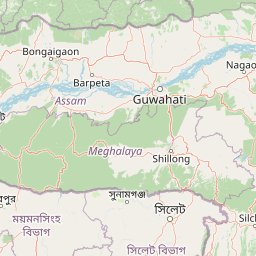
Royal Manas National Park encompasses a remarkable range of landscapes spanning from lowland tropical forests in the southern portions to permanent ice fields in the higher elevations. The terrain is characterized by the Himalayan foothills transitioning into more rugged mountain terrain as elevation increases. The Manas River and its tributaries flow through the park, providing important aquatic habitats and corridor connections. The park's location at the interface between the Himalayan mountain system and the surrounding plains creates a complex topography of valleys, ridges, and forested slopes. The diverse landscape supports the variety of ecological zones present within the park, from subtropical broadleaf forests at lower elevations through coniferous forests to alpine conditions at the highest points.
Royal Manas National Park ecosystems, habitats, and plant life
Royal Manas National Park protects exceptionally diverse ecosystems and habitats, ranging from lowland tropical forests to permanent ice fields. The park includes two major ecoregions: the Eastern Himalayan broadleaf forests and the Himalayan subtropical pine forests. This habitat diversity supports remarkable botanical wealth, with the park producing several plant species of significance for food, commerce, medicine, and religious rituals. The approximately 5,000 people living in remote, isolated villages within the park maintain traditional relationships with the landscape and its natural resources. The interconnected biological corridor system links Royal Manas to surrounding protected areas, creating a larger conservation landscape that facilitates wildlife movement and ecosystem connectivity across the region.
Royal Manas National Park wildlife and species highlights
Royal Manas National Park supports an impressive array of wildlife, including several species of global conservation significance. The park is home to Bengal tigers, Asian elephants, and gaur, the largest extant bovine species. Of particular note, Royal Manas is the only Bhutanese park that supports populations of the one-horned rhinoceros and wild water buffalo. The endangered golden langur, also known as Gee's golden langur, is found here alongside the rare pygmy hog and hispid hare. The Ganges river dolphin inhabits the park's river systems. The avifauna is exceptionally diverse, with hundreds of bird species recorded, including four species of hornbills: rufous-necked, wreathed, oriental pied, and great Indian hornbill. The Manas River and its tributaries support three rare migratory mahseer fish species: the deep-bodied mahseer, golden mahseer, and chocolate mahseer.
Royal Manas National Park conservation status and protection priorities
Royal Manas National Park holds exceptional conservation significance as Bhutan's oldest national park and the conservation showpiece of the Kingdom. The park serves critical functions as a genetic depository for valuable plant species and protects habitats for numerous threatened species including the one-horned rhinoceros, Bengal tiger, and golden langur. Its inclusion on Bhutan's Tentative List for UNESCO World Heritage designation reflects its outstanding universal value. The park's integration into a network of biological corridors connecting multiple protected areas enhances its conservation effectiveness by facilitating wildlife movement across the broader landscape. The transboundary relationship with Manas National Park in India, a World Heritage Site, creates opportunities for coordinated international conservation efforts. Bhutan's first park management plan was developed for Royal Manas, establishing management frameworks that have influenced conservation across the country.
Royal Manas National Park cultural meaning and human context
Royal Manas National Park is home to approximately 5,000 people living in remote, isolated villages within the park boundaries. These communities maintain traditional relationships with the landscape, utilizing natural resources for sustenance and cultural practices. The park produces plant species significant for religious rituals, reflecting the integration of natural and cultural values in this Himalayan landscape. While the park is not open to public visitation, the presence of local communities illustrates the historical human dimension of this protected area and the ongoing relationship between people and the land in rural Bhutan.
Top sights and standout views in Royal Manas National Park
Royal Manas stands as Bhutan's premier conservation area, established in 1966 as the kingdom's oldest national park and serving as the model for all subsequent protected area management. The park's unique distinction of being the only Bhutanese protected area with one-horned rhinoceros and wild water buffalo populations underscores its exceptional biodiversity value. Its location bordering the World Heritage Site Manas National Park in India creates an important transboundary conservation context. The habitat diversity spanning from tropical forests to permanent ice fields supports extraordinary species richness, including Bengal tigers, four hornbill species, and three rare mahseer fish. The park's designation as a tentative UNESCO site reflects its outstanding conservation significance.
Best time to visit Royal Manas National Park
Royal Manas National Park is not open to public access, as entry is prohibited for general visitors. This restriction reflects the park's primary conservation mandate and its role as a protected genetic repository rather than a tourism destination. For those interested in experiencing Bhutan's protected areas, other national parks such as Jigme Dorji Wangchuck National Park or Phibsoo Wildlife Sanctuary offer visitor opportunities.