Why Saiful Muluk National Park stands out
The park is best known for Saiful Muluk Lake, one of the highest altitude lakes in the Kaghan Valley, famed for its striking blue waters set against a backdrop of alpine scenery. The park protects representative examples of Western Himalayan subalpine conifer forests and alpine shrub and meadow habitats. It provides refuge for several notable mammal species including the snow leopard, Asiatic black bear, and Eurasian lynx, as well as specialist bird species such as the Himalayan snowcock and snow partridge. The wetland habitats around the lake support both resident fauna and migratory waterfowl, adding to the park's ecological significance.
Saiful Muluk National Park history and protected-area timeline
Saiful Muluk National Park was officially established in 2003 as a protected area under Pakistani law. The park's creation reflected growing recognition of the ecological importance of the Kaghan Valley's high-altitude ecosystems and the need to preserve the unique alpine habitats centred on Saiful Muluk Lake. The designation came during a period of increased conservation activity in Pakistan's northern mountainous regions, where several national parks were established to protect representative samples of the country's diverse Himalayan flora and fauna. The park's establishment also acknowledged the significance of the area as a watershed and its importance to downstream communities in the valley.
Saiful Muluk National Park landscape and geographic character
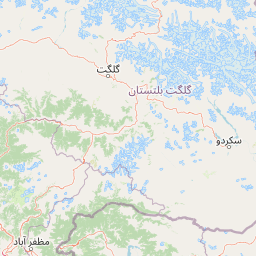
The landscape of Saiful Muluk National Park is defined by its position within the Himalayan mountain system. The terrain features steep-walled valleys carved by ancient glacial activity, with the park centred on Saiful Muluk Lake, a glacial lake of considerable altitude. The surrounding slopes rise sharply from the lake shores to ridges and peaks that remain snow-capped for much of the year. Alpine meadows dot the terrain at higher elevations, while the lower slopes support subalpine conifer forests. The combination of dramatic mountain scenery, pristine lake waters, and alpine vegetation creates a landscape of considerable visual appeal. The adjacent Lulusar-Dudipatsar National Park shares similar terrain characteristics, and together these protected areas preserve a contiguous block of Himalayan alpine and subalpine landscape.
Saiful Muluk National Park ecosystems, habitats, and plant life
The park lies within two important ecoregions of the Western Himalayas. The lower elevations fall within the Western Himalayan subalpine conifer forests, characterised by coniferous tree species adapted to the cool, moist conditions of the montane zone. At higher elevations, the vegetation transitions to Western Himalayan alpine shrub and meadows, where low-growing shrubs and alpine herbaceous plants dominate the terrain above the tree line. These habitats support a distinctive suite of plant species adapted to the harsh conditions of the alpine zone, including various perennial herbs and dwarf shrubs. The lake and associated wetland habitats add further ecological diversity to the park, providing important aquatic and riparian environments within the predominantly mountainous terrain.
Saiful Muluk National Park wildlife and species highlights
Saiful Muluk National Park supports a notable assembly of mammal and bird species adapted to the Himalayan alpine and subalpine environment. Among the mammals, the snow leopard represents the most iconic resident, a species perfectly adapted to the rocky, steep terrain of the high mountains. The Asiatic black bear also occurs in the park, typically found in the subalpine forest zones. Other mammals present include the marmot, weasel, Eurasian lynx, and Indian leopard. The bird fauna includes specialist alpine species such as the Himalayan snowcock and snow partridge, both well adapted to life at high elevation. The park's lakes and wetland areas are of particular ecological importance, serving as habitat for a variety of waterfowl including migratory species that use these high-altitude wetlands as seasonal breeding or staging grounds.
Saiful Muluk National Park conservation status and protection priorities
The park plays an important role in the conservation of Western Himalayan biodiversity. It protects representative examples of subalpine conifer forest and alpine shrub and meadow ecosystems that have been under pressure from various human activities in the region. The presence of snow leopard and other threatened species adds to the conservation significance of the area. Together with adjacent Lulusar-Dudipatsar National Park, the protected area forms a substantial conservation unit of approximately 88,000 hectares, providing connectivity for wildlife movement across the montane landscape. The park's wetland habitats are particularly valuable for waterfowl conservation, supporting both breeding populations and migratory species that rely on these high-altitude freshwater environments.
Saiful Muluk National Park cultural meaning and human context
The Kaghan Valley in which the park is situated has been inhabited for centuries by local communities whose traditional livelihoods have been closely tied to the mountain environment. The valley has historically served as a summer grazing area for communities from lower elevations, and the landscapes within the park have cultural significance for local populations. The lake itself, Saiful Muluk, is associated with local folklore and traditional stories, reflecting the cultural connections between communities and the natural landscape. The establishment of the national park has provided a framework for balancing conservation objectives with the ongoing relationship between local people and the mountain environment.
Top sights and standout views in Saiful Muluk National Park
Saiful Muluk Lake stands as the park's premier attraction, a stunning alpine lake at 3,272 meters elevation surrounded by mountain peaks and alpine meadows. The opportunity to observe snow leopard in their natural Himalayan habitat represents a major draw for wildlife enthusiasts and conservation-minded visitors. The park provides access to representative examples of Western Himalayan subalpine and alpine ecosystems, including both forest and meadow habitats. The birdlife, particularly species such as Himalayan snowcock and snow partridge, offers rewarding observation opportunities for ornithologists. The combination of dramatic mountain scenery, pristine waters, and diverse wildlife makes this park a distinctive protected area within Pakistan's northern mountain estates.
Best time to visit Saiful Muluk National Park
The most favourable period for visiting Saiful Muluk National Park coincides with the warmer months from May through September, when conditions in the high mountains are more accessible and the weather is generally stable. During this period, the alpine meadows are in flower and the landscape is at its most verdant. Winter conditions are severe, with heavy snowfall and very cold temperatures rendering much of the park inaccessible. The shoulder seasons of spring and autumn offer different experiences, with spring bringing snowmelt and new growth, while autumn provides clear skies and the opportunity to witness the transition of vegetation colours at higher elevations. Visitors planning trips to the park should be aware that weather conditions in the high Himalayas can change rapidly and that the remote location requires appropriate preparation.