Why Théniet El Had National Park stands out
Théniet El Had National Park is best known for its magnificent Atlas cedar forests, which dominate the upper elevations of the protected area. The park contains one of the most extensive and well-preserved examples of Atl Cedrus forest in Algeria, creating a distinctive landscape of towering conifers against the mountain backdrop. These cedar forests are ecologically significant as they represent the westernmost distribution of this species and serve as important habitat for several endemic and regionally restricted species.
Théniet El Had National Park history and protected-area timeline
The creation of Théniet El Had National Park in 1985 represented a milestone in Algeria's environmental protection efforts during a period of increased awareness of the need to preserve remaining natural areas. Prior to formal protection, the cedar forests of the Théniet El Had region had experienced pressure from selective logging and charcoal production that had reduced the extent of old-growth forest. The national park designation provided formal legal protection for the area and established a framework for sustainable management. Management efforts since establishment have focused on forest protection, reforestation of degraded areas, and balancing visitor access with conservation objectives.
Théniet El Had National Park landscape and geographic character
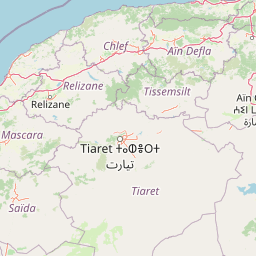
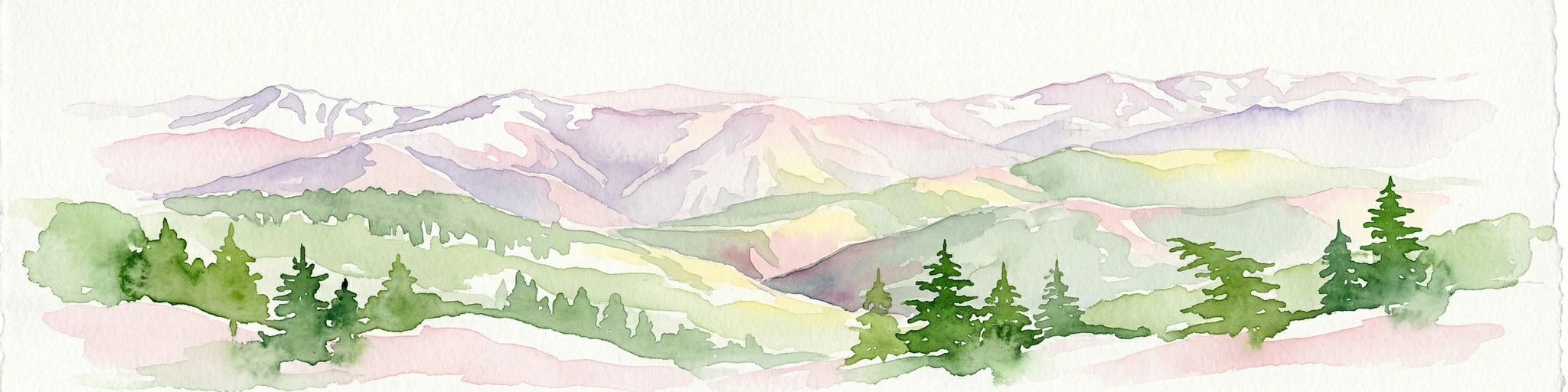
The landscape of Théniet El Had National Park is defined by its mountainous character within the Tell Atlas range. The terrain features steep, often rocky slopes descending into narrow valleys, with elevations varying from around 1,200 meters in the lower foothills to peaks exceeding 2,200 meters. The dominant forest type is Atlas cedar forest, which creates a distinctive visual character with its dark green canopy and tall, straight trunks. Rock outcrops and cliff faces add visual complexity to the landscape, particularly on steeper terrain. The park's streams and seasonal watercourses drain into the upstream catchment areas that feed rivers flowing toward the Mediterranean coast.
Théniet El Had National Park ecosystems, habitats, and plant life
The ecological significance of Théniet El Had National Park centers on its Atlas cedar forests, which represent one of the most important remaining stands of this species in North Africa. The Atlas cedar (Atl Cedrus) is endemic to the Atlas Mountains and neighboring ranges, and the park protects significant old-growth examples of this species. The forest ecosystem supports a range of other vegetation types including juniper woodlands at lower elevations and evergreen oak scrub. The park's position in the Tell Atlas creates a transition between Mediterranean and mountain environments, supporting species characteristic of both zones. The watershed function of the cedar forests is particularly important, as these montane forests play a critical role in regulating water flow and preventing soil erosion on steep slopes.
Théniet El Had National Park wildlife and species highlights
The forests and rocky terrain of Théniet El Had National Park provide habitat for several mammal species adapted to Mediterranean mountain environments. The park supports populations of Barbary macaque, a primate species whose presence in Algeria is now largely restricted to isolated forest pockets in the Atlas Mountains. Various smaller mammals including rodents, hedgehogs, and bats occupy the diverse habitats within the park. Birdlife includes species associated with coniferous forests as well as rock-dwelling species that inhabit the park's cliff formations.
Théniet El Had National Park conservation status and protection priorities
Théniet El Had National Park plays a crucial role in protecting one of the last significant tracts of Atlas cedar forest in Algeria. The park's establishment created formal protection for old-growth cedar stands that had survived previous logging pressure. Conservation objectives include maintaining forest health, protecting watershed function, and preserving habitat for endemic species. The park faces ongoing challenges from pressures including illegal logging, overgrazing, and the impacts of climate change on Mediterranean mountain ecosystems. Effective management requires balancing conservation with the needs of local communities who depend on natural resources in the surrounding landscape.
Théniet El Had National Park cultural meaning and human context
The Théniet El Had region has been inhabited for centuries by Berber-speaking communities whose traditional practices have shaped the landscape. The park's name reflects the local Kabyle language, with "Théniet" meaning "pass" and "El Had" referring to a local tribe or community. Traditional agropastoral activities continue in the surrounding areas, and the park's management must consider the relationship between conservation objectives and local livelihoods. The cedar forests have cultural as well as ecological significance, having provided building materials, fuel, and other resources for local communities across generations.
Top sights and standout views in Théniet El Had National Park
Théniet El Had National Park offers visitors the opportunity to experience one of North Africa's most significant forest ecosystems within a mountainous landscape. The park's Atlas cedar forests represent a rare example of well-preserved old-growth coniferous forest in the region, with trees reaching impressive heights beneath the mountain peaks. The combination of forest, rock, and mountain scenery creates a distinctive setting distinct from Algeria's better-known Saharan landscapes. Hiking trails allow visitors to explore different elevations and forest types within the protected area.
Best time to visit Théniet El Had National Park
The most favorable time to visit Théniet El Had National Park is during the spring and early summer months when temperatures are moderate and the landscape is lush following winter rains. April through June offers pleasant conditions for hiking and wildlife observation, with wildflowers adding color to the forest clearings. Autumn also provides good conditions, particularly in September and October, when summer heat has eased and visitor numbers are typically lower. Winter conditions can be harsh at higher elevations, with snow potentially making some trails inaccessible.