Why Tràm Chim National Park stands out
Tràm Chim National Park is renowned as one of the most important bird conservation areas in Vietnam and Southeast Asia. The park serves as the primary stronghold for the sarus crane (Grus antigone sharpii), a species classified as vulnerable on the IUCN Red List. This large elegant crane species, which can reach heights of 1.5 meters, uses the park's wetlands as feeding and breeding grounds. The Bengal florican, another threatened bird species, also inhabits the grassland habitats within the reserve. The park's restoration story is equally notable, having transformed from a severely degraded wartime landscape back into a thriving wetland that supports diverse ecological communities including fish populations, native grasses, and waterfowl.
Tràm Chim National Park history and protected-area timeline
The establishment of Tràm Chim National Park represents a decades-long evolution from degraded warzone to protected wetland sanctuary. In 1985, the provincial government created the Tram Chim Afforestation and Fishery Company with the initial mandate of planting Melaleuca cajuputi trees, exploiting aquatic resources, and preserving the Plain of Reeds area. A pivotal discovery came in 1986 when researchers confirmed the presence of sarus cranes in the region, establishing the site as a critical conservation priority. This finding prompted the transformation of Tram Chim into a provincial-level natural reserve in 1991, specifically designated to protect the crane population. The reserve achieved national status in 1994 through Circular 4991/KGVX, covering an initial 7,500 hectares. The protected area boundary was refined in September 1998 to 7,588 hectares, and that same year the Vietnamese government formally established Tram Chim National Park through Decision 253/1998/QĐ dated December 29, 1998. International recognition followed with Ramsar designation in 2012, cementing the site's importance within the global network of wetland protected areas.
Tràm Chim National Park landscape and geographic character
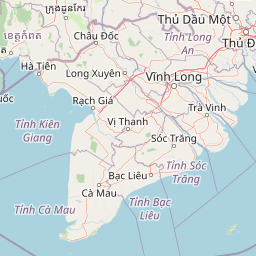
The physical landscape of Tràm Chim National Park is defined by the flat, low-lying terrain characteristic of the Mekong Delta's Plain of Reeds. The terrain sits at very low elevation, typically just a few meters above sea level, creating the hydrological conditions that support seasonal wetland formation. The park's soils are predominantly acidic sulfate soils, a legacy of the historical drainage and oxidation events that occurred during the war period, which require careful management to prevent re-acidification. The landscape features a mosaic of grassland patches, Melaleuca forest stands, and open water areas that vary dramatically with seasonal flooding patterns. During the wet season, extensive shallow flooding covers much of the park, creating vast ephemeral wetlands. In the dry season, remaining water bodies become concentrated in deeper channels and ponds, exposing mudflats that attract foraging waterbirds. The vegetation structure includes scattered Melaleuca cajuputi trees that form scattered woodland patches, interspersed with tall grasslands dominated by various grass and sedge species.
Tràm Chim National Park ecosystems, habitats, and plant life
The ecological character of Tràm Chim centers on its seasonal wetland ecosystem, one of the last remaining examples of this habitat type in the Mekong Delta. The park's vegetation community originally featured Melaleuca cajuputi as the dominant tree species, forming distinctive forest canopies across the wetland. Grasses, sedges, and other grass-like plants including species from the Cyperaceae family and the genus Eleocharis historically formed the ground layer across the wetland. Following restoration, the park has reclaimed much of its ecological function, supporting diverse communities of fish, birds, and plants. The wetland provides critical ecosystem services including flood regulation, water filtration, and carbon sequestration. Fish populations, particularly the giant barb, play essential roles in both the ecological system and local food security. The restoration success demonstrates how appropriate hydrological management can rehabilitate even severely degraded wetland systems, providing lessons for similar restoration efforts throughout the region.
Tràm Chim National Park wildlife and species highlights
The wildlife of Tràm Chim is most famously represented by its bird populations, particularly the elegant sarus crane which has become the park's flagship species. These large cranes, standing up to 1.5 meters tall with a wingspan exceeding two meters, use the wetland grasslands for feeding and have been observed breeding within the protected area. The Bengal florican, a bustard species classified as vulnerable, inhabits the taller grassland habitats where it breeds during the appropriate season. Waterfowl populations fluctuate dramatically with seasonal changes, as the flooded wetlands provide temporary feeding and nesting habitat for numerous species. Fish communities include the giant barb, a large freshwater fish species that contributes to both ecological processes and local fisheries. The restored ecosystem has enabled the return of species that had disappeared during the degraded period, demonstrating the effectiveness of conservation measures. The park's international importance for migratory birds adds to its conservation significance within the East Asian Australasian Flyway.
Tràm Chim National Park conservation status and protection priorities
Tràm Chim National Park holds significant conservation importance at multiple scales, from national Vietnamese biodiversity protection to international wetland conservation frameworks. The park's designation as a Ramsar Wetland of International Importance in 2012 recognizes its role in protecting critical wetland habitat for migratory waterbirds across the East Asian Australasian Flyway. The sarus crane population represents a conservation priority, as this subspecies (Grus antigone sharpii) faces threats throughout its range from habitat loss and human disturbance. The park's restoration model demonstrates successful ecological recovery following severe wartime damage, providing valuable lessons for wetland restoration globally. Management of acidic sulfate soils remains an ongoing challenge, requiring careful water level management to prevent re-oxidation and acidification. The conservation approach integrates sustainable use principles, recognizing that fish resources provide essential protein for local communities and that community engagement is critical for long-term protection success.
Tràm Chim National Park cultural meaning and human context
The cultural context of Tràm Chim is deeply intertwined with the agricultural traditions of the Mekong Delta region. Local communities have historically practiced rice cultivation in the surrounding areas, adapting their practices to the seasonal flood patterns that also define the park's ecology. The Plain of Reeds has long supported fishing communities who harvest fish from the wetland's abundant aquatic resources. These traditional land uses shaped the landscape over centuries before modern conservation frameworks were established. The restoration of the wetland has implications for these traditional livelihoods, as healthy fish populations depend on the ecological functions that conservation measures protect. The park management works to balance protection objectives with sustainable community use, acknowledging that conservation success depends on local support and that sustainable harvest of fish resources can coexist with wildlife protection when properly managed.
Top sights and standout views in Tràm Chim National Park
Tràm Chim National Park offers visitors the opportunity to observe the magnificent sarus crane in its natural wetland habitat, one of the few places in Vietnam where this endangered species can be reliably encountered. The park provides exceptional birdwatching opportunities, with the chance to see both resident and migratory waterbirds using the seasonal wetlands. The landscape transformation from degraded wartime damage to thriving protected wetland creates a compelling narrative of ecological resilience. The Ramsar designation affirms the park's international significance within the global network of important wetlands. Visitors can experience the dramatic seasonal changes that define the wetland character, from extensive flooding in the wet season to exposed mudflats attracting foraging flocks in the dry season.
Best time to visit Tràm Chim National Park
The best time to visit Tràm Chim National Park depends on what visitors hope to experience. The dry season, typically from December through April, offers the best opportunities for birdwatching as concentrations of waterbirds become more visible around remaining water sources. This period also provides easier access within the park as lower water levels allow exploration of areas that are submerged during the wet season. The wet season from May through November brings extensive flooding that dramatically transforms the landscape, creating expansive wetland scenery but limiting access to some areas. This period supports the ecological cycle that maintains the wetland ecosystem and is essential for the health of the park. Many visitors prefer the transition periods at the start and end of the dry season when water levels are intermediate, allowing both landscape appreciation and wildlife viewing opportunities.