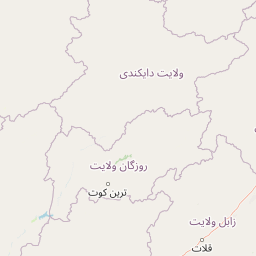
Why Ajar Valley Nature Reserve stands out
Ajar Valley Nature Reserve is best known for its population of ibex, a wild goat species that inhabits the steep mountainous terrain. The reserve is also significant for its historical association with Afghan royal hunting traditions and its long-standing protected status dating back to the early 20th century. The IUCN designation as one of Afghanistan's most important natural areas underscores its ecological value within the country's limited protected area network.
Ajar Valley Nature Reserve history and protected-area timeline
The history of Ajar Valley Nature Reserve is closely tied to Afghanistan's royal heritage. The valley was originally used as a hunting preserve by the Afghan royal family, a tradition that valued the area's natural resources and scenic beauty. In the early 20th century, recognizing the ecological value of the region and the need to protect wildlife populations, the Afghan government designated the area as a nature reserve, formalizing protection for the valley's landscapes and fauna. This early establishment places Ajar Valley among the earliest protected areas in Afghanistan. In 1981, the reserve was proposed for elevated national park status, reflecting its recognized importance, though this designation has not yet been implemented.
Ajar Valley Nature Reserve landscape and geographic character
The landscape of Ajar Valley Nature Reserve is defined by the dramatic topography of the Bamyan Province region within the Hindu Kush mountain system. The valley features steep-sided mountains, rocky cliffs, and rolling alpine terrain typical of high-elevation Central Asian mountain environments. The terrain provides natural habitat for mountain species adapted to rugged, rocky landscapes. The valley floor and surrounding slopes support vegetation communities adapted to the continental climate and high altitude conditions.
Ajar Valley Nature Reserve ecosystems, habitats, and plant life
The ecological character of Ajar Valley centers on its alpine mountain ecosystem within the broader Himalayan-Hindu Kush biodiversity corridor. The reserve represents one of Afghanistan's most significant natural areas, supporting vegetation communities adapted to high-elevation conditions. The protected status acknowledges the valley's role in maintaining biodiversity within a country where protected areas are limited. The mountain environment supports specialized species adapted to the harsh conditions, though comprehensive biodiversity data remains limited due to access and security challenges.
Ajar Valley Nature Reserve wildlife and species highlights
The wildlife of Ajar Valley Nature Reserve is centered on its population of ibex, a wild goat species that thrives in the steep, rocky mountainous terrain. The ibex population has historically been a primary focus of conservation efforts and a reason for the reserve's protected status. However, poaching remains a significant threat to wildlife populations, with the ibex particularly vulnerable to hunting pressure. The broader wildlife community includes other mountain-adapted species, though detailed species inventories are not readily available. The impacts of conflict and reduced protection capacity have further complicated wildlife conservation in the reserve.
Ajar Valley Nature Reserve conservation status and protection priorities
Ajar Valley Nature Reserve represents a critical conservation priority for Afghanistan, recognized by the IUCN as one of the country's most important natural areas. The reserve faces substantial conservation challenges, most notably persistent poaching that continues to threaten wildlife populations, particularly the ibex. Protection efforts have been complicated by the broader impacts of war and conflict in Afghanistan, which have limited the capacity for effective park management and enforcement. The proposed national park designation from 1981 reflects the recognized conservation value of the area, though implementation has been hindered by the challenging operating environment. The reserve demonstrates both the importance of protecting Afghanistan's natural heritage and the difficulties of maintaining conservation in regions affected by instability.
Ajar Valley Nature Reserve cultural meaning and human context
Ajar Valley carries cultural significance through its historical association with the Afghan royal family and the tradition of royal hunting. This heritage provides context for understanding the valley's transition to protected status, as areas once reserved for elite recreation were reframed as national assets for conservation. The Bamyan Province itself is rich in cultural heritage, known for the famous Buddha statues that were destroyed in 2001, and the valley exists within this broader cultural landscape. The combination of natural and cultural significance makes the reserve an important element of Afghanistan's environmental and historical identity.
Top sights and standout views in Ajar Valley Nature Reserve
Ajar Valley Nature Reserve stands out as one of Afghanistan's oldest protected areas, established from a royal hunting ground in the early 20th century. The reserve is distinguished by its ibex populations, IUCN recognition as one of the country's most important natural areas, and its location in the historically significant Bamyan Province. The proposed national park designation from 1981 highlights its conservation importance despite the challenges of enforcement and protection.
Best time to visit Ajar Valley Nature Reserve
The best time to visit Ajar Valley Nature Reserve would typically be during the warmer summer months when access is more feasible and conditions are less harsh. The high-altitude location means cold temperatures dominate for much of the year, with summer offering the most accessible conditions for exploration. However, visitors should note that the security situation and access constraints in Afghanistan may significantly limit travel to this region, and specific visitor information would need to be verified with current travel advisories.