

Mori Atlas logo
Nature reserveAjar Valley Nature Reserve

Discover the mapped geography and alpine terrain of this ancient protected area in Bamyan Province.

Ajar Valley Nature Reserve: Afghanistan's Historic Nature Reserve & Protected Landscape

Ajar Valley Nature Reserve represents a significant protected landscape in Afghanistan's Bamyan Province, situated within the dramatic Hindu Kush mountain system. This historic nature reserve, established in the early 20th century, offers a unique atlas perspective on alpine terrain, rugged slopes, and crucial ibex habitat. Its designation highlights the ecological importance and protected area context of this mountainous region, inviting detailed geographic discovery and landscape appreciation.

nature reservemountain ecosystemibex habitatHindu KushBamyan Provinceprotected area

Ajar Valley Nature Reserve

Nature reserve

Park overview

Structured park overview, official facts, and landscape profile for Ajar Valley Nature Reserve

Ajar Valley Nature Reserve park facts, protected area profile, and essential visitor context

Review the core facts for Ajar Valley Nature Reserve, including designation, size, terrain, visitor scale, habitats, and operating context in one park-focused overview.

About Ajar Valley Nature Reserve

Ajar Valley Nature Reserve represents a significant effort by Afghanistan to preserve its natural heritage in the face of substantial environmental and political challenges. Located in the historic Bamyan Province, the reserve encompasses a valley ecosystem that exemplifies the high-altitude mountain environments of central Afghanistan. The area's transition from a royal hunting ground to a formally protected nature reserve reflects a broader recognition of the need to conserve wildlife populations and habitat integrity. Despite its protected status, the reserve has struggled with enforcement challenges, particularly regarding poaching, which poses the greatest threat to wildlife populations. The proposed national park designation from 1981 has yet to be realized, highlighting the difficulties of advancing conservation in a region affected by conflict and limited resources.

Quick facts and research context for Ajar Valley Nature Reserve

Located in Bamyan Province, Ajar Valley Nature Reserve is one of Afghanistan's oldest protected areas, established in the early 20th century as a royal hunting ground. The reserve is recognized by the IUCN as one of the most important natural areas in Afghanistan and was proposed for national park designation in 1981. The valley supports populations of ibex and other mountain wildlife, though poaching remains a serious threat to conservation success.

Protection and recognition

Tracking terrestrial protection frameworks and official conservation boundaries

Protection Status and Environmental Designation of Ajar Valley Nature Reserve

Geographic researchers can examine the official terrestrial boundaries and designated protection level assigned to Ajar Valley Nature Reserve. Analyzing established conservation frameworks provides essential regional context for understanding global environmental networks and land management records.

Protection details

Protection scope
Terrestrial
Transboundary protection
No
Park context

Deeper park guide and search-rich context for Ajar Valley Nature Reserve

Ajar Valley Nature Reserve history, landscape, wildlife, and travel context

Explore Ajar Valley Nature Reserve through its history, landscape character, ecosystems, wildlife, conservation priorities, cultural context, and seasonal travel timing in a structured park guide built for atlas discovery and search intent.

Why Ajar Valley Nature Reserve stands out

Ajar Valley Nature Reserve is best known for its population of ibex, a wild goat species that inhabits the steep mountainous terrain. The reserve is also significant for its historical association with Afghan royal hunting traditions and its long-standing protected status dating back to the early 20th century. The IUCN designation as one of Afghanistan's most important natural areas underscores its ecological value within the country's limited protected area network.

Ajar Valley Nature Reserve history and protected-area timeline

The history of Ajar Valley Nature Reserve is closely tied to Afghanistan's royal heritage. The valley was originally used as a hunting preserve by the Afghan royal family, a tradition that valued the area's natural resources and scenic beauty. In the early 20th century, recognizing the ecological value of the region and the need to protect wildlife populations, the Afghan government designated the area as a nature reserve, formalizing protection for the valley's landscapes and fauna. This early establishment places Ajar Valley among the earliest protected areas in Afghanistan. In 1981, the reserve was proposed for elevated national park status, reflecting its recognized importance, though this designation has not yet been implemented.

Ajar Valley Nature Reserve landscape and geographic character

The landscape of Ajar Valley Nature Reserve is defined by the dramatic topography of the Bamyan Province region within the Hindu Kush mountain system. The valley features steep-sided mountains, rocky cliffs, and rolling alpine terrain typical of high-elevation Central Asian mountain environments. The terrain provides natural habitat for mountain species adapted to rugged, rocky landscapes. The valley floor and surrounding slopes support vegetation communities adapted to the continental climate and high altitude conditions.

Ajar Valley Nature Reserve ecosystems, habitats, and plant life

The ecological character of Ajar Valley centers on its alpine mountain ecosystem within the broader Himalayan-Hindu Kush biodiversity corridor. The reserve represents one of Afghanistan's most significant natural areas, supporting vegetation communities adapted to high-elevation conditions. The protected status acknowledges the valley's role in maintaining biodiversity within a country where protected areas are limited. The mountain environment supports specialized species adapted to the harsh conditions, though comprehensive biodiversity data remains limited due to access and security challenges.

Ajar Valley Nature Reserve wildlife and species highlights

The wildlife of Ajar Valley Nature Reserve is centered on its population of ibex, a wild goat species that thrives in the steep, rocky mountainous terrain. The ibex population has historically been a primary focus of conservation efforts and a reason for the reserve's protected status. However, poaching remains a significant threat to wildlife populations, with the ibex particularly vulnerable to hunting pressure. The broader wildlife community includes other mountain-adapted species, though detailed species inventories are not readily available. The impacts of conflict and reduced protection capacity have further complicated wildlife conservation in the reserve.

Ajar Valley Nature Reserve conservation status and protection priorities

Ajar Valley Nature Reserve represents a critical conservation priority for Afghanistan, recognized by the IUCN as one of the country's most important natural areas. The reserve faces substantial conservation challenges, most notably persistent poaching that continues to threaten wildlife populations, particularly the ibex. Protection efforts have been complicated by the broader impacts of war and conflict in Afghanistan, which have limited the capacity for effective park management and enforcement. The proposed national park designation from 1981 reflects the recognized conservation value of the area, though implementation has been hindered by the challenging operating environment. The reserve demonstrates both the importance of protecting Afghanistan's natural heritage and the difficulties of maintaining conservation in regions affected by instability.

Ajar Valley Nature Reserve cultural meaning and human context

Ajar Valley carries cultural significance through its historical association with the Afghan royal family and the tradition of royal hunting. This heritage provides context for understanding the valley's transition to protected status, as areas once reserved for elite recreation were reframed as national assets for conservation. The Bamyan Province itself is rich in cultural heritage, known for the famous Buddha statues that were destroyed in 2001, and the valley exists within this broader cultural landscape. The combination of natural and cultural significance makes the reserve an important element of Afghanistan's environmental and historical identity.

Top sights and standout views in Ajar Valley Nature Reserve

Ajar Valley Nature Reserve stands out as one of Afghanistan's oldest protected areas, established from a royal hunting ground in the early 20th century. The reserve is distinguished by its ibex populations, IUCN recognition as one of the country's most important natural areas, and its location in the historically significant Bamyan Province. The proposed national park designation from 1981 highlights its conservation importance despite the challenges of enforcement and protection.

Best time to visit Ajar Valley Nature Reserve

The best time to visit Ajar Valley Nature Reserve would typically be during the warmer summer months when access is more feasible and conditions are less harsh. The high-altitude location means cold temperatures dominate for much of the year, with summer offering the most accessible conditions for exploration. However, visitors should note that the security situation and access constraints in Afghanistan may significantly limit travel to this region, and specific visitor information would need to be verified with current travel advisories.

Monthly climate preview

Long-term representative monthly temperature and precipitation data for Bamyan Province

Ajar Valley Nature Reserve Climate Normals and Annual Temperature Patterns

Historical climate records for Ajar Valley Nature Reserve outline a measured annual temperature and precipitation rhythm across twelve distinct monthly cycles. Detailed monthly comparisons provide broader context for long-term meteorological patterns at the representative park coordinate.
Annual mean7 °C
-6 °C19 °C
Jan-6°
Feb-5°
Mar
Apr
May12°
Jun16°
Jul19°
Aug18°
Sep13°
Oct
Nov
Dec-3°
Warmest month
July

19 °C

Coolest month
January

-6.3 °C

Wettest month
April

1.7 mm/day

Driest month
September

0.4 mm/day

Park location guide

Geography guide, regional context, and park location map for Ajar Valley Nature Reserve

Ajar Valley Nature Reserve park geography, regions, and map view in Afghanistan

Understand where Ajar Valley Nature Reserve sits in Afghanistan through a broader geographic reading of the surrounding landscape, nearby location context, and its mapped position within the national park landscape.

How Ajar Valley Nature Reserve fits into Afghanistan

Afghanistan is a landlocked country located at the crossroads of Central and South Asia. It is bordered by six countries and features a predominantly mountainous terrain with plains in the north and southwest. The country has a population estimated between 35 and 50 million people and uses Afghani as its currency.

Wider geography shaping Ajar Valley Nature Reserve in Afghanistan

Afghanistan is located in Central and South Asia, landlocked at the crossroads of these regions. It is bordered by Pakistan to the east and south, Iran to the west, Turkmenistan to the northwest, Uzbekistan to the north, Tajikistan to the northeast, and China to the northeast and east. The terrain is predominantly mountainous, with plains in the north (Afghan Turkestan) and southwest (Sistan Basin), separated by the Hindu Kush mountain range.

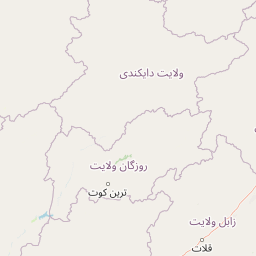
Map view of Ajar Valley Nature Reserve

Use this park location map to pinpoint Ajar Valley Nature Reserve in Afghanistan, understand its exact geographic position, and read its mapped placement within the surrounding landscape more clearly.

Pigeon | © OpenStreetMap contributors

Location context for Ajar Valley Nature Reserve

Bamyan Province
Park atlas

Trace the regional spread of conserved landscapes and high-altitude ecosystems across Afghanistan's Hindu Kush.

Discover Other Protected Areas and Mountain Parks Near Ajar Valley Nature Reserve in Afghanistan

After exploring Ajar Valley Nature Reserve, browse additional protected areas and mountain parks within Afghanistan's rugged Bamyan Province and the broader Hindu Kush region. Compare diverse alpine landscapes, ibex habitats, and conservation efforts across a detailed atlas view to understand their geographic context and unique ecological significance.
National parkAfghanistan
About 96 km away#1 closest

North

Band-e Amir National Park: Afghanistan's National Park for Geographic and Landscape Discovery

Explore the unique terrain and mapped protected boundaries.

Band-e Amir National Park represents a core protected area within Afghanistan, offering a detailed geographic study for atlas exploration. Understand its significance as a national park, focusing on the mapped boundaries and the distinct natural landscapes it encompasses. This entry provides foundational context for appreciating the park's role within the broader regional geography and protected land network.

IUCN
II
Scope
Terrestrial
Protected areaAfghanistan
About 186 km away#2 closest

Southeast

Ab-i Istada Protected Area: Mapped Wetland Landscape in Afghanistan's Hindu Kush

Explore its unique alkaline geography and bird habitat.

Ab-i Istada is a crucial protected area featuring a large, shallow endorheic salt lake set within a geological depression in Afghanistan's Hindu Kush foothills. This protected landscape is globally recognized for its importance as a stopover for migratory birds. The site's dynamic water levels, alkaline conditions, and surrounding wetlands offer a unique focus for atlas-based geographic exploration and understanding the context of protected areas in Central Asia.

Area
130 km²
Established
1974
IUCN
IV
Relief
Highland
Protected areaPakistan
About 210 km away#3 closest

East

Hashmat Khan Park Protected Area: Mapped Landscape and Urban Wetland Habitat in Pakistan

Discover the geography and protected landscape of Hashmat Khan Park.

Hashmat Khan Park is a vital protected area situated within Pakistan's urban geography, renowned for its role as a waterfowl sanctuary and wetland habitat. This page provides an in-depth look at the park's mapped boundaries and its unique landscape character, offering users structured geographic discovery. Explore how this protected wetland exists alongside historic landmarks and urban development, showcasing a distinctive natural setting within a major city. Gain insights into its ecological importance and its place within the broader atlas of protected lands in Pakistan and Central Asia.

Area
1.66 km²
Established
2017
Relief
Lowland
Climate
Arid
National parkAfghanistan
About 365 km away#4 closest

East

Nuristan National Park: Afghanistan National Park Protected Landscape

Mapped geography and regional terrain context

Explore Nuristan National Park, an important national park within Afghanistan. This protected area offers insights into the country's mountainous geography and its conservation landscape. Understand its mapped boundaries and its role within the broader regional context for atlas-driven discovery.

Area
5,733.07 km²
Established
2020
IUCN
II
Relief
Mountain
National parkPakistan
About 404 km away#5 closest

Southeast

Sheikh Badin National Park: Pakistan's Sulaiman Mountains Protected Landscape Explorer

Semi-arid terrain and rich herpetofauna habitat in Khyber Pakhtunkhwa.

Investigate Sheikh Badin National Park, a key protected area situated within Pakistan's Sulaiman Mountains. This national park showcases a distinctive semi-arid mountain terrain, characterized by rocky ridges and valleys, offering insights into ecological transition zones. Delve into the park's mapped boundaries and its significance as a habitat for diverse birdlife and herpetofauna within Pakistan's geography.

Area
155.4 km²
Established
2003
IUCN
II
Relief
Mountain
National parkBalochistan
About 405 km away#6 closest

South

Takatu National Park: Balochistan's Mountainous National Park and Protected Landscape

Explore the park's mapped terrain and Sulaiman markhor habitat.

Takatu National Park represents a significant protected landscape in the highlands of Balochistan, Pakistan. Established in 2025, this national park features the dramatic mountainous terrain dominated by Koh-i-Takatu, the region's third-highest peak. The park's boundaries encompass critical habitat for the endangered Sulaiman markhor, contributing to a vital conservation corridor. Its geography offers a distinctive semi-arid mountain character, distinct from other protected areas in Pakistan, making it a notable site for atlas-driven exploration and understanding of regional biodiversity.

Area
135.246 km²
Established
2025
IUCN
II
Relief
Mountain
Protected areaKhyber Pakhtunkhwa
About 410 km away#7 closest

East

Tanda Dam Protected Area: Geographic Context and Wetland Map Features in Khyber Pakhtunkhwa

Ramsar-listed reservoir and regional irrigation landscape

Tanda Dam is a critical irrigation reservoir and Ramsar-listed wetland located in the Kohat District. This protected area supports agricultural networks for surrounding villages while serving as a winter refuge for migratory waterbirds traveling from the Caspian region and Siberia. The site offers a unique perspective on managed water landscapes within the broader terrain of Khyber Pakhtunkhwa.

Area
4.05 km²
Established
1967
Relief
Lowland
Scope
Terrestrial
Biosphere reserveBalochistan
About 418 km away#8 closest

South

Ziarat Juniper Forest Biosphere Reserve: Protected Mountain Landscapes of Balochistan

Ancient juniper woodlands and high mountain terrain in Pakistan.

Ziarat Juniper Forest represents one of the largest and most ecologically significant juniper woodlands in the world. Located in the Ziarat district of Balochistan, this biosphere reserve spans an extensive area of mountainous ridges and deep valleys. The forest is characterized by extreme longevity among its trees and provides a critical case study in dry temperate forest geography, conservation status, and climate tolerance within the broader context of Pakistani mountain landscapes.

Area
1,118.52 km²
Established
2013
IUCN
IV
Relief
Mountain

Common questions about visiting, size, designation, and location context for Ajar Valley Nature Reserve

Ajar Valley Nature Reserve FAQs for park facts, access, geography, and protected area context

Find quick answers about Ajar Valley Nature Reserve, including protected-area facts, park geography, trail and visitor context, and how the park fits into its surrounding country and regional landscape.
MoriAtlas Explorer

Continue Your Protected Areas Search Across the Global Atlas

Deepen your exploration by continuing the structured search for national parks and protected areas worldwide. Utilize the comprehensive filtering capabilities to compare different conservation landscapes and refine your understanding of global park geography. Discover more about the distribution and characteristics of protected natural areas.

Global natural geography