
Mori Atlas logo
National parkPhong Nha–Kẻ Bàng National Park

Uncover the mapped boundaries and ancient geological formations of a world-renowned protected area.

Phong Nha–Kẻ Bàng National Park: Vietnam's UNESCO Karst Landscape and Cave Atlas

(Vườn quốc gia Phong Nha – Kẻ Bàng)

Phong Nha–Kẻ Bàng National Park in Vietnam stands as a monumental UNESCO World Heritage Site, celebrated for its extraordinary karst terrain and vast subterranean wonders. Spanning over 857 square kilometers of dramatic limestone mountains and deep gorges, this protected landscape offers a unique window into millions of years of geological history. Users can explore the park's mapped boundaries and understand its significance within Southeast Asia's natural atlas.

Karst landscapesCave systemsUNESCO World Heritage SiteTropical forestsEndangered primatesLimestone mountains

Phong Nha–Kẻ Bàng National Park

National park

Park overview

Structured park overview, official facts, and landscape profile for Phong Nha, Kẻ Bàng National Park

Phong Nha, Kẻ Bàng National Park park facts, protected area profile, and essential visitor context
Review the core facts for Phong Nha, Kẻ Bàng National Park, including designation, size, terrain, visitor scale, habitats, and operating context in one park-focused overview.

About Phong Nha, Kẻ Bàng National Park

Phong Nha–Kẻ Bàng National Park is a protected area of extraordinary global significance located in central Vietnam's North Central Coast region. The park occupies a complex karst landscape characterized by towering limestone peaks, deep valleys, and an extensive network of caves and underground rivers. The geological importance of the area is immense, with the karst formations representing some of the oldest in Asia, having evolved since the Paleozoic era approximately 400 million years ago. This long geological history has produced a landscape of remarkable complexity with multiple levels of cave development, sophisticated underground river systems, and diverse surface landforms including cone karst, tower karst, and karstic valleys. The park forms part of a larger transboundary karst region that extends into Laos, where the adjacent Hin Namno National Park creates a continuous protected landscape spanning approximately 317,000 hectares. The protection of this area recognizes both its geological significance, demonstrating Earth's history through its complex karst formations, and its biological importance as a center of biodiversity in Southeast Asia.

Quick facts and research context for Phong Nha, Kẻ Bàng National Park

Phong Nha–Kẻ Bàng National Park is situated in Quảng Trị Province, North Central Coast region of Vietnam, spanning approximately 857 square kilometers of core protected area. The park features one of Asia's oldest karst systems, with geological formations dating back 400 million years to the Paleozoic era. It contains over 300 documented caves including Sơn Đoòng, the world's largest cave with chambers measuring over 5 kilometers in length, 200 meters high, and 150 meters wide. The park was designated a UNESCO World Heritage Site in 2003 under criterion viii for its geological significance and received a second designation in 2015 under criteria ix and x for its biodiversity values. The area is managed by the People's Committee of Quảng Trị Province and is part of a larger transboundary karst region extending into neighboring Laos.

Park context

Deeper park guide and search-rich context for Phong Nha, Kẻ Bàng National Park

Phong Nha, Kẻ Bàng National Park history, landscape, wildlife, and travel context
Explore Phong Nha, Kẻ Bàng National Park through its history, landscape character, ecosystems, wildlife, conservation priorities, cultural context, and seasonal travel timing in a structured park guide built for atlas discovery and search intent.

Why Phong Nha, Kẻ Bàng National Park stands out

Phong Nha, Kẻ Bàng is best known for its extraordinary cave systems and status as a UNESCO World Heritage Site. The park contains Sơn Đoòng Cave, the world's largest known cave by volume, with passages large enough to contain a 40-story skyscraper. Prior to this discovery, Phong Nha Cave held multiple world records including the longest underground river and largest combined cavern system. The park also protects one of the two largest karst regions in the world, with geological formations representing 400 million years of Earth's history. Additionally, the park is renowned for its significant primate populations, including the Hatinh langur and white-cheeked crested gibbon, and for the rare Calocedrus forests on limestone that represent the largest such forest in Vietnam.
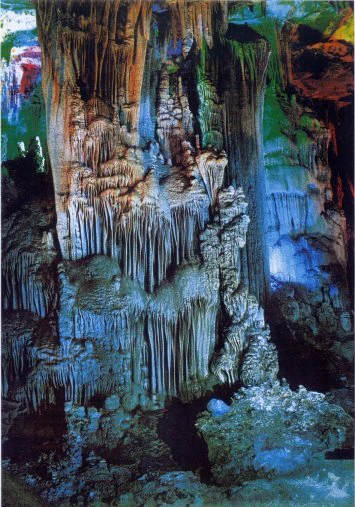
Inside Paradise Cave
Paradise Cave, Phong Nha-Ke Bang National Park, Quang Binh, Vietnam

Phong Nha, Kẻ Bàng National Park history and protected-area timeline

The protected area history of Phong Nha–Kẻ Bàng traces back to 1986 when it was established as a nature reserve covering 50 square kilometers. This was expanded to 411 square kilometers by 1991, and on December 12, 2001, the Vietnamese Prime Minister issued Decision 189/2001/QĐ-TTG formally establishing the national park. Cave exploration in the region has a rich history dating to the 9th century, evidenced by Cham inscriptions on steles within Phong Nha Cave. The cave was first mentioned in literature in 1550 and received royal recognition from King Minh Mạng in 1824. Modern scientific exploration began in the late 19th century when French priest Léopold Michel Cadière discovered Champa scripts and proclaimed Phong Nha the "number one cave of Indochina." From 1990 onward, British-Vietnamese joint expeditions systematically explored the cave systems, with the British Cave Research Association conducting multiple surveys that mapped over 44 kilometers of passages. The landmark discovery came in April 2009 when a British expedition announced Sơn Đoòng as the world's largest cave. The park was nominated for UNESCO World Heritage status in 1998, received initial inscription in 2003, and was extended for biodiversity recognition in 2015.

Phong Nha, Kẻ Bàng National Park landscape and geographic character

The landscape of Phong Nha–Kẻ Bàng is dominated by a spectacular karst terrain characterized by massive limestone mountains, deep gorges, and extensive cave systems. The park contains over two dozen mountain peaks exceeding 1,000 meters, with the highest summits being Co Preu at 1,213 meters and Co Rilata at 1,128 meters. These peaks form a continuous range along the Vietnamese-Laotian border, creating a dramatic backdrop of towering limestone cliffs and karst towers. The non-karstic areas account for a small percentage, primarily in the northern and northeastern sections, where granite and other igneous rocks form lower mountainous terrain. The landscape is dissected by numerous valleys and gorges, with the Sơn River and Chay River being the principal waterways that have carved the extensive cave systems. The karst topography creates distinctive landforms including sinkholes, poljes, and disappearing streams where rivers vanish underground to reappear in cave passages.
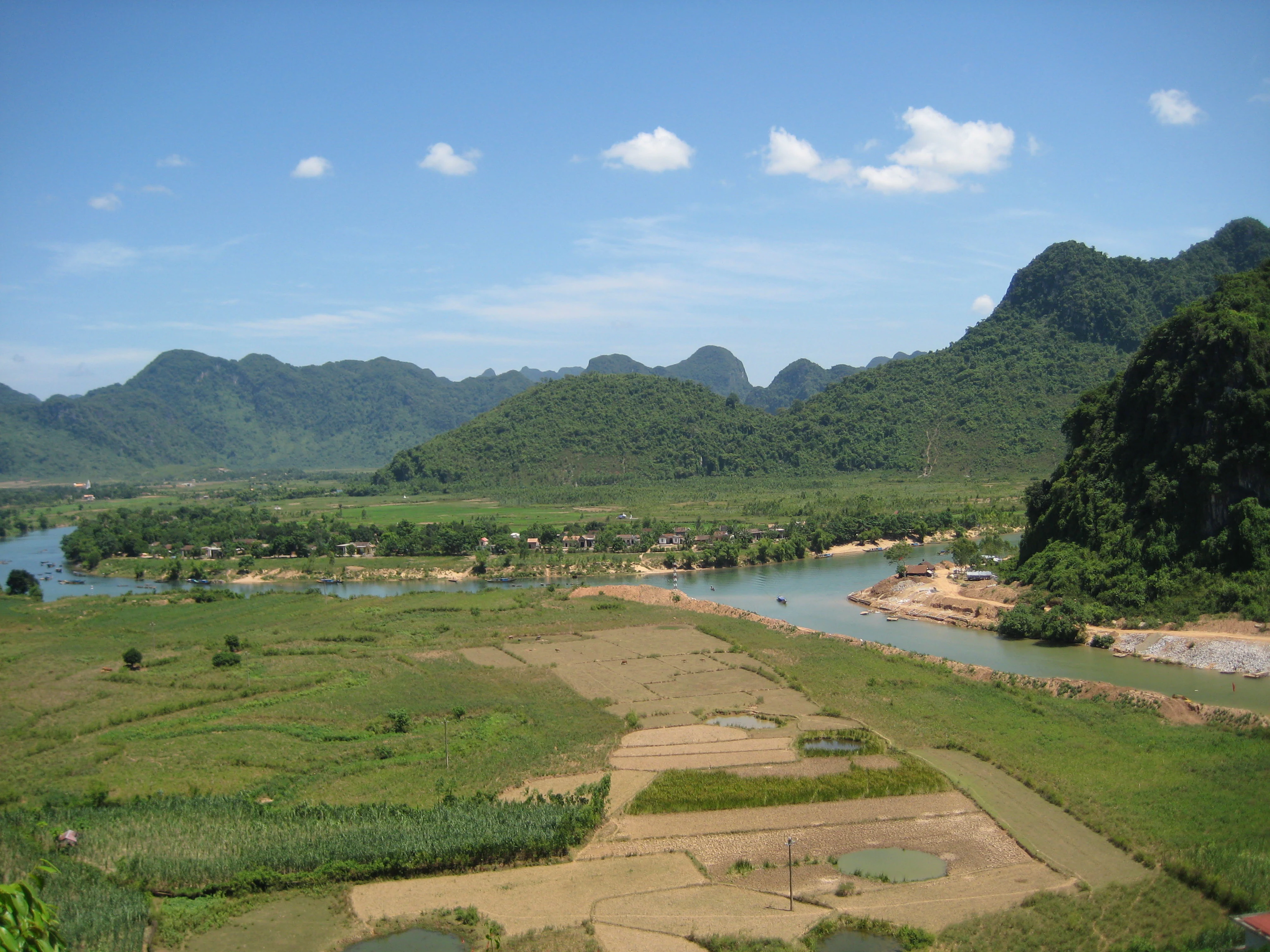
Song Son river in Phong Nha cave
Song Son river flows through Phong Nha cave, Bo Trach district, Quang Binh, Vietnam.

Phong Nha, Kẻ Bàng National Park ecosystems, habitats, and plant life

The park supports extensive tropical moist evergreen forest covering 96.2 percent of its area, with 92.2 percent classified as intact primary forest. The dominant forest type is tropical wet evergreen forest on limestone below 800 meters elevation, with smaller areas of forest at higher elevations and on non-karstic substrates. The forest vegetation is characterized by species from the Lauraceae, Fagaceae, Theaceae, and Rosaceae families, with scattered gymnosperms including Podocarpus species. A particularly significant feature is the 50 square kilometer forest of Calocedrus macrolepis on limestone, representing the largest such forest in Vietnam with trees estimated at 500 to 600 years old. The park contains remarkable botanical diversity with over 1,400 plant species documented, including 36 endangered species listed in Vietnam's Red Data Book. Rare orchids including Paphiopedilum malipoense, Paphiopedilum dianthum, and Paphiopedilum concolor have been recorded, all considered threatened with extinction.
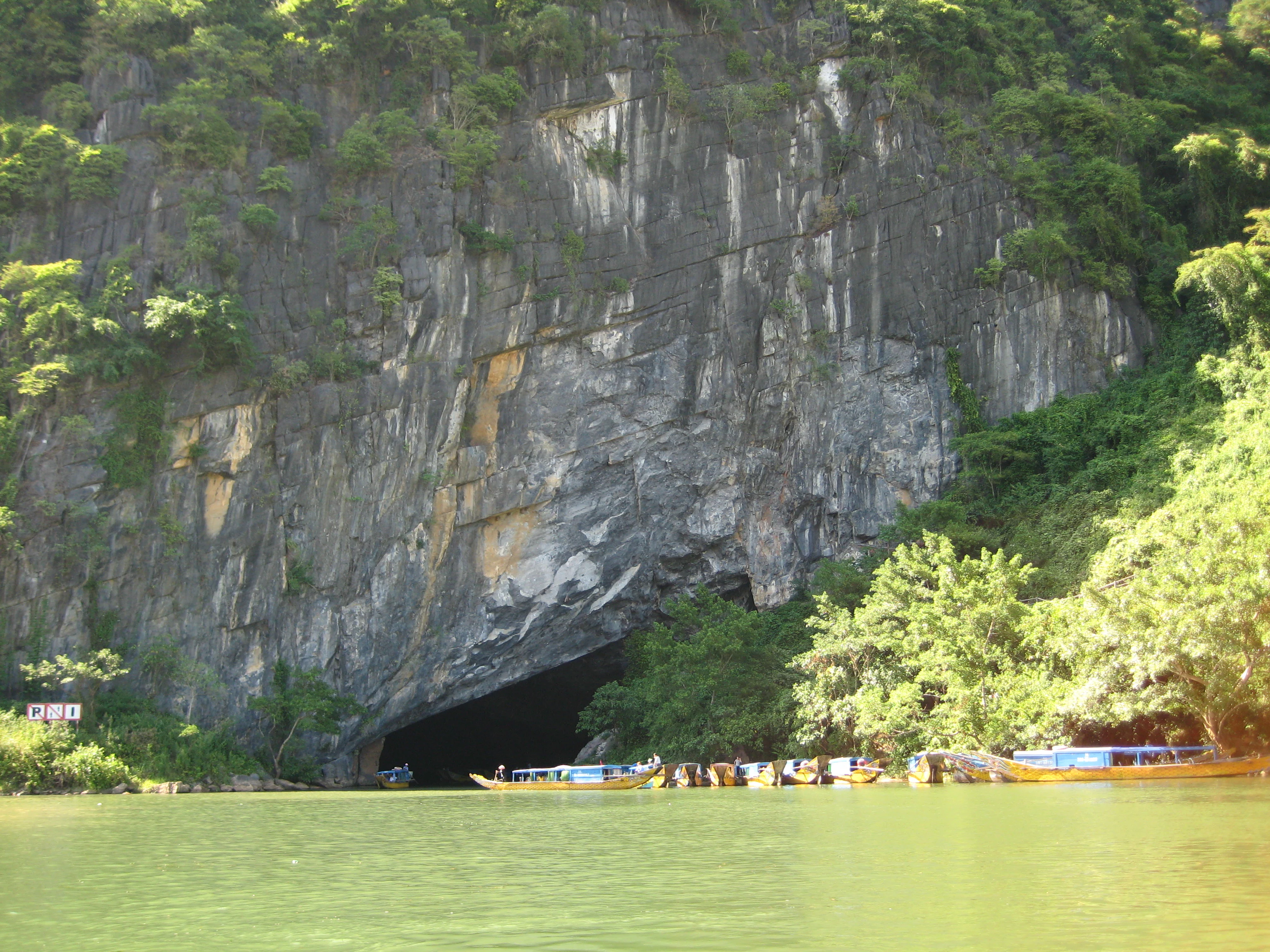
Song Son River, Quang Binh
The Song Son river flows through Quang Binh province, Vietnam.

Phong Nha, Kẻ Bàng National Park wildlife and species highlights

The wildlife of Phong Nha–Kẻ Bàng is exceptionally diverse, with the park supporting significant populations of endangered species. The area is particularly important for primates, hosting ten species and subspecies representing 50 percent of Vietnam's primate diversity. Notable species include the Hatinh langur, François' langur, white-cheeked crested gibbon, and potentially the critically endangered saola, one of the world's rarest large mammals. The park supports important populations of large mammals including gaur, mainland serow, giant muntjac, Asian black bear, and sun bear. Avian diversity is remarkable with over 200 bird species recorded, including rare species such as the chestnut-necklaced partridge, red-collared woodpecker, and short-tailed scimitar babbler. The park also contains significant herpetofauna with over 150 reptile and amphibian species, and 72 fish species including four endemic to the area. The caves support important bat populations with ten IUCN-listed species recorded.
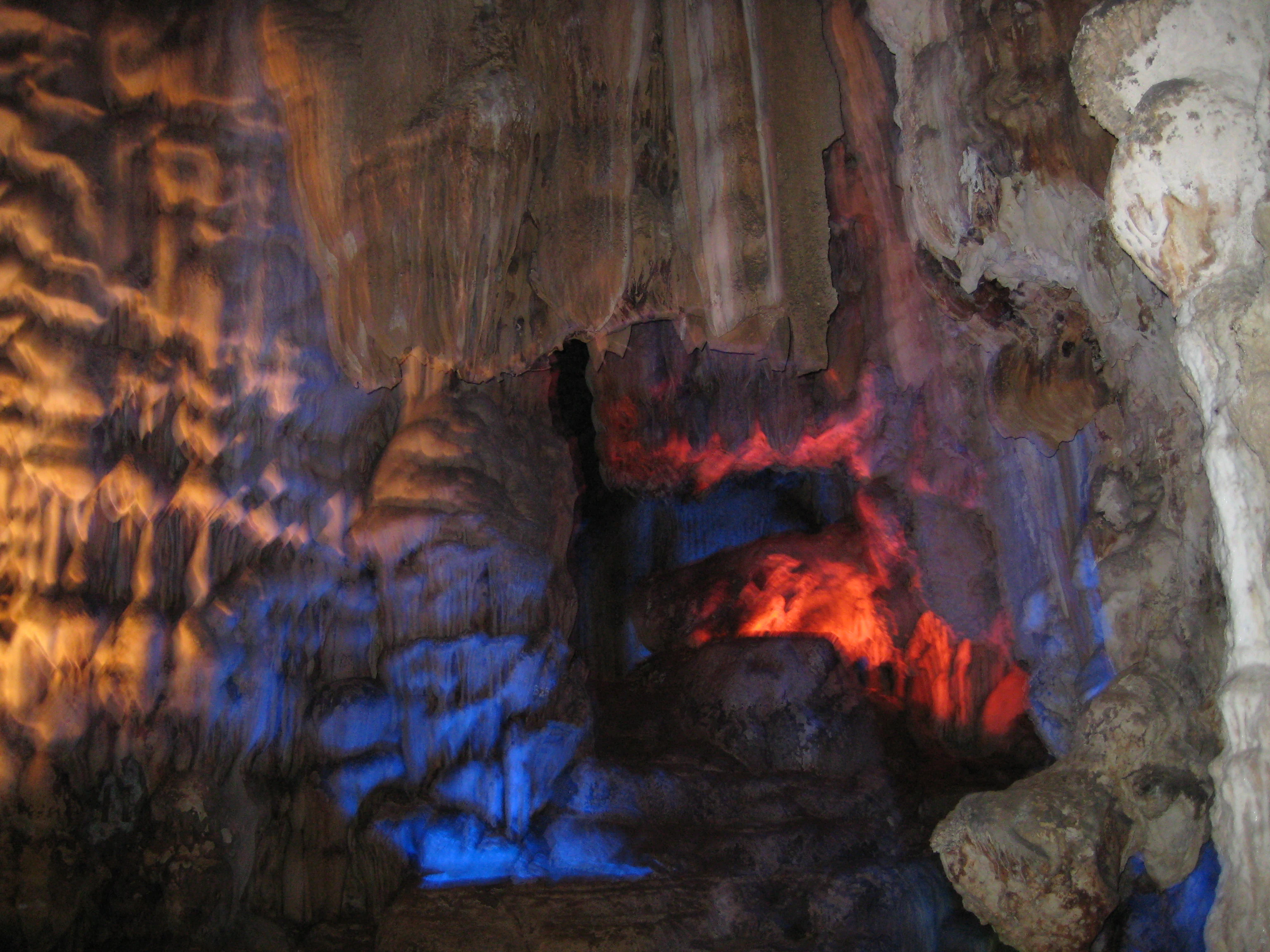
Phong Nha Ke Bang National Park cave stalagmite
A linga-shaped stalagmite in a cave within Phong Nha Ke Bang National Park, Vietnam.

Phong Nha, Kẻ Bàng National Park conservation status and protection priorities

Phong Nha–Kẻ Bàng holds dual UNESCO World Heritage status, recognized first in 2003 under criterion viii for its outstanding geological values and again in 2015 under criteria ix and x for its exceptional biodiversity and ecosystem importance. This makes it one of only three national parks in Asia to meet three UNESCO criteria. The park is one of the 200 global biodiversity centers identified by WWF and represents one of 60 significant sanctuaries in Vietnam. The protection framework divides the park into three zones: a strictly protected zone of 648.94 square kilometers, an ecological recovery zone of 174.49 square kilometers, and an administrative service zone of 34.11 square kilometers. International support has been substantial, with Germany providing 14.4 million euros for biodiversity conservation and Fauna and Flora International supporting primate protection programs. The park faces challenges including poaching, habitat degradation in buffer zones, and proposed development projects, but remains a critical conservation priority for Vietnam and Southeast Asia.

Phong Nha, Kẻ Bàng National Park cultural meaning and human context

The Phong Nha–Kẻ Bàng area has a rich human history extending back to the Neolithic period, evidenced by axe heads and artifacts found in caves. The region holds significant Cham heritage, with inscriptions dating to the 9th century found on steles and Buddhist altars within Phong Nha Cave, demonstrating the area's importance in the Champa Kingdom before Vietnamese expansion. The cave received royal recognition from multiple Nguyen dynasty kings and was depicted in the Nine Urns at the Imperial Citadel of Hue. During the French colonial period, the area served as a resistance base, with King Hàm Nghi using the caves as shelter during the Cần Vương movement against French colonization. The park currently contains two villages of Arem ethnic people living within its core zone, maintaining traditional lifestyles of hunting and natural product harvesting. The Ho Chi Minh Trail and Route 20 historically passed through the area, adding to its historical significance.
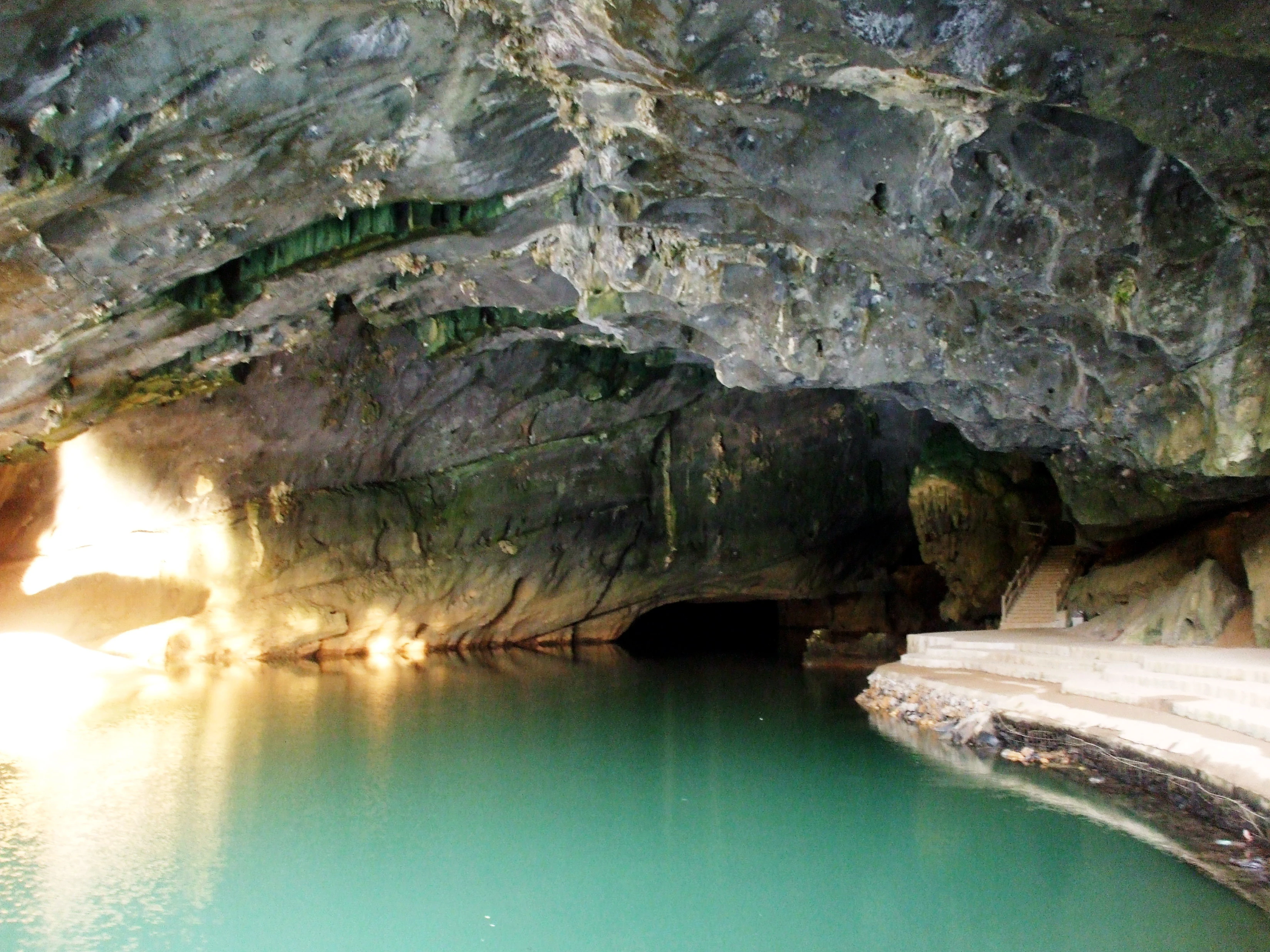
Phongnhakebang5.jpg
Phong Nha-Ke Bang National Park, Vietnam

Top sights and standout views in Phong Nha, Kẻ Bàng National Park

The outstanding highlights of Phong Nha–Kẻ Bàng include Sơn Đoòng Cave, the world's largest known cave passage, which can accommodate a 40-story skyscraper and contains its own jungle and river. The Phong Nha Cave system, with its 7,729 meters of passages and 14 kilometers of underground river, held multiple world records before Sơn Đoòng's discovery. Thiên Đường Cave, discovered in 2005, extends 31 kilometers and features spectacular stalactite formations. The ancient karst landscape, dating to 400 million years ago, represents the oldest major karst in Asia. The primate populations, particularly the Hatinh langur colonies, represent possibly the largest remaining populations of these species globally. The underground river systems, including the Sơn River flowing through cave passages for over 20 kilometers before emerging at Pu-Pha-Dam Mountain, represent extraordinary hydrological features.
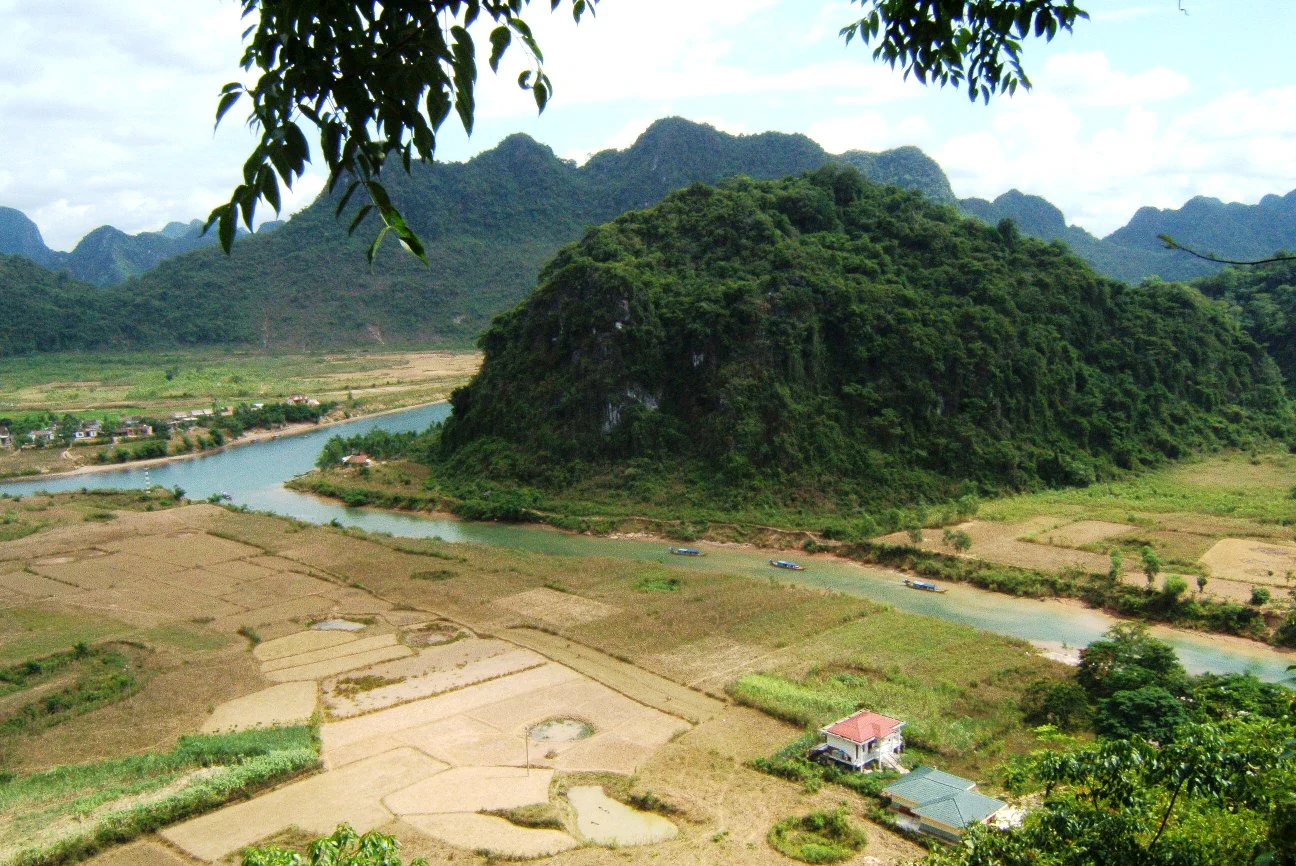
Phongnhakebang4.jpg
Phong Nha-Ke Bang National Park

Best time to visit Phong Nha, Kẻ Bàng National Park

The optimal time to visit Phong Nha–Kẻ Bàng is during the dry season from February to May, when weather conditions are most favorable for exploring both cave systems and forest trails. During this period, water levels in the caves are lower, making boat trips through underground rivers safer and more accessible. The temperature inside the caves remains relatively constant year-round, but the dry season offers easier surface access and better conditions for trekking in the forest areas. The monsoon season from June to December brings heavy rainfall, with approximately 88 percent of the annual precipitation falling during this period. While the rainy season transforms the landscape with lush vegetation and spectacular waterfalls, some cave access may be restricted due to high water levels. The hottest months are June to August, with average temperatures around 28 degrees Celsius, while the coolest months from December to February average 18 degrees Celsius. Visitors interested in wildlife viewing may find the dry season more productive as animals concentrate near water sources.
Park location guide

Geography guide, regional context, and park location map for Phong Nha, Kẻ Bàng National Park

Phong Nha, Kẻ Bàng National Park park geography, regions, and map view in Vietnam
Understand where Phong Nha, Kẻ Bàng National Park sits in Vietnam through a broader geographic reading of the surrounding landscape, nearby location context, and its mapped position within the national park landscape.

How Phong Nha, Kẻ Bàng National Park fits into Vietnam

Vietnam, officially the Socialist Republic of Viet Nam, is a unitary communist state in Southeast Asia. It occupies roughly 331,000 square kilometres along the eastern edge of Mainland Southeast Asia, with a population exceeding 102 million. The country is bordered by China to the north, Laos and Cambodia to the west, and has maritime boundaries in the Gulf of Thailand and South China Sea.

Wider geography shaping Phong Nha, Kẻ Bàng National Park in Vietnam

Vietnam occupies the eastern edge of Mainland Southeast Asia, stretching along the Gulf of Thailand to the southwest and the South China Sea to the east. The country is bordered by China to the north, and Laos and Cambodia to the west. It has a diverse landscape ranging from the Red River Delta in the north to the Mekong Delta in the south.

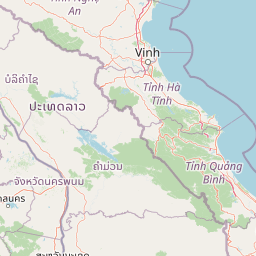
Map view of Phong Nha, Kẻ Bàng National Park

Use this park location map to pinpoint Phong Nha, Kẻ Bàng National Park in Vietnam, understand its exact geographic position, and read its mapped placement within the surrounding landscape more clearly.

Pigeon | © OpenStreetMap contributors

Location context for Phong Nha, Kẻ Bàng National Park

North Central CoastQuảng Bình Province

Visualizing the park's towering limestone mountains, ancient cave systems, and tropical forest habitats in central Vietnam.

Explore the Dramatic Karst Landscapes of Phong Nha–Kẻ Bàng National Park Through Captivating Imagery
Browse a curated collection of images showcasing Phong Nha–Kẻ Bàng National Park's unique karst topography, subterranean cave environments, and verdant tropical forest scenery. Gain a deeper understanding of this UNESCO World Heritage Site's exceptional geological formations, diverse habitats, and overall protected-area character through visual exploration.

Inside Paradise Cave

Thien Duong Cave

Song Son river in Phong Nha cave

Song Son River, Quang Binh

Phong Nha Ke Bang National Park cave stalagmite

Phong Nha Ke Bang National Park 7

Phongnhakebang5.jpg

Phongnhakebang4.jpg

Phongnhakebang3.jpg

Phong Nha Ke Bang landscape

Phongnhakebang.15.jpg

Thien Duong Cave interior

Phong Nha Ke Bang tourism boat

Cyrtodactylus phongnhakebangensis gecko

Phong Nha Cave, Quang Binh, Vietnam

Phong Nha-Ke Bang cave3.jpg

Park atlas

Compare regional conservation landscapes and trace the spread of protected terrain across Central Vietnam and its borders.

Discover Other National Parks and Protected Areas Near Phong Nha–Kẻ Bàng National Park
Continue your exploration from Phong Nha–Kẻ Bàng National Park by browsing other national parks and protected areas across Central Vietnam and its adjacent transboundary landscapes. Trace the regional distribution of conservation efforts and compare diverse protected terrain, from limestone mountains to vital forest reserves, for broader geographic understanding.
National parkVietnam

Bach Ma National Park: Protected Area and Mountain Landscape in Vietnam

Explore the biodiversity and unique geography of this vital national park.

Bach Ma National Park in Vietnam is a protected area defined by its steep, granite-rich mountainous terrain within the Annamite Range. The park’s location at a significant biogeographical crossroads contributes to its exceptional biodiversity, particularly its documented birdlife and varied forest ecosystems. Understanding Bach Ma National Park through its mapped landscape provides critical insight into Vietnam's natural heritage and the ecological dynamics shaped by its unique regional geography.

Area
220 km²
Established
1986
IUCN
II
National parkSakon Nakhon Province

Phu Phan National Park: Thailand's Protected Mountain Landscape and Natural Atlas Entry

Explore dry dipterocarp forest and unique terrain in Sakon Nakhon.

Phu Phan National Park offers a detailed look into Thailand's northeastern geography, characterized by its mountainous terrain and extensive dry dipterocarp forests. As a national park, it represents a vital protected landscape within Sakon Nakhon Province, showcasing unique geological formations and providing a rich context for atlas-based exploration. Discover the park's mapped boundaries, its ecological significance, and the distinct natural features that define this prominent Isan region protected area.

Area
665 km²
Established
1972
IUCN
II
National parkRatanakiri province

Virachey National Park: Cambodia's Vast Highland Protected Landscape in Ratanakiri

Explore its remote montane forest ecosystems and diverse terrain.

Virachey National Park, Cambodia's largest national park, offers a profound glimpse into one of mainland Southeast Asia's last great wildernesses. Spanning remote highland terrain in Ratanakiri province, it features dramatic elevation changes from 400 to 1,500 meters, supporting diverse ecosystems including dense lowland forests, unique montane cloud forests, and upland savannahs. Its recognition as an ASEAN Heritage Park underscores its critical regional conservation value, making it a significant destination for understanding protected landscapes and their geographic context.

Area
3,380.57 km²
Established
1993
IUCN
II
National parkSisaket Province

Khao Phra Wihan National Park: Protected Landscape and Archaeological Atlas Gateway

Explore dramatic red sandstone cliffs and historic Khmer ruins.

Khao Phra Wihan National Park in Sisaket Province, Thailand, is a protected landscape distinguished by its dramatic Pha Mo I Daeng red sandstone cliff and its role as a gateway to significant Khmer archaeological sites. This national park offers a deep dive into the region's unique geography, featuring rugged terrain, distinctive forest ecosystems, and prehistoric rock art. As a key entry point for understanding the Preah Vihear Temple's context, the park provides rich material for atlas-based exploration of border landscapes and historical terrain.

Area
130 km²
Established
1998
IUCN
II
National parkVietnam

Cát Bà National Park: Vietnam's Critically Endangered Species Sanctuary & Karst Landscape

Mapped protected area with diverse terrestrial and marine ecosystems.

As a critical national park in Vietnam, Cát Bà National Park protects a remarkable limestone karst landscape central to the Hạ Long Bay region. This area is renowned for its steep peaks, narrow valleys, and coastal mangrove environments, supporting a uniquely diverse array of flora and fauna. Its status as a protected area highlights its global importance for conservation, particularly as the exclusive habitat of the Cát Bà langur. Explore the mapped geography and ecological significance of this vital Vietnamese protected land.

Area
152 km²
Established
1986
IUCN
II
National parkKhon Kaen Province

Nam Phong National Park: Mapped Protected Landscape and Geography in Khon Kaen Province

Explore scenic viewpoints, rock formations, and reservoir landscapes.

Nam Phong National Park presents a compelling case study in protected landscape geography, particularly within Thailand's northeastern region. This national park is defined by its mountainous terrain, featuring the Phu Phan Kham and Phu Meng ranges that dramatically meet the waters of the Ubol Ratana Dam reservoir. Its mapped boundaries encompass striking viewpoints like Hin Chang Si, prehistoric rock paintings, and geological formations, offering a detailed look at its natural and archaeological significance for atlas exploration.

Area
197 km²
Established
2000
IUCN
II
Visitors
68.3K annual
National parkRatanakiri province

Veun Sai, Siem Pang National Park: Northeastern Cambodia's Protected Lowland Forest Landscape

Mapped Boundaries and Primate Conservation Habitat

Veun Sai, Siem Pang National Park in Cambodia's Ratanakiri province is a vital protected area featuring expansive lowland evergreen and semi-evergreen forests. Its designation as a national park underscores its role in safeguarding critical habitat for diverse primate populations, notably the endangered Northern buffed-cheeked gibbon. The park's geography, characterized by gentle terrain and extensive forest cover, makes it a significant component of the region's biodiversity corridor and a key site for understanding Cambodia's natural landscapes.

Area
574.69 km²
Established
2016
IUCN
II
National parkHanoi

Ba Vì National Park: Ancient Volcanic Mountains and Protected Landscape Near Hanoi

Discover the mapped geography and biodiversity of this national park.

Ba Vì National Park, a protected natural area near Hanoi, showcases a dramatic landscape shaped by ancient volcanic activity. The park features three significant peaks, including Vua Mountain, creating a distinct topographical profile. Spanning over 10,800 hectares, it is recognized for its ecological diversity, harboring a wealth of plant and animal species. This national park serves as a vital protected landscape, offering a unique opportunity for geographic exploration and understanding the natural terrain surrounding the Vietnamese capital.

Area
108.15 km²
Established
1991
IUCN
II
Relief
Mountain

Common questions about visiting, size, designation, and location context for Phong Nha, Kẻ Bàng National Park

Phong Nha, Kẻ Bàng National Park FAQs for park facts, access, geography, and protected area context
Find quick answers about Phong Nha, Kẻ Bàng National Park, including protected-area facts, park geography, trail and visitor context, and how the park fits into its surrounding country and regional landscape.
MoriAtlas Explorer

Continue Your Protected Areas Search Across the Global Atlas

Deepen your exploration by continuing the structured search for national parks and protected areas worldwide. Utilize the comprehensive filtering capabilities to compare different conservation landscapes and refine your understanding of global park geography. Discover more about the distribution and characteristics of protected natural areas.

Global natural geography