Mori Atlas logo
National parkBa Vì National Park

Discover the mapped geography and biodiversity of this northern Vietnam national park.

Ba Vì National Park: Ancient Volcanic Peaks and Protected Landscape Near Hanoi

Ba Vì National Park, situated approximately 48 kilometers west of Hanoi, preserves a distinctive ancient volcanic mountain range forming a critical protected landscape. Its three prominent peaks, including Vua Mountain at 1,296 meters, offer a unique topographical feature visible from the metropolitan area. Established in 1991, this national park spans over 10,800 hectares, showcasing remarkable biodiversity and a cooler climate, making it a significant natural asset and a focus for atlas-based geographic discovery near the Vietnamese capital.

national parkvolcanic mountainsbiodiversity hotspottropical forestmountain hikingnorthern Vietnam

Ba Vì National Park

National park

Park overview

Structured park overview, official facts, and landscape profile for Ba Vì National Park

Ba Vì National Park park facts, protected area profile, and essential visitor context
Review the core facts for Ba Vì National Park, including designation, size, terrain, visitor scale, habitats, and operating context in one park-focused overview.

About Ba Vì National Park

Ba Vì National Park represents one of the most accessible natural protected areas for residents and visitors to Hanoi, offering a mountainous escape approximately an hour's drive from the Vietnamese capital. The park's location on the Ba Vì mountain range provides a backdrop of ancient volcanic peaks that have shaped both the physical landscape and the ecological communities within the protected area. The mountains run in a northwest-southeast orientation, with Vua Mountain (King Mountain) standing as the highest point at 1,296 meters above sea level, followed by Tan Vien at 1,226 meters and Ngoc Hoa at 1,120 meters. These peaks are remnants of an ancient volcanic system that last erupted approximately 200 million years ago during the Jurassic period. The park's elevation gradient creates diverse microclimates and supports multiple forest types, from lower elevation tropical forests to higher altitude vegetation communities. Beyond its ecological significance, Ba Vì has served as a retreat and recreation area since the early 20th century, when its cool climate and scenic landscapes first attracted attention as a destination for those seeking escape from the heat of the capital city.

Quick facts and research context for Ba Vì National Park

Ba Vì National Park occupies a mountainous area in northern Vietnam, situated within the Ba Vì mountain range that runs northwest to southeast. The park lies about 15 kilometers west of Sơn Tây town and roughly 48 kilometers from Hanoi's city center. The geological feature of note is the ancient volcanic origin of the range, with the last volcanic activity occurring approximately 200 million years ago. The park protects diverse forest ecosystems and serves as an important conservation area for Vietnam's biodiversity. The area is managed by the Hanoi People's Committee under IUCN category II (national park) designation.

Park context

Deeper park guide and search-rich context for Ba Vì National Park

Ba Vì National Park history, landscape, wildlife, and travel context
Explore Ba Vì National Park through its history, landscape character, ecosystems, wildlife, conservation priorities, cultural context, and seasonal travel timing in a structured park guide built for atlas discovery and search intent.

Why Ba Vì National Park stands out

Ba Vì National Park is best known for its ancient volcanic mountain landscape and the three distinctive peaks that dominate the horizon when viewed from the Hanoi metropolitan area. The park is particularly recognized for its biodiversity, harboring significant populations of mammals including primates, leopards, and bears, as well as important bird species such as the white-crested pheasant. The Ho Chi Minh Temple situated on King High Peak represents a cultural landmark accessible via a steep stairway of over 1,300 steps, adding a historical dimension to the natural landscape. The combination of accessible mountain recreation, biodiversity conservation, and proximity to Hanoi makes Ba Vì a distinctive protected area in northern Vietnam.

Ba Vì National Park history and protected-area timeline

Ba Vì National Park was officially established in 1991 under Decision number 17-CT, issued on January 16, 1991 by the Chairman of Vietnam's Council of Ministers (now the Prime Minister). This designation brought formal protection to the Ba Vì mountain range and its surrounding ecosystems, recognizing both the ecological importance and the historical significance of the area. Prior to formal national park status, the Ba Vì region had long been recognized for its natural beauty and ecological value, with documented attention to its biodiversity and landscape characteristics dating back to the early 20th century. The area had served as a recreational and retreat destination for Hanoi residents, particularly during the hot summer months when the cooler mountain climate provided relief. The establishment of the national park reflected Vietnam's growing commitment to biodiversity conservation and protected area management during the 1990s. Management responsibility was assigned to the Hanoi People's Committee, reflecting the park's location within the Hanoi metropolitan region and the adjacent Hòa Bình Province.

Ba Vì National Park landscape and geographic character

The landscape of Ba Vì National Park is defined by its ancient volcanic mountain range, characterized by steep ridges, forested slopes, and three prominent peaks that rise above the surrounding terrain. The volcanic origin of the Ba Vì range is evidenced in the geological formations found throughout the park, with the last volcanic activity occurring roughly 200 million years ago during the Mesozoic era. Vua Mountain, also known as King Mountain, reaches 1,296 meters and serves as the highest point in the range, while Tan Vien (1,226 meters) and Ngoc Hoa (1,120 meters) complete the trio of major peaks. The mountains are clad in dense forest cover that transitions with elevation, creating a visually striking green backdrop visible from the Hanoi metropolitan area on clear days. The terrain includes rocky outcrops, steep ascents, and forested valleys that add to the visual and topographical diversity of the park. The mountain range runs in a northwest-southeast direction, creating a natural boundary between the Hanoi region and the broader Red River Delta area to the east.

Ba Vì National Park ecosystems, habitats, and plant life

Ba Vì National Park supports diverse ecological communities that reflect its range of elevations and the tropical forest ecosystems of northern Vietnam. The park contains over 1,000 documented plant species, representing significant botanical diversity within a relatively compact protected area. Among these, approximately 200 species are recognized as medicinal plants, highlighting the traditional importance of the region's flora. The forest types present within the park range from lower elevation tropical evergreen forests to montane vegetation communities at higher elevations. The ancient volcanic soils contribute to the nutrient status of the forest floors, supporting robust vegetation growth across the mountain slopes. The park's ecological diversity has been recognized since the early 20th century, when the area was already noted for the variety of its ecosystems and the beauty of its landscapes. The proximity to Hanoi and the variety of habitats present make Ba Vì an important area for environmental education and research within the Red River Delta region.

Ba Vì National Park wildlife and species highlights

The wildlife community within Ba Vì National Park includes significant biodiversity across multiple taxonomic groups. Mammal species total at least 45 species documented within the park boundaries, including several species of primates, felids such as leopards, and bear species. The presence of flying squirrels has also been recorded. The avian fauna is particularly diverse, with 115 bird species identified, including the white-crested pheasant (gà lôi trắng), a species of conservation significance in Vietnam. Reptile diversity includes 61 species, while amphibian species number at least 27. Many of these species are listed in the Vietnam Red Book (Sách đỏ Việt Nam) and some have international conservation status, reflecting the importance of the Ba Vì mountains as a habitat refuge. The diverse topography and forest habitats create conditions suitable for supporting these multiple species groups, with different elevations and vegetation types providing niche environments for various wildlife communities.

Ba Vì National Park conservation status and protection priorities

Ba Vì National Park holds IUCN category II designation as a national park, reflecting its primary purpose of protecting natural ecosystems while allowing for sustainable visitor use. The park is recognized as an important conservation area within the Hanoi metropolitan region, providing ecosystem services and habitat protection for species of concern. However, the park has faced conservation challenges related to unauthorized development. In 2016, construction of the Le Mont Bavi Resort & Spa was halted by the Ministry of Agriculture and Rural Development following investigations into violations within the protected area. The resort had been built at an elevation of approximately 600 meters within the park boundaries. Additional unauthorized villa developments were also identified in the Yên Bài area of Ba Vì District. These incidents have highlighted the ongoing pressures on the park's natural values and the importance of enforcement of protected area boundaries. The park's conservation significance is further enhanced by its role in protecting watersheds and providing ecological corridors within the rapidly developing Hanoi metropolitan region.

Ba Vì National Park cultural meaning and human context

The Ba Vì mountain range holds cultural significance in Vietnamese tradition, with the peaks featuring in local beliefs and historical narratives. The most prominent cultural landmark within the park is the Ho Chi Minh Temple, situated on King High Peak (Vua Mountain). Access to the temple involves ascending a staircase of approximately 1,320 steps through cloud-shrouded forest, creating a pilgrimage-like experience for visitors. The temple's location on the highest peak of the range adds to its symbolic significance. The mountains have historically been associated with spiritual and cultural practices, and the area's cool climate and scenic beauty made it a retreat destination for Hanoi residents and officials during the colonial period and continuing into the present. The relationship between the local communities and the mountain landscape extends beyond recreation to encompass traditional land use practices and cultural connections to the forested slopes.

Top sights and standout views in Ba Vì National Park

Ba Vì National Park offers several standout features that distinguish it among Vietnam's protected areas. The three ancient volcanic peaks provide a dramatic mountain landscape visible from the Hanoi metropolitan area, creating a natural landmark of regional significance. The biodiversity present within the park is notable for a protected area of its size, with over 1,000 plant species and diverse animal communities including mammals, birds, reptiles, and amphibians. The accessibility of the park from Hanoi makes it a practical destination for day trips and weekend excursions, while the elevation provides a noticeably cooler climate than the surrounding lowlands. The Ho Chi Minh Temple on King High Peak adds a cultural dimension to the visit experience, with the steep stairway ascent through mountain forest creating a distinctive recreational challenge. The combination of natural landscape, biodiversity, cultural features, and proximity to the capital makes Ba Vì a multifaceted protected area serving both conservation and recreation functions.

Best time to visit Ba Vì National Park

The best time to visit Ba Vì National Park is during the dry season, which typically extends from October through April in northern Vietnam. This period offers more stable weather conditions with lower rainfall and cooler temperatures, particularly valuable given the elevation gain within the park. The months from November to March generally provide the most comfortable conditions for hiking and outdoor activities, with temperatures decreasing as elevation increases. The dry season also provides clearer visibility for views from the mountain peaks and more predictable access to trails. The hot summer months from May to September bring increased rainfall and higher humidity, though the mountain forests can provide some relief from the heat of the plains below. Visitors interested in wildlife observation may find different seasonal advantages, as animal activity patterns vary throughout the year. The park can be visited year-round, though the dry season months generally offer the most favorable conditions for exploring the mountain trails and enjoying the outdoor setting.
Park location guide

Geography guide, regional context, and park location map for Ba Vì National Park

Ba Vì National Park park geography, regions, and map view in Vietnam
Understand where Ba Vì National Park sits in Vietnam through a broader geographic reading of the surrounding landscape, nearby location context, and its mapped position within the national park landscape.

How Ba Vì National Park fits into Vietnam

Vietnam, officially the Socialist Republic of Viet Nam, is a unitary communist state in Southeast Asia. It occupies roughly 331,000 square kilometres along the eastern edge of Mainland Southeast Asia, with a population exceeding 102 million. The country is bordered by China to the north, Laos and Cambodia to the west, and has maritime boundaries in the Gulf of Thailand and South China Sea.

Wider geography shaping Ba Vì National Park in Vietnam

Vietnam occupies the eastern edge of Mainland Southeast Asia, stretching along the Gulf of Thailand to the southwest and the South China Sea to the east. The country is bordered by China to the north, and Laos and Cambodia to the west. It has a diverse landscape ranging from the Red River Delta in the north to the Mekong Delta in the south.

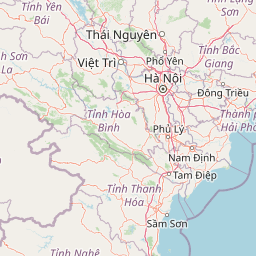
Map view of Ba Vì National Park

Use this park location map to pinpoint Ba Vì National Park in Vietnam, understand its exact geographic position, and read its mapped placement within the surrounding landscape more clearly.

Pigeon | © OpenStreetMap contributors

Location context for Ba Vì National Park

Ba Vì DistrictHanoi
Park atlas

Explore the regional spread of protected areas and compare conservation landscapes near Ba Vì National Park.

Explore Other National Parks and Protected Areas Near Ba Vì National Park
Continue your geographic exploration beyond Ba Vì National Park by discovering other national parks and protected areas across northern Vietnam's diverse landscapes. Comparing these regional conservation areas provides deeper atlas context for the volcanic mountains and rich biodiversity of the Ba Vì range.
National parkPhú Thọ Province

Xuân Sơn National Park: Protected Mountain Landscape and Regional Geography

Mapping the southeastern edge of the Hoang Lien Mountains.

Delve into the protected landscape of Xuân Sơn National Park, a key national park situated in Phú Thọ Province, Vietnam. This area, covering about 150 square kilometers, is defined by its rugged mountainous terrain, featuring steep forested slopes and distinct ridgelines that contribute to the region's varied topography. As a protected national park, Xuân Sơn plays a crucial role in preserving the natural characteristics of the southeastern Hoang Lien Mountains. Its geographic setting is significant, acting as a transition zone between higher montane environments and the nearby lowland river systems, offering a unique perspective on Vietnam's diverse natural heritage.

Area
150.48 km²
Established
1986
IUCN
II
National parkVĩnh Phúc Province

Tam Dao National Park: Vietnam's Mountain National Park and Biodiversity Hotspot

Explore mapped boundaries and regional landscape context.

Tam Dao National Park is a key protected area in northern Vietnam, defined by its rugged mountain terrain featuring over 20 peaks exceeding 1,000 meters. This national park is a vital habitat for diverse flora and fauna, including numerous endemic species, and showcases transitional forest ecosystems from tropical to montane zones. Understanding Tam Dao National Park involves exploring its geographic setting within Vĩnh Phúc Province and appreciating its role as a significant protected landscape.

Area
368.83 km²
Established
1996
IUCN
II
National parkVietnam

Cát Bà National Park: Vietnam's Critically Endangered Species Sanctuary & Karst Landscape

Mapped protected area with diverse terrestrial and marine ecosystems.

As a critical national park in Vietnam, Cát Bà National Park protects a remarkable limestone karst landscape central to the Hạ Long Bay region. This area is renowned for its steep peaks, narrow valleys, and coastal mangrove environments, supporting a uniquely diverse array of flora and fauna. Its status as a protected area highlights its global importance for conservation, particularly as the exclusive habitat of the Cát Bà langur. Explore the mapped geography and ecological significance of this vital Vietnamese protected land.

Area
152 km²
Established
1986
IUCN
II
National parkLào Cai Province

Hoàng Liên National Park: Vietnam's Highest Mountain and Botanical Treasure in Lào Cai Province

Discover exceptional mountain terrain and unique endemic species habitat.

Hoàng Liên National Park stands as a critical protected landscape in Lào Cai Province, Vietnam, centered around the iconic Fansipan mountain, the highest point in the Indochinese Peninsula. This national park is renowned as a globally important center for plant diversity, showcasing varied mountain terrain from lush evergreen forests to subalpine ecosystems. Explore the mapped boundaries and geographic context of this significant highland protected area, a key destination for understanding Southeast Asian botanical richness.

Area
685.69 km²
Established
2002
IUCN
II
National parkQuảng Ninh Province

Bái Tử Long National Park: Protected Island Archipelago and Marine Landscape Discovery

Explore the geography and mapped protected boundaries.

Bái Tử Long National Park, located in Vietnam's Quảng Ninh Province, is a protected national park distinguished by its archipelago of approximately 40 limestone islands and significant marine environments. As one of Vietnam's few national parks designated to protect both land and sea, it provides critical atlas-level insights into coastal karst topography, marine biodiversity, and the interconnectedness of island ecosystems. Discover the park's unique geographic features and its role as a vital protected landscape within the broader regional context.

Area
157.83 km²
Established
2001
IUCN
II
National parkVietnam

Phong Nha, Kẻ Bàng National Park: Vietnam's Karst Terrain and Subterranean World

Explore protected landscapes, cave systems, and geological wonders.

Phong Nha, Kẻ Bàng National Park in Vietnam is a globally significant protected landscape, recognized by UNESCO for its exceptional karst topography and extensive cave networks. This national park features dramatic limestone mountains, deep river gorges, and some of the world's most impressive subterranean formations, offering a rich atlas of natural history and geological wonders to explore.

Area
857.54 km²
Established
2001
IUCN
II
National parkSakon Nakhon Province

Phu Phan National Park: Thailand's Protected Mountain Landscape and Natural Atlas Entry

Explore dry dipterocarp forest and unique terrain in Sakon Nakhon.

Phu Phan National Park offers a detailed look into Thailand's northeastern geography, characterized by its mountainous terrain and extensive dry dipterocarp forests. As a national park, it represents a vital protected landscape within Sakon Nakhon Province, showcasing unique geological formations and providing a rich context for atlas-based exploration. Discover the park's mapped boundaries, its ecological significance, and the distinct natural features that define this prominent Isan region protected area.

Area
665 km²
Established
1972
IUCN
II
National parkKhon Kaen Province

Nam Phong National Park: Mapped Protected Landscape and Geography in Khon Kaen Province

Explore scenic viewpoints, rock formations, and reservoir landscapes.

Nam Phong National Park presents a compelling case study in protected landscape geography, particularly within Thailand's northeastern region. This national park is defined by its mountainous terrain, featuring the Phu Phan Kham and Phu Meng ranges that dramatically meet the waters of the Ubol Ratana Dam reservoir. Its mapped boundaries encompass striking viewpoints like Hin Chang Si, prehistoric rock paintings, and geological formations, offering a detailed look at its natural and archaeological significance for atlas exploration.

Area
197 km²
Established
2000
IUCN
II
Visitors
68.3K annual

Common questions about visiting, size, designation, and location context for Ba Vì National Park

Ba Vì National Park FAQs for park facts, access, geography, and protected area context
Find quick answers about Ba Vì National Park, including protected-area facts, park geography, trail and visitor context, and how the park fits into its surrounding country and regional landscape.
MoriAtlas Explorer

Continue Your Protected Areas Search Across the Global Atlas

Deepen your exploration by continuing the structured search for national parks and protected areas worldwide. Utilize the comprehensive filtering capabilities to compare different conservation landscapes and refine your understanding of global park geography. Discover more about the distribution and characteristics of protected natural areas.

Global natural geography