
Why Bái Tử Long National Park stands out
Bái Tử Long National Park is most distinctive for its combination of terrestrial and marine protection within a single park boundaries, a relatively rare feature among Vietnam's national parks. The park protects a remarkable island archipelago environment with approximately 40 islands and islets rising from productive marine waters. Its coral reef systems support at least 409 documented species, while the surrounding shallow waters harbor more than 539 species. The park's landscape of limestone islands and clear marine waters creates a visual continuity with the adjacent Hạ Long Bay, one of the world's most celebrated bay landscapes. The park's biodiversity includes rare and threatened species such as the limestone cycad (Cycas balansae), Indian pangolin, and various primate species.
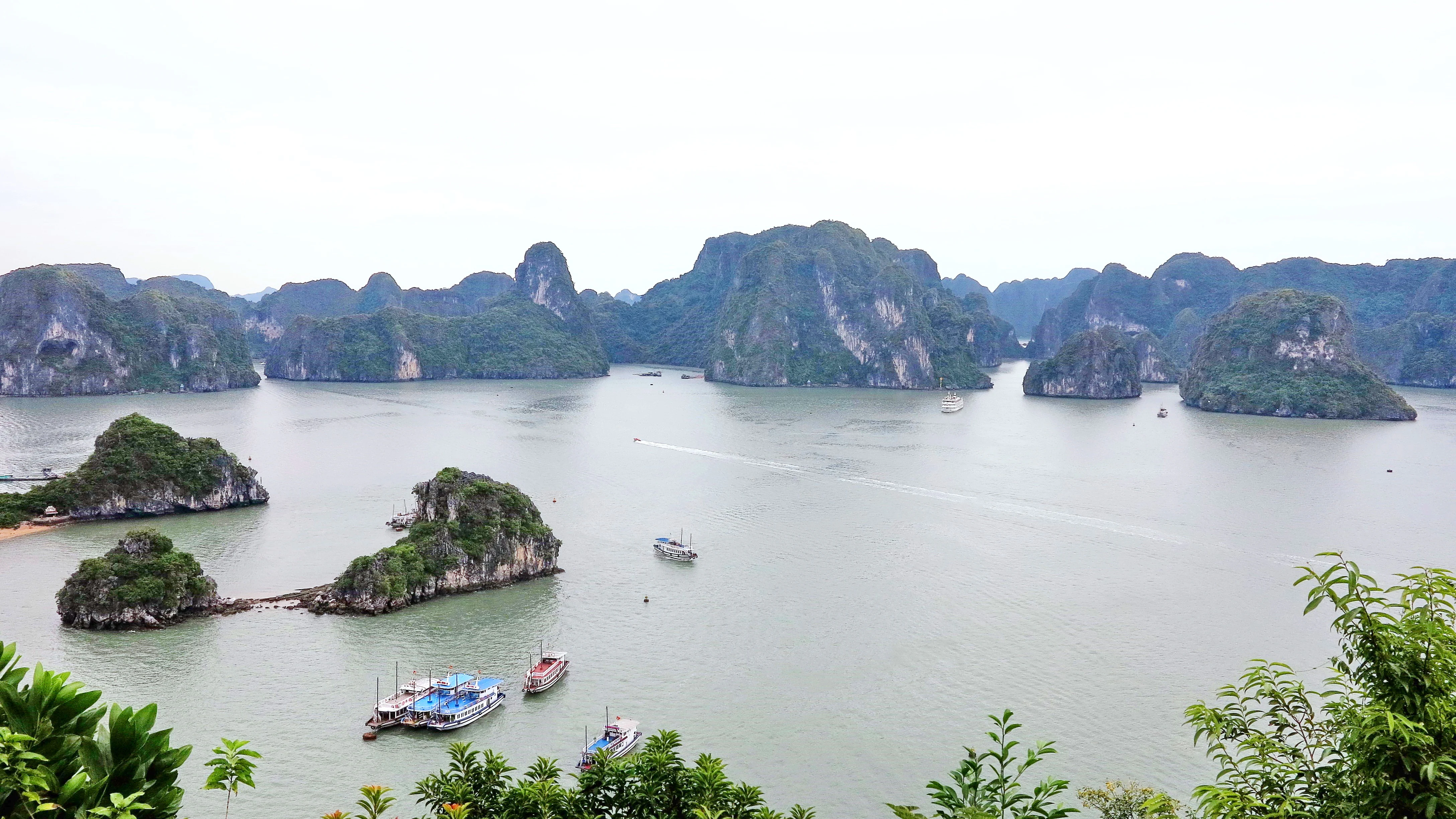
Bái Tử Long National Park history and protected-area timeline
Bái Tử Long National Park was established on June 1, 2001 through Decision 85/2001/QĐ-TTg issued by the Prime Minister of Vietnam. The park was created on the foundation of the earlier Ba Mùn Nature Reserve, which had provided baseline protection for the area's natural values. This institutional evolution from a nature reserve to a national park reflected Vietnam's expanding commitment to comprehensive landscape protection that encompasses both terrestrial and marine environments.
The park's establishment marked an important milestone in Vietnam's protected area system, as it became one of only seven national parks in the country that protect both land and sea within a single management framework. This integrated approach recognized that the area's ecological value derived from the connection between island forests and the surrounding marine waters, rather than treating these as separate conservation concerns. In 2016, the park received additional recognition as an ASEAN Heritage Park, a designation that reflects regional appreciation for the park's ecological significance and its contribution to Southeast Asia's natural heritage.
Bái Tử Long National Park landscape and geographic character
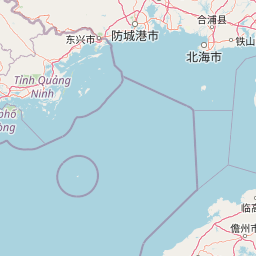
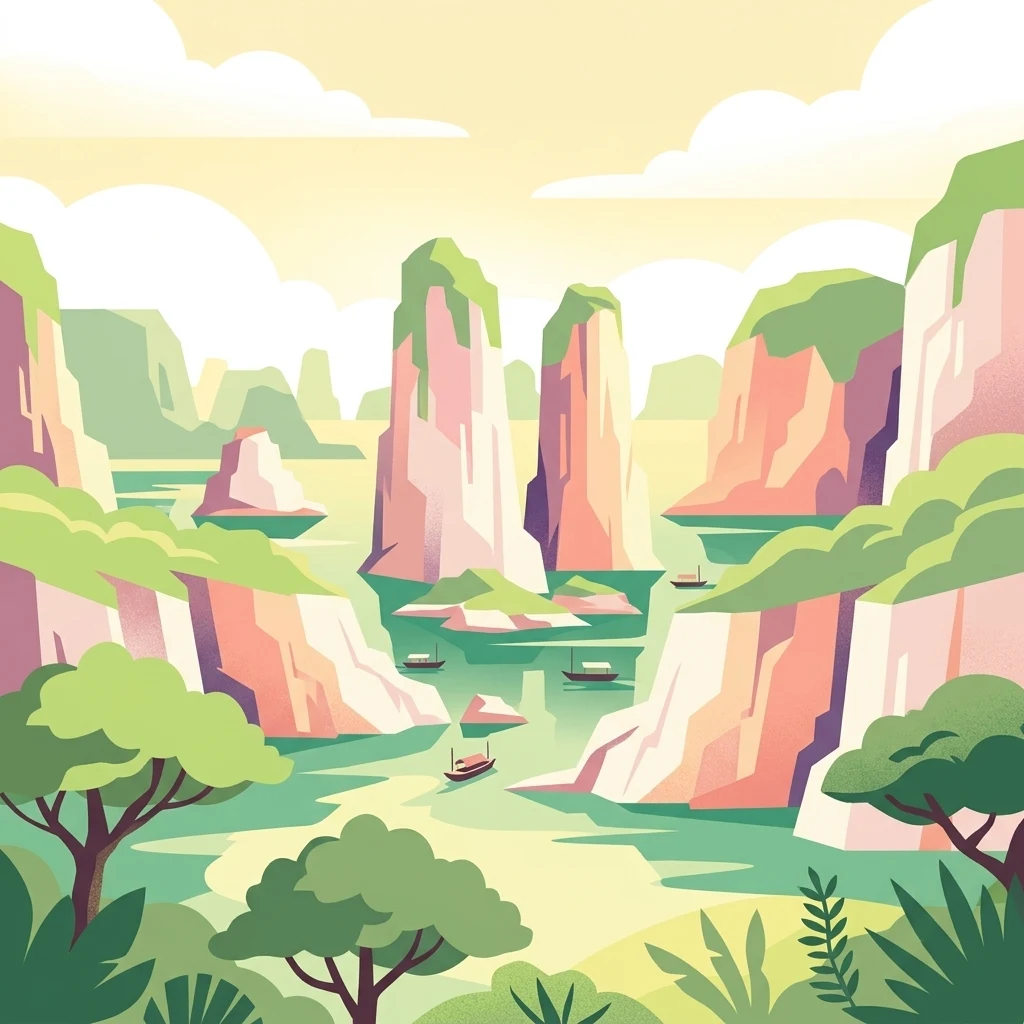
The landscape of Bái Tử Long National Park is defined by its archipelago setting within Bái Tử Long Bay. Approximately 40 islands and islets are distributed across the park's marine territory, grouped into three distinct clusters: the Ba Mùn group, the Trà Ngọ group, and the Sậu group. These islands are predominantly limestone formations, characteristic of the karst landscape that dominates much of northern Vietnam's coastal zone. The limestone islands rise abruptly from the surrounding waters, with steep cliffs and slopes supporting forest vegetation despite the thin soils typical of karst terrain.
The marine component of the park encompasses waters between the islands and extending outward toward the mainland coast. Shallow marine zones surround the islands, creating conditions suitable for coral reef development and supporting productive fish communities. The transition from island slopes through coastal fringe to marine waters creates a visual landscape of remarkable variety, with the vertical contrast between towering karst peaks and the horizontal expanse of the sea. This landscape continues visually beyond the park boundaries to connect with the broader Hạ Long Bay system, one of the world's most iconic coastal karst landscapes.
Bái Tử Long National Park ecosystems, habitats, and plant life
Bái Tử Long National Park protects five primary ecosystem types that together create a diverse ecological landscape. The tropical rainforest ecosystem occurs on island slopes and represents largely secondary forest with canopy coverage ranging from 50 to 90 percent. This forest type supports approximately 494 animal and plant species, including several that are considered rare or threatened. Limestone forest ecosystems develop on the nutrient-poor soils of karst areas, hosting specialized species adapted to the challenging substrate conditions. Coastal ecosystems occupy the narrow zones surrounding islands where specialized mangrove and beach vegetation communities develop.
The marine ecosystems within the park include coral reef areas and shallow water zones. Coral reefs extend from the low-tide mark to depths of approximately 10 meters, supporting at least 409 documented species including groupers, snappers, crabs, mollusks, and sea cucumbers. The shallow water zone encompasses broader areas surrounding the islands, extending from the tidal zone outward to distances of 1 to 4 kilometers from shore. Although these deeper marine areas remain less thoroughly studied, research has already documented 539 species within these waters.
Bái Tử Long National Park wildlife and species highlights
The biodiversity of Bái Tử Long National Park reflects its diverse habitat mosaic. In the limestone forest areas, notable species include the limestone cycad (Cycas balansae), a primitive plant species of conservation concern, along with the Indian pangolin (Manis crassicaudata), civets including the common palm civet and large Indian civet, and various primate species such as the rhesus macaque (Macaca mulatta). The tropical rainforest supports additional species including the Owston's palm civet and other forest-dwelling mammals.
Marine wildlife within the park is particularly diverse, with the coral reef and shallow water ecosystems supporting numerous fish species, invertebrates, and marine organisms. The documented species include groupers and snappers among the fish, various crab species, numerous mollusk species including abalone, and diverse seaweed communities. The mangrove and coastal zones around the islands provide habitat for additional species adapted to the interface between land and sea. This marine biodiversity forms a significant component of the park's overall ecological value and supports the park's designation as an ASEAN Heritage Park.
Bái Tử Long National Park conservation status and protection priorities
Bái Tử Long National Park holds significant conservation importance within Vietnam's protected area network and the broader ASEAN region. Its designation as an ASEAN Heritage Park in 2016 recognized the park's ecological integrity, representativeness, naturalness, and conservation importance at a regional scale. The park's status as one of only seven national parks in Vietnam that protect both terrestrial and marine environments reflects the relatively rare combination of land and sea protection that the park provides.
The park contributes to regional biodiversity conservation by protecting a complex of five distinct ecosystem types within a contiguous protected landscape. The coral reef systems, while less extensively studied than some better-known reef areas, support a remarkable diversity of species and represent important marine habitat within the northern Vietnamese coastal zone. The forest ecosystems on the islands provide habitat for species with restricted distributions in the limestone karst environment. The park's location adjacent to the Hạ Long Bay World Heritage Site also creates a conservation corridor that supports the broader ecological functioning of this internationally recognized landscape.
Bái Tử Long National Park cultural meaning and human context
Bái Tử Long National Park exists within a landscape shaped by long-term human presence. The approximately 24,000 residents living within the park's core and buffer zones maintain communities with historical connections to the islands and surrounding waters. Fishing and associated maritime activities have traditionally supported local livelihoods, creating a relationship between human communities and the marine environment that the park now seeks to balance with conservation objectives.
Historical cultural elements within the park include temple sites dating to the Lý dynasty, an important period in Vietnamese history when the capital was established in the Hanoi region. These heritage features add cultural depth to the park's natural values, connecting the protected landscape to Vietnam's historical development. The park's location within Vân Đồn District also relates to the broader historical significance of the Quảng Ninh coastal region, which has served as a maritime gateway and fishing grounds for centuries.
Top sights and standout views in Bái Tử Long National Park
Bái Tử Long National Park offers a distinctive combination of protected island and marine environments in one of Vietnam's most scenic coastal regions. The park's approximately 40 islands create an archipelago setting with dramatic limestone formations rising from clear waters, similar in character to the adjacent Hạ Long Bay but with its own distinct identity. The park's coral reefs and marine waters support remarkable biodiversity, with more than 400 coral species and over 500 species documented in shallow waters. As one of seven national parks in Vietnam protecting both land and sea, it represents an integrated approach to coastal conservation. The park's ASEAN Heritage Park designation recognizes its regional significance, while its proximity to the Hạ Long Bay World Heritage Site places it within one of the world's most celebrated natural landscapes.
Best time to visit Bái Tử Long National Park
Bái Tử Long National Park can be visited throughout the year, though the optimal period generally spans from October through December when weather conditions are more stable and comfortable for outdoor activities. The winter months from November to February bring cooler temperatures and reduced rainfall, offering favorable conditions for hiking and exploration of the island landscapes. The summer months from May to September tend to be warmer and wetter, with increased precipitation and higher humidity affecting some visitor activities. Marine conditions vary seasonally, with water clarity generally better during the dry season months. Visitors interested in wildlife observation may find different species more active during different seasons, though the park's ecosystems remain accessible year-round.