Mori Atlas logo
National parkGalápagos National Park

Discover mapped park boundaries, unique landscapes, and global geographic significance of the Galápagos Islands.

Galápagos National Park: Protected Volcanic Archipelago & Evolutionary Atlas

Galápagos National Park represents a critical protected landscape within the remote Galápagos Islands archipelago, a globally recognized natural laboratory for evolutionary studies. This national park safeguards approximately 97% of the land area, showcasing unique volcanic terrain and unparalleled endemic biodiversity that has developed in isolation. Understanding this protected region through detailed maps and geographic context reveals its profound importance as a living testament to ecological processes and evolutionary science.

volcanic islandsendemic speciesUNESCO World Heritage Sitemarine protected areaevolutionisland ecosystem

Galápagos National Park

National park

Park overview

Structured park overview, official facts, and landscape profile for Galápagos National Park

Galápagos National Park park facts, protected area profile, and essential visitor context
Review the core facts for Galápagos National Park, including designation, size, terrain, visitor scale, habitats, and operating context in one park-focused overview.

About Galápagos National Park

Galápagos National Park represents one of the world's most significant protected areas, encompassing the majority of the Galápagos archipelago that remains one of the few remaining relatively pristine island ecosystems on the planet. The park protects not only terrestrial environments but works in concert with the surrounding marine waters designated as the Galápagos Marine Reserve, creating an integrated conservation framework for the entire archipelago. The islands' geological youth and continued volcanic activity provide ongoing opportunities to observe ecological succession and island formation processes. The park's management operates through the Galápagos National Park Service, which coordinates conservation activities, visitor access, and scientific research programs. Visitor access is carefully regulated to minimize human impact while allowing people to experience the islands' extraordinary natural values, with designated trails and visitor zones protecting sensitive areas.

Quick facts and research context for Galápagos National Park

The park covers roughly 7,995 square kilometers across the Galápagos archipelago, protecting a chain of volcanic islands formed from hotspot volcanism. The islands feature dramatic terrain ranging from recent lava fields to older highlands with cloud forests. Seven distinct vegetation zones have been identified across the islands, from coastal littoral zones through arid lowlands to humid highland forests dominated by Scalesia trees. The protected area also encompasses surrounding marine waters through the adjacent Galápagos Marine Reserve, created in 1986.

Park context

Deeper park guide and search-rich context for Galápagos National Park

Galápagos National Park history, landscape, wildlife, and travel context
Explore Galápagos National Park through its history, landscape character, ecosystems, wildlife, conservation priorities, cultural context, and seasonal travel timing in a structured park guide built for atlas discovery and search intent.

Why Galápagos National Park stands out

Galápagos National Park is best known for its extraordinary endemic wildlife that inspired Charles Darwin's theory of natural selection. The islands host unique species found nowhere else on Earth, including the giant Galápagos tortoise, marine iguana (the only sea-going lizard in the world), flightless cormorant, and numerous finch species that demonstrate adaptive radiation. The park's volcanic landscapes, with active and dormant volcanoes creating dramatic backdrops, combine with remarkably approachable wildlife that has evolved without fear of humans.
Galápagos National Park history and protected-area timeline

The Galápagos Islands were first protected as a national park in 1959, making this Ecuador's first national park and one of the earliest protected areas in South America. The park officially began operations in 1968, with initial management focusing on establishing boundaries and basic protection measures. In 1971, the park service had its first Superintendent along with a small team of rangers based on Santa Cruz Island. By 1974, the first formal management plan was developed, expanding the ranger force to 40 personnel. The Charles Darwin Research Station, established on Santa Cruz, became a key partner in scientific research and conservation programs, particularly giant tortoise breeding efforts. UNESCO declared the islands a Natural Heritage for Humanity in 1979, elevating international recognition of their irreplaceable value. In 1986, the Galápagos Marine Reserve was created to protect surrounding waters. The park was added to UNESCO's List of World Heritage Sites in Danger in 2007 due to increasing pressures from development, tourism, and invasive species, prompting enhanced conservation measures.

Galápagos National Park landscape and geographic character

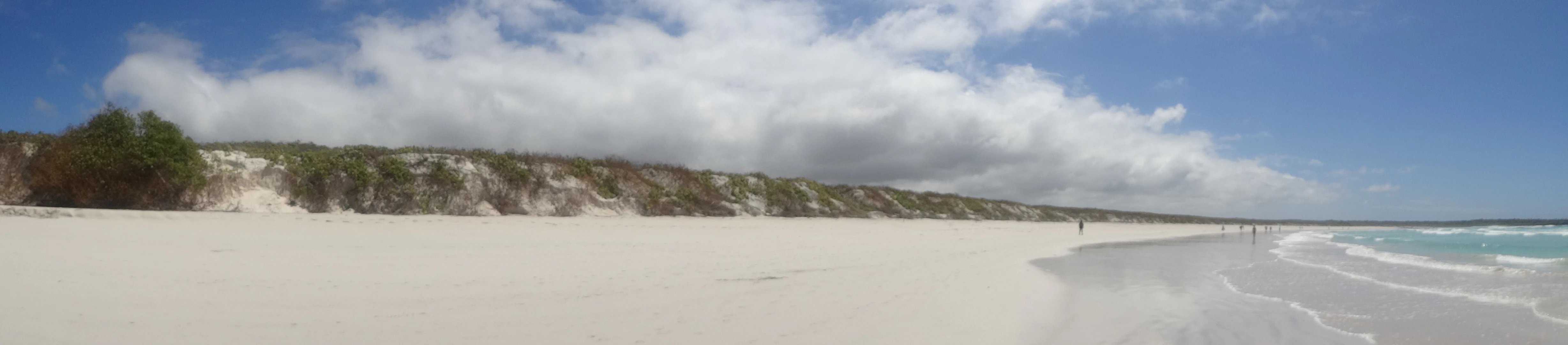
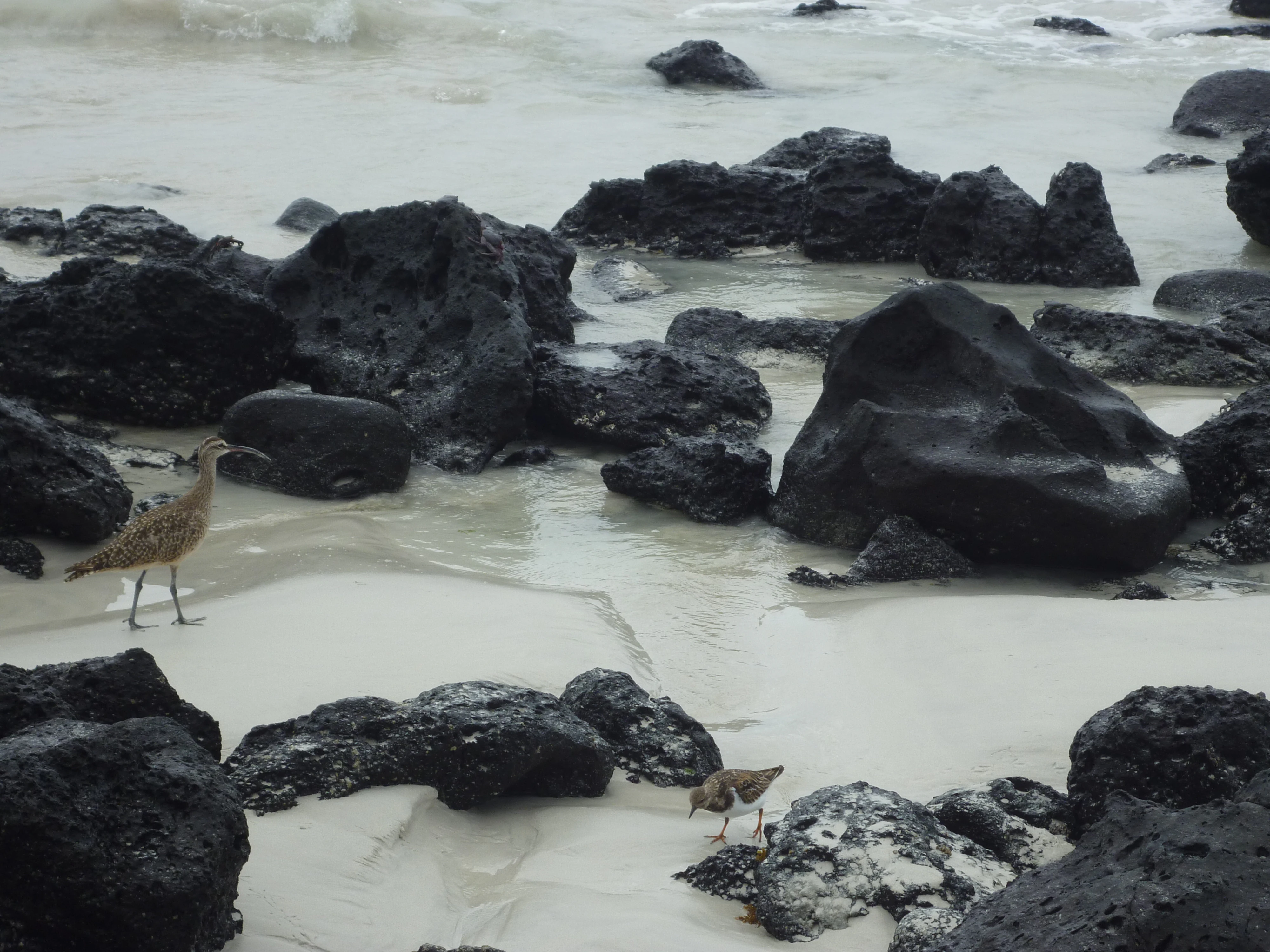
The Galápagos Islands consist of 19 volcanic islands rising from the Pacific Ocean floor, formed through hotspot volcanic activity over millions of years. The landscape is dominated by volcanic terrain ranging from recent black lava fields to older, eroded volcanic peaks. Many islands feature dramatic caldera formations and volcanic craters. The islands display stark contrasts between young volcanic terrain with minimal vegetation and older islands with developed soil and lush highland forests. Coastal areas feature beaches ranging from white coral sands to black volcanic sand beaches, with dramatic cliff formations and rocky shores. The island chain straddles the equator, creating unique climatic patterns with distinct wet and dry seasons. Elevations range from sea level to over 1,700 meters on Isabela Island's Wolf Volcano.
Galápagos National Park ecosystems, habitats, and plant life

The Galápagos ecosystem represents a remarkable example of isolated evolution, with species arriving over millions of years and adapting to specific island conditions. Seven distinct vegetation zones have been identified across the archipelago, distributed according to altitude and moisture availability. The littoral zone along coastlines features mangroves and salt-tolerant vegetation. The arid lowland zone dominates lower elevations with drought-tolerant plants. The transition zone provides intermediate conditions with greater epiphyte and lichen diversity. The Scalesia zone, occurring between 300-500 meters, features forests dominated by the endemic Scalesia trees, closely related to the sunflower family. Above this, the Parda zone and higher humid zones host increasingly dense vegetation including ferns and mosses. The unique vegetation patterns reflect both the islands' geological age differences and varied precipitation patterns.
Galápagos National Park wildlife and species highlights

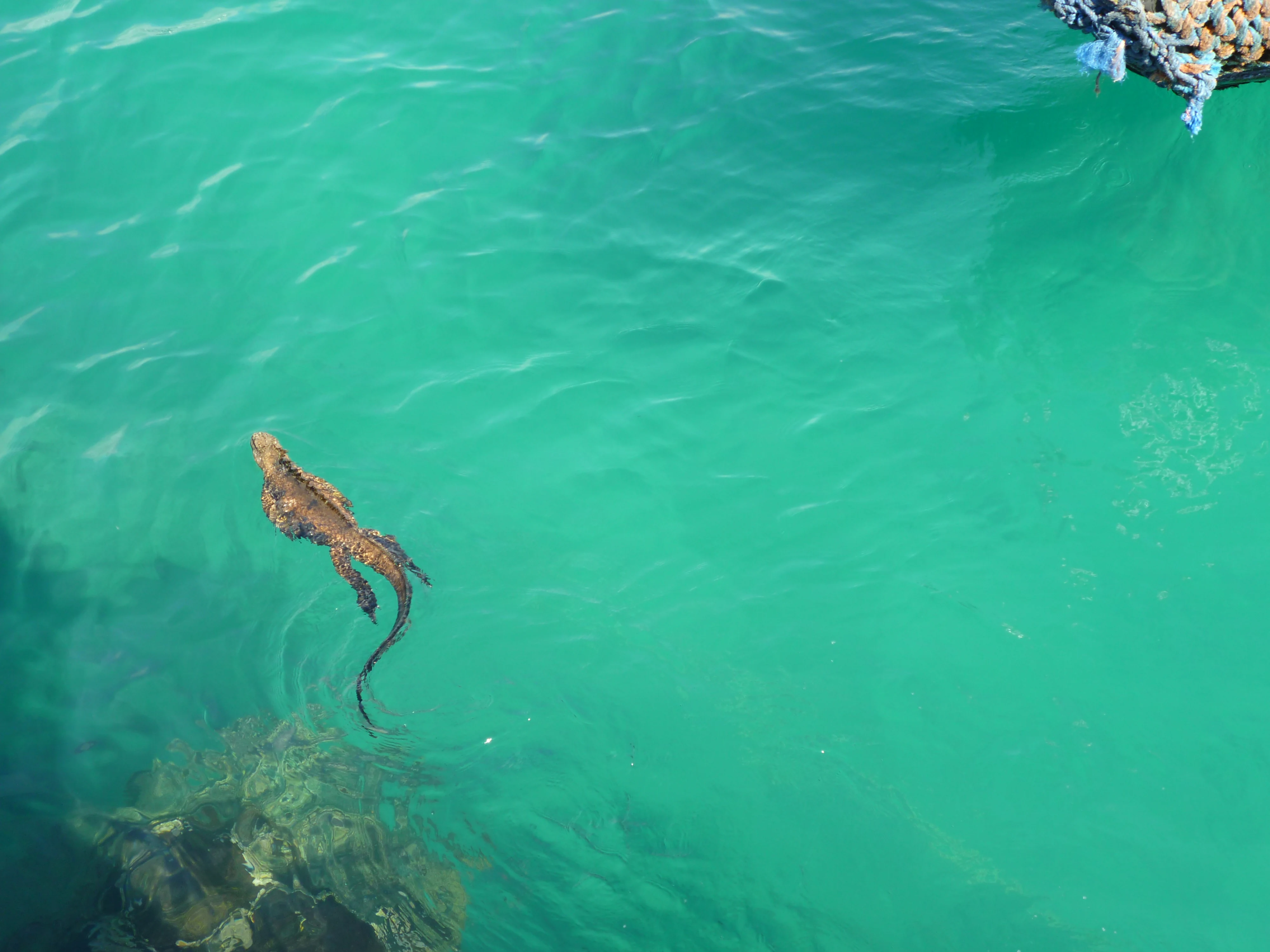
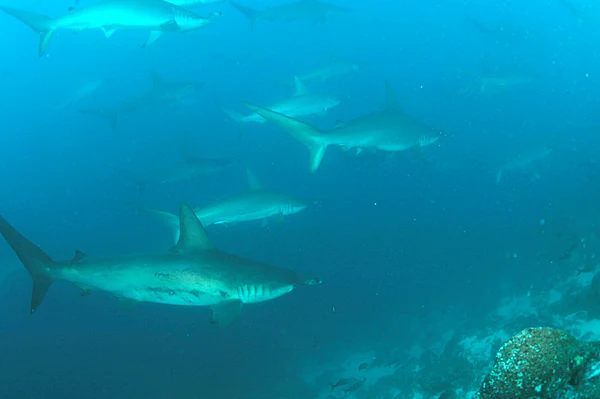
Galápagos wildlife is extraordinary for its high degree of endemism and remarkable adaptations. The iconic Galápagos tortoise, the largest living tortoise species, inhabits several islands with distinct shell variations between populations. The marine iguana represents the only lizard species that regularly feeds in the sea, diving to graze on underwater algae. Land iguanas, including the distinctive yellow land iguana, inhabit multiple islands. The islands support endemic bird species including the flightless cormorant, the only cormorant that has lost the ability to fly, as well as numerous finch species that demonstrated adaptive radiation to Darwin. Marine life includes significant populations of scalloped hammerhead sharks, sea lions, and numerous fish species. The wildlife's remarkable tameness results from evolutionary absence of terrestrial mammalian predators.
Galápagos National Park conservation status and protection priorities

Galápagos National Park faces significant conservation challenges despite its protected status. Invasive species pose the greatest threat, with introduced plants, insects, and animals competing with native and endemic species. The park was placed on UNESCO's World Heritage in Danger list in 2007 due to pressures from immigration, tourism, and the associated risk of invasive species introduction. Conservation programs focus on invasive species eradication, particularly on islands where introduced vertebrates threaten native wildlife. Giant tortoise conservation programs have proven successful, with captive breeding and head-starting programs restoring populations to multiple islands. The park works with Conservation International and other partners on biosecurity measures and ecosystem restoration. The integration of marine protection through the adjacent marine reserve creates a more comprehensive conservation framework for the entire archipelago ecosystem.

Galápagos National Park cultural meaning and human context

The Galápagos Islands hold profound scientific significance as the location where Charles Darwin developed his theory of evolution following his 1835 visit aboard HMS Beagle. The islands' name derives from the Spanish word for saddle, referring to the shape of the giant tortoise shells. The archipelago has been inhabited by humans only relatively recently, with the first permanent settlements established in the 19th century. The current human population remains concentrated in a few areas representing about 3% of the total land area, primarily on Santa Cruz, San Cristóbal, and Isabela islands. Traditional fishing and tourism now form the basis of local economies. The islands' cultural heritage includes both the scientific legacy of Darwin's research and the more recent human history of settlement and resource use.

Top sights and standout views in Galápagos National Park

The park offers visitors extraordinary encounters with wildlife found nowhere else on Earth, from giant tortoises roaming freely to marine iguanas basking on coastal rocks. Tortuga Bay provides one of the most accessible and beautiful beaches, requiring a walk through arid zone terrain to reach its sheltered cove where white-tip reef sharks and marine life are commonly observed. The diverse vegetation zones, ranging from coastal mangroves to cloud forest, can be experienced on trails across multiple islands. The volcanic landscapes provide hiking opportunities on both dormant and recently active volcanoes, with dramatic craters and lava formations. The underwater experience through snorkeling reveals the marine iguana's unique sea-feeding behavior and diverse marine life.

Best time to visit Galápagos National Park

The Galápagos can be visited year-round, though different seasons offer distinct experiences. The warm season from December through May brings higher temperatures, calmer seas, and clearer water for snorkeling, with the ocean surface often calmer for boat travel. The garúa season from June to November brings cooler temperatures, more frequent mist in the highlands, and rougher sea conditions but tends to bring more marine life activity, including the arrival of migratory species. Wildlife viewing remains excellent throughout the year, though animal behavior varies with seasonal changes. The dry season often brings more active wildlife in the lowlands as water sources become limited, while the wet season promotes lush vegetation in the highlands.
Park location guide

Geography guide, regional context, and park location map for Galápagos National Park

Galápagos National Park park geography, regions, and map view in Ecuador
Understand where Galápagos National Park sits in Ecuador through a broader geographic reading of the surrounding landscape, nearby location context, and its mapped position within the national park landscape.

How Galápagos National Park fits into Ecuador

Ecuador is a presidential republic located in northwestern South America, with Quito as its capital and Guayaquil as its largest city. The country spans 283,561 km² and encompasses the Galápagos Islands, a volcanic archipelago famous for unique wildlife that helped shape Darwin's theory of evolution. Ecuador is a plurinational state with Spanish as the official language, though Kichwa and Shuar are recognized for indigenous peoples.

Wider geography shaping Galápagos National Park in Ecuador

Ecuador is located in northwestern South America along the Pacific coast. It shares borders with Colombia to the north and Peru to the east and south. The country includes the Galápagos Islands, a volcanic archipelago in the Pacific Ocean approximately 1,000 km west of the mainland. The territory encompasses diverse terrain including the Amazon rainforest in the east, the Andean highlands in the center, and coastal plains along the Pacific.

Map view of Galápagos National Park

Use this park location map to pinpoint Galápagos National Park in Ecuador, understand its exact geographic position, and read its mapped placement within the surrounding landscape more clearly.

Pigeon | © OpenStreetMap contributors

Location context for Galápagos National Park

Galápagos Islands
Park atlas

Expand your atlas perspective, comparing diverse protected areas and their surrounding geographic context across the region.

Continue Your Park Discovery: Explore National Parks and Protected Areas Near Galápagos National Park
After exploring Galápagos National Park's unique island ecosystems, you can browse other national parks and protected areas within the broader region, revealing a wider scope of conservation landscapes. Review mapped park geography, compare different protected areas, and trace how diverse ecosystems are preserved across varied terrain.
National parkCosta Rica

Cocos Island National Park: Mapped Protected Area and Geographic Identity in Costa Rica

Explore the unique landscape and regional geography of this national park.

Delve into the specific geographic identity of Cocos Island National Park, a protected landscape designated as a national park within Costa Rica. This dedicated page facilitates structured exploration of its mapped boundaries and regional terrain. Understand the park's place in the broader atlas, focusing on its protected-area significance and unique landscape context for detailed discovery.

Area
23.52 km²
Established
1978
IUCN
II
National parkPeru

Cerros de Amotape National Park: Peru's Protected Pacific Tropical Forest Atlas

Explore mapped boundaries and diverse terrain of this unique landscape.

Cerros de Amotape National Park stands as a significant protected area within Peru, meticulously preserving remnants of the Tumbes-Piura dry forests and Pacific tropical forests. Situated within the Cordillera de los Amotapes, the park features a dynamic landscape from riverine habitats to elevated mountain terrain. This park detail page offers an atlas-style view, focusing on its geographic context, mapped protected boundaries, and its importance as a conservation corridor for unique biodiversity.

Area
1,515.61 km²
Established
1975
IUCN
II
National parkCosta Rica

Corcovado National Park National Park: Costa Rica's Protected Landscape Geography and Map

Explore its mapped protected area boundaries and terrain.

Corcovado National Park offers a deep dive into its identity as a protected national park within Costa Rica. This atlas entry focuses on its specific geographic placement, the visual representation of its park boundaries on maps, and the character of its natural terrain. It provides essential structured data for understanding the park's role in the national protected area network and its unique position within the regional geography.

Area
424 km²
Established
1975
IUCN
II
National parkPuntarenas Province

Piedras Blancas National Park: Costa Rica National Park Protected Landscape

Explore Puntarenas Province's mapped protected areas and terrain.

Piedras Blancas National Park is a key protected area within Puntarenas Province, Costa Rica, identified for its national park status. This entry serves as a geographic anchor, detailing the park's mapped landscape and its contribution to the regional protected areas atlas. Understand its specific geographic setting and the importance of its protected boundaries for natural landscape exploration and research, contributing vital context to Costa Rica's conservation geography.

Area
140.19 km²
Established
1991
IUCN
II
National parkPuntarenas Province

Manuel Antonio National Park: Protected Landscape and Geographic Detail

Mapped boundaries and regional atlas context.

Delve into the protected landscape of Manuel Antonio National Park, a notable national park located in Puntarenas Province. This detail entry provides essential geographic context, focusing on mapped park boundaries and regional terrain. Understand its protected-area identity and its contribution to the natural atlas through detailed exploration tools designed for geographic discovery.

Area
19.83 km²
Established
1972
IUCN
II
National parkGuanacaste Province

Diriá National Park: Protected Landscape Atlas within Guanacaste Province

National Park geographic context and mapped terrain.

Examine Diriá National Park as a distinct protected area within Guanacaste Province. This detailed entry focuses on its geographic identity, mapped boundaries, and natural landscape characteristics. Understand how this national park contributes to the regional atlas, offering a clear view of its protected status and natural terrain features for focused discovery.

Area
28 km²
Established
1991
IUCN
II
National parkCosta Rica

Carara National Park: Protected Landscape Geography in Costa Rica

Explore the mapped terrain and park boundaries.

Carara National Park offers a focused exploration of protected landscape geography within Costa Rica. As a National Park, its mapped boundaries are integral to understanding its role in the country's natural atlas. This detail page provides specific geographic context and details relevant to atlas-based discovery, highlighting the park's unique position and protected-area identity for users interested in detailed mapping and regional natural context.

Area
52 km²
Established
1978
IUCN
II
National parkGuanacaste Province

Las Baulas Marine National Park: Protected Marine Landscape Atlas in Guanacaste Province

Explore its mapped boundaries and regional geographic context.

Las Baulas Marine National Park represents a vital protected marine territory within Costa Rica. This entry offers an atlas-oriented perspective, detailing the park's geographic scope and its specific mapped boundaries. Users can explore its significance as a protected landscape, understand its relationship to the broader regional geography of Guanacaste Province, and utilize this information for structured natural landscape discovery.

Area
175 km²
Established
1991
IUCN
II

Common questions about visiting, size, designation, and location context for Galápagos National Park

Galápagos National Park FAQs for park facts, access, geography, and protected area context
Find quick answers about Galápagos National Park, including protected-area facts, park geography, trail and visitor context, and how the park fits into its surrounding country and regional landscape.
MoriAtlas Explorer

Continue Your Protected Areas Search Across the Global Atlas

Deepen your exploration by continuing the structured search for national parks and protected areas worldwide. Utilize the comprehensive filtering capabilities to compare different conservation landscapes and refine your understanding of global park geography. Discover more about the distribution and characteristics of protected natural areas.

Global natural geography